
The Ultimate Meat Planning Guide for Hong Kong
The Ultimate Meat Planning Guide for Hong Kong
Everything You Need to Know About Meat Portions, Cooking Yield, BBQ Planning, Freezer Space & Meal Prep in Hong Kong
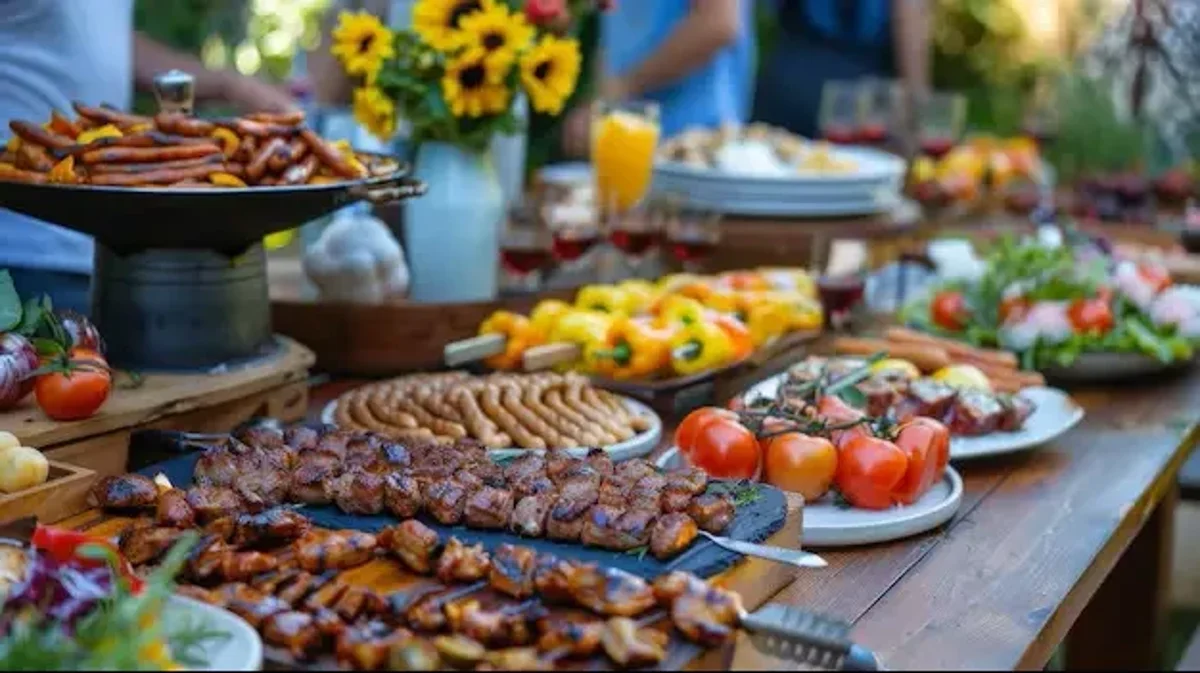
You’ve probably been there — halfway through a BBQ and the grill’s already empty. Or the opposite: you open the fridge the next day and realise you’ve bought enough meat to feed the whole building “just in case.
Most people struggle with one simple question: how much meat do you actually need.
The problem is, it’s not as simple as “X grams per person.” It depends on the cut, the cooking method, the type of event, how many side dishes you’re serving, whether the meat is bone‑in or boneless, how hungry your guests are, and even how much freezer space you have in a small Hong Kong kitchen.
After years of helping customers plan for family dinners, rooftop BBQs, hotpot nights and parties, we’ve seen the same questions come up again and again. This guide pulls everything together in one place so you can plan confidently, avoid waste, and still have enough for everyone.
In the sections below, you can jump straight to the part you care about most — from how much meat per person, to bone‑in vs boneless, cooking shrinkage, freezer space, and more.
Quick Navigation
- Understanding Meat Yield: The Biggest Mistake Customers Make
- How Much Meat Per Person
- Weekly Meal Planning
- Freezer Space Guide
- Bone-In vs Boneless
- Cooking Shrinkage
- Planning for Different Types of Gatherings
- Common BBQ & Meat Planning Mistakes
- Quick Meat Portion Cheat Sheet
1. Understanding Meat Yield: The Biggest Mistake Customers Make
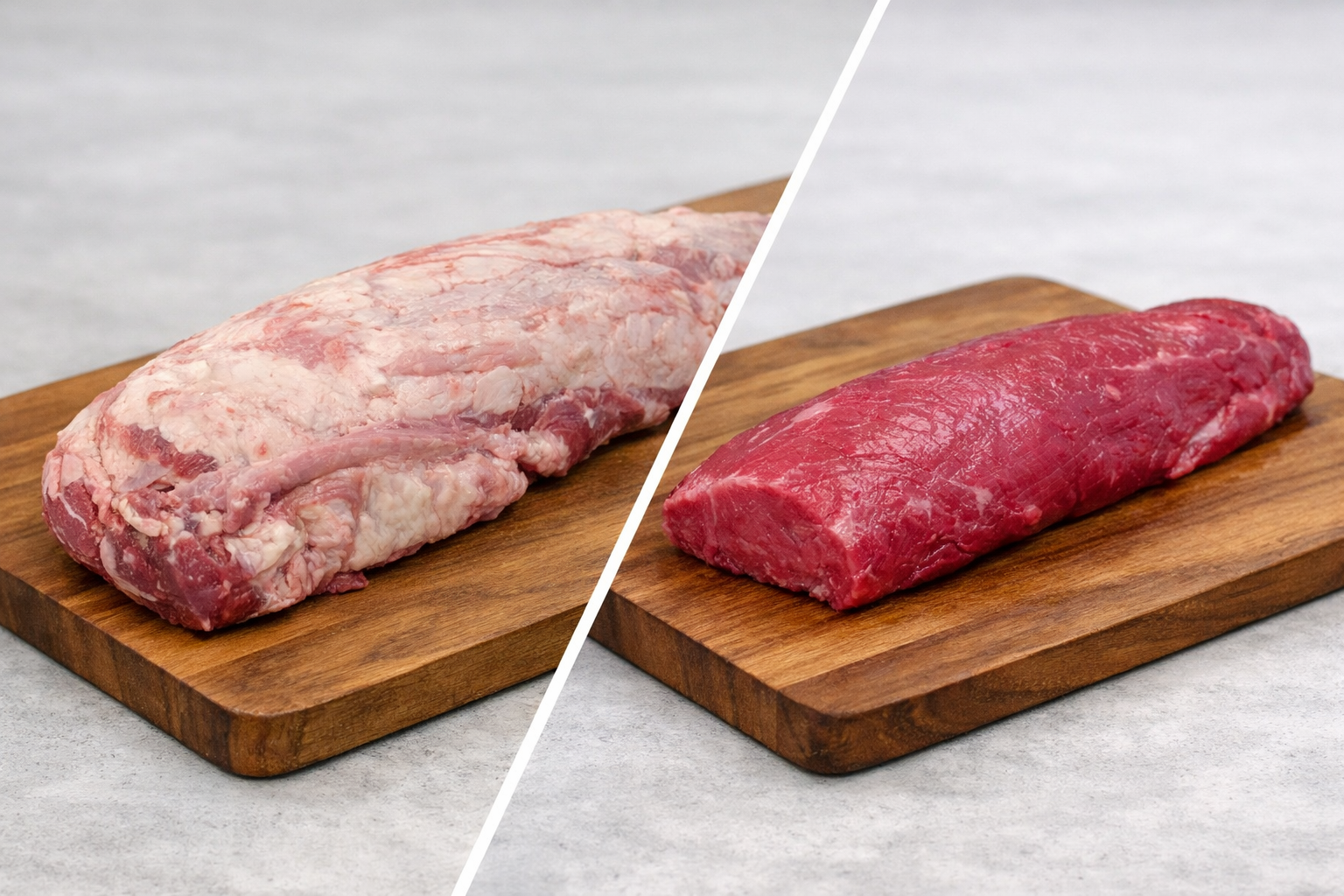
Most people calculate how much meat they need based on raw weight, not edible cooked weight — and that’s where everything goes wrong.
Meat loses moisture, fat and trim during cooking, and bone‑in cuts reduce yield even further. A 5kg brisket doesn’t give you 5kg of food; depending on the cut and cooking method, you may lose 20–50% of the weight.
Understanding this one concept instantly makes your planning more accurate and prevents both under‑ordering and over‑ordering.
Cooking Loss & Yield Table
| Product | Typical Cooking Loss |
|---|---|
| Steak | 10–20% |
| Burgers | 15–25% |
| Chicken Wings | 20–30% |
| Brisket | 35–50% |
| Pulled Pork | 30–45% |
| Fish | 10–20% |
→ See how much meat you actually lose during cooking
2. How Much Meat Per Person
Portion sizes vary depending on the event, the cut, and how hungry your guests are — but having a realistic starting point makes planning much easier.
The guide below gives practical raw meat estimates per adult for BBQs, dinners, hotpot, and everyday meals in Hong Kong.
Side dishes also affect overall meat quantities far more than most people expect.
Recommended Raw Meat Per Adult
| Meal Type | Recommended Raw Meat (g) | Recommended Raw Meat (oz) |
|---|---|---|
| Steak Dinner | 250–350g | 9–12 oz |
| Mixed BBQ | 350–450g | 12–16 oz |
| Korean BBQ | 300–500g | 10–18 oz |
| Burgers | 180–250g | 6–9 oz |
| Slow‑Cooked Beef/Pork | 200–300g | 7–10 oz |
| Chicken Wings | 400–600g | 14–21 oz |
| Fish Fillets | 180–250g | 6–9 oz |
| Hotpot | 250–400g | 9–14 oz |
Important Note
These portion sizes refer to raw weight, not cooked weight.
Meat naturally loses 10–30% during cooking (and more for long cooks), so these estimates ensure you still end up with a satisfying cooked portion.
Example
A 230g (8oz) raw steak typically becomes 180–200g cooked, after cooking and resting..
This is considered a standard, satisfying portion for most adults.
→ Understand how much cooked meat you actually get from each cut
3. Weekly Meal Planning: Buying Smarter, Not More Often
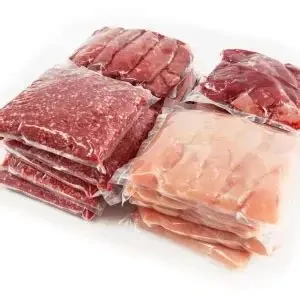
Weekly meal planning isn’t about buying huge amounts of meat — it’s about buying smarter, portioning properly, and making the most of your freezer space.
In Hong Kong, where fridge and freezer space is often limited, planning ahead can reduce waste, save money, and make weekday cooking much easier.
With a few simple habits, even a small freezer can become an efficient meal-planning tool.
Smart Freezer & Meal Planning Tips
| Strategy | Why It Helps |
|---|---|
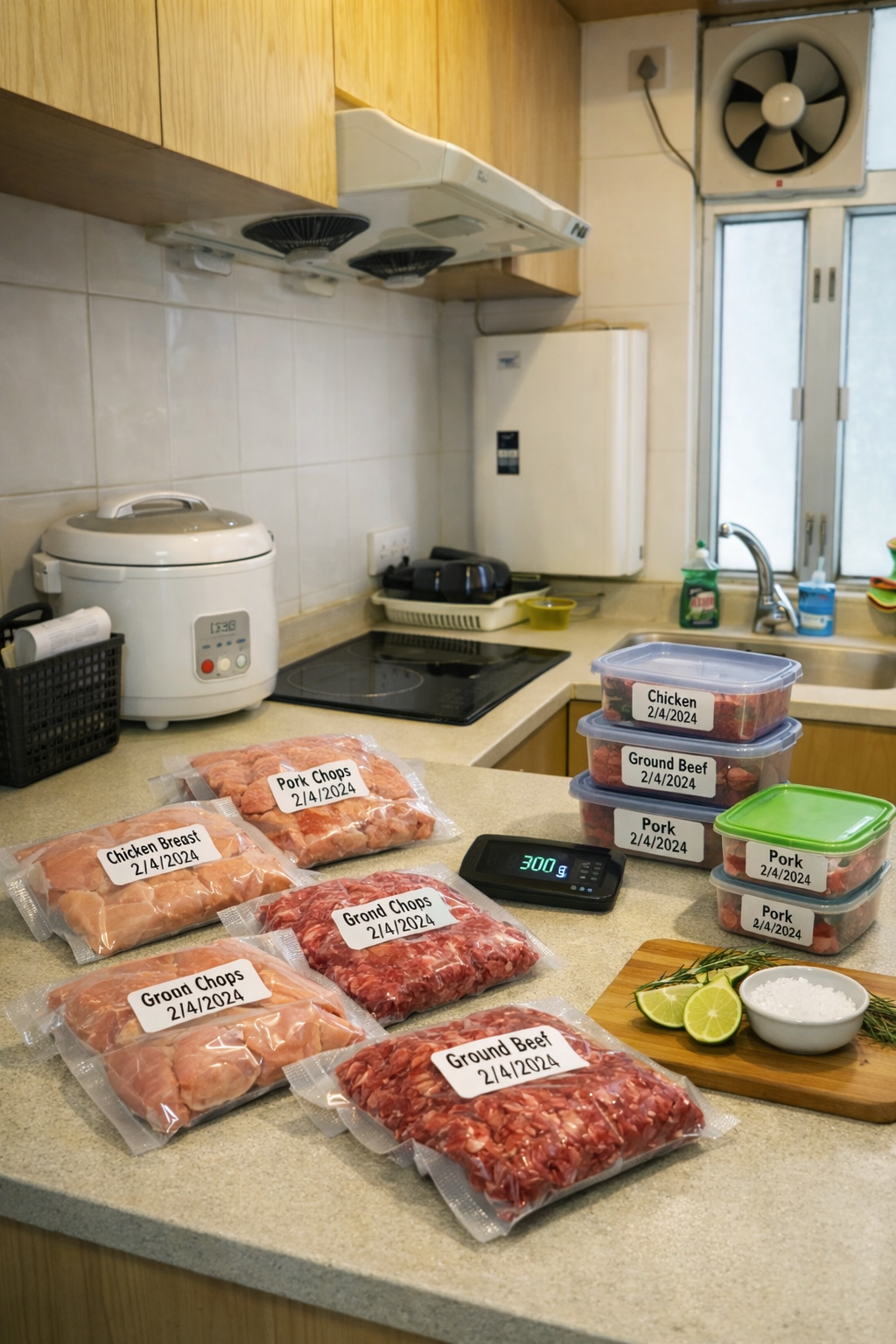
| Portion meat before freezing | Faster defrosting, no waste, easier weekday cooking. |
| Label everything clearly | Avoids “mystery packs” and helps rotate stock. |
| Freeze in meal‑sized packs | Prevents thawing more than you need. |
| Batch‑buy freezer‑friendly cuts | Saves money and reduces last‑minute shopping. |
| Rotate stock weekly | Ensures nothing gets forgotten at the back. |
Important Note
Vacuum-sealed products stack extremely efficiently and can take up 30–40% less space than supermarket trays — a major advantage in smaller Hong Kong kitchens.
Example
Buying 3–4kg of mixed meats and portioning them into 6–8 meal packs can comfortably cover a week of dinners with minimal effort — without overloading a small freezer drawer.
→ See how to plan a week of meals without overbuying
4. How Much Freezer Space You Actually Need
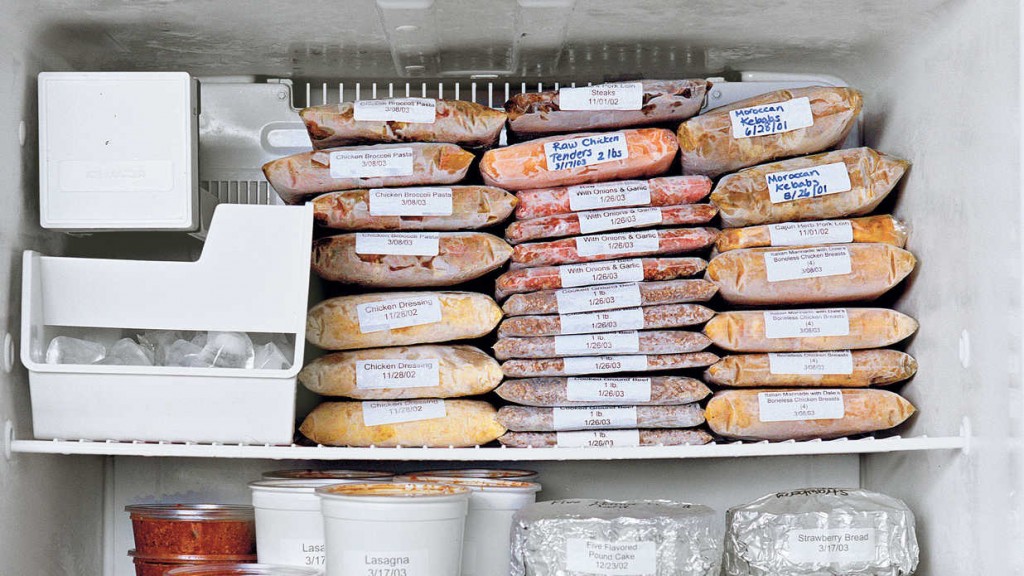
Most Hong Kong homes rely on compact fridge/freezer combinations, which makes it surprisingly difficult to judge how much meat you can realistically store.
Vacuum-sealed packs help maximize space, but freezers still fill quickly — especially when using bulky supermarket trays or awkwardly shaped packaging.
Some cuts are naturally easier to portion, stack, and freeze than others — especially in compact Hong Kong kitchens.
→ See the best freezer-friendly cuts for weekly meal planning
Understanding how much freezer space different quantities of meat require helps you plan smarter, avoid overbuying, and keep your freezer organised instead of chaotic.
Approximate Freezer Space Requirements
| Meat Quantity | Approximate Freezer Space Needed |
|---|---|
| 1kg | Fits easily in a small stackable area (¼ of a drawer) |
| 3kg | Around half a standard freezer drawer |
| 5kg | One full freezer drawer in most HK fridge/freezers |
| 8–10kg | Most of a small standalone freezer, or two drawers |
| 15kg+ | Best stored in a dedicated small chest freezer |
Important Note
Freezer space disappears faster than most people expect once irregular shapes, ice buildup, and mixed food items are involved. Always leave some extra room for airflow and easy access instead of packing the freezer completely full.
Example
A typical Hong Kong freezer drawer can comfortably hold around 5–6kg of vacuum-packed meat when stacked neatly. The same drawer may only fit 3–4kg when using bulky supermarket trays
→ Learn how to maximize freezer space efficiently
5. Bone‑In vs Boneless: Why Weight Can Be Misleading
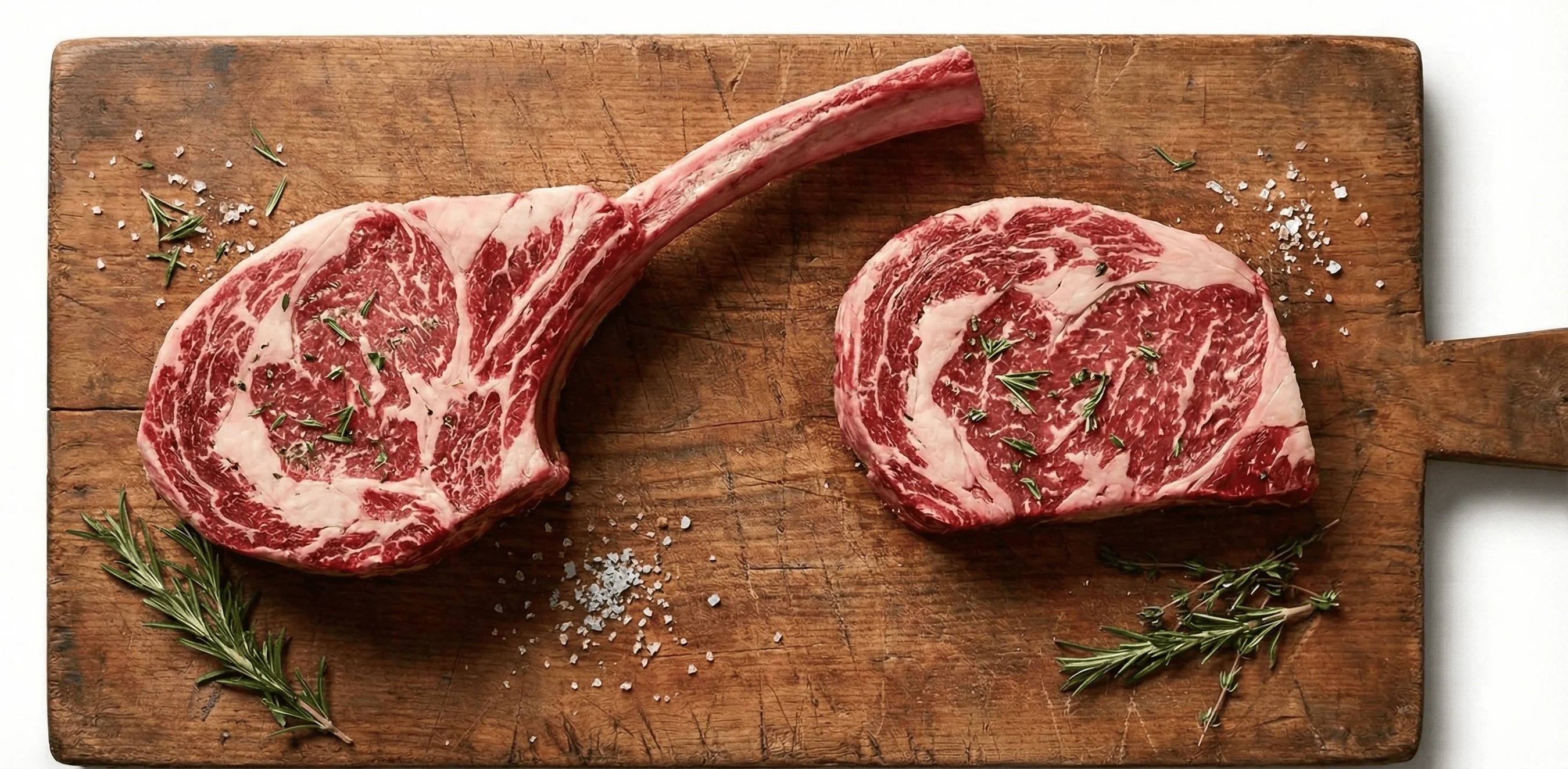
Bone-in cuts often look larger and more impressive, but part of that weight comes from the bone itself — not edible meat.
Bones add flavour, moisture, and presentation value, but they reduce the actual yield on the plate. This is why 1kg of bone-in ribeye does not serve the same number of people as 1kg of boneless ribeye.
Understanding bone and trim loss helps you order the right amount with confidence — avoiding both overbuying and running short.
Estimated Bone & Trim Loss
| Cut | Approximate Bone/Trim Loss |
|---|---|
| Bone‑In Ribeye | 20–30% |
| Tomahawk Steak | 25–35% |
| Lamb Rack | 20–30% |
| Beef Short Ribs | 30–40% |
Important Note
Bone-in cuts are excellent for flavour and presentation, but you should generally allow an additional 20–30% when calculating how much to buy, especially for BBQs or group meals.
Shared BBQ platters often combine both bone-in and boneless cuts for variety and presentation.
Example
A 1kg tomahawk steak may only yield around 650–750g of edible meat after cooking and trimming.
That’s why it typically serves 1–2 people, not 3–4.
→ Learn how much meat you actually get from bone-in cuts
6. Cooking Shrinkage: Why Meat Gets Smaller
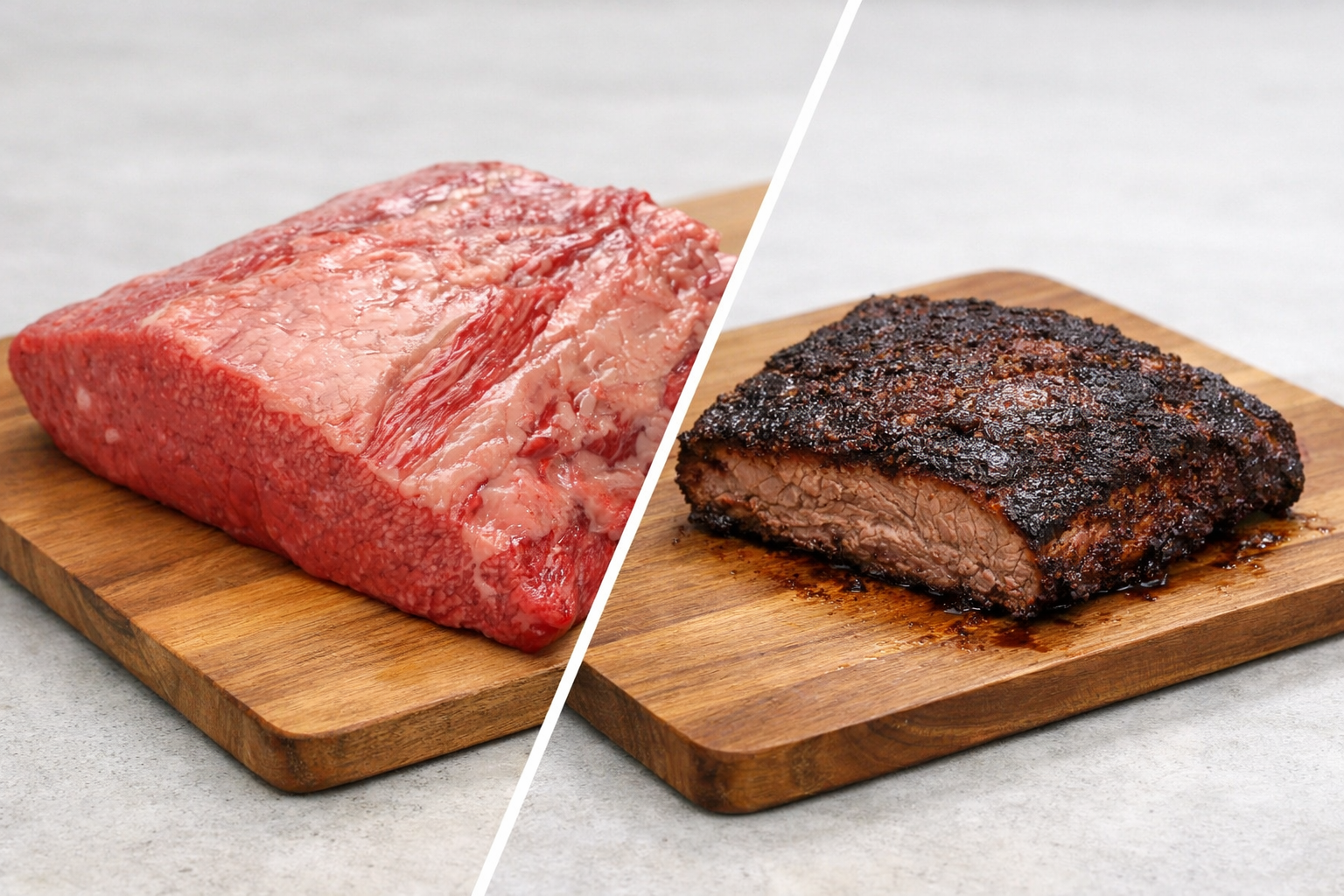
One of the biggest surprises for home cooks is how much weight meat loses during cooking.
Whether you’re grilling steaks, roasting chicken wings, or slow‑cooking brisket, heat drives out moisture and renders fat — which means the final cooked weight is always lower than the raw weight.
Long, slow cooks lose the most, while quick, high‑heat methods lose less. Understanding shrinkage helps you plan portions accurately and avoid under‑ordering.
Typical Cooking Shrinkage by Product
| Product | Typical Cooking Loss |
|---|---|
| Steak | 10–20% |
| Burgers | 15–25% |
| Chicken Wings | 20–30% |
| Brisket | 35–50% |
| Pulled Pork | 30–45% |
| Fish | 10–20% |
Important Note
Cooking loss varies depending on temperature, fat content, cut thickness, and cooking method. Slow cooks like brisket and pulled pork lose the most because they render fat and moisture over many hours.
Example
A 3kg brisket may yield only 1.8–2kg of cooked meat after trimming and smoking — which is why brisket portions always look “large” on paper.
In real BBQ settings, side dishes and grazing behaviour also affect how much cooked meat guests actually consume.
→ Learn how much meat you actually lose during cooking
7. Planning for Different Types of Gatherings
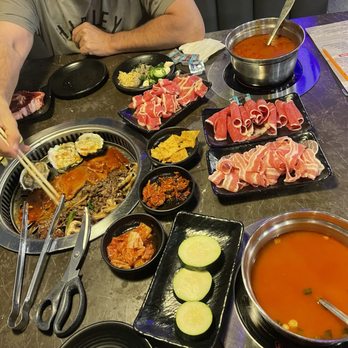
Different events change how people eat. A casual rooftop BBQ is very different from a plated dinner party, while hotpot and Korean BBQ often lead to higher consumption because guests keep cooking and grazing throughout the meal.
Understanding how appetites change by event type helps you avoid both under-ordering and expensive over-ordering.
Use the guide below as a quick reference when planning your next gathering.
Meat Planning by Event Type
| Event Type | What to Expect | Recommended Approach |
|---|---|---|
| BBQs | Guests graze for hours, drink more, and sample multiple proteins. | Plan 350–450g per adult. Heavy eaters may go higher. |
| Dinner Parties | More sides, starters, and desserts usually reduce meat portions slightly. | Plan 250–300g per adult. |
| Hotpot | Thin slices cook fast, so people eat more than expected. | Plan 300–500g per adult. |
| Korean BBQ | Similar to hotpot — quick cooking often leads to higher consumption | Plan 300–500g per adult. |
| Kids Parties | Kids eat less overall but love sausages, wings, and burgers. | Plan 150–250g per child |
Important Note
Longer events usually require more food. A 2-hour dinner party is very different from a 5-hour rooftop BBQ where guests keep returning to the grill throughout the evening.
Example
A casual BBQ for 10 adults can easily go through 4–5kg of mixed meats — especially if alcohol, multiple proteins, and side dishes are involved. Heavier comfort-style sides like potatoes also change portion planning significantly.
8. Common BBQ & Meat Planning Mistakes
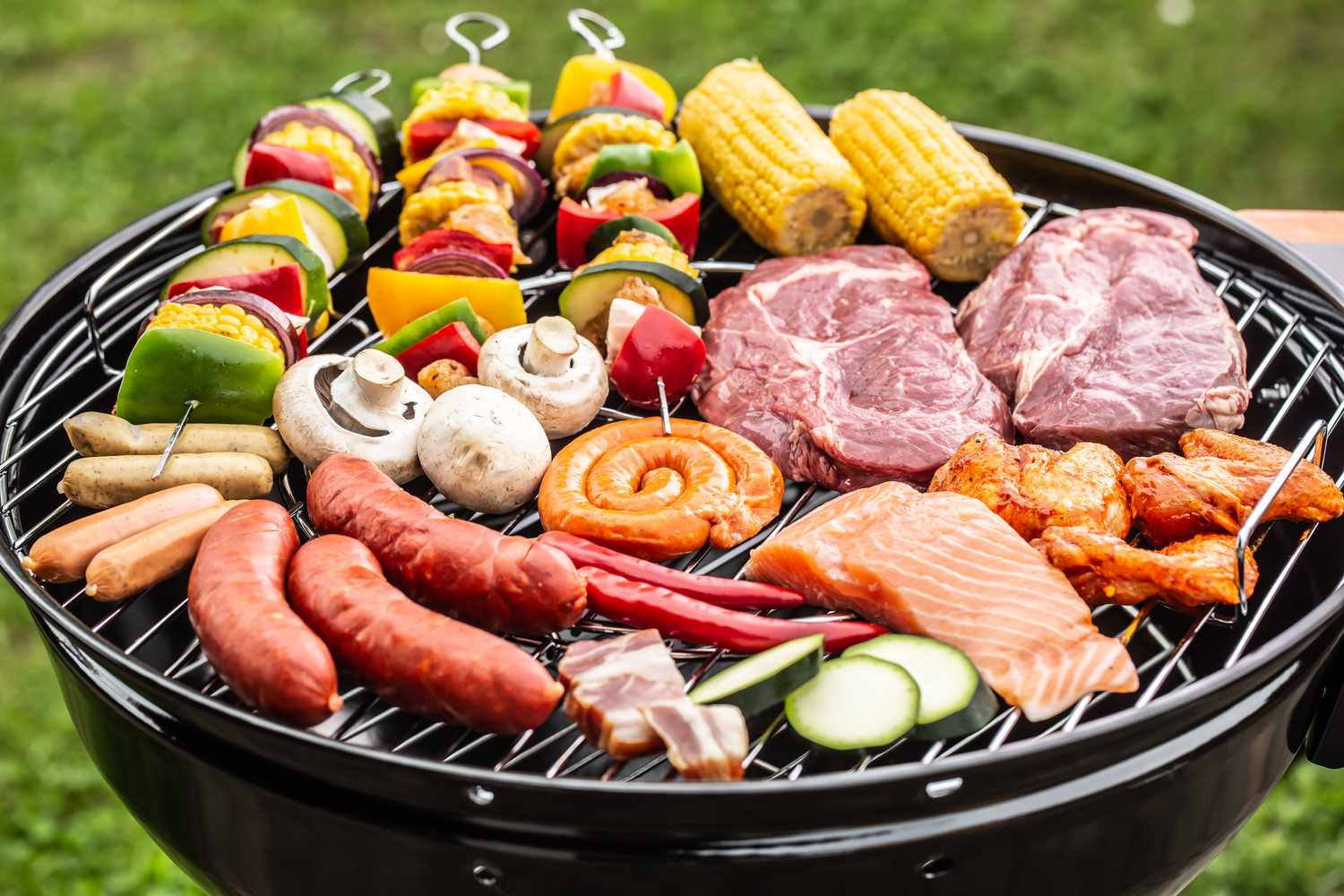
Even experienced home cooks make the same ordering mistakes — especially when planning BBQs, hotpot nights, or larger gatherings.
Most problems come from misunderstanding cooking loss, overestimating freezer space, or trying to serve too many different proteins at once.
Avoiding these simple mistakes saves money, reduces waste, and makes hosting far less stressful.
Common Meat Ordering Mistakes
- Forgetting cooking shrinkage — raw weight is always higher than cooked weight
- Not accounting for bone weight — bone-in cuts yield less edible meat
- Over-ordering premium cuts — large portions often create unnecessary waste
- Underestimating BBQ appetites — guests usually eat more during long events
- Ignoring freezer capacity — small HK freezers fill faster than expected
- Buying too many proteins — too much variety often leads to leftovers
Important Note
Most waste happens not because people buy too much meat, but because they buy the wrong mix of cuts or underestimate cooking loss.
Example
A host planning a BBQ for 12 people might buy 10 different proteins, but only small amounts of each. This often leads to overcrowded grills, uneven cooking, and leftovers nobody really wants.
A better approach is usually 3–4 proteins in proper quantities.
→ Learn how to avoid the most common BBQ and meat planning mistakes.
9. Quick Cheat Sheet
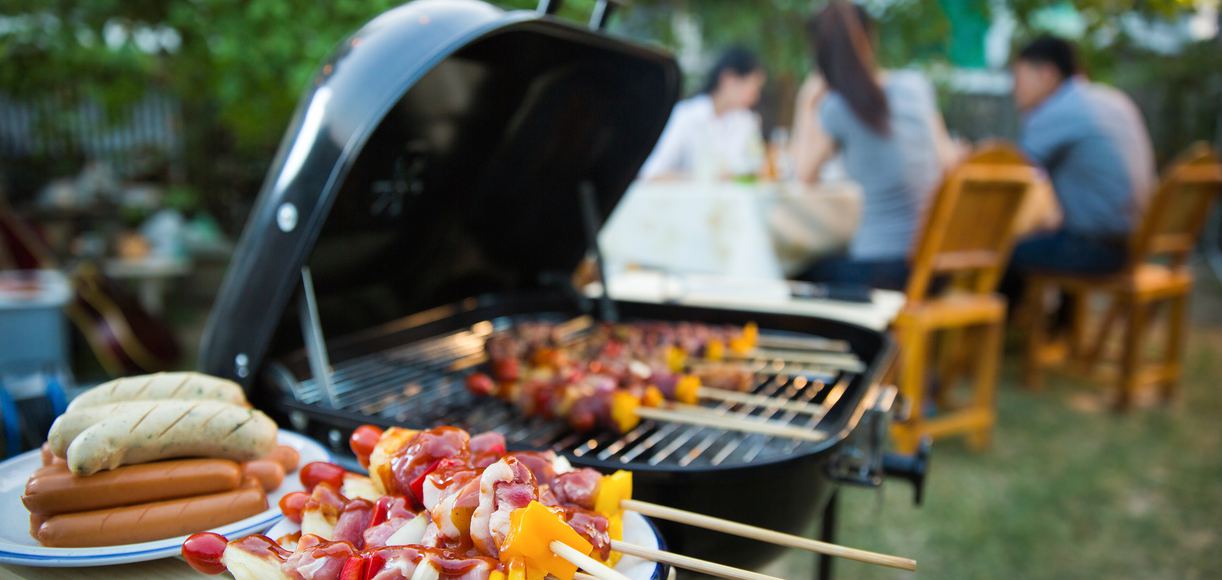
If you only remember one section from this guide, make it this one.
These quick portion rules work for most BBQs, dinner parties, hotpot nights, and weekly meal planning — making it easier to avoid over-ordering, under-ordering, or guessing entirely.
Quick Meat Portion Guide
- Casual BBQ → 350–450g per adult
- Steak Dinner → 250–350g per adult
- Hotpot / Korean BBQ → 250–400g per adult
- Bone-In Cuts → Add 20–30% extra
- Slow-Cooked Meats → Expect 30–50% cooking loss
- Kids → 150–250g per child
Important Note
All portion estimates refer to raw weight, not cooked weight. Cooking loss varies depending on the cut and cooking method, so planning with raw weight gives the most reliable results.
Example
A casual BBQ for 8 adults will typically require around 3–3.5kg of mixed meats — more if alcohol, long cooking times, or multiple proteins are involved.
→ See how to plan meat quantities with confidence
Conclusion: Plan Smarter, Cook Better, Stress Less
Planning how much meat to buy doesn’t need to be complicated.
Once you understand the basics — raw vs cooked weight, bone-in yield, cooking shrinkage, event type, and freezer space — planning becomes far more predictable. You reduce waste, avoid overbuying, and make hosting much less stressful, whether it’s a rooftop BBQ, family dinner, or hotpot night with friends.
Good meat deserves good planning. When the quantities are right, cooking becomes more enjoyable, meals feel more relaxed, and the entire experience runs more smoothly.
If you ever need help planning portions for a BBQ, dinner party, or weekly meals, we’re always happy to help.
→ Not sure how much meat you need? Message us on WhatsApp and we’ll help you plan it properly



Thank you for posting your blog comment. It will be reviewed and set live soon. If you provided your email then you will be notified of replies to this comment.