
Planning for Different Types of Gatherings
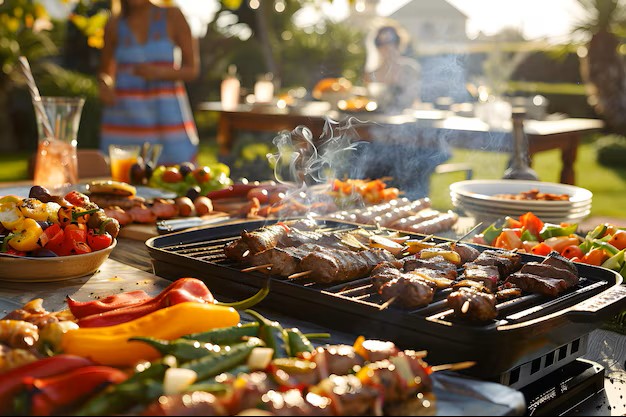
Why Meat Quantities Change Depending on the Event
One of the biggest mistakes people make when planning food is assuming every gathering works the same way.
But a rooftop BBQ, formal dinner, hotpot night, and family gathering all create completely different eating patterns.
Some events encourage grazing for hours. Others focus on smaller plated portions. Alcohol, side dishes, cooking style, and event length all affect how much meat people actually eat.
Different gatherings change how people eat, which is why standard portion rules do not always apply.
Understanding these differences makes portion planning far easier — and helps avoid both under-ordering and unnecessary waste.
Casual BBQs
BBQs almost always require more food than people expect.
Guests tend to:
- graze continuously
- drink more
- sample multiple proteins
- return to the grill throughout the event
Shared BBQ platters work especially well for casual gatherings because guests can sample multiple proteins throughout the event.
Lighter BBQ side dishes also help balance richer meats and make grazing-style meals feel less heavy over long events.
Recommended Quantity
350–450g (12–16oz) per adult
For longer BBQs or heavy eaters, quantities may need to go even higher.
Best Approach
Include:
- quick-cook items like sausages, wings, or burgers
- one larger “hero” cut like brisket, ribeye, or pork shoulder
Larger BBQ cuts also require careful planning because cooking shrinkage can significantly reduce final edible portions.
At BBQs, variety often matters more than perfect portion precision
Large bone-in cuts create great presentation but also reduce edible yield.
Formal Dinners
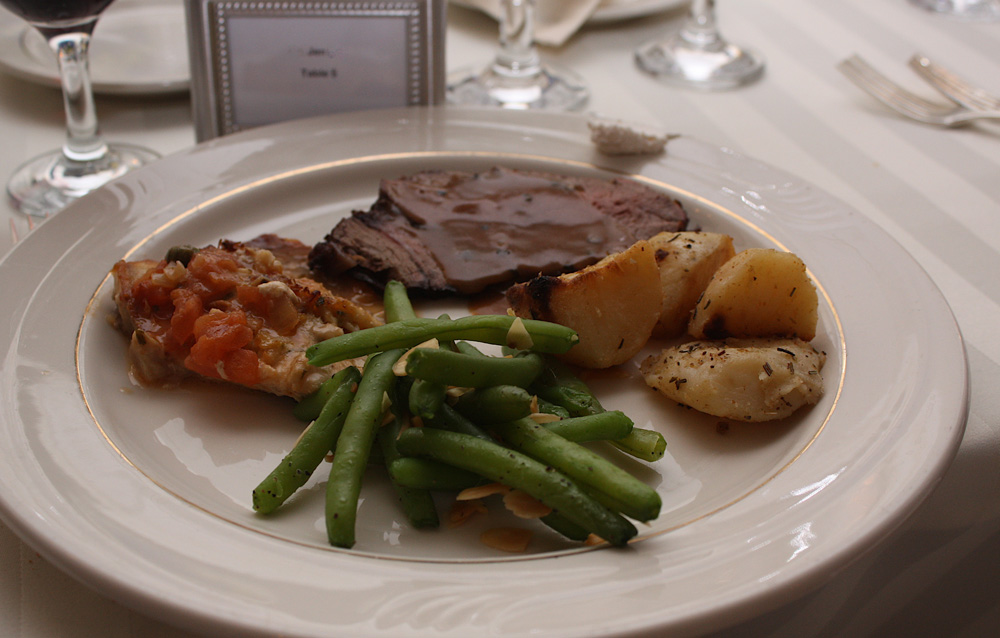
Formal dinners usually require less meat because the meal structure is more controlled.
Guests typically receive:
- plated portions
- multiple courses
- side dishes
- desserts
This naturally reduces overall meat consumption.
Recommended Quantity
250–300g (9–10oz) per person
Best Approach
Choose premium cuts with strong presentation value:
- tenderloin
- ribeye
- lamb rack
- duck breast
Smaller portions feel more satisfying when the quality is high and the meal is balanced properly.
Buffet-Style Events
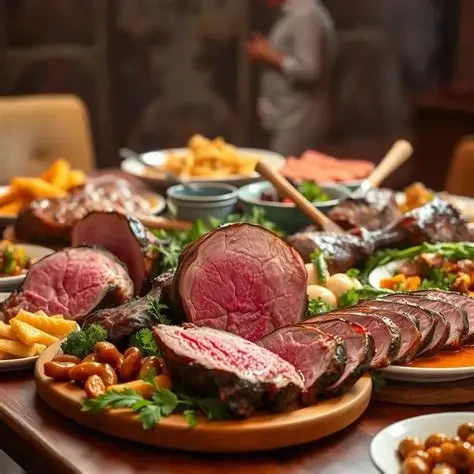
Buffets change eating behaviour because guests sample multiple dishes instead of committing to one large serving.
As variety increases, individual meat portions can usually decrease.
Recommended Quantity
200–250g (7–9oz) per person across all proteins
Best Approach
Offer:
- multiple proteins
- sliced or bite-sized portions
- easy self-service items
Thin slicing and simple presentation make buffet service much more efficient.
Family Gatherings
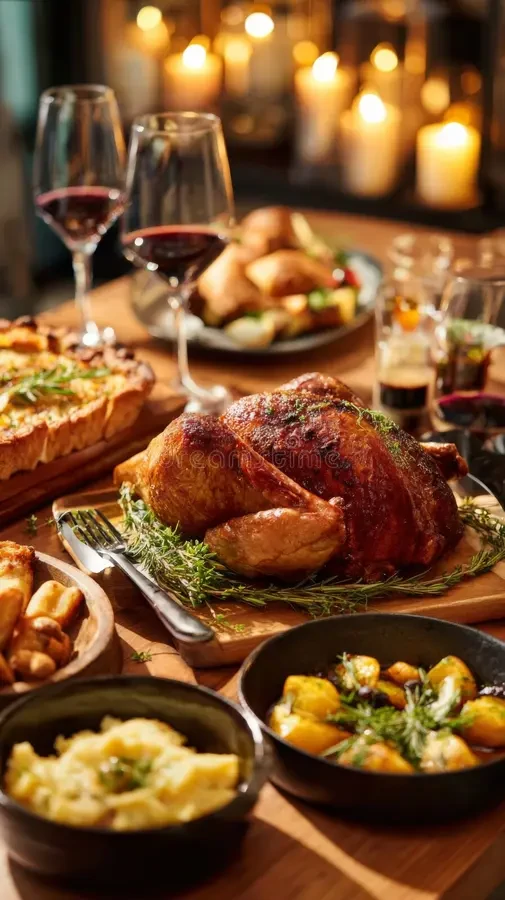
Family meals tend to focus less on precision and more on comfort, abundance, and sharing.
In many family-style meals, simple side dishes often become just as memorable as the meat itself.
Leftovers are often expected — and sometimes preferred.
Family-style meals also work especially well with versatile cuts that can be reused across multiple meals later in the week.
Recommended Quantity
300–350g (10–12oz) per adult
Best Approach
Choose cuts that:
- hold well over time
- reheat easily
- encourage sharing
Examples:
- roasts
- pulled pork
- brisket
- roast chicken
- slow-cooked dishes
Slow-cooked meats lose significantly more weight during cooking than steaks or quick-grill items.
Corporate or Large-Scale Events
Large events prioritize:
- consistency
- presentation
- ease of service
- predictable portions
Guests also tend to eat more conservatively in professional settings.
Recommended Quantity
200–250g (7–9oz) per person
Best Approach
Use:
- pre-portioned servings
- carving stations
- sliced meats
- easy-to-manage presentation formats
Simple service almost always works better than excessive variety.
Hotpot Nights
Hotpot usually requires more meat than people expect because thin slices cook quickly and guests eat continuously throughout the meal.
Recommended Quantity
300–500g per adult
Thin-sliced beef, pork, seafood, and meatballs disappear surprisingly quickly during longer hotpot meals.
The Two Factors People Forget Most
Two things dramatically increase meat consumption:
- alcohol
- long event duration
A 2-hour dinner party is very different from a 6-hour rooftop BBQ where guests continue snacking throughout the evening.
If alcohol is heavily involved, it is usually safer to slightly overestimate quantities — especially for easy-to-eat items like wings, sausages, skewers, and sliced beef.
Practical Takeaway
Different events create different eating habits.
The best meat planning is not just about headcount — it’s about:
- event style
- cooking method
- side dishes
- alcohol
- grazing behaviour
- how long people will be eating
Once you understand how guests actually eat, planning quantities becomes much easier and far more accurate.
→ Need help choosing the right cuts and quantities for your next BBQ, dinner party, or hotpot night? Message us on WhatsApp.


