
Weekly Meal Planning: Buying Smarter, Not More Often
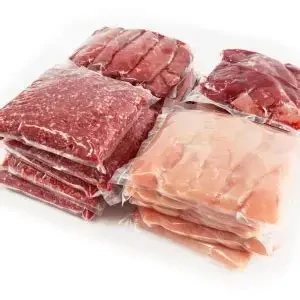
How to Plan a Week of Meals Without Overspending or Overbuying
Most people think weekly meal planning means buying a huge amount of meat on Sunday and hoping it lasts the week.
But in Hong Kong — where fridge and freezer space is limited — the smarter approach is to buy strategically, not excessively.
Weekly planning isn’t about stocking up. It’s about choosing versatile cuts, portioning correctly, and using your freezer efficiently so you cook more, waste less, and avoid unnecessary supermarket runs.
This guide shows you how to plan a full week of meals without overspending, overbuying, or overcrowding your fridge.
Why Weekly Meal Planning Works
Weekly planning helps you:
- Avoid last-minute supermarket runs
- Reduce food waste
- Stop buying random cuts you never use
- Portion meals more efficiently
- Save money over time
The biggest benefit? You always know what’s for dinner.
In Hong Kong, where many kitchens have limited prep space and compact freezers, even small improvements in planning can make weekday cooking dramatically easier.
Step 1: Choose 3–4 “Anchor Proteins” for the Week
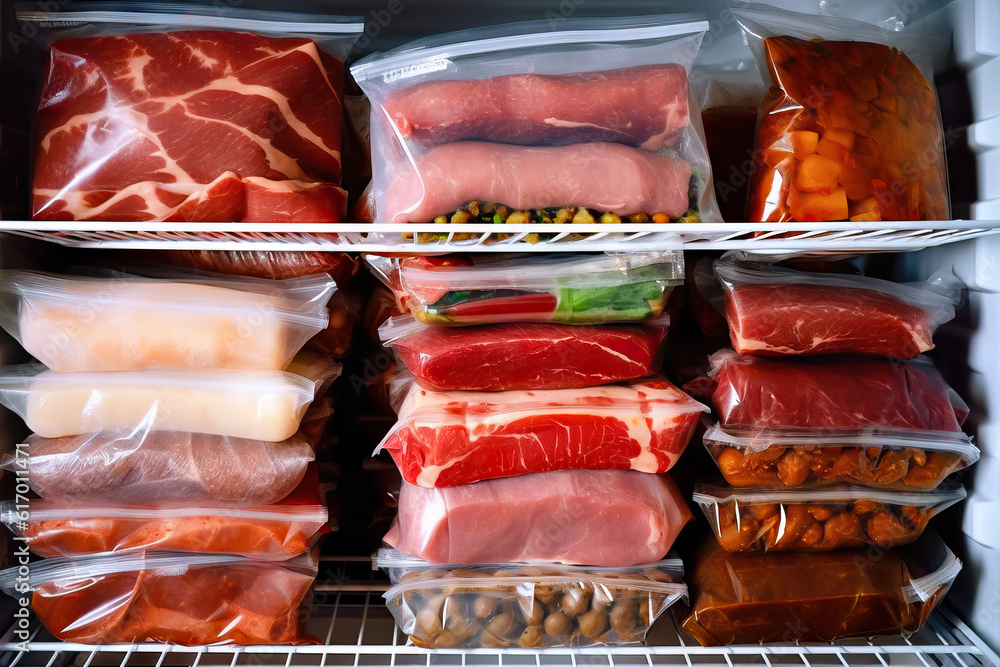
Instead of buying seven different meats, choose three or four versatile proteins that can be used across multiple meals.
Examples
- Chicken thighs → roast, stir-fry, curry
- Minced beef → burgers, pasta, rice bowls
- Pork shoulder → slow-cook, shred, fried rice
- Beef brisket → stew, noodles, tacos
This approach reduces cost, simplifies cooking, and makes freezer storage much easier.
Step 2: Use Your Freezer as a Planning Tool
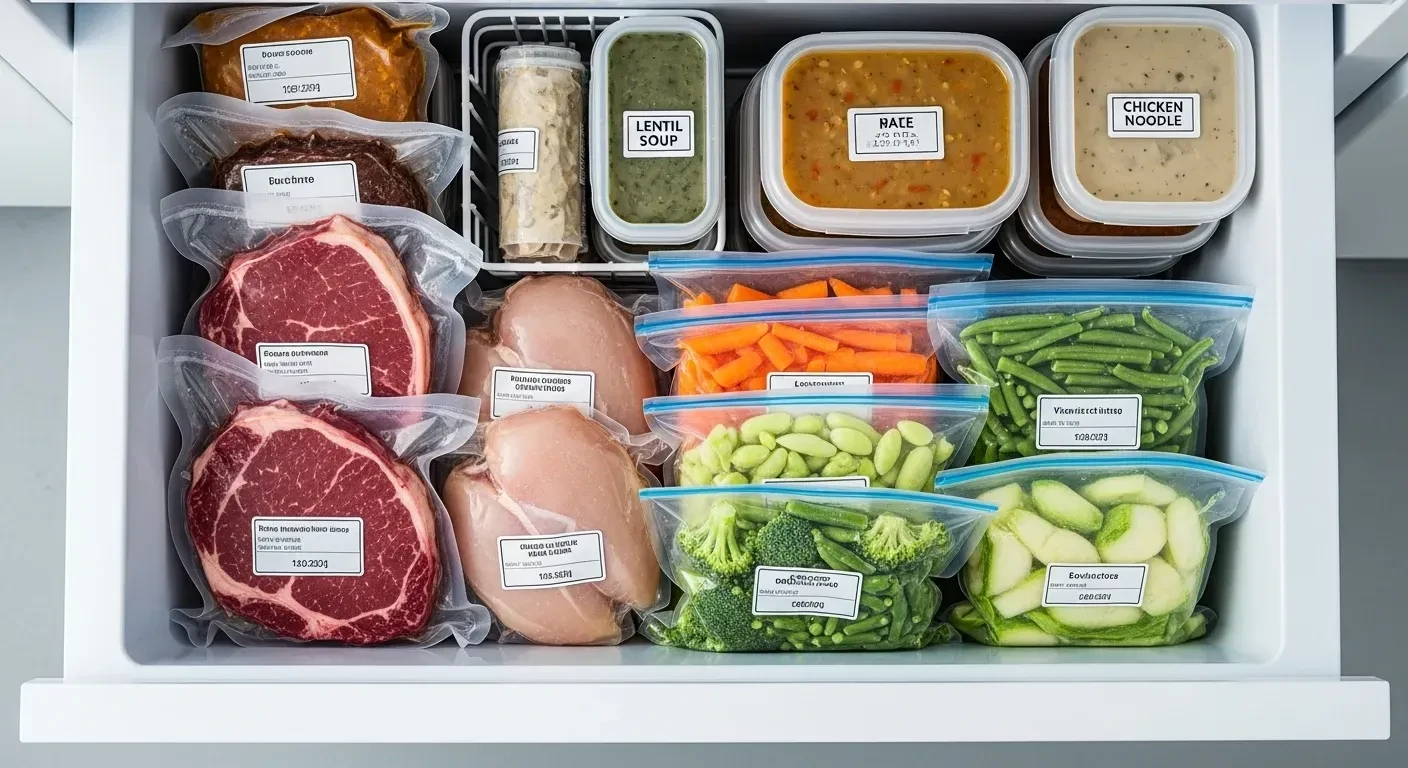
Many people treat the freezer as long-term storage instead of using it as an active meal-planning tool.
Used properly, your freezer becomes one of the easiest ways to reduce waste and simplify weekday cooking.
Freeze in meal-sized portions
- 300–350g for 1–2 people
- 600–700g for families
Label everything clearly
Include:
- cut name
- date
- portion size or weight
Why this matters
- You only defrost what you need
- You reduce waste
- You avoid overbuying
- Weeknight cooking becomes much faster
Step 3: Buy Cuts That Work Across Multiple Meals
Some cuts are single-use products. Others are versatile “workhorse” cuts that stretch across multiple meals and cuisines.
Best cuts for weekly planning
- Chicken thighs
- Minced beef
- Pork shoulder
- Beef brisket
- Tenderloin tips
- Chicken wings
These cuts:
- reheat well
- portion easily
- freeze efficiently
- work across many different recipes
Cuts better suited for occasional meals
- Tomahawk steaks
- Large roasts
- Single-purpose premium steaks
These are excellent for entertaining or special occasions, but less practical for everyday weekly planning.
Some cuts freeze, portion, and reheat far better than others, making them ideal for long-term weekly planning.
Step 4: Plan Meals Based on Yield, Not Raw Weight
This is where many people make mistakes.
They plan meals based on the raw weight they purchase — not the cooked edible weight they actually serve.
Example
A 1.25kg bone-in ribeye may yield only around 800g of cooked edible meat once:
- the bone is removed
- fat renders
- moisture is lost during cooking
This is why good meal planning should always be based on edible yield, not just the number printed on the label.
Large cuts can lose a significant amount of weight during cooking, especially slow-cooked products like brisket or pork shoulder.
Understanding edible yield becomes even more important when calculating realistic portion sizes for multiple meals.
Step 5: Build a Simple Weekly Structure
Meal planning becomes much easier when your week follows a loose, repeatable structure.
Example Weekly Structure
Monday → Leftovers or quick meals
Use leftovers from larger weekend meals, or simple dishes like stir-fries, mince, or chicken thighs.
Tuesday → Batch-cooked meals or freezer portions
Good for reheating soups, curries, pulled pork, or pasta sauces prepared earlier.
Wednesday → Fresh protein night
Fish, chicken breast, or lighter midweek meals work well here.
Thursday → Slow-cooked or oven meal
A good night for brisket, pork shoulder, trays, or braised dishes.
Friday → Burgers, wings, or BBQ-style dinner
Easy, relaxed meals before the weekend.
Weekend → Larger cuts or shared meals
Perfect for roasts, BBQs, hotpot, or meals designed to create leftovers for the following week.
This keeps meals varied without needing seven different proteins in your fridge at once.
Weekend meals are often a good opportunity for mixed grills or casual BBQ-style dinners using several different cuts.
Step 6: Use “Cook Once, Eat Twice” Meals
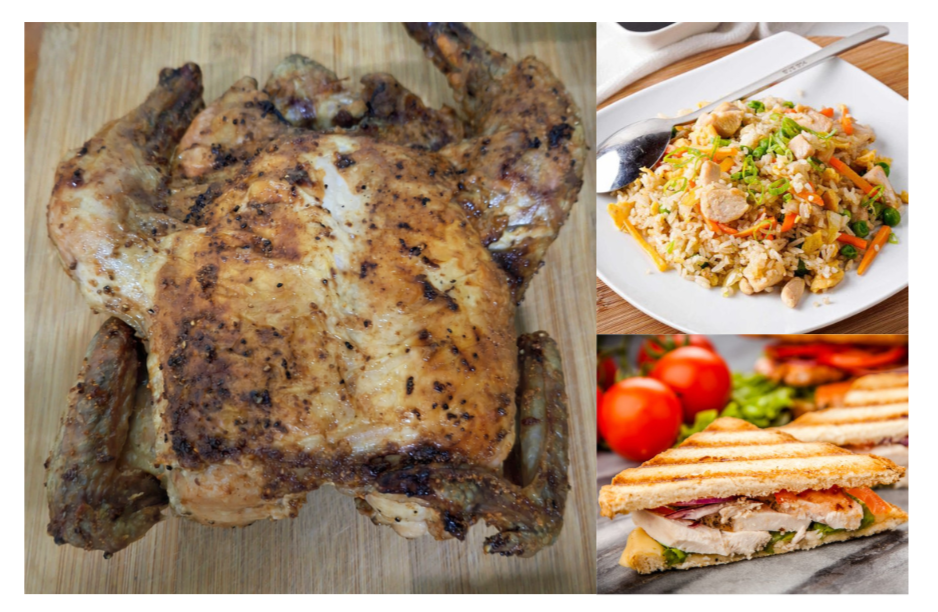
One of the smartest weekly planning strategies is building meals that naturally create leftovers for another dish.
Examples
- Roast chicken → rice bowls → sandwiches
- Beef brisket → noodles → tacos
- Pork shoulder → pulled pork → fried rice
Slow-cooked cuts are especially useful for batch cooking because they reheat extremely well across multiple meals.
- Minced beef → pasta → stuffed peppers
You cook once, but get multiple meals with minimal extra effort. It also helps reduce ingredient waste because proteins are fully used across several meals instead of forgotten at the back of the fridge.
This reduces cooking time, lowers food waste, and makes busy weekdays much easier.
Step 7: Buy Smarter, Not More
Buying in bulk only saves money when you actually use the food properly.
Buy in bulk when:
- You have freezer space
- You portion immediately
- You already know how you’ll use it
Avoid bulk buying when:
- You’re guessing
- You don’t have a meal plan
- You’re buying “just in case”
Smart weekly planning is about intentional buying — not simply buying more.
Example: A Smart Weekly Meat Plan

Example Weekly Plan (2–3 People)
- 1kg chicken thighs → 2 meals
- 600g minced beef → 2 meals
- 1kg pork shoulder → 2–3 meals
- 400g fish fillets → 1 meal
Total:
Approximately 3–3.2kg for the week
Many households buy 5–6kg simply because they overestimate portions and don’t plan meals properly.
Practical Takeaway
Weekly meal planning isn’t about buying more meat — it’s about buying the right cuts in the right quantities and using them efficiently.
When you plan around:
- versatility
- edible yield
- portioning
- freezer space
you:
- save money
- reduce waste
- cook more efficiently
- shop less often
- make everyday meals easier
That’s the difference between simply buying more meat — and planning meals properly.
Need help choosing the best cuts for weekly meal planning or freezer storage? Message us on WhatsApp for personalised recommendations.


