
Bone‑In vs Boneless: Why Weight Can Be Misleading
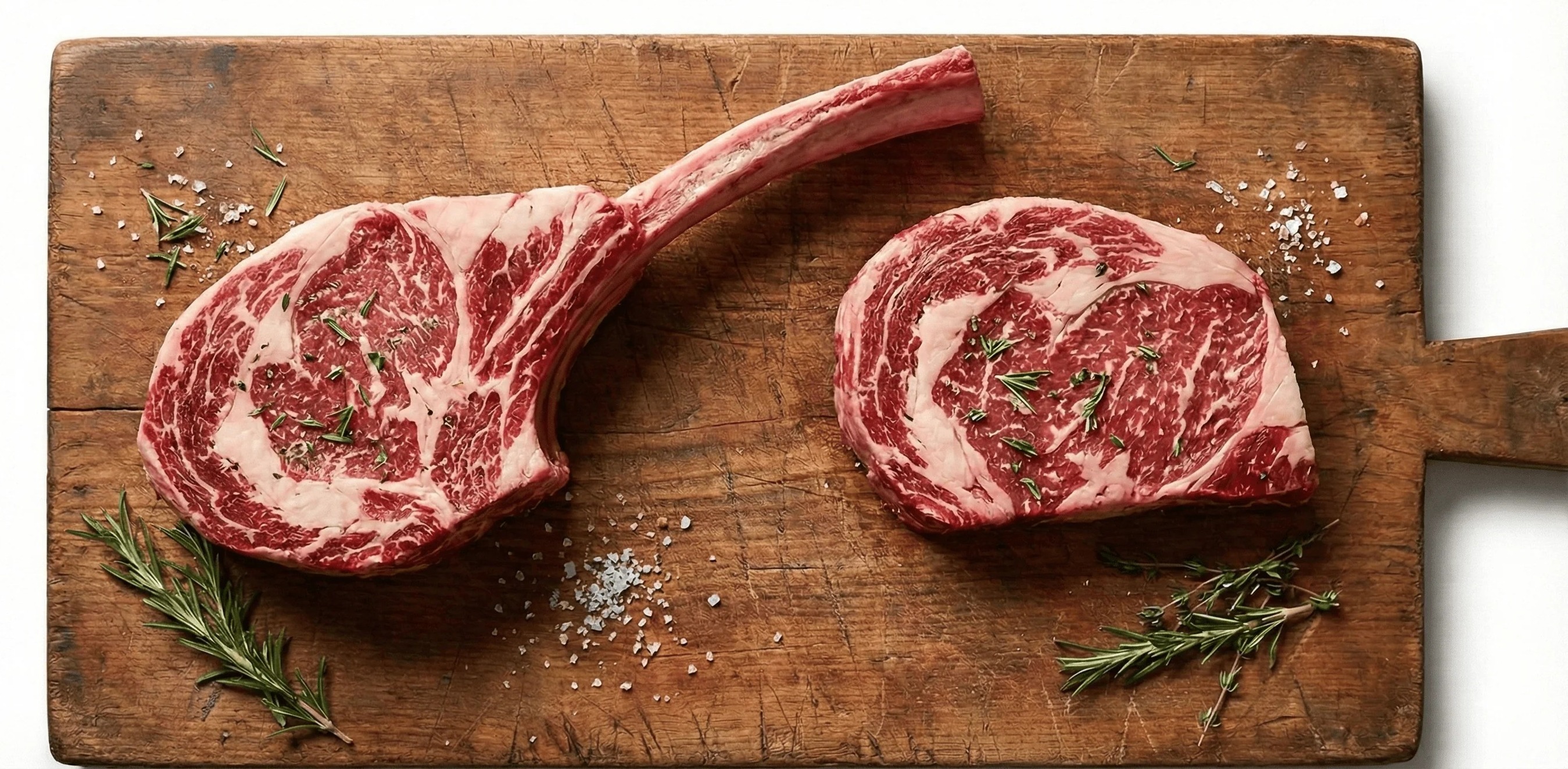
Understanding the Difference Between “Big Cuts” and Edible Portions
Large bone-in steaks and racks of ribs often look like better value because they appear bigger and heavier.
But bones add flavour and presentation — not edible meat.
This guide explains how bone weight affects:
- yield
- pricing
- portion planning
- cooking expectations
so you can compare cuts properly and order with confidence.
Why Bone Weight Matters
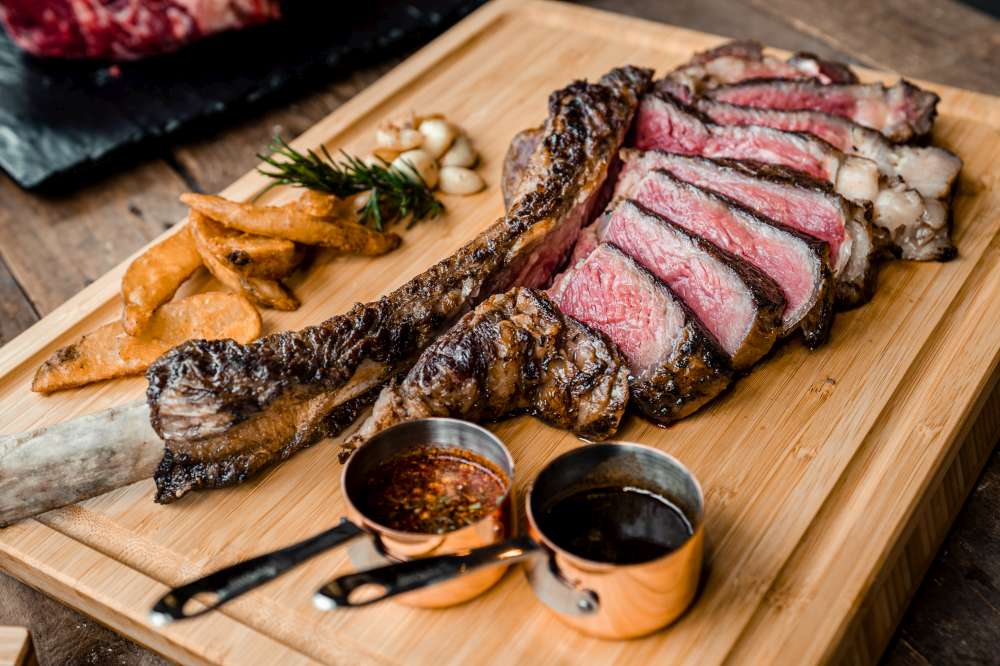
Bones add weight and visual impact, but they also reduce the amount of edible meat you actually receive.
A 1.25kg bone-in ribeye does not provide 1.25kg of steak. After bone removal and cooking loss, the final edible portion is usually closer to 700–800g.
This is why bone-in vs boneless pricing can feel confusing at first.
You are not simply paying for raw weight — you are paying for usable yield, flavour, preparation, and overall eating experience.
Typical Bone and Trim Loss (Based on 1kg raw Weight)
| Cut | Approximate Bone/Trim Loss | Estimated Usable Meat (Before Cooking) |
|---|---|---|
| Bone‑In Ribeye | 20–30 % | 700–800g per kg |
| Tomahawk Steak | 25–35 % | 650–750g per kg |
| Lamb Rack | 20–30 % | 700–800g per kg |
| Beef Short Ribs | 30–40 % | 600–700g per |
A Real Example: 1-Bone 1.25kg Ribeye
Let’s use a real-world example.
Starting Weight
1.25kg bone-in ribeye
Approximate Bone Weight
250g
Remaining Raw Meat
Approximately 1kg
Cooking Shrinkage
Around 20%
Cooking loss also plays a major role in final edible yield, especially for larger steaks and BBQ cuts.
Final Cooked Yield
Approximately 800g of cooked edible meat
What This Means in Practice
That final yield comfortably feeds:
- 2 people steakhouse-style
- 3 people with sides or shared dishes
So while the cut appears very large, the edible portion is much closer to a 1kg boneless ribeye than most people expect.
Understanding edible yield makes portion planning far more accurate for BBQs and group meals.
Why Bone‑In Cuts Are Still Worth It
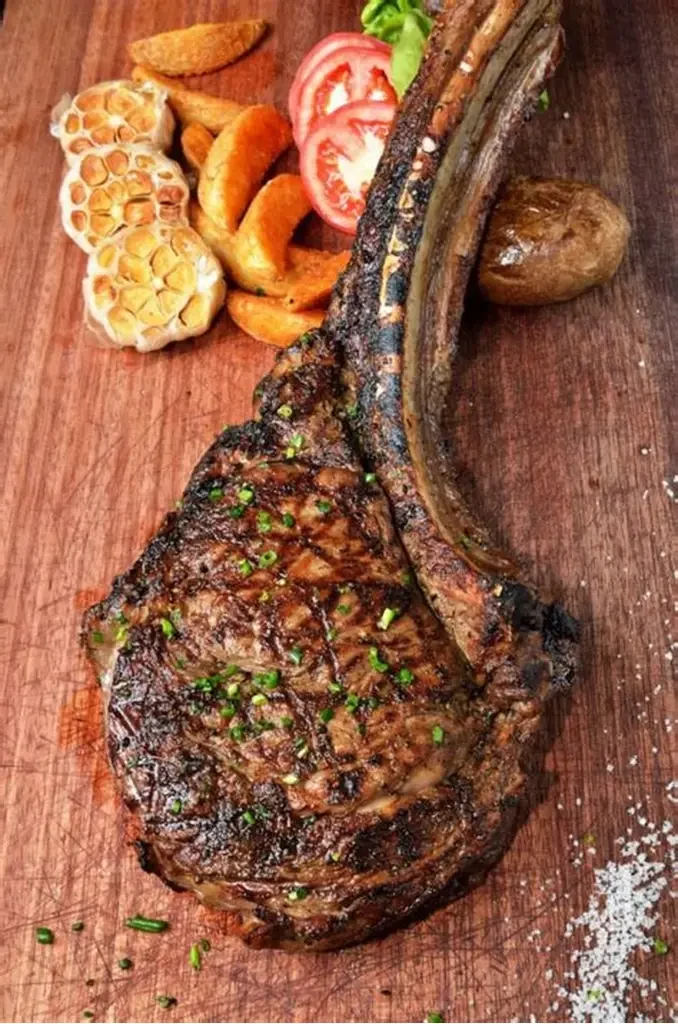
Bone-in cuts are not just about appearance.
They also improve:
- flavour
- moisture retention
- cooking performance
- presentation
Bones help slow heat transfer during cooking, while marrow and connective tissue contribute additional richness and texture.
Slow cooking and lower-temperature cooking methods often help maximize flavour and tenderness in bone-in cuts.
That’s why bone-in cuts are especially popular for:
- BBQs
- reverse-searing
- roasting
- special occasions
You lose some yield — but gain flavour and eating experience.
Large bone-in cuts are especially popular for shared BBQ platters and centerpiece-style meals.
Why Boneless Cuts Cost More per kg
Many pricing misunderstandings happen because customers compare raw weight instead of usable meat yield.
Boneless meat often costs more per kilogram because:
- it has already been trimmed and cleaned
- the yield is almost entirely edible
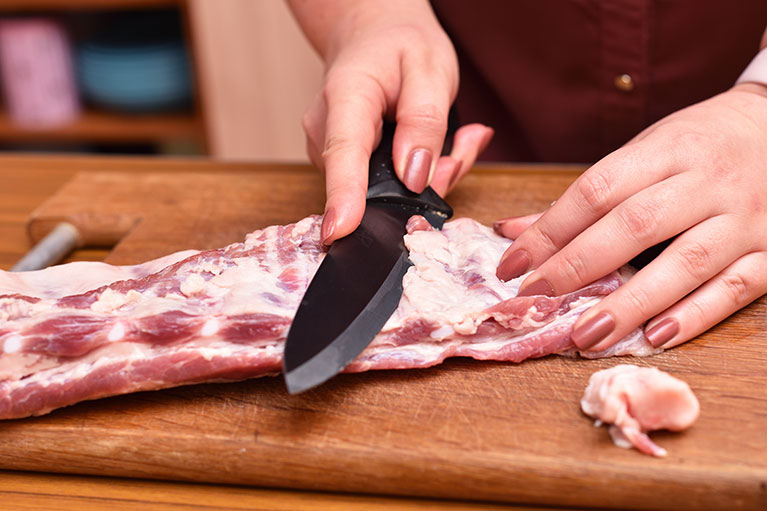
- extra labour is required to remove bones and silverskin
- portions are more consistent and ready to cook
So while the package may look smaller, you are paying for precision, preparation, and convenience.
How to Compare Fairly
When comparing prices, always ask:
-
Is it bone‑in or boneless?
-
What’s the yield after trimming?
-
How much will it shrink during cooking?
Once yield and cooking loss are considered, bone-in and boneless pricing becomes much easier to compare fairly.
Practical Takeaway
Bone-in cuts deliver flavour, texture, and presentation.
Boneless cuts deliver convenience, consistency, and predictable portions.
Neither option is automatically “better” — they simply suit different situations.
Once you understand edible yield, comparing prices and planning portions becomes much easier.
→ Need help choosing between bone-in and boneless cuts for your next BBQ or dinner? Message us on WhatsApp.


