
Why Australians Prefer Australian Beef (and Americans Prefer American) — And It's Not About Which Is Better
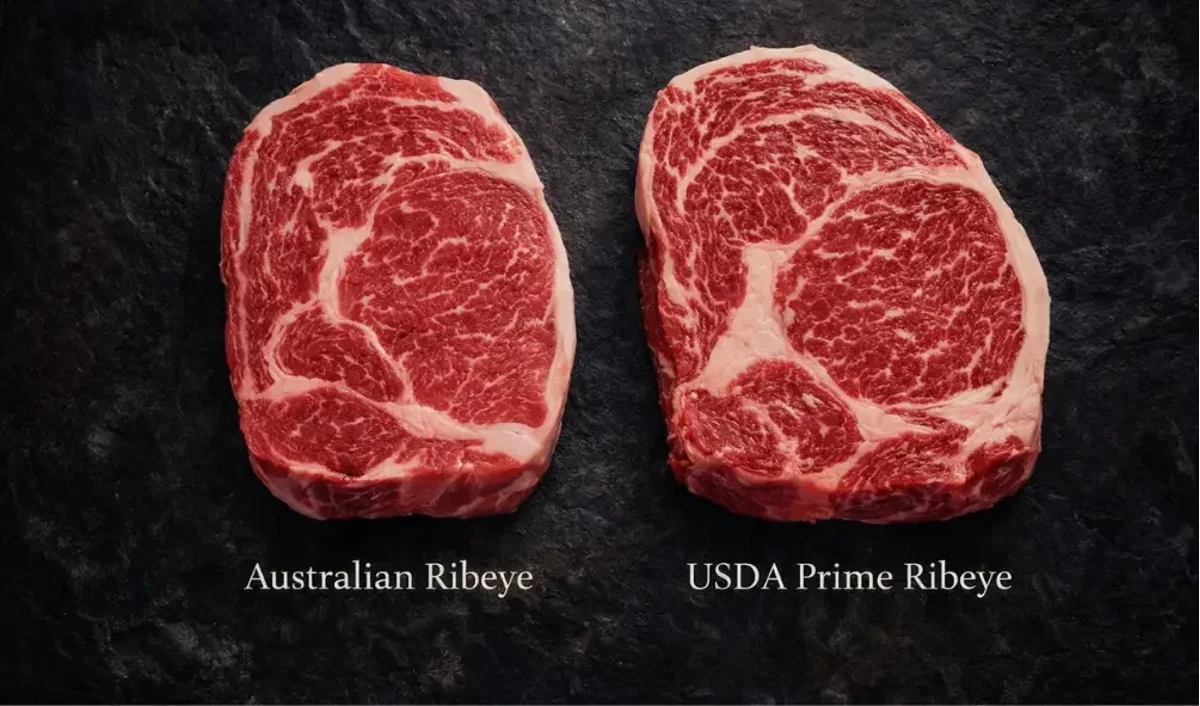
Why Australians Prefer Australian Beef (and Americans Prefer American) — And It's Not About Which Is Better
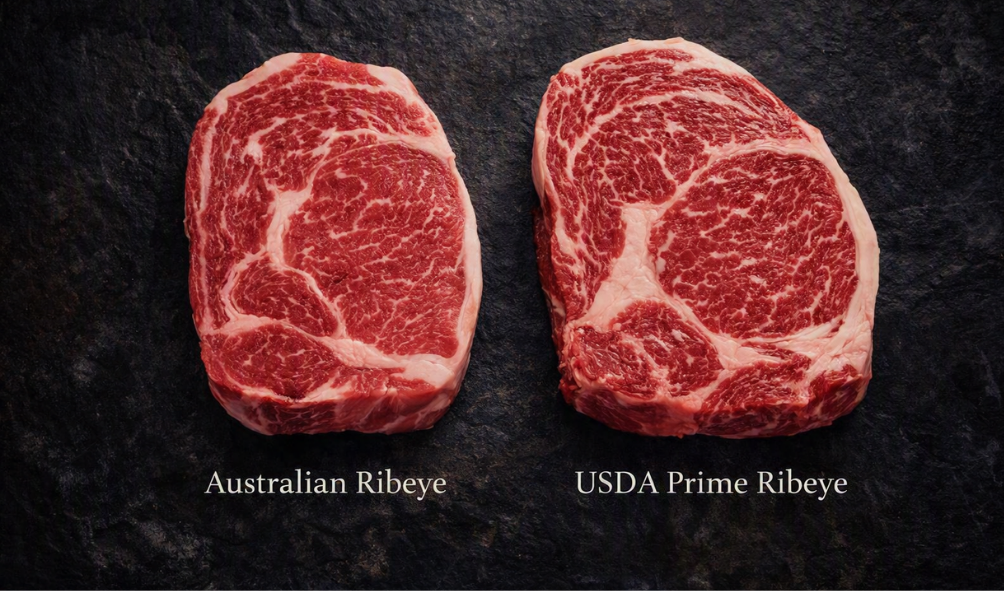
My Own Experience
I grew up eating Australian beef. It's what I knew, what I cooked with, and what my palate was built around. I first tried American beef on a trip to the US, then didn't have it again until I moved to Hong Kong years later. Hong Kong has a way of doing that - meat from every corner of the world ends up on the same shelf, at every price point and quality level, and you end up trying things you'd never have crossed paths with back home. When I finally tried American beef again here, I noticed something instantly - not that it was better or worse, just different. And my instinct was to reach for what felt familiar. That's not patriotism; it's calibration.
The Broader Pattern
This isn't just an Australia-versus-America thing. The same pattern plays out everywhere — British, Japanese, South African, Argentinian customers all lean toward what they grew up with. We're using Australia and America as the worked example because it's the one I can speak to firsthand, not because it's the only version of the story. It's a similar idea to why meat names don't always translate between countries — the label changes, but so does what people expect from it.
The Chocolate Comparison

Think of chocolate. British, American, and Australian chocolate use genuinely different sugar, cocoa, and milk ratios. People raised on one often find another "off," even though both are technically excellent. It's not about quality, it's about what your palate expects. That's the same mechanism at work with beef.
Beef — The Same Pattern, Different Mechanism
Australian beef is typically grass-fed. American beef is typically grain-fed. Neither is absolute — both countries produce both styles — but the dominant systems shape the flavour.
Grass-fed beef tends to have a cleaner, more mineral flavour and firmer texture. Grain-fed beef develops richer marbling and a buttery mouthfeel. It's not just about fat quantity; it's about fat character — the way the fat melts, coats the palate, and carries flavour. That's why the two taste distinctly different, not simply "leaner versus fattier." This is actually the same underlying principle we covered in why all fat isn't the same — the type of fat matters as much as how much of it there is.
Grading — Just Enough to Explain the Difference
This is about standard grass or grain-finished beef, not Wagyu, which is graded almost entirely on marbling under its own separate scoring systems in Australia and Japan — that's a different story for another day. For the beef most of us actually eat day to day, the grading systems reinforce this divergence. USDA grading focuses primarily on marbling: more marbling equals a higher grade. Australia's MSA system grades on predicted eating quality instead: tenderness, juiciness, and flavour, not just visible fat. So Australian beef isn't "lower graded" for being leaner — it's graded differently, by outcome rather than appearance. If you've ever wondered what marbling scores actually mean, or seen a label like M5 rump and wondered what it's telling you, those break it down in more detail.
Neither Is Better — Just Different Starting Points
It's the chocolate story again. Nobody's "right" about chocolate; they just have home-field advantage in their own palate. Same with beef. Australians prefer the flavour they grew up with — clean, savoury, grass-fed. Americans prefer the richness they know — buttery, grain-fed. Each is perfectly valid.
Practical Close — What I Stock and Why
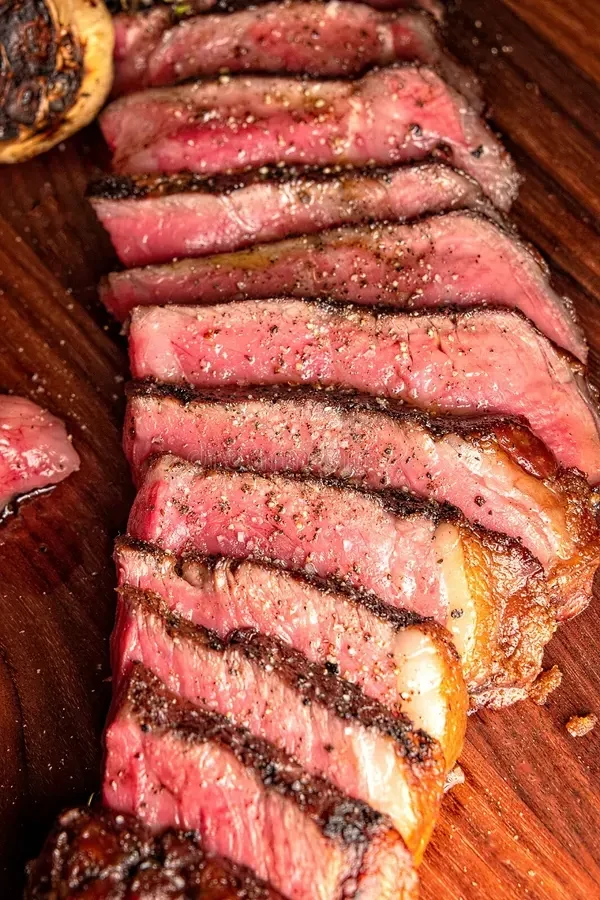
In my range, you'll find both. The majority of what I stock is Australian, but I also carry a regular selection of American beef — ribeye and sirloin in particular, both bone-in and boneless, along with short rib and rib fingers. I don't stock one instead of the other — I stock both so you can taste the difference for yourself.
Not sure how much to order once you've picked a side? Our Meat Planner will help you work out the right quantity. And if you're wondering whether the extra cost of a premium cut is actually worth it, we've broken that down in more detail in cheap vs expensive meat.
Try the "other" one with an open mind. You might not switch sides, but you'll understand why you prefer what you do — and that's the point. A Spanish friend once put it to me simply: there's no such thing as the best wine, only the best one for you. Beef isn't so different.



Thank you for posting your blog comment. It will be reviewed and set live soon. If you provided your email then you will be notified of replies to this comment.