
The Biggest Mistake People Make When Ordering Meat
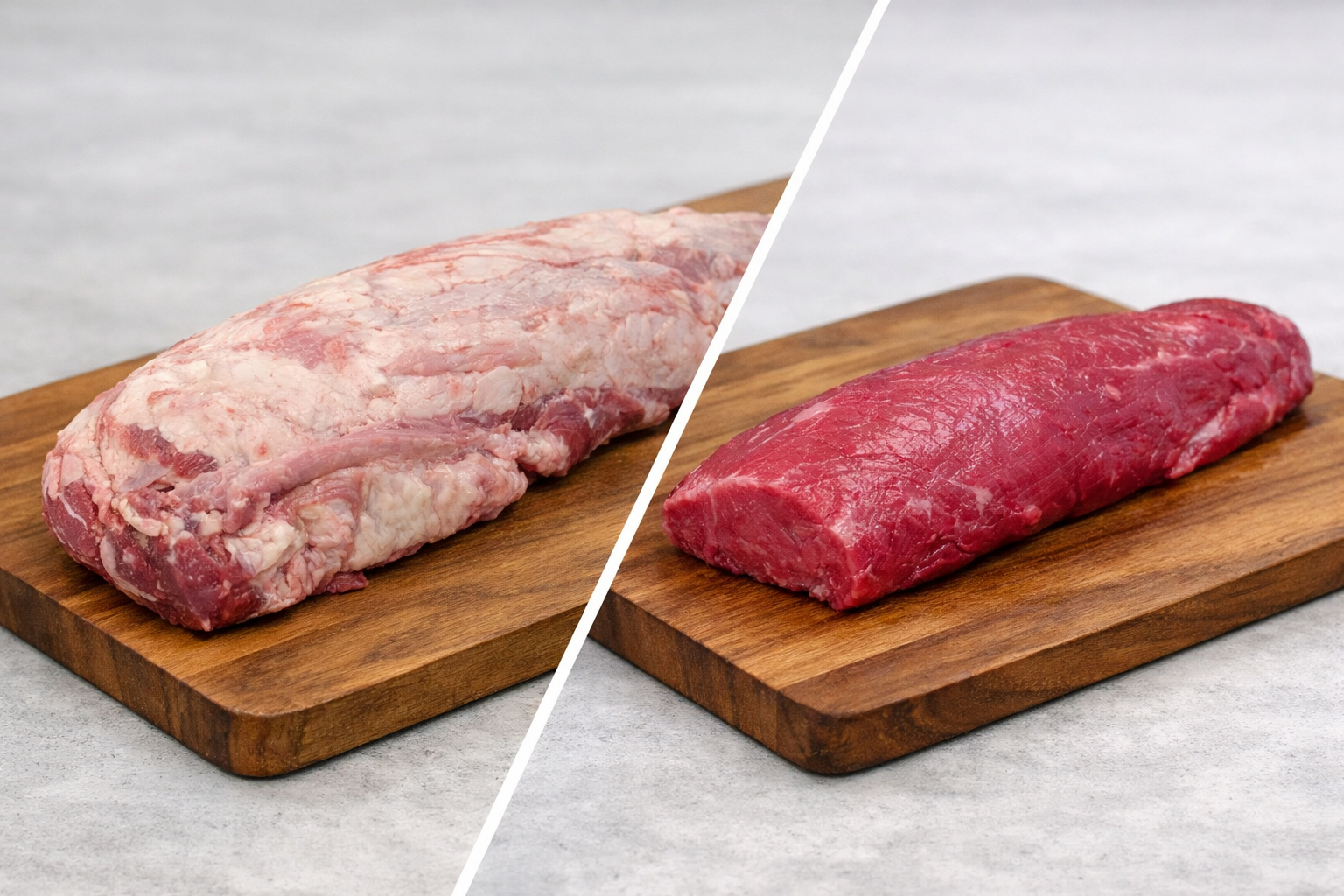
Most people assume ordering meat is as simple as choosing a cut and paying by weight. But the biggest mistake is assuming that what’s on the label is exactly what ends up on the plate.
In reality, meat is almost always sold “as‑is” — and that small phrase changes everything.
Understanding “As‑Is” Meat Sales
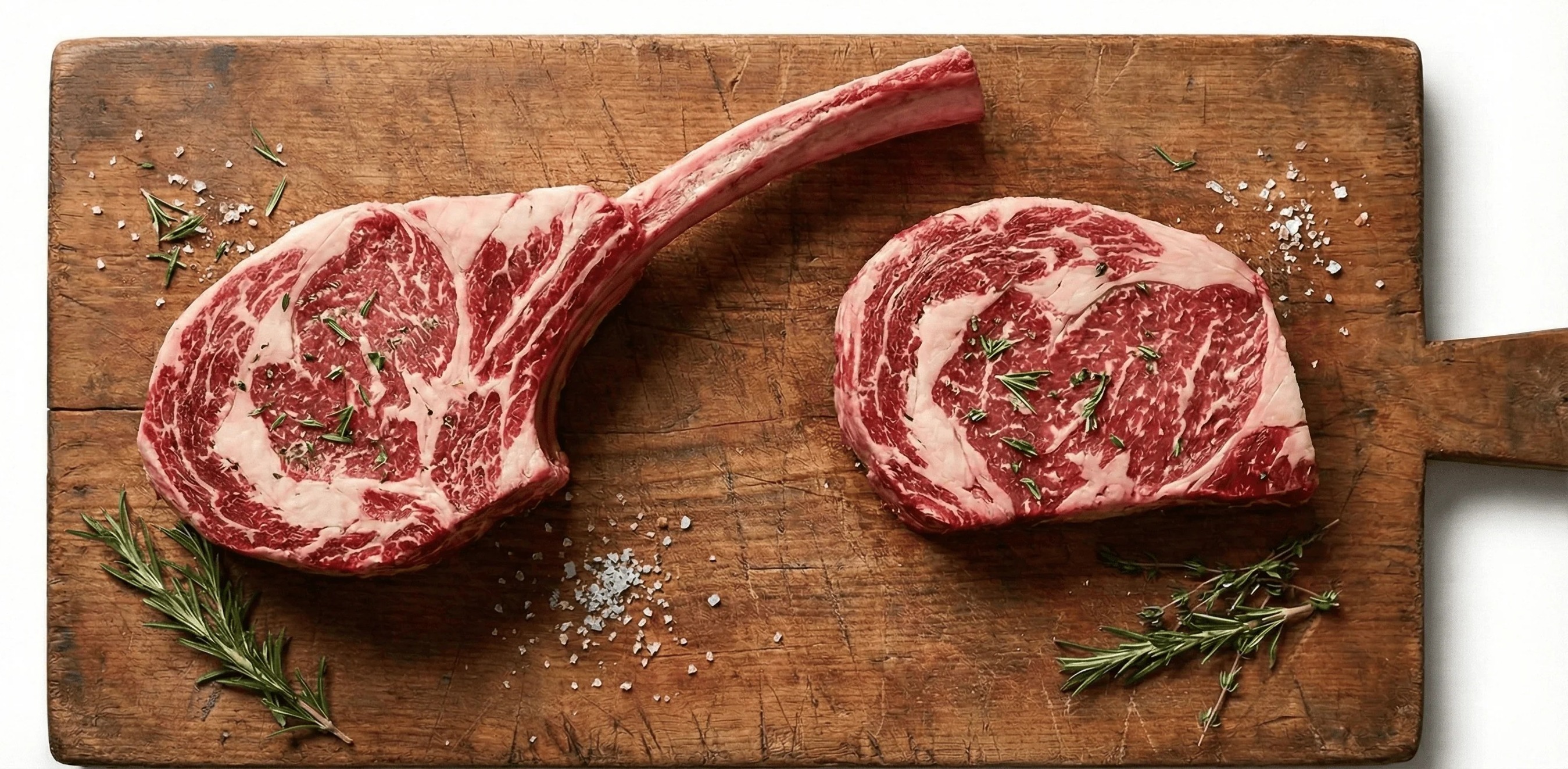
Most meat is sold in its raw, untrimmed form. This means bones, fat, silverskin, and connective tissue are often still included.
A butcher can trim or debone the meat for you, but that process changes both the final weight and the price.
For example, a 2kg bone-in ribeye might yield only around 1.5kg of usable steak once trimmed. This is one reason why the same cut can look very different depending on how it is prepared and sold.
The Butcher’s Role and Value
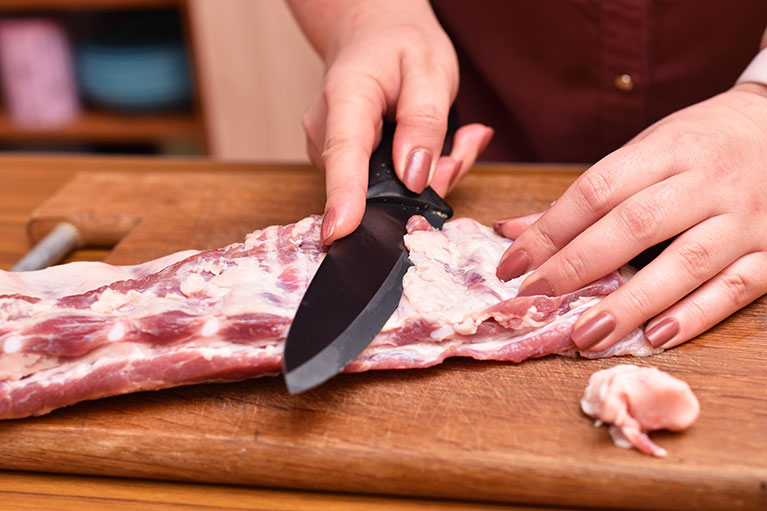
A skilled butcher doesn’t just cut meat — they prepare it for how you actually plan to cook.
They can:
- Trim excess fat for leaner cooking
Not all fat should be removed before cooking — timing matters depending on the cut and method.
→ Should you trim fat before or after cooking?
- Remove bones for easier portioning
- Cut steaks or roasts to precise thickness
Each adjustment requires time, skill, and experience. That’s why prepared or portioned meat costs more — not because it’s “extra markup,” but because it’s ready to cook with minimal waste.
At The Meat Guy HK, we often explain that trimming isn’t about adding cost — it’s about adding usable value.
Why Customers Misunderstand Pricing
Higher prices are often mistaken for markup, but trimming and deboning reduce the total sellable weight.
For example, a 5kg tenderloin may result in only 4kg of clean, usable meat. The missing kilogram isn’t profit — it’s waste removed during preparation.
This is why price-per-kg alone can be misleading when comparing different cuts or levels of preparation.
Price differences often reflect preparation, trimming, consistency, and usable yield — not just the cut itself.
→ Understand what you’re actually paying for when buying better meat
Sometimes buying untrimmed meat saves money if you’re willing to do the work. Other times, paying for preparation saves time and ensures better cooking results.
The Practical Takeaway
Before ordering, ask your butcher:
- Is it bone-in or boneless?
- Has it been trimmed or cleaned?
- What is the expected edible yield?
These simple questions help you compare options fairly and avoid confusion at checkout.
Most people think they’re paying for meat. In reality, they’re paying for yield.
Need help choosing the right cut or portion size? Message us on WhatsApp.


