
How Much Meat Per Person?
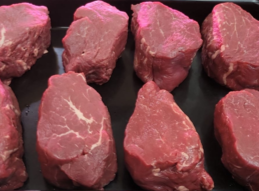
A Practical, Real‑World Guide for Hong Kong Kitchens, BBQs & Dinner Parties
One of the most common questions we get at The Meat Guy HK is simple on the surface: “How much meat should I order per person?”
But the honest answer is: it depends. Not because we want to be vague — but because the weight you buy is not the same as the weight you serve.
Different cuts lose different amounts during trimming and cooking. Bone‑in cuts behave differently from boneless ones. And Hong Kong’s small kitchens and small fridges mean you can’t just “buy extra” and hope for the best.
This guide breaks everything down clearly so you can order confidently for any meal or event.
Why Raw Weight ≠ Cooked Weight
Most people assume that 300g of raw meat equals 300g of food on the plate. But meat naturally loses weight through:
- Trimming (fat, silverskin, bones)
- Cooking shrinkage (water loss, fat rendering)
- Portioning (uneven ends, roast shaping, etc.)
This is why two people can buy “300g of meat” and end up with completely different amounts of edible food.
Understanding this is the key to ordering the right amount.
Different cooking methods can dramatically change final yield, especially for slow-cooked meats.
→ Learn how cooking shrinkage affects portion planning
Real Example: 1-Bone 1.25kg Bone-In Ribeye
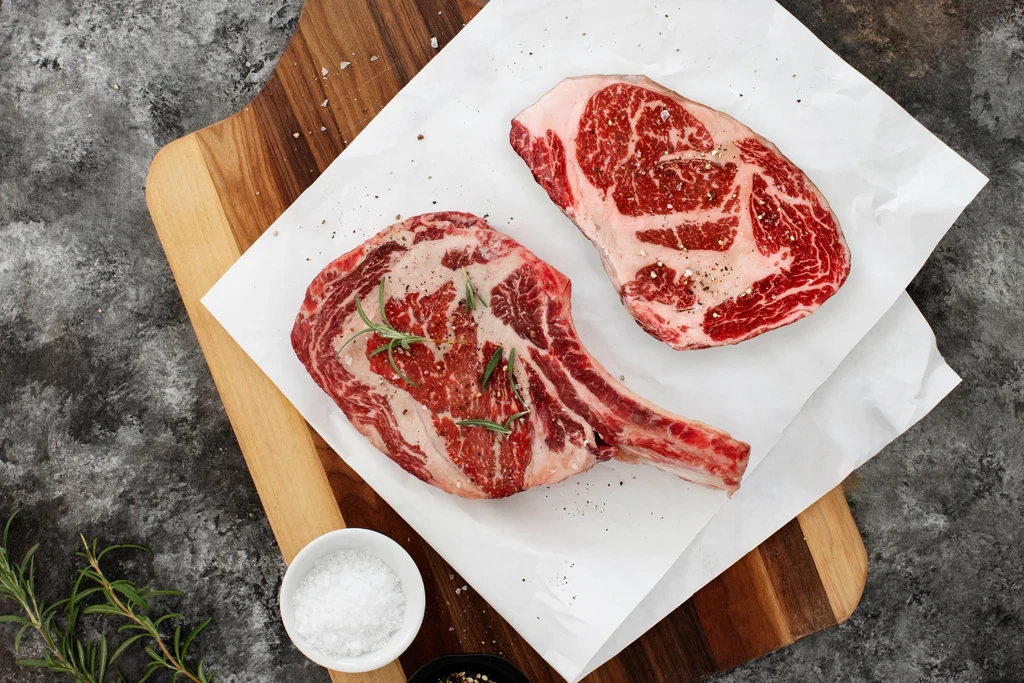
One of the easiest ways to understand meat yield is to look at a real example.
Let’s take a 1-bone 1.25kg bone-in ribeye — a cut many customers assume will provide 1.25kg of edible steak.
In reality, both the bone and cooking loss reduce the final amount you actually serve.
Bone-in cuts often look larger than they actually portion once cooking loss and bone weight are considered.
→ Understand the real yield difference between bone-in and boneless cuts
Step 1 — Raw Weight
1.25kg
Step 2 — Bone Weight
A rib bone typically weighs around 200–300g, depending on thickness.
Using 250g as a realistic average:
1.25kg – 0.25kg = 1.00kg edible raw meat
Step 3 — Cooking Shrinkage
Ribeye usually loses around 15–25% during cooking due to:
- rendered fat
- moisture loss
- resting loss
Using 20% as a realistic average:
1.00kg × 0.80 = 800g cooked edible meat
Final Yield
A 1.25kg bone-in ribeye typically produces around:
800g cooked edible steak
What This Means for Portions
With side dishes
Serves approximately 3 people
Steakhouse-style portions
Serves approximately 2 people
| Stage | Weight |
|---|---|
| Raw bone-in ribeye | 1.25kg |
| Minus bone | 1.00kg |
| After cooking loss | 800g |
Recommended Meat Per Person (By Meal Type)
Here’s the simple, practical guide — based on real‑world cooking, not theoretical numbers.
Steak Dinner
250–350g per adult (boneless)
- Thick steaks lose 10–20% during cooking
- Bigger eaters or no side dishes → aim for the higher end
- HK note: pan‑searing in small kitchens = slightly more shrinkage
Mixed BBQ
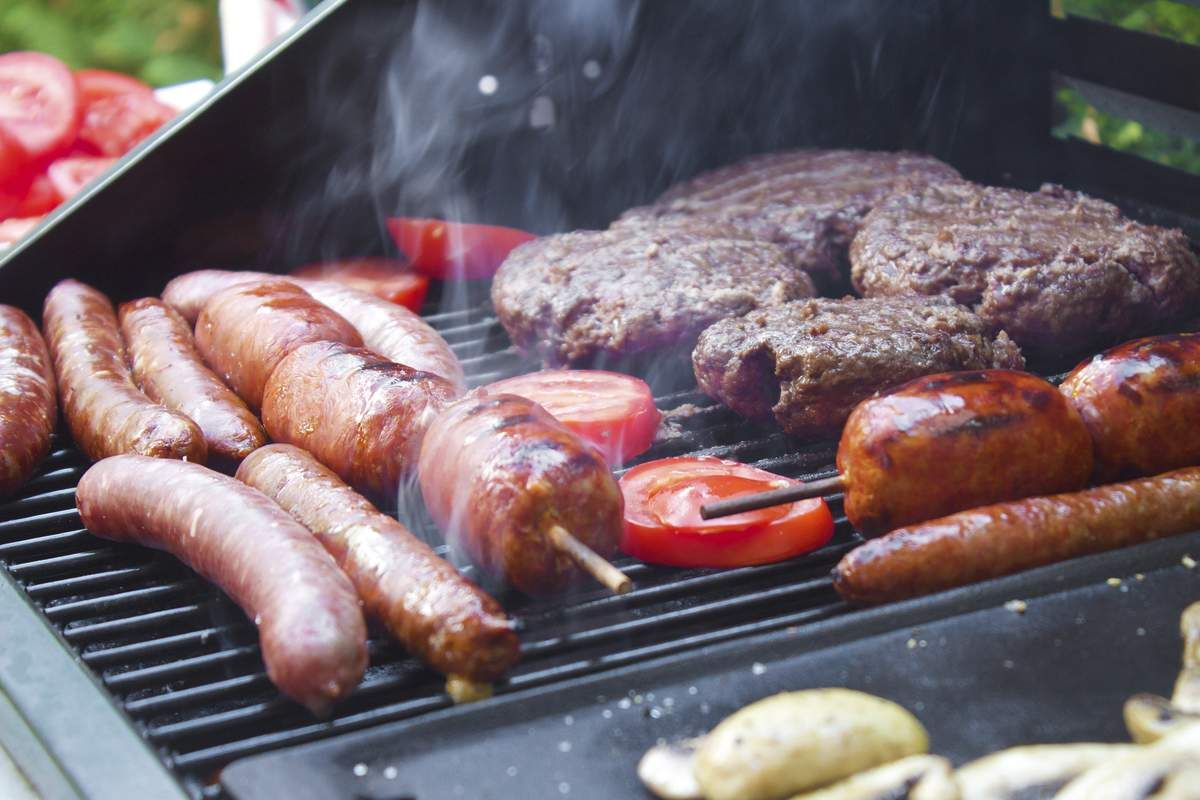
350–450g per adult
- People eat more when grazing over hours
- Multiple proteins = higher consumption
- Alcohol increases appetite
A mixed BBQ with multiple proteins usually requires more meat overall because guests tend to sample a little of everything rather than stick to one cut.
Choosing the right mix of proteins also helps balance variety, cooking time, and portion sizes.
→ See how to build a balanced BBQ meat selection
Korean BBQ / Hotpot
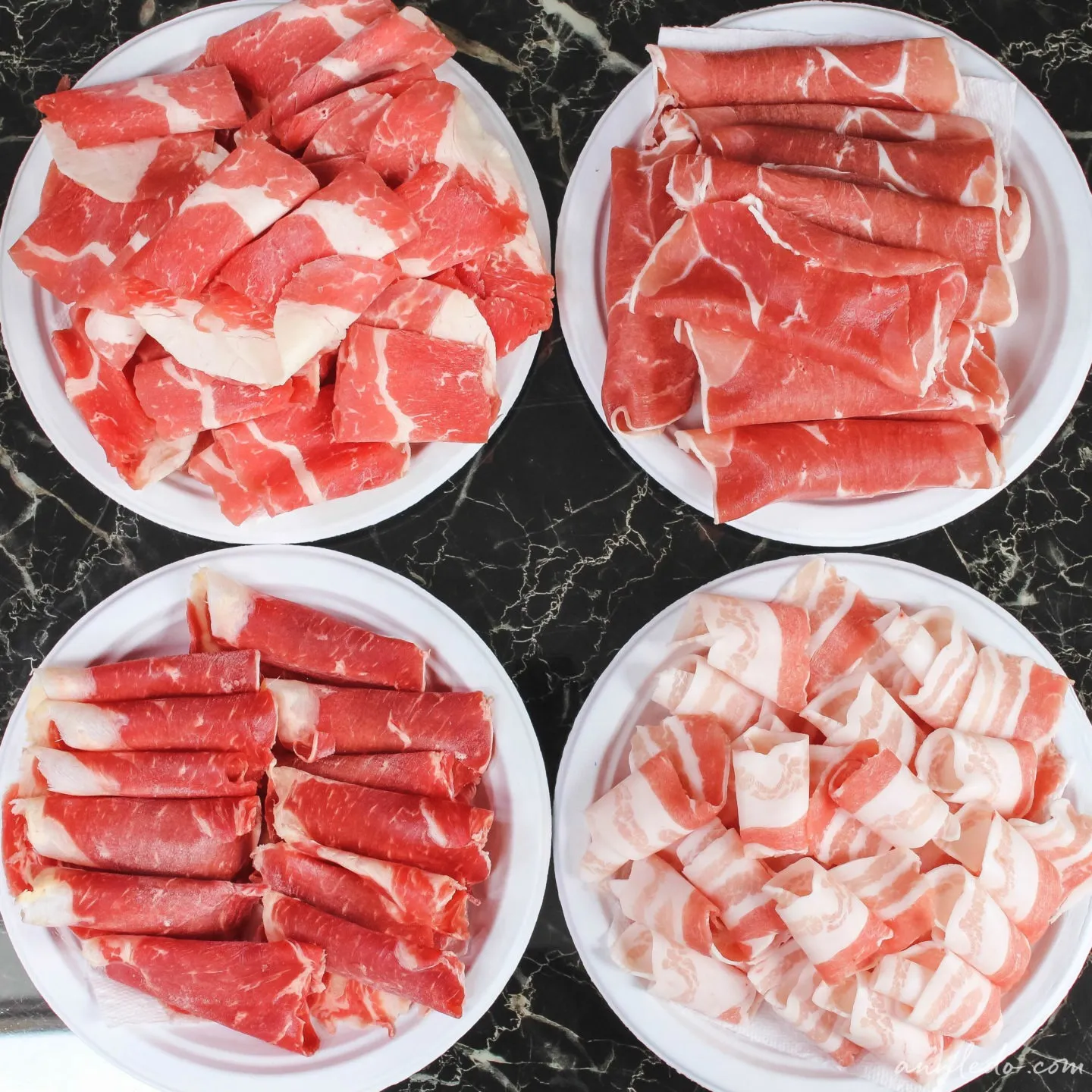
300–500g per adult
- Thin slices cook fast → people eat more
- Lots of variety encourages “just one more bite”
- Add 50–100g extra for heavy eaters
Hotpot-style dining naturally increases consumption because guests continue cooking and grazing throughout the meal.
→ See why hotpot portions are often larger than expected
Burgers
180–250g raw mince per patty
- Patties shrink 15–25%
- Double‑patty setups need 300–350g per person
Chicken Wings
400–600g per adult
- Bones add weight
- Wings shrink significantly when roasted or grilled
- People always eat more wings than expected
Fish Fillets
180–250g per adult
- Low shrinkage
- Light eaters may only need 150 g
Slow‑Cooked Beef or Pork (Brisket, Shoulder, Ribs)
250–350g cooked weight …but shrinkage is 30–50%, so you must buy more raw.
Example: A 3 kg brisket may yield only 1.8–2.1 kg cooked.
Slow-cooked meats lose more weight during cooking, but the long cooking time also creates the tenderness and flavour that make these cuts so popular.
→ See why slow cooking still matters in fast-paced cities
Bone‑In vs Boneless: Why It Changes Everything
Bone‑in cuts look big — but bones don’t feed people.
Typical bone/trim loss:
- Bone‑in ribeye: 20–30%
- Tomahawk: 25–35%
- Lamb rack: 20–30%
- Beef short ribs: 30–40%
This is why bone‑in cuts require higher raw weight per person.
Cooking Method Matters (A Lot)
High‑shrinkage methods
- Smoking
- Slow roasting
- Braising
- Long BBQ cooks
These can reduce weight by 30–50%.
Low‑shrinkage methods
- Sous vide
- Pan‑searing
- Quick grilling
- Steaming
These lose only 10–20%.
This is why brisket needs 350–450g per person raw, while a sous‑vide tenderloin needs far less.
Event Type Changes the Math
BBQs
People eat more because:
- It’s social
- It’s slow and continuous
- There’s variety
- There’s alcohol
Always plan 350–450g per adult.
Dinner Parties
People eat less because:
- There are sides
- There’s pacing
- There may be starters or dessert
250–300g per adult is usually enough.
Kids Parties
Kids eat less meat overall, but:
- They eat more wings, sausages, and nuggets
- They waste more
Plan 150–200g per child.
Hong Kong‑Specific Tip: Fridge & Freezer Space
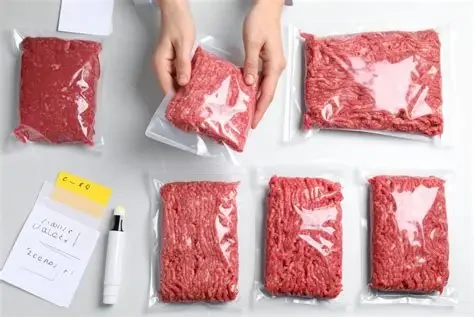
HK kitchens are small, so buying “extra just in case” often is not practical.
A better general rule:
Vacuum-packed meat stores far more efficiently than most people expect.
Flat-packed cuts like mince, chicken thighs, or steaks usually use only around 15–25% of a standard freezer drawer per kilogram, while bulkier bone-in cuts and whole chickens take up much more space.
Planning meals in advance becomes much easier when you keep versatile, freezer-friendly cuts portioned and ready to cook.
Practical Cheat Sheet (Highly Shareable)
- Steak dinner: 250–350g pp
- Mixed BBQ: 350–450g pp
- Korean BBQ / Hotpot: 300–500g pp
- Burgers: 180–250g pp
- Slow‑cooked meats: 250–350g cooked (buy more raw)
- Bone‑in cuts: add 20–30%
- High‑shrinkage cooks: add 30–50%
Conclusion: Better Planning Means Better Meals
There’s no perfect “one-size-fits-all” answer when it comes to meat portions.
The right amount depends on the cut, cooking method, event type, side dishes, appetite levels, and whether the meat is bone-in or boneless. But once you understand the basics of edible yield and cooking loss, planning becomes much easier and far more accurate.
Whether you’re organising a rooftop BBQ, family dinner, hotpot night, or weekly meal prep, estimating portions properly helps reduce waste, avoid running short, and make the entire experience less stressful.
If you’re ever unsure how much meat to order for your next meal or event, we’re always happy to help with practical recommendations based on what you’re actually cooking.
→ Need help planning meat quantities for your next meal or event? Message us on WhatsApp


