
Same Cut, Different Country — Why Meat Names Don't Always Translate
Same Cut, Different Country — Why Meat Names Don't Always Translate
When you move between countries, you expect the language to change. What you don't expect is for the meat counter to change with it.
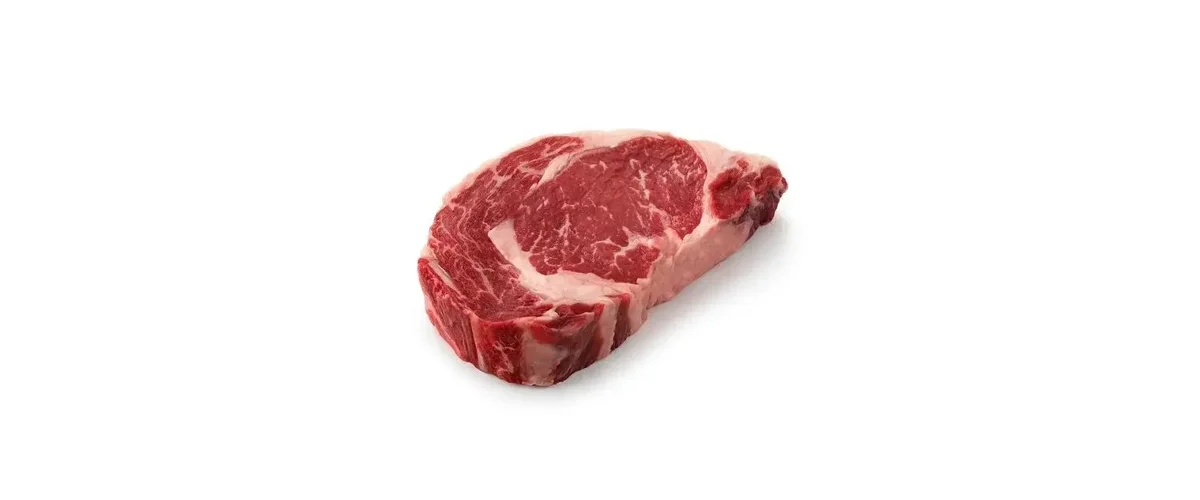
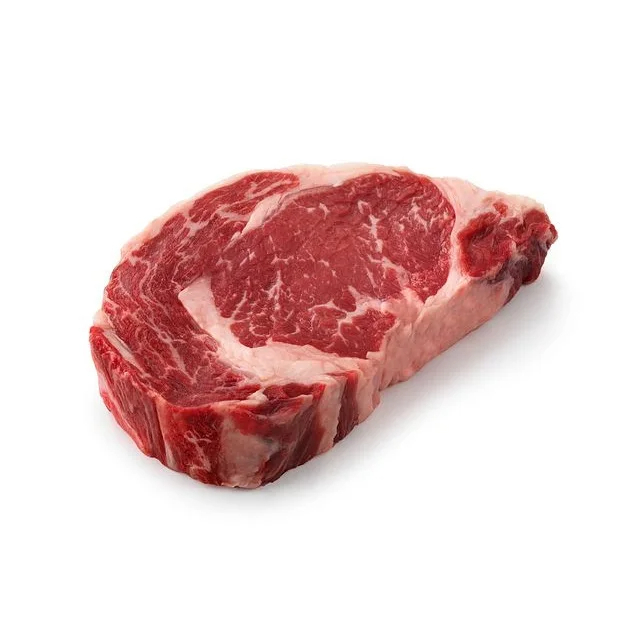
I grew up in Australia calling a ribeye a ribeye. My mother still calls it scotch fillet. Same household, same cut, two names. And when I moved to Hong Kong, I realised very quickly that the naming differences weren't just country‑to‑country — they were butcher‑to‑butcher, recipe‑to‑recipe, and sometimes person‑to‑person.
That's the real reason cut names confuse people. Not because they're complicated, but because they're inconsistent.
So rather than trying to memorise a global dictionary of meat terminology, it's more useful to understand a couple of examples — and then understand why the name itself matters far less than people think.
Example 1 — Scotch Fillet / Ribeye
This is the cleanest, most reliable example of naming variation.
In Australia, you'll hear both scotch fillet and ribeye. In the UK, it's almost always ribeye. In the US, ribeye usually means boneless — if you want the bone left in, you ask for a "bone‑in ribeye" or a "cowboy steak."
The muscle is the same. The eating experience is the same. The cooking method is the same. The only meaningful distinction some butchers draw is bone‑in versus boneless — and even that isn't applied consistently everywhere.
This is the perfect illustration of the problem: the name changes, but the cut doesn't. Take a look at our scotch fillet if you want to see exactly what we're talking about.
Example 2 — Tenderloin / Eye Fillet / Filet Mignon
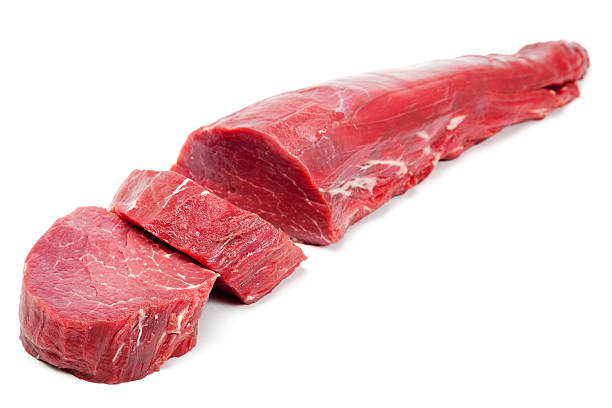
The tenderloin is another cut with multiple names that all refer to the same thing.
- Tenderloin — the whole muscle
- Eye Fillet — Australian term for the same muscle
- Fillet — UK term
- Filet Mignon — technically the small end portion of the tenderloin, not the whole thing
Even the synonym has an asterisk.
But again, the cooking method doesn't change. Whether you call it tenderloin or eye fillet, it's still the leanest, most tender part of the animal, and it still cooks beautifully with high heat and minimal fuss. Have a look at our eye fillet if you'd like to try it for yourself.
The Reframe — This Isn't Really About Vocabulary
Once you've seen a couple of examples, the pattern becomes obvious: names travel badly, but cuts behave consistently.
That's why the real skill in buying meat isn't knowing the "correct" name. It's being able to describe what you want.
If you can say:
- I want something tender
- I want something with marbling
- I want something for fast cooking
- I want something for slow cooking
…then the name becomes secondary. A butcher can translate your description into the right cut far more reliably than any label can, It's the same idea behind choosing meat based on how you actually cook at home. That's the part most people forget — they try to decode the name instead of asking the seller what the cut actually is and how it behaves.
Names vary. Muscles don't.
Weights and Units — The Practical Version
Just like naming, weights shift depending on where you learned to cook.
Australia and the UK think in grams and kilos. The US thinks in ounces and pounds. Hong Kong uses both, depending on the recipe.
Rather than a full conversion chart, here are the weights that actually matter for home cooking and for the products you buy from us:
| Common Weight | Metric | Imperial |
|---|---|---|
| Standard boneless steak | 225–250g | 8 oz |
| Large boneless steak | 340g | 12 oz |
| Small roast / hanger / tri‑tip | 1 kg | 2.2 lb |
| Brisket portion | 1–1.5 kg | 2.2–3.3 lb |
If you ever need the quick mental shortcut: kg × 2.2 = lb and lb ÷ 2.2 = kg. That's all most people ever need.
A note on sizing: Prices and weights on our website reflect a single standard size, but many cuts can be cut to your preferred weight. 📱 Ask on WhatsApp and we'll confirm what's possible.
The Practical Takeaway
You don't need to memorise cut names. You don't need to know every synonym. You don't need to decode whether a recipe is using Australian, British, or American terminology.
You just need to know what you want to cook, and how many people you're cooking for — and ask. If you're not sure how much to order, our Meat Planner does the portion math for you, no cut names required.
If you're buying from us, that's the easiest part. Tell us the cooking method, the portion size, and the style of dish, and we'll tell you the cut. That's the whole point of our WhatsApp ordering approach: you don't need vocabulary, you need clarity.
Same cut, different country. Different name, same muscle. Ask the seller, not the label.