
Cooking Shrinkage: Why Meat Gets Smaller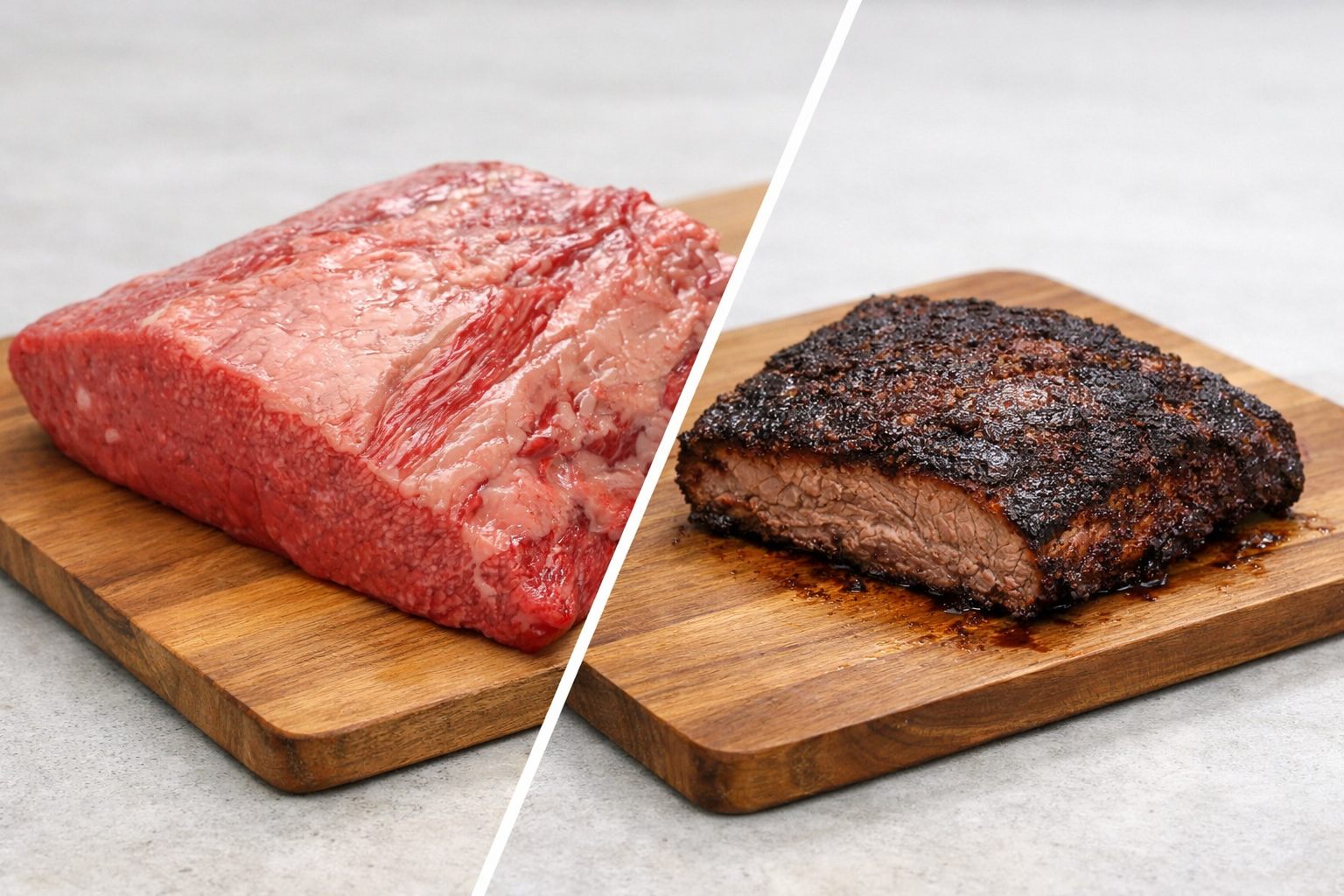
Understanding Moisture Loss, Fat Rendering and Real Yield
Every home cook has had the same surprise:
you start with a large piece of meat, but after cooking it looks noticeably smaller.
That’s completely normal.
As meat cooks, it naturally loses moisture and fat — a process known as cooking shrinkage.
This guide explains:
- why shrinkage happens
- how much weight different cuts typically lose
- why some cooking methods shrink more than others
- how to plan portions more accurately
What Causes Meat to Shrink During Cooking?
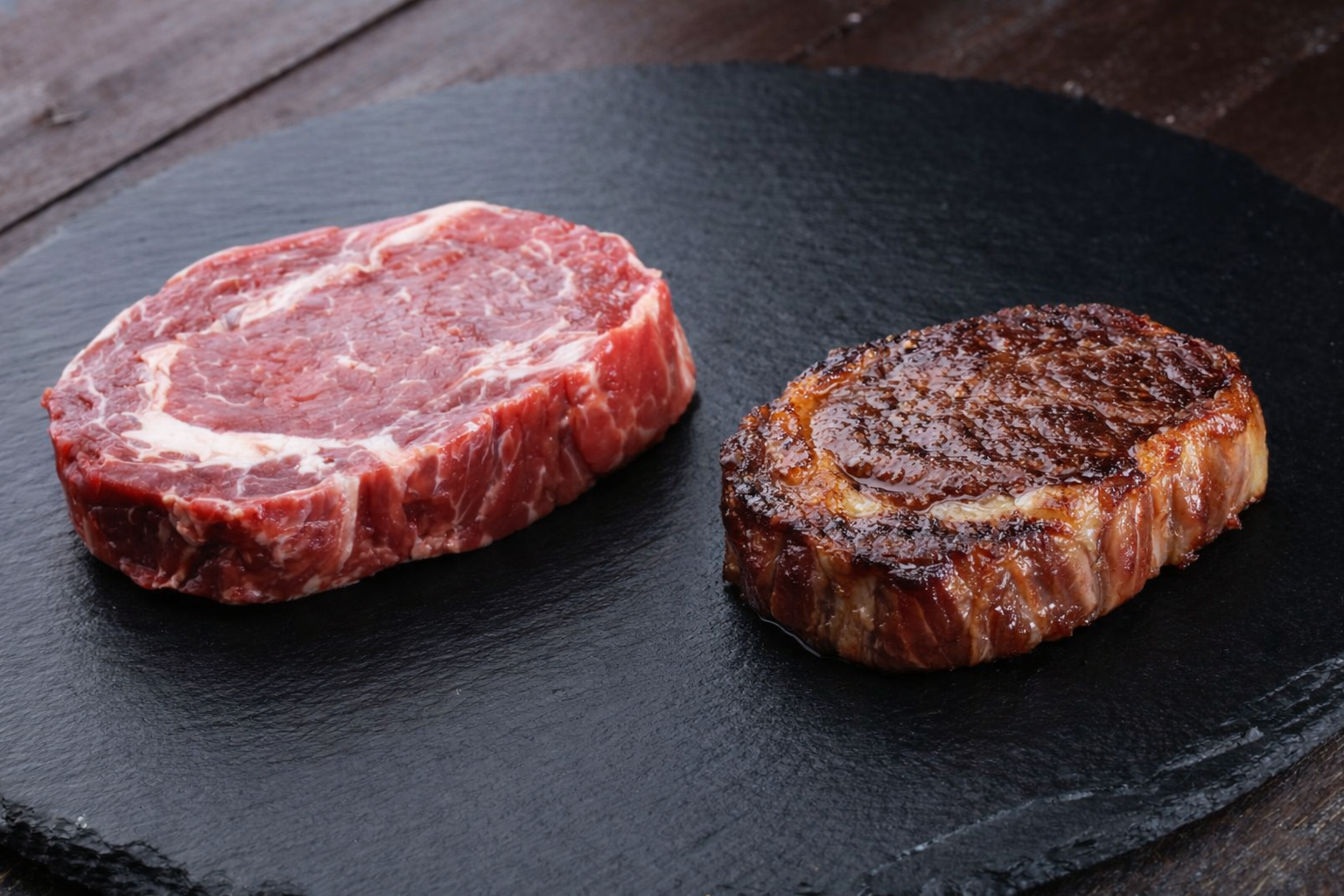
Cooking shrinkage mainly happens for three reasons:
Moisture Loss
Water evaporates as the meat heats up.
Fat Rendering
Fat melts and drips away during cooking.
Muscle Fibre Tightening
Heat causes muscle fibres to contract, pushing liquid out of the meat.
The hotter and longer the cook, the greater the total shrinkage.
This is why slow-cooked meats lose significantly more weight than steaks or fish.
Typical Cooking Shrinkage by Method
| Cooking Method | Average Shrinkage | Notes |
|---|---|---|
| Pan‑searing / Grilling | 10–20 % | Quick, high heat — minimal moisture loss |
| Oven Roasting | 20–30 % | Moderate time, steady heat |
| Smoking / Slow Cooking | 30–50 % | Long cook, fat rendering, deep flavour |
| Sous Vide | 5–10 % | Gentle heat, sealed moisture retention |
A Real Example: Brisket Shrinkage
Starting Weight
3kg brisket
Cooking Method
Low-and-slow smoking (approximately 8 hours)
Typical Cooking Loss
35–45%
Final Cooked Yield
Approximately 1.65–1.95kg cooked meat
What This Means in Practice
A brisket that looks enormous before cooking may only feed 6–8 people once trimmed, smoked, and sliced.
This is why brisket portion calculations often look surprisingly large before cooking.
Bone-in cuts combine both cooking shrinkage and bone loss, which can significantly reduce final edible yield.
Why Different Cuts Shrink Differently
Different cuts lose weight differently because of their composition.
| Cut | Typical Shrinkage | Reason |
|---|---|---|
| Tenderloin | 10–15 % | Lean, minimal fat rendering |
| Ribeye | 15–25 % | Moderate fat content |
| Brisket / Pork Shoulder | 35–50 % | High fat + long cooking time |
| Chicken Wings | 20–30 % | Bone + skin + moisture loss |
| Fish Fillets | 10–20 % | Low fat, quick cooking |
Why Cooking Time Matters
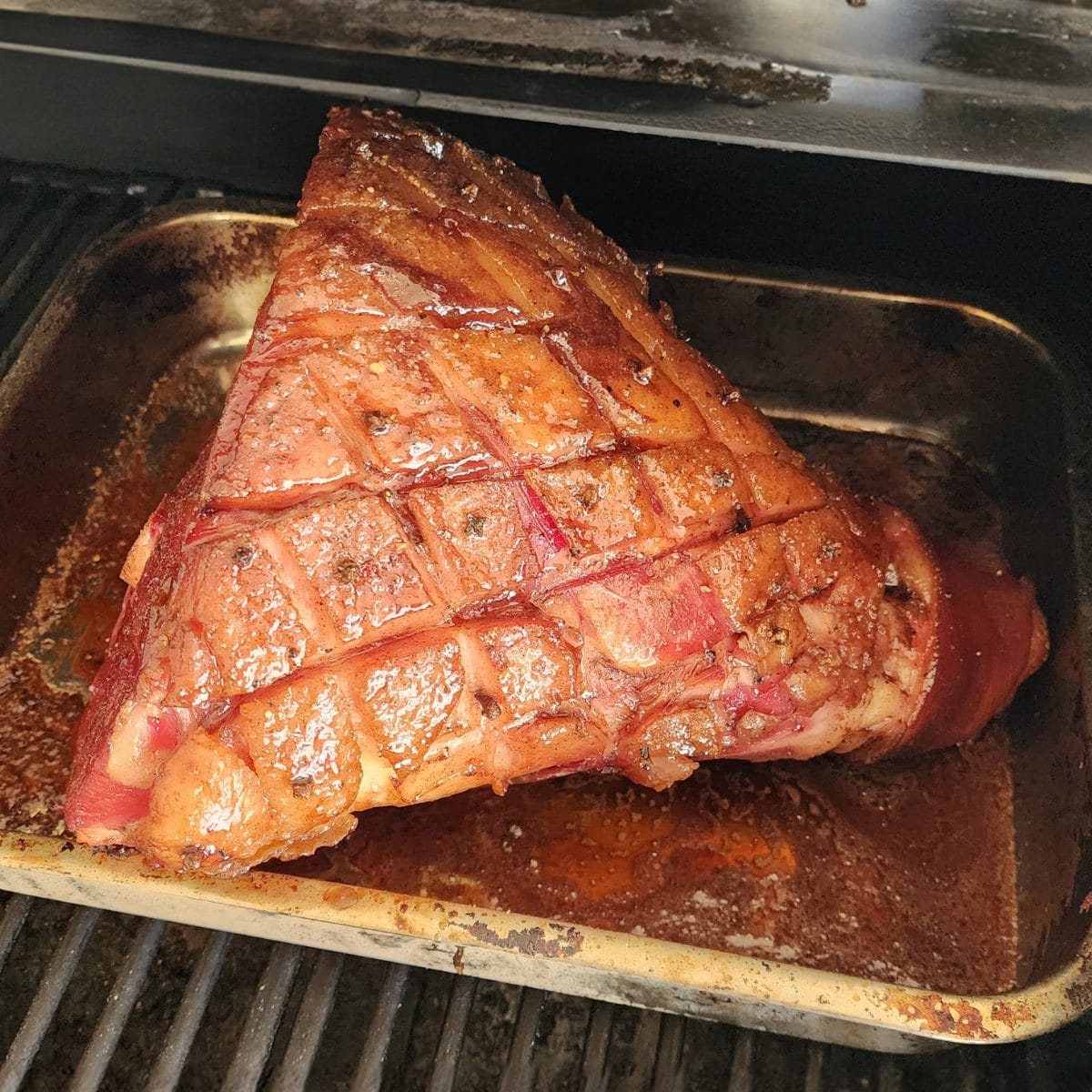
The longer meat cooks, the more moisture and fat it loses.
Quick-cooked foods like steaks or fish lose relatively little weight.
Slow-cooked meats are also ideal for batch cooking because they portion and reheat extremely well, and:
- fat renders over time
- moisture gradually evaporates
- connective tissue breaks down during long cooking
This creates better tenderness and flavour — but significantly reduces final yield.
How to Plan for Cooking Shrinkage
When buying meat, always account for cooking loss.
Quick-Cook Meats
Examples:
- steaks
- chicken breast
- fish fillets
Allow:
10–20% cooking loss
Roasts & BBQ Cuts
Allow:
20–35% cooking loss
Slow-Cooked Meats
Examples:
- brisket
- pulled pork
- pork shoulder
Allow:
35–50% cooking loss
Simple Example
If you need:
2kg cooked brisket
you will usually need to buy:
3–3.2kg raw brisket
Understanding cooking loss makes portion planning far more accurate for BBQs, dinner parties, and weekly meals.
Shrinkage and Freezer Planning
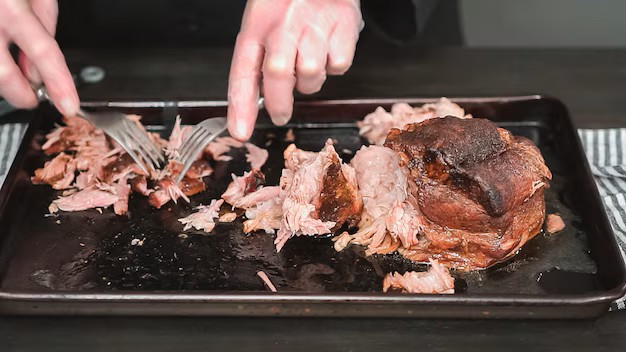
Many ordering mistakes happen because customers calculate portions using raw weight instead of cooked edible yield.
Cooked meat usually takes up less freezer space than raw meat because much of the moisture and fat has already been removed during cooking.
This makes batch-cooked meals surprisingly space-efficient.
It also explains why weekly meal planning works so well in smaller Hong Kong freezers.
Batch-cooking and portioning cooked meat is one of the easiest ways to improve freezer efficiency and simplify weekly meals.
Practical Takeaway
Cooking shrinkage is completely normal.
Every gram lost during cooking is usually moisture or rendered fat that helped create flavour, tenderness, and texture.
Once you understand shrinkage, you can:
- plan portions more accurately
- avoid under-ordering
- compare cuts more realistically
- cook with greater confidence
You are not “losing” meat — you are understanding how meat actually cooks.
→ Need help calculating cooking yield or planning meat quantities for your next BBQ or dinner? Message us on WhatsApp.


