
Common BBQ & Meat Planning Mistakes
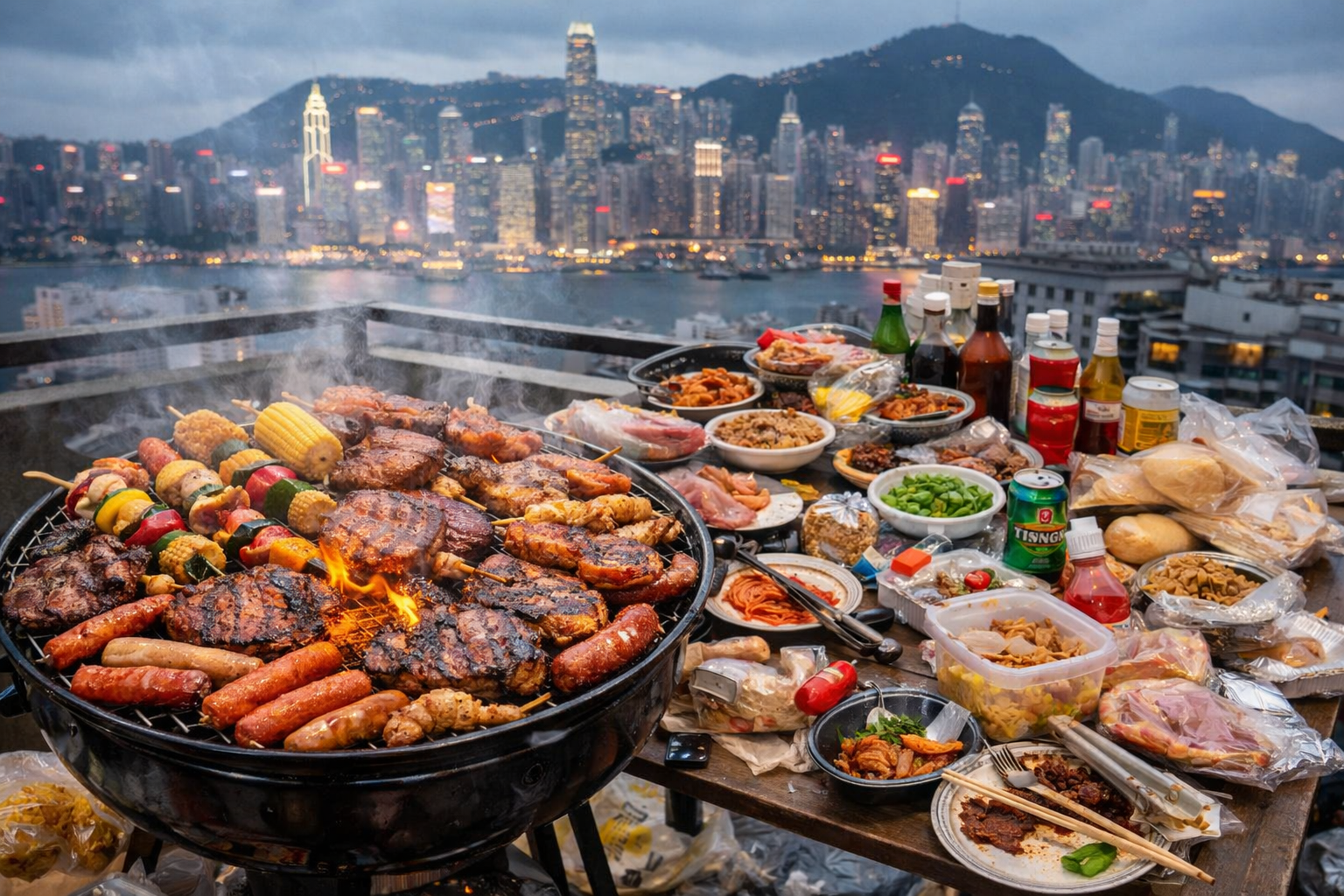
The Small Planning Errors That Lead to Waste, Stress & Empty Plates
Most meat planning mistakes do not happen because people buy “bad” meat.
They happen because customers underestimate how people actually eat at BBQs, parties, hotpot nights, and family gatherings.
A few small planning errors can quickly turn into:
- overcrowded grills
- empty platters
- wasted leftovers
- freezer problems
- overspending
Here are the most common mistakes we see — and how to avoid them.
1. Planning Based on Raw Weight Instead of Cooked Yield
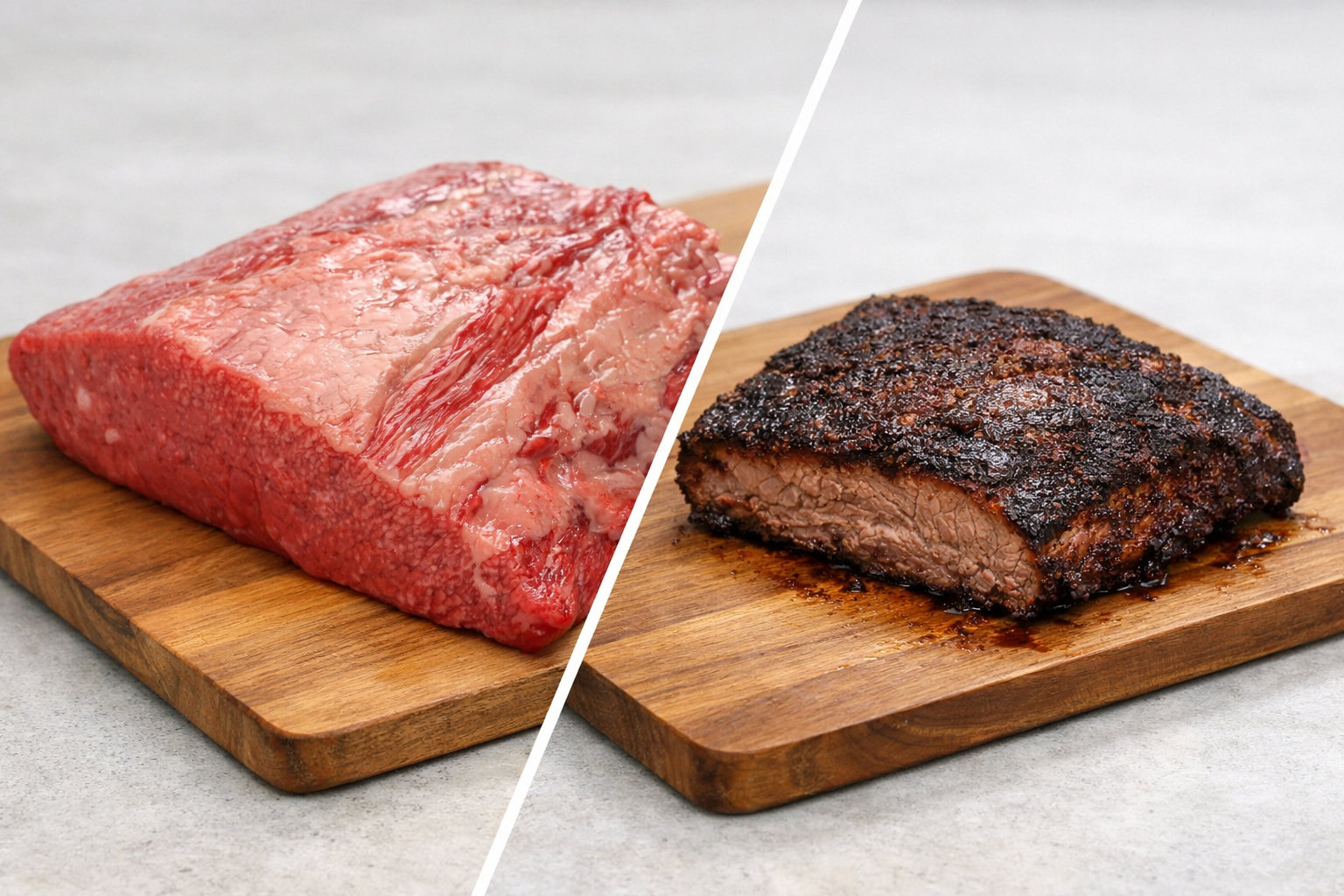
This is the single biggest mistake people make.
Customers often assume:
5kg of meat = 5kg of food
But cooking loss changes everything.
Brisket, pulled pork, ribs, wings, and even steaks lose weight during cooking through:
- moisture loss
- fat rendering
- trimming
What happens in real life
A BBQ host buys a 3kg brisket expecting it to feed 10–12 people.
After trimming and cooking, the final edible yield may only be around 1.8kg — enough for roughly 6–8 people depending on portion size and side dishes.
Better approach
Always plan using estimated cooked yield, not raw weight.
This immediately makes portion planning more accurate.
2. Trying to Serve Too Many Different Proteins
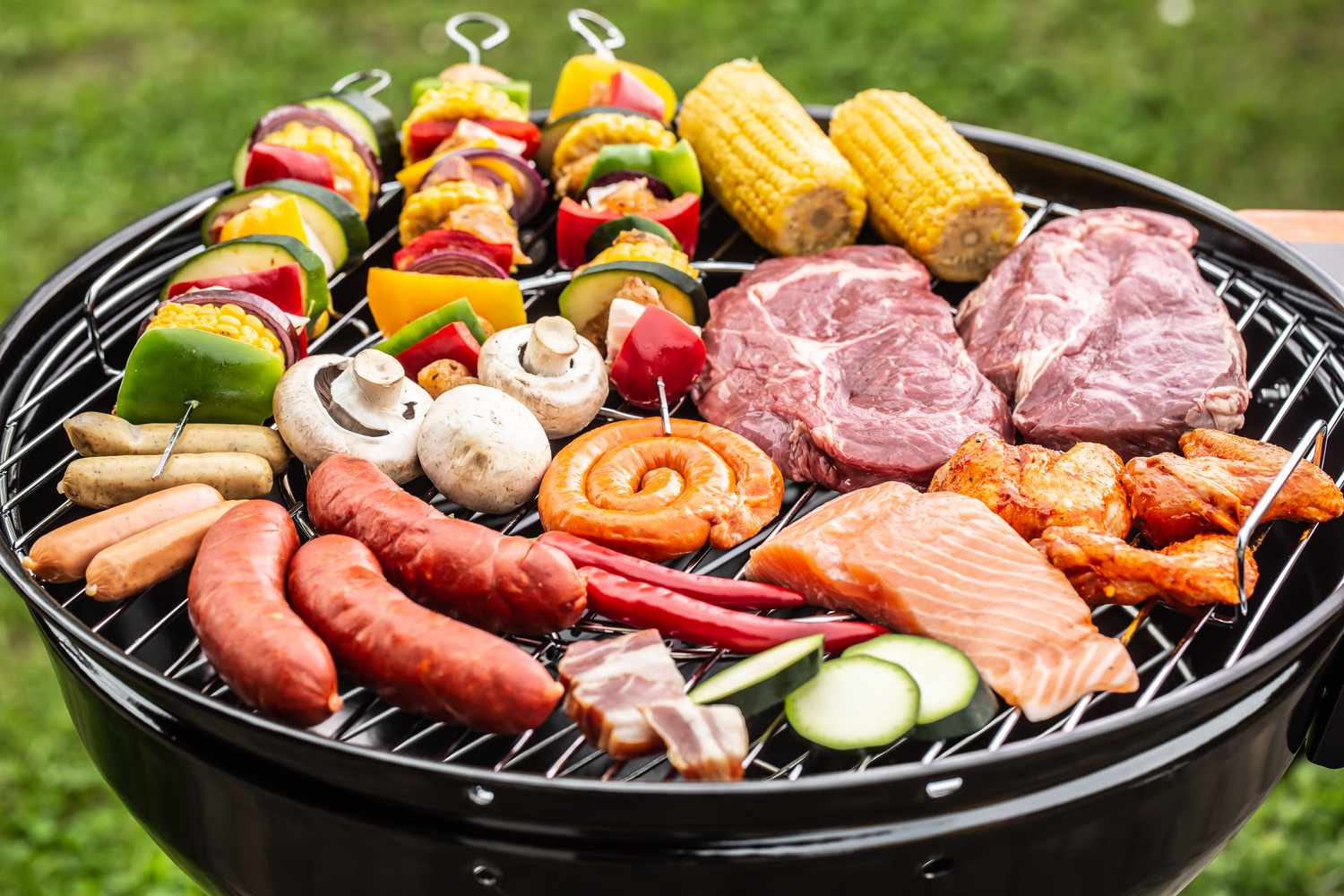
Variety sounds impressive — but too much variety creates problems fast.
A menu with:
- ribeye
- sausages
- burgers
- wings
- lamb chops
- pork belly
- seafood
usually sounds better on paper than in reality.
What happens in real life
Guests take “just a little” of everything:
- cooking becomes chaotic
- portions disappear faster
- grills overcrowd
- leftovers become random and difficult to use
This also makes freezer storage and meal planning much harder afterwards.
Better approach
A smaller number of well-planned proteins often creates a better BBQ experience than trying to cook everything at once.
For most BBQs, 3–4 proteins is usually ideal:
- one premium item
- one crowd favourite
- one easy grill item
- one shareable cut
This keeps planning simpler and portions more predictable.
3. Underestimating BBQ Appetites
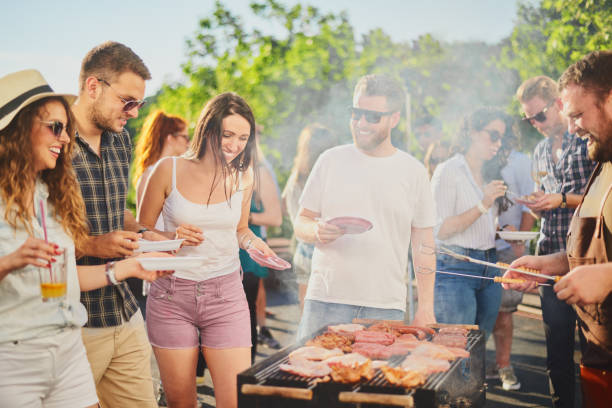
People eat differently at BBQs.
They:
- snack continuously
- drink alcohol
- eat over several hours
- return for seconds repeatedly
This increases meat consumption dramatically compared to plated dinners.
What happens in real life
Hosts plan dinner-party portions for a long BBQ and run out halfway through the evening.
Better approach
BBQs almost always require higher quantities:
- roughly 350–450g per adult
- sometimes more for longer events
Especially when alcohol is involved.
4. Assuming Everything Will Fit in the Freezer
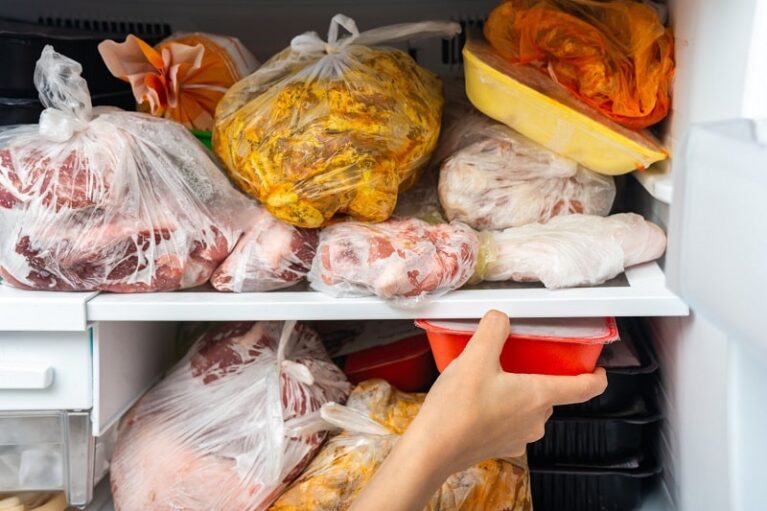
Bulk buying only works if you can actually store the meat properly.
This becomes especially important in Hong Kong where freezer space is limited.
What happens in real life
Customers buy:
- large trays
- bulky packaging
- multiple proteins
then discover the freezer is already half-full with:
- dumplings
- ice cream
- frozen vegetables
- leftovers
Better approach
Vacuum-packed meat stored flat is dramatically more space-efficient.
Portioning before freezing also makes:
- stacking easier
- defrosting faster
- meal planning simpler
Choosing versatile, freezer-friendly cuts also makes weekly planning much easier.
5. Ignoring How Different Cuts Behave During Cooking
Not all cuts cook — or shrink — the same way.
Steaks, brisket, wings, mince, ribs, and fish all lose weight differently.
What happens in real life
Customers calculate portions correctly for steak, then apply the same numbers to brisket or pulled pork and run short.
Better approach
Adjust quantities depending on:
- cut type
- cooking method
- cooking time
- bone content
The longer and slower the cook, the more yield loss you should expect.
Why These Mistakes Happen So Often
Most people are not bad at planning food — they are simply estimating based on raw weight, supermarket habits, or past experiences that do not account for:
different cooking methods
bone weight
event style
grazing behaviour
freezer limitations
Once you understand how meat actually behaves before and after cooking, planning becomes far more predictable.
Practical Takeaway
Accurate portion planning becomes much easier once you understand yield, shrinkage, and how different events affect appetite.
A little planning upfront prevents:
- wasted food
- stressful cooking
- empty platters
- unnecessary overspending
The goal is not to buy the most meat — it’s to buy the right amount for the way people will actually eat.
→ Need help planning meat quantities for your next BBQ, party, or weekly meals? Message us on WhatsApp.


