
Portion Size
How Much Meat Should I Actually Eat in One Serving?
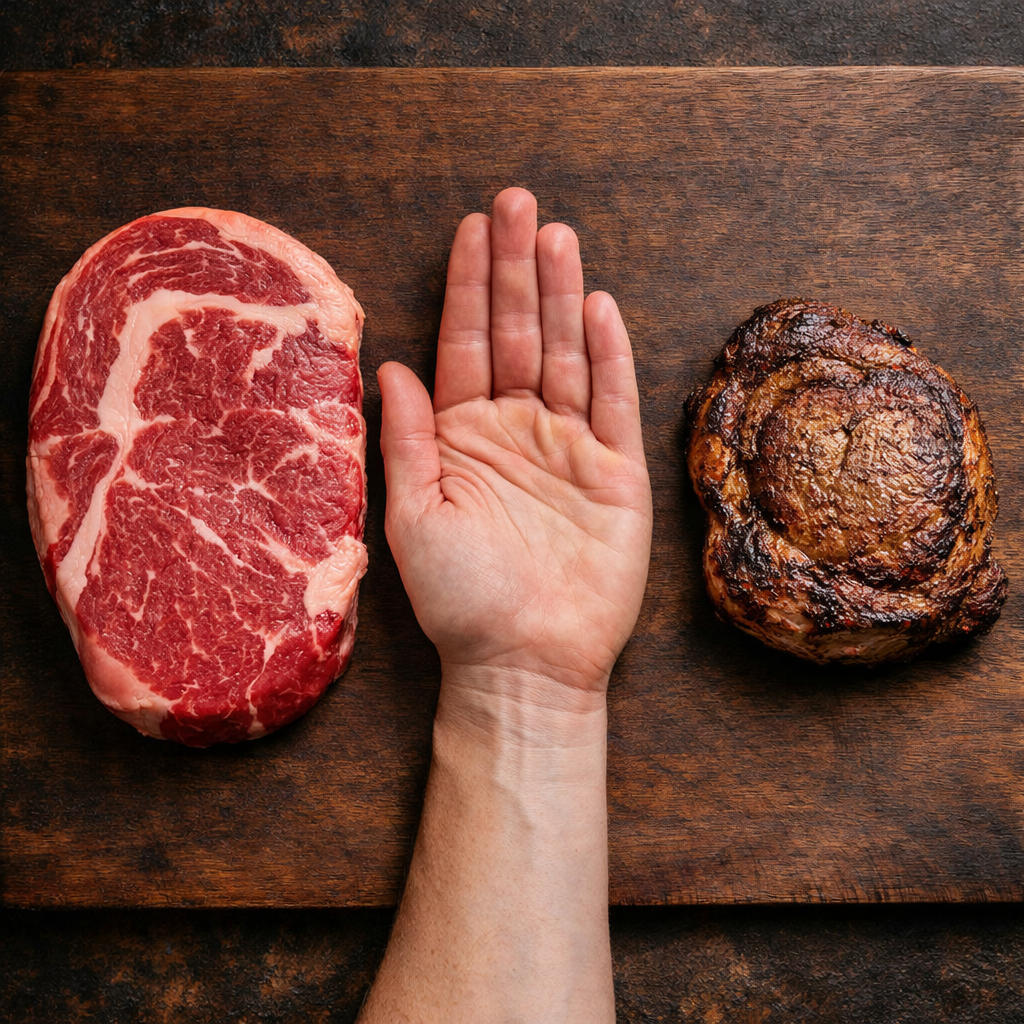
Short Answer
Most people need 100–150g cooked meat per serving — roughly the size of your palm. Because meat shrinks during cooking, that usually means 150–200g raw.
Why Portion Size Matters
Portioning isn't about "healthy eating" — it's about cooking the right amount, avoiding waste, getting consistent results, and balancing meals properly.
And in Hong Kong kitchens, where fridges and pans are smaller, portioning is part of good prep.
Raw vs Cooked Weight (The Part People Forget)
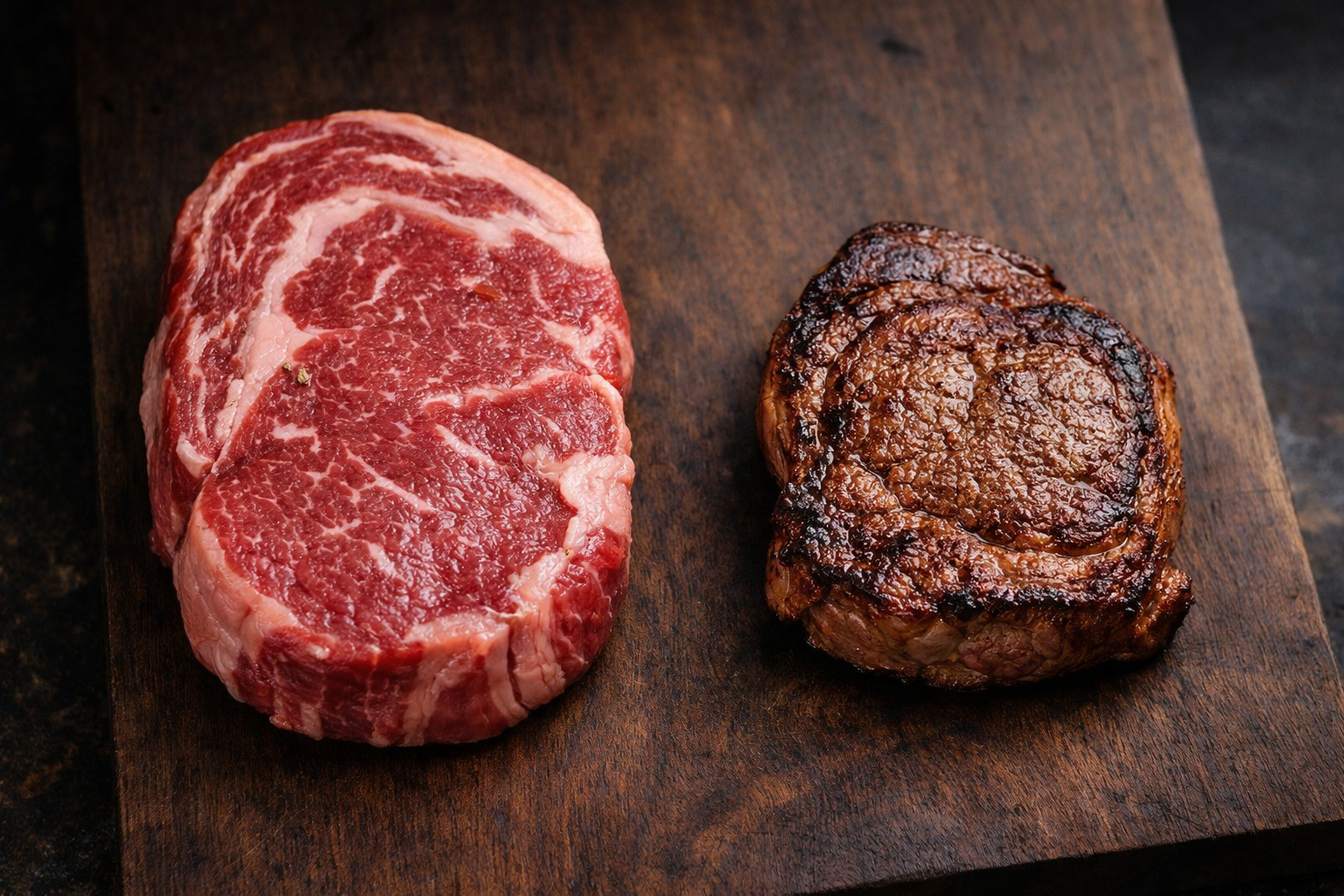
Meat loses 20–30% of its weight when cooked — so what looks like enough raw often feels like less on the plate. This is why steaks look smaller after cooking. They are.
A 150g cooked portion = roughly 180–200g raw. Always portion by raw weight when prepping, not by what it looks like on the plate. If you want to understand exactly why this happens and how different cooking methods affect shrinkage, why meat shrinks when cooked covers it in full.
Quick Portion Guide (Raw Weight)
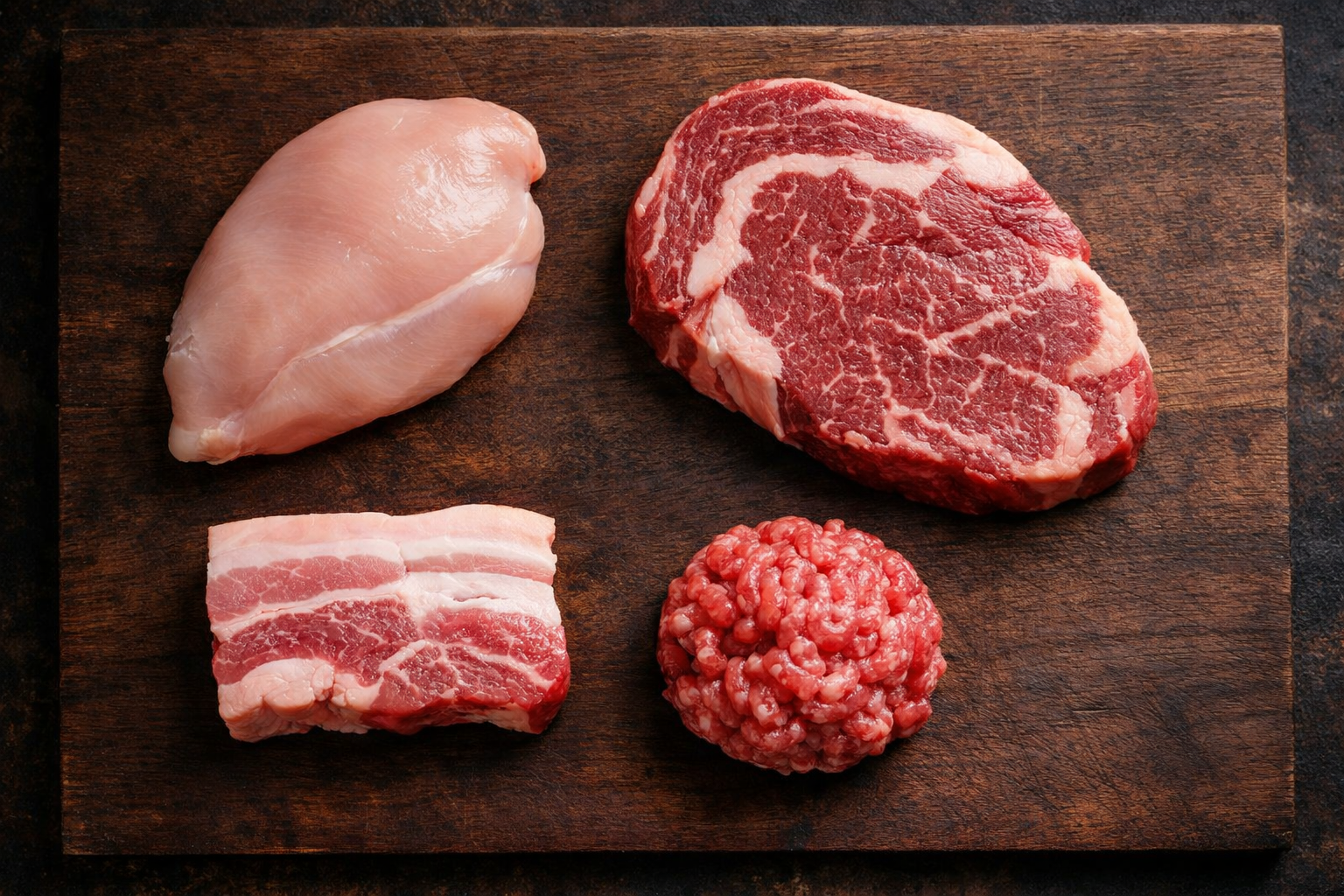
| Cut Type | Raw Portion | Cooked Portion | Notes |
|---|---|---|---|
| Rump / Steak | 180–220g | 140–160g | Ideal everyday portion |
| Chicken Breast | 150–180g | 120–140g | Lean → feels lighter |
| Pork Belly | 120–150g | 90–120g | Rich → smaller portion |
| Mince | 150–200g | 120–150g | Shrinks more due to fat loss |
| Cooked leftovers | — | 120–150g | 1 palm-sized portion |
Simple Visual Rule (No Scale Needed)
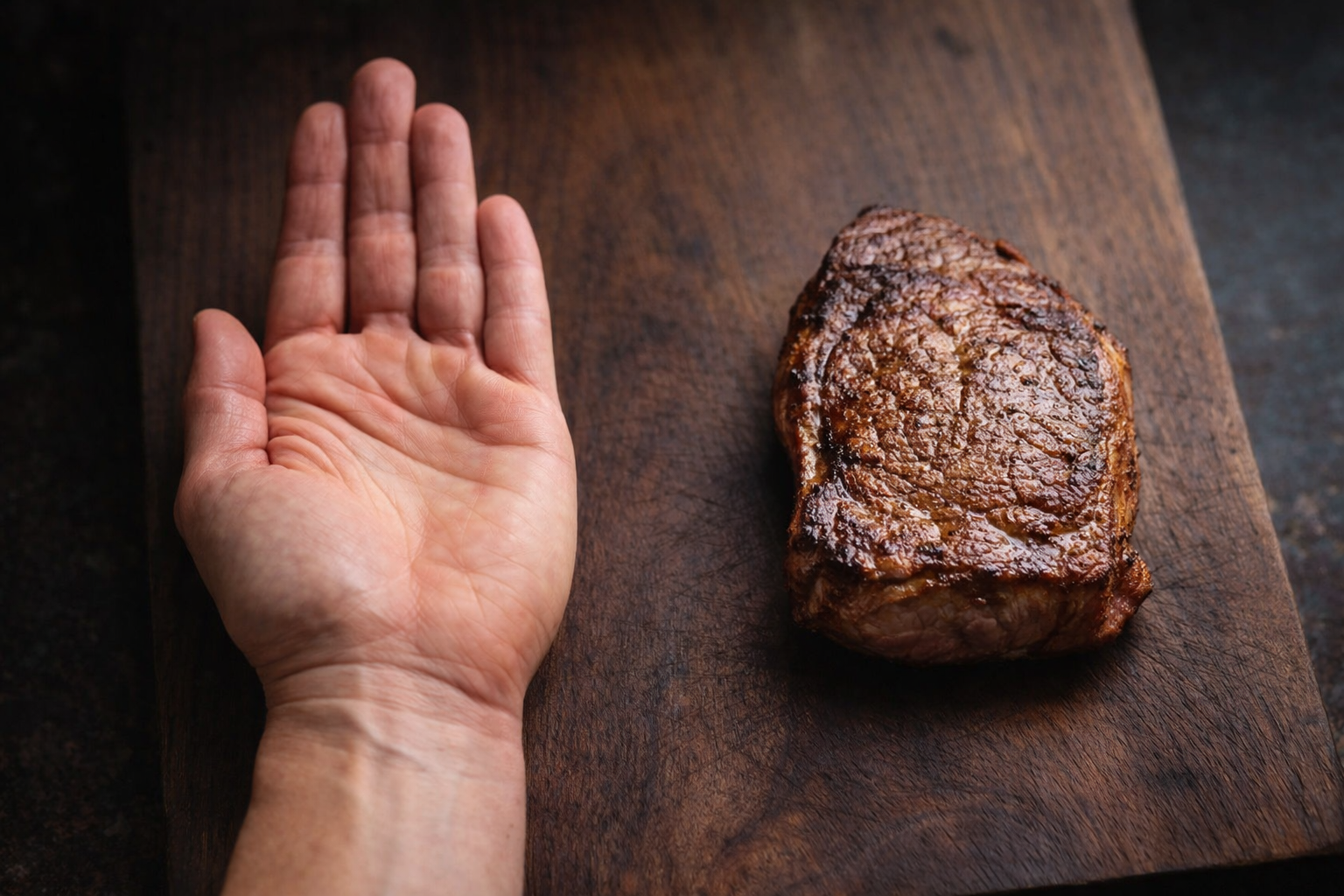
Your portion should be palm-sized, the same thickness as your hand, and about one fist if it's mince or shredded meat. This is the same rule used in protein portion guidelines — but explained in a way that makes sense for home cooking.
Fatty vs Lean Cuts (Why Portions Feel Different)
Fatty cuts feel heavier and richer, so smaller portions go further. Lean cuts feel lighter, so you naturally eat more. This is worth understanding before you cook — not just for balance, but because it affects how you manage the pan. Why lean cuts go wrong and how to cook them properly explains how portion thickness and cut type affect the cooking process itself.
Examples:
- Iberico pork belly: 120–150g raw is plenty — the fat content makes it rich and filling
- Rump steak: 180–220g raw feels like a proper portion
- Chicken breast: 150–180g raw feels balanced without being excessive
How This Connects to Meal Planning
This article covers a standard nutritional portion — the amount most people actually need for an everyday meal. If you're scaling up for a family dinner, a gathering, or a BBQ, How Much Meat Per Person builds on these numbers for larger groups and bigger events.
You'll notice the steak portions there (250–350g raw) are higher than the everyday portion in this guide (180–220g raw) — that's intentional. A steak dinner is an occasion where people naturally eat more, factor in fewer sides, and want a satisfying restaurant-style serving. This guide is built for regular weekday cooking. Use this one for everyday meals, and the Meat Planner or the BBQ/steak dinner guide when you're planning something bigger.
Final Thought
A good portion of meat is simple: 100–150g cooked, 150–200g raw, palm-sized. Once you know that, cooking becomes easier, more consistent, and better balanced.