
Why Lean Cuts Go Wrong (And How to Cook Them Properly)
Lean cuts are weeknight heroes in many Hong Kong kitchens — quick to cook, lighter to eat, and easy to adapt across cuisines. But they’re also the cuts most likely to disappoint. Dry. Tough. Overcooked.
Many home cooks assume lean meats are “difficult,” when in reality they just need a slightly different approach.
That’s exactly why I created Ask The Meat Guy — to explain the why behind good cooking, not just hand out recipes. And few topics cause more frustration than lean cuts.
What “Lean Cuts” Actually Are
Lean cuts come from muscles with very little intramuscular fat. They’re naturally tender, but they don’t have the built-in protection that fattier cuts enjoy during cooking.
Common examples include:
-
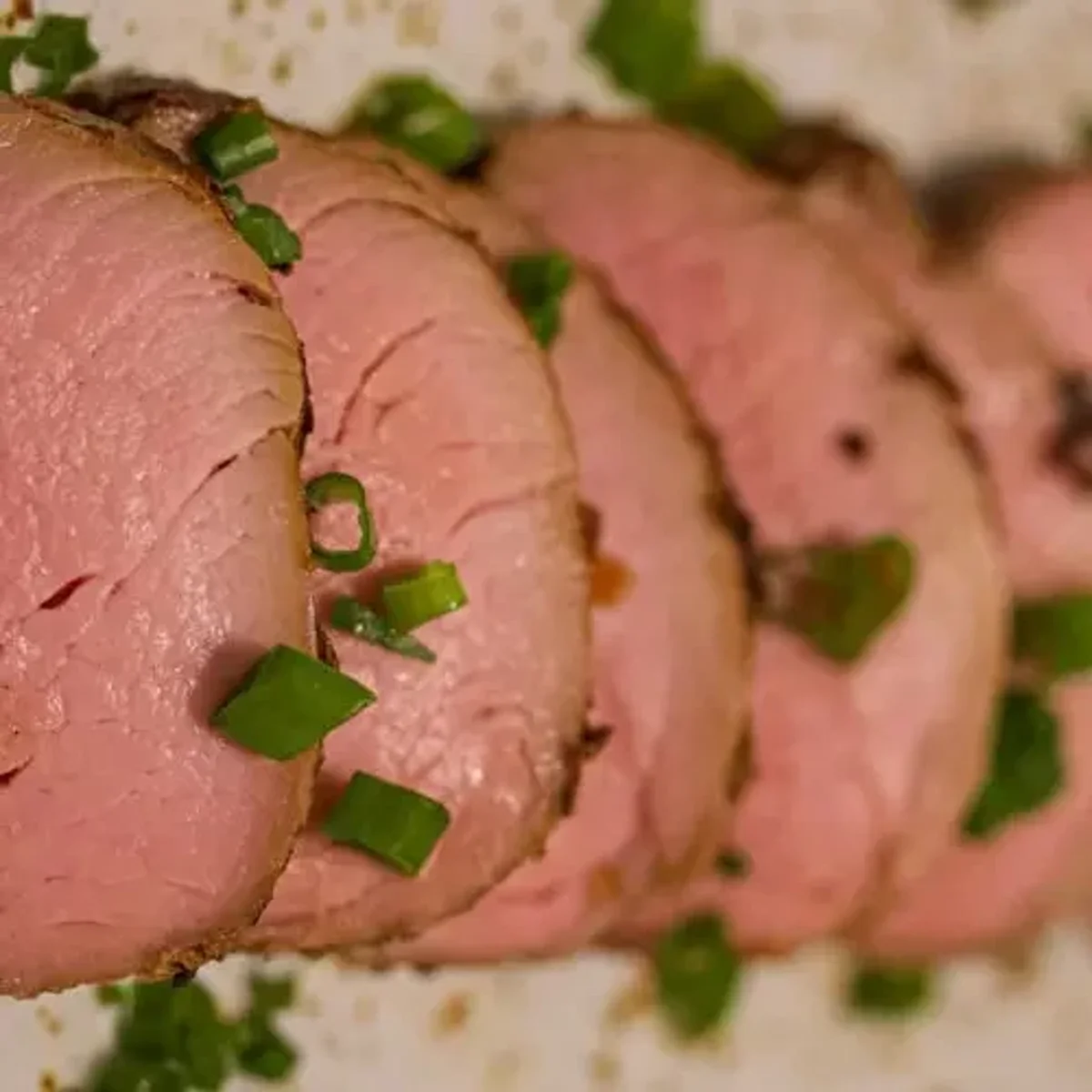
Pork tenderloin
-
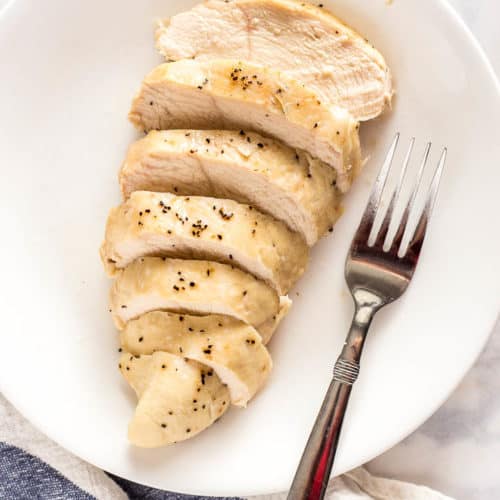
Chicken breast
-
Pork loin chops
-
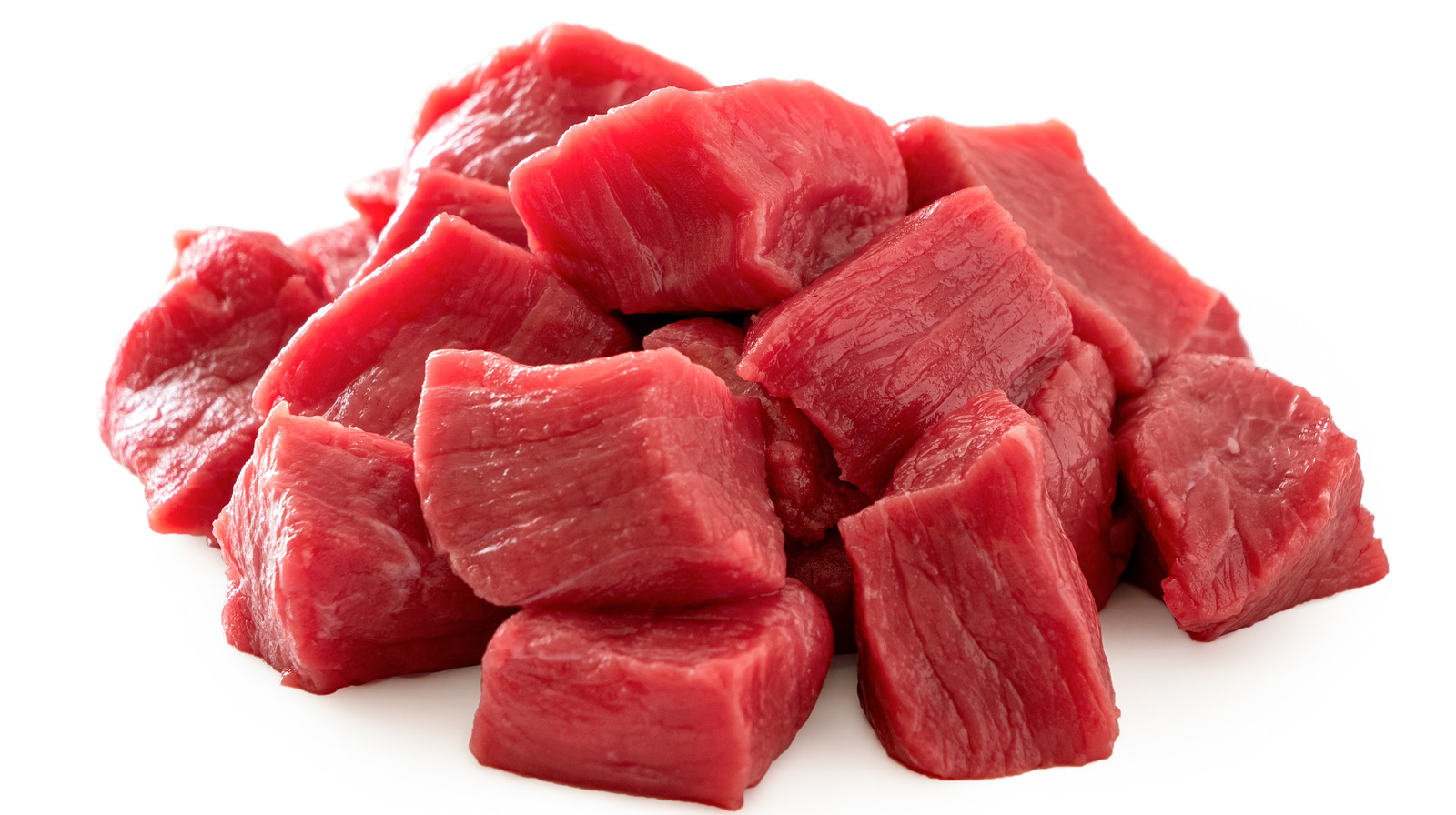
Beef eye round
-
Turkey breast
These cuts are ideal for fast, healthy meals — as long as you treat them correctly.
Why Lean Cuts Dry Out So Easily
Lean cuts can go from juicy to dry in minutes for a few simple reasons:
-
Low fat content means less natural moisture protection
-
Small muscle fibres tighten quickly under high heat
-
Fast cooking times leave very little margin for error
Understanding this alone already puts you ahead of most home cooks.
The Most Common Mistakes
Most disappointing lean cuts come down to predictable errors:
-
Using too much heat from start to finish
-
Skipping the resting stage and cutting too soon
-
Cooking by time instead of temperature
-
Under-seasoning and expecting the meat to carry all the flavour
The good news? These mistakes are easy to fix once you know what’s happening inside the meat.
Simple Rules to Get Lean Cuts Right Every Time
These fundamentals apply across cuisines and proteins:
-
Start hot, finish gentle — sear for flavour, then lower the heat
-
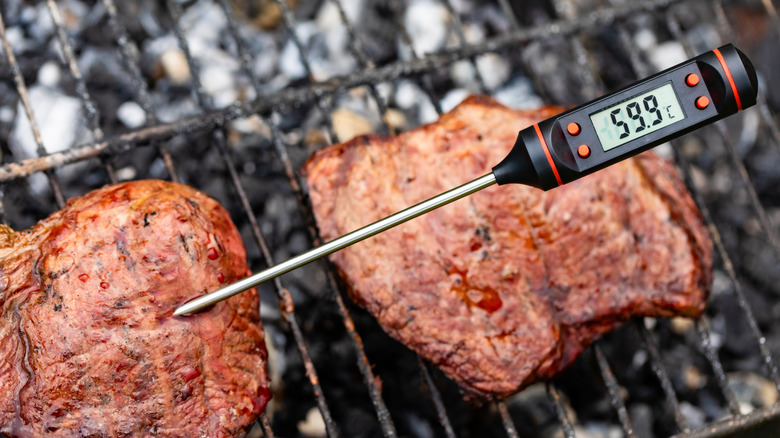
Use a thermometer — the most reliable way to avoid overcooking.One simple way to avoid overcooking is to stop guessing doneness altogether. A basic digital probe thermometer lets you pull meat at the right internal temperature instead of relying on timing alone.
A simple instant-read thermometer is usually all you need for home cooking.
-
Rest for 5–10 minutes — juices redistribute and texture improves
-
Add moisture or fat — marinades, glazes, butter basting, or sauces
-
Slice against the grain — especially important for pork and beef
Master these, and lean cuts stop being risky.
Where Pork Tenderloin Fits In
Pork tenderloin is one of the best examples of a lean cut that cooks beautifully when handled properly. It’s naturally tender, cooks in under 20 minutes, and works just as well with Cantonese flavours as it does with Western-style glazes.
It’s also one of the most commonly overcooked cuts — which makes it the perfect “practice cut” for mastering lean-meat technique.
If you want to see these principles in action, I’ve added a new recipe to the site: Pan-Seared Honey Garlic Pork Tenderloin. It uses gentle heat, proper resting, and a simple glaze to keep the meat juicy.
Disclosure: Some links in this article are affiliate links. If you choose to purchase through them, I may earn a small commission at no extra cost to you. I only recommend tools that genuinely help with cooking and handling meat.



Thank you for posting your blog comment. It will be reviewed and set live soon. If you provided your email then you will be notified of replies to this comment.