
Does an Expensive Cut Always Mean a Better Result?
Not always — and sometimes the opposite is true.
The result depends almost entirely on matching the cut to the cooking method, not the price tag.
When Expensive Cuts Are Worth Every Dollar
Premium cuts earn their price in specific applications.
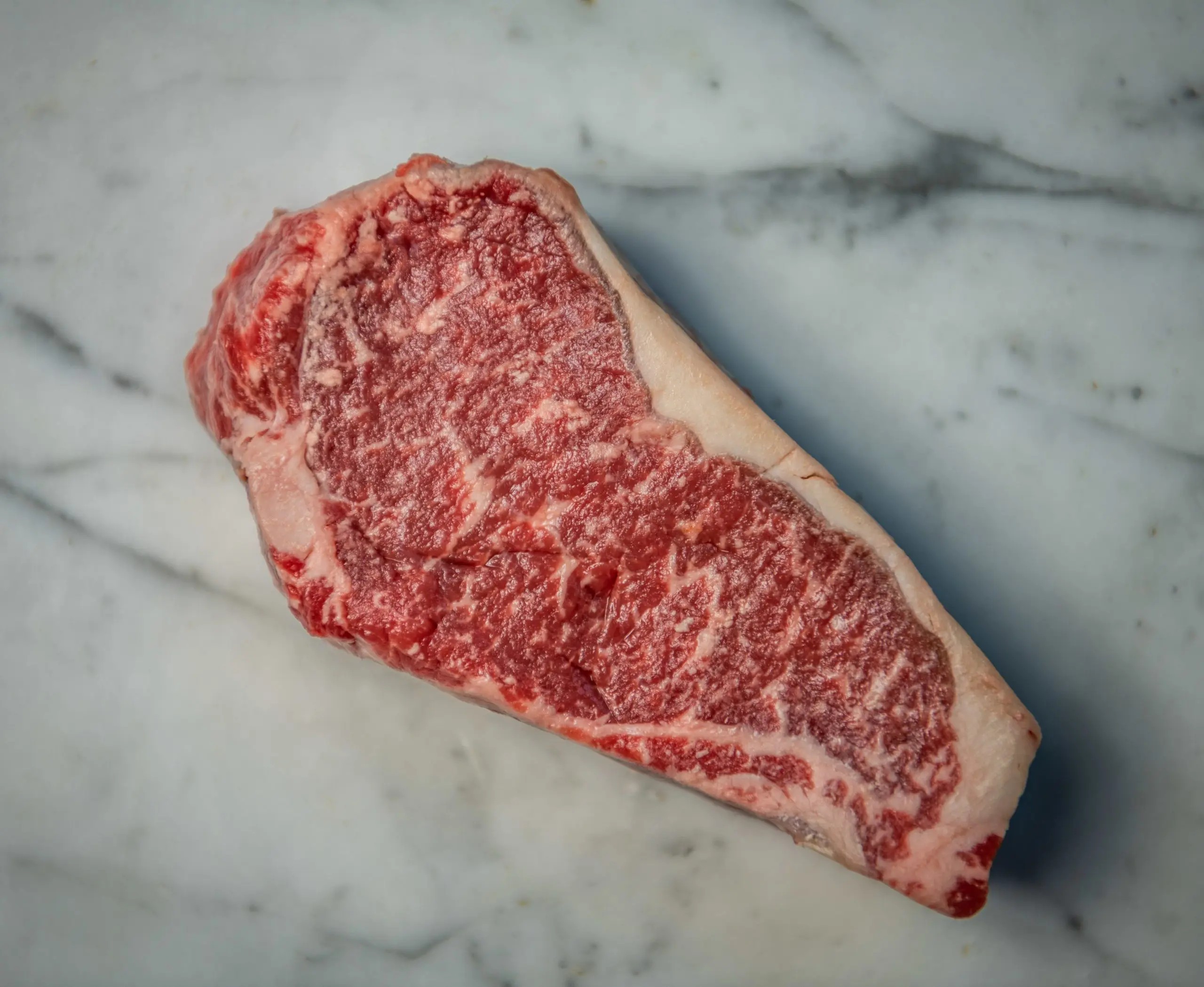
High heat, fast cook: Wagyu sirloin or ribeye seared in a screaming-hot pan. The marbling bastes the meat as it cooks, producing extraordinary juiciness and flavour in minutes. Nothing cheaper replicates this.
Simple preparations: The fewer ingredients, the more the cut itself has to do. A plain pan-seared fillet with butter and lemon lets the quality of the protein speak.
Raw or barely cooked: Carpaccio, tartare, lightly seared tataki — premium quality matters enormously because there's nothing else to carry the dish.
The principle: when the cut is the dish, quality is everything.
Great cooking isn't about recipes — it's about heat.
When Cheaper Cuts Actually Win
The same premium cuts that excel at high heat actively underperform in slow applications — and this is where most people waste money without realising it.
Two substances in meat behave completely differently under prolonged heat:
| Substance | Behaviour | Best Use |
|---|---|---|
| Intramuscular fat (marbling) | Melts quickly, adds richness in fast cooking. In long braises, renders out and separates, making the dish greasy. | Steaks, quick sears |
| Collagen (connective tissue) | Breaks down slowly into gelatin, giving braises and stews body and silkiness. | Chuck, cheek, shoulder, shin |
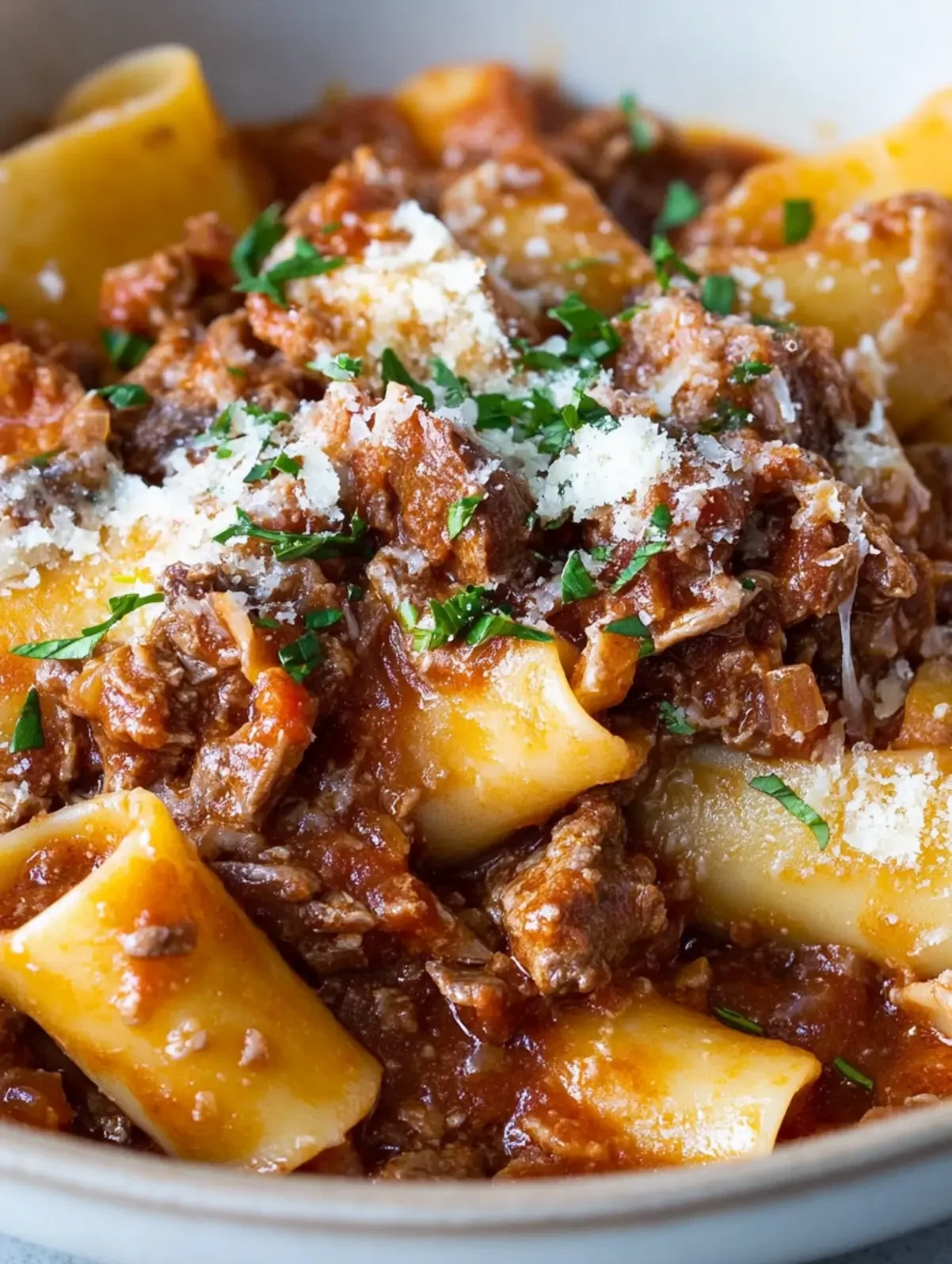
The result: in a slow cook, chuck produces a silkier, richer, more structured sauce than wagyu — at a fraction of the price. The cheaper cut doesn't just save money. It produces a better dish.
Why braising transforms tough cuts — and why tender cuts don't benefit from it.
The cuts nobody wanted — and why they're now the best thing on the menu.
The Simple Rule
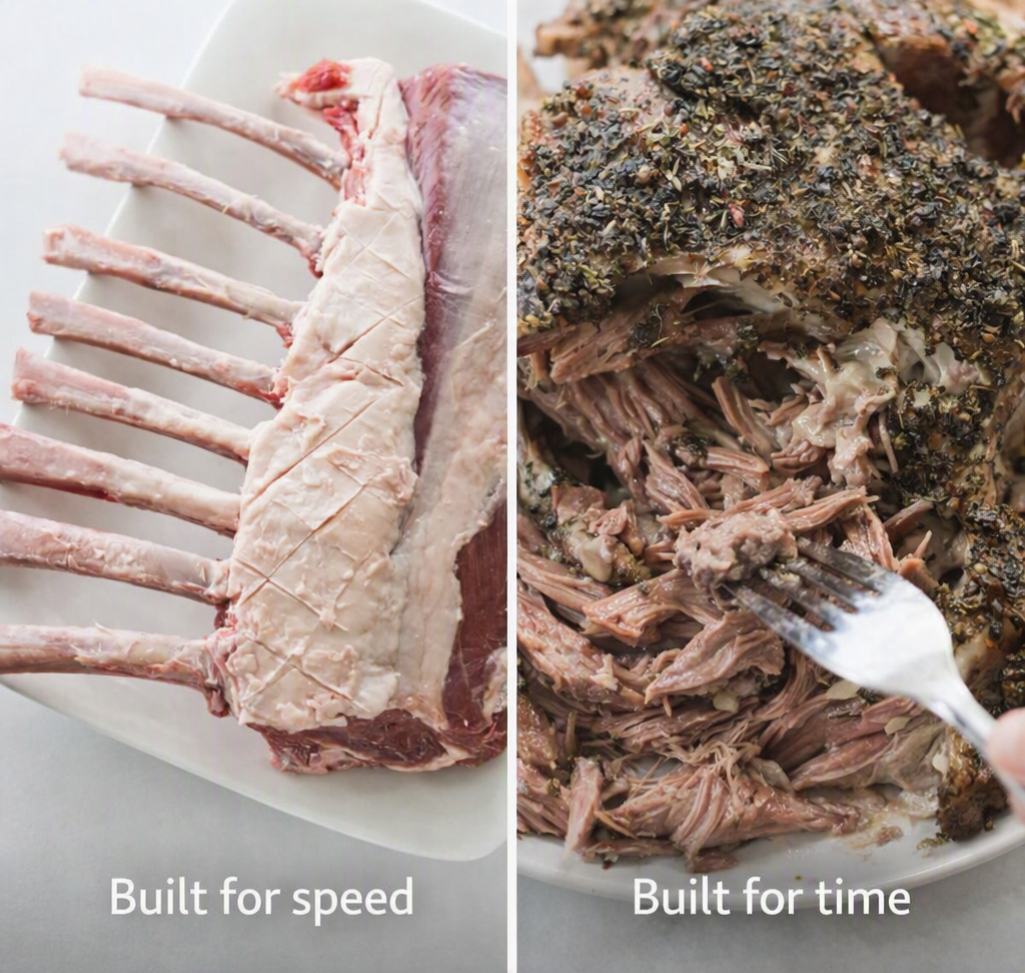
Match the cut to the method — not the budget to the occasion.
| Cooking Method | Best Cut Type | Why |
|---|---|---|
| High heat, fast cook | Premium, low collagen | Marbling bastes, texture stays tender |
| Slow braise, long cook | Cheaper, high collagen | Collagen becomes gelatin, creates body |
| Raw or barely cooked | Premium, fresh | Quality is the only thing on the plate |
| Minced into a sauce | Chuck, not wagyu | Collagen enriches, wagyu fat separates |
| Pie or stew filling | Cheek, chuck, shin | Structure survives long cook, fillet doesn't |
The Practical Implication
Knowing this changes how you shop — not just how you cook.
You don't need wagyu for a Sunday braise. You don't need fillet for a pie. Spending more in those applications doesn't improve the dish — it actively makes it worse while costing you more.
But you do want quality for a simple pan-seared steak, a tartare, or anything where the cut has nowhere to hide.
Buy the right cut for what you're making. Sometimes that's the most expensive option. More often than you'd think, it isn't.
Wagyu vs Black Angus — why I don't always pick the most expensive steak on the menu.
Final Thought
The question isn't "how much should I spend?" It's "what is this cut going to do in this dish?" Answer that first, and the price will usually take care of itself.
This week's recipe — Beef & Pork Ragù — proves the principle in action.