
Braising vs Stewing: Two Simple Methods That Transform Tough Cuts

Braising vs Stewing: Two Simple Methods That Transform Tough Cuts
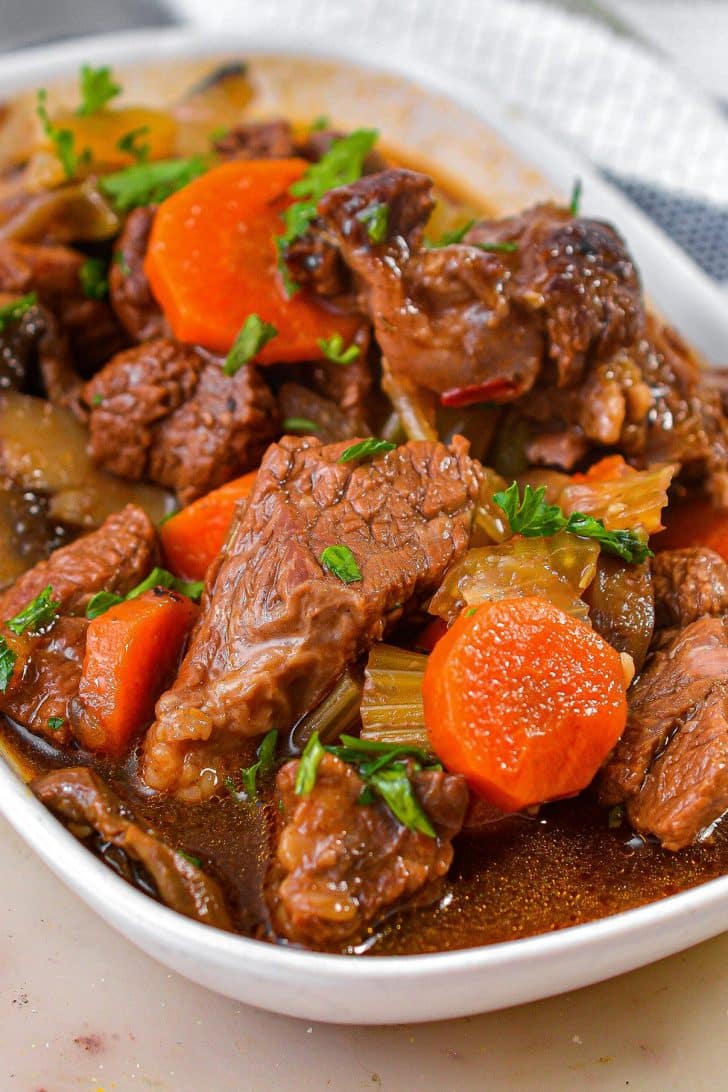
Cuts like boneless beef rib fingers aren’t known for tenderness.
Cooked quickly over high heat, they can be chewy and forgettable.
But give them time — low heat, a bit of liquid — and they turn into something completely different.
Soft. Rich. Fall-apart tender.
The biggest difference isn’t the recipe.
It’s how you apply heat.
Get that wrong, and even a good cut can disappoint.
Get it right, and even a tough cut becomes something worth cooking.
And this is where two simple methods come in: braising and stewing.
Both use low, gentle heat to transform tougher cuts — but they do it in slightly different ways.
1. The Core Difference
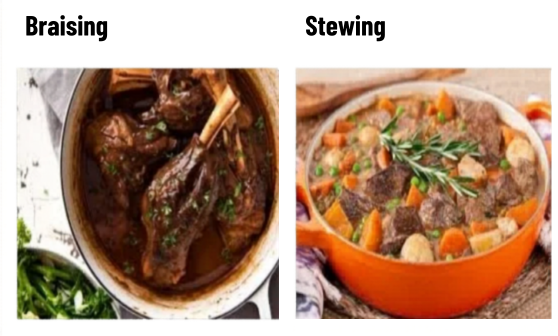
Braising
- Larger pieces of meat
- Sear first for flavour
- Partially submerged in liquid
- Cooked slowly, covered
Stewing
- Smaller, bite-sized pieces
- Fully submerged in liquid
- Everything cooks together
The simplest way to think about it:
Braising keeps the meat whole. Stewing breaks it down into a dish.
Braising is a slow, gentle transformation — the meat holds its shape while the sauce builds around it.
Stewing is more communal — everything blends into one rich, hearty result.
2. What Each Method Does to Meat
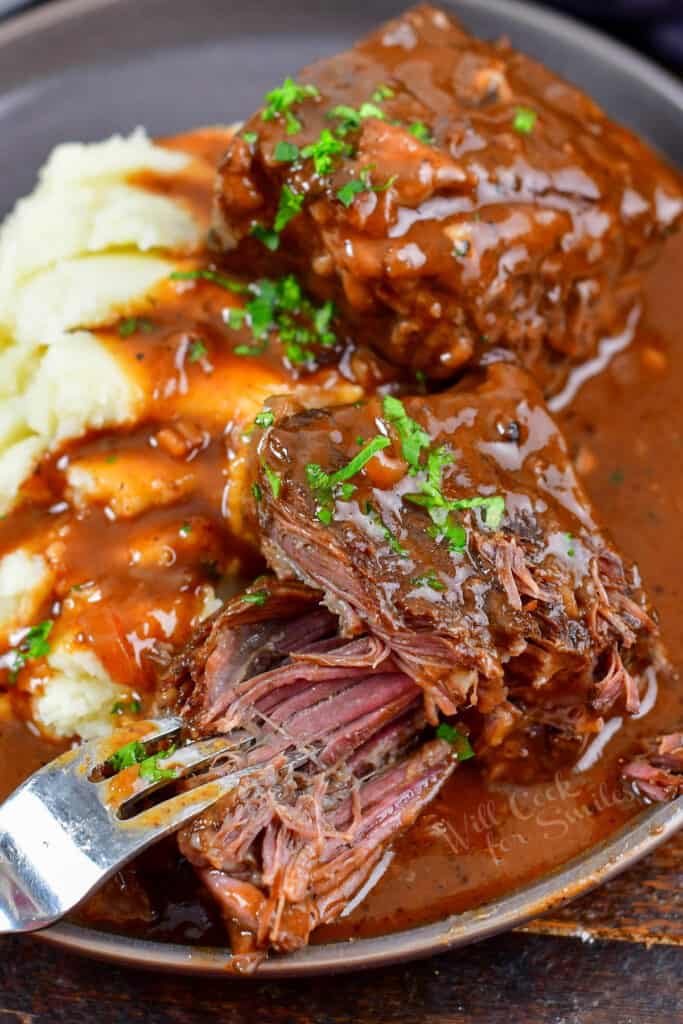
Both methods rely on time and moisture to turn tough cuts into something tender.
- Collagen breakdown — slow heat melts connective tissue into gelatin, creating that silky texture
- Fat rendering — fat melts gradually, enriching the sauce
- Flavour concentration — as liquid reduces, everything deepens
This is how cheaper cuts become premium eating — rich, tender, and full of character.
It’s the kind of cooking where the sauce thickens, the meat relaxes, and the whole kitchen smells like something good is happening.
And it’s why a cut that looks tough on the board can end up being the most satisfying thing on the plate.
3. When to Use Each
The choice usually comes down to how you want to serve it.
Braising works best when the meat is the centrepiece:
- Boneless beef rib fingers
- Short ribs
- Osso buco
Stewing works best when everything comes together in one dish:
- Diced beef
- Curry
- Ragù
If you want to see braising in action, try our recipe for
Braised Beef Rib Fingers — a simple way to turn a tough cut into something rich and tender.
4. The Mistakes People Make
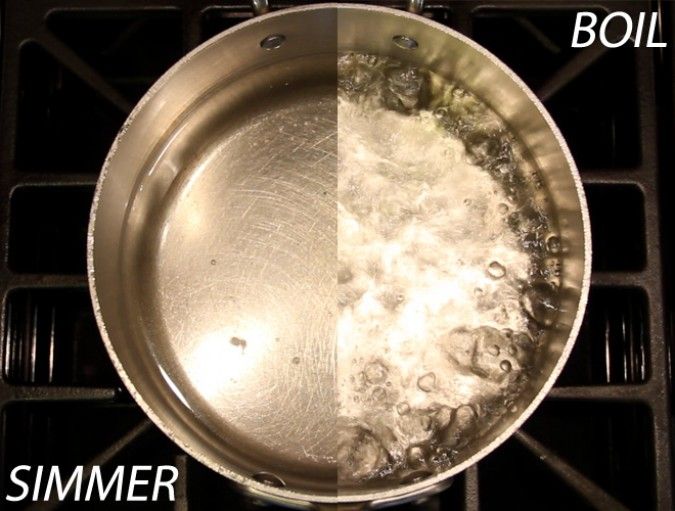
Most problems with “tough” meat come down to one thing — too much heat, too fast.
Even simple methods can go wrong:
- Boiling instead of simmering — high heat tightens the meat
- Skipping the sear — you lose depth and richness
- Rushing the process — collagen needs time to break down
- Too much liquid — dilutes flavour and prevents proper reduction
Patience and balance are everything.
5. Why This Matters
Understanding these methods means you don’t need expensive cuts to cook something great.
You just need the right technique.
It’s the difference between meat that’s simply cooked — and meat that’s transformed.
If you want to explore how slow cooking fits into everyday life, take a look at
👉 Why Slow Cooking Still Matters in Fast Cities
Or if you’re deciding what to buy based on how you actually cook at home, see
👉 How to Choose Meat Based on How You Actually Cook at Home
The Real Takeaway
Good cooking isn’t about expensive ingredients.
It’s about understanding what to do with them.
Get that right, and even the toughest cuts become something worth remembering.



Thank you for posting your blog comment. It will be reviewed and set live soon. If you provided your email then you will be notified of replies to this comment.