
The Cuts Nobody Wanted — And Why They're Now the Best Thing on the Menu
The Cuts Nobody Wanted — And Why They're Now the Best Thing on the Menu
The Sunday Roast Memory
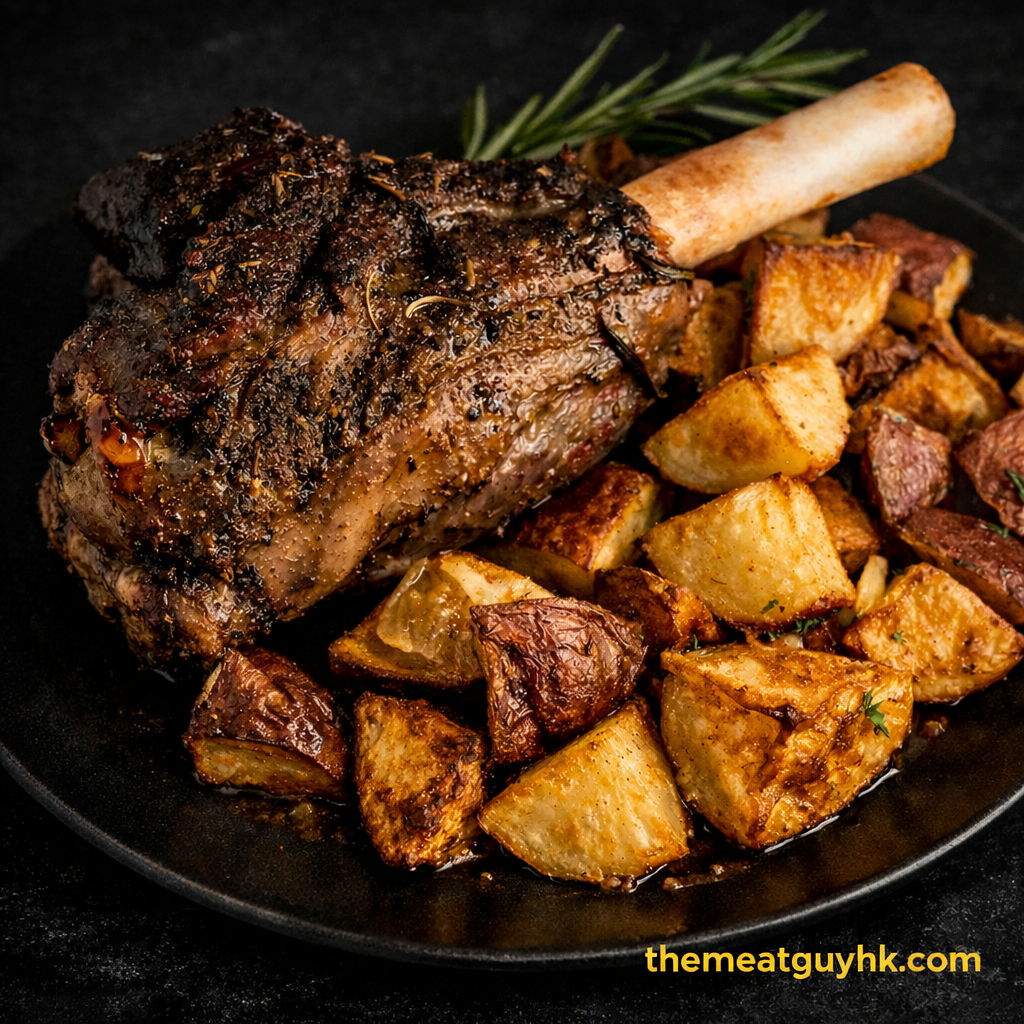
When I was growing up in rural Australia, Sunday meant roast day. Every week without fail, something went into the oven — beef one week, pork the next, chicken another. But the weeks I looked forward to most were lamb weeks. Mum would put a leg of lamb in the oven, and I'd hover nearby once the smell started to fill the house.
The shank was considered worthless back then. The butcher left it attached to the leg because nobody wanted it. It was just the awkward bony end that came along for the ride. But to me, it was always the best part — rich, sticky, and full of a flavour that the rest of the leg couldn't match.
Fast forward a few decades, and that same shank now sits proudly on restaurant menus, slow-braised and served as a dish in its own right. What used to be the throwaway end of a roast has become a symbol of how food culture changes — and how the cuts nobody wanted turned out to be the ones worth celebrating.
The Pattern — From Cheap to Coveted
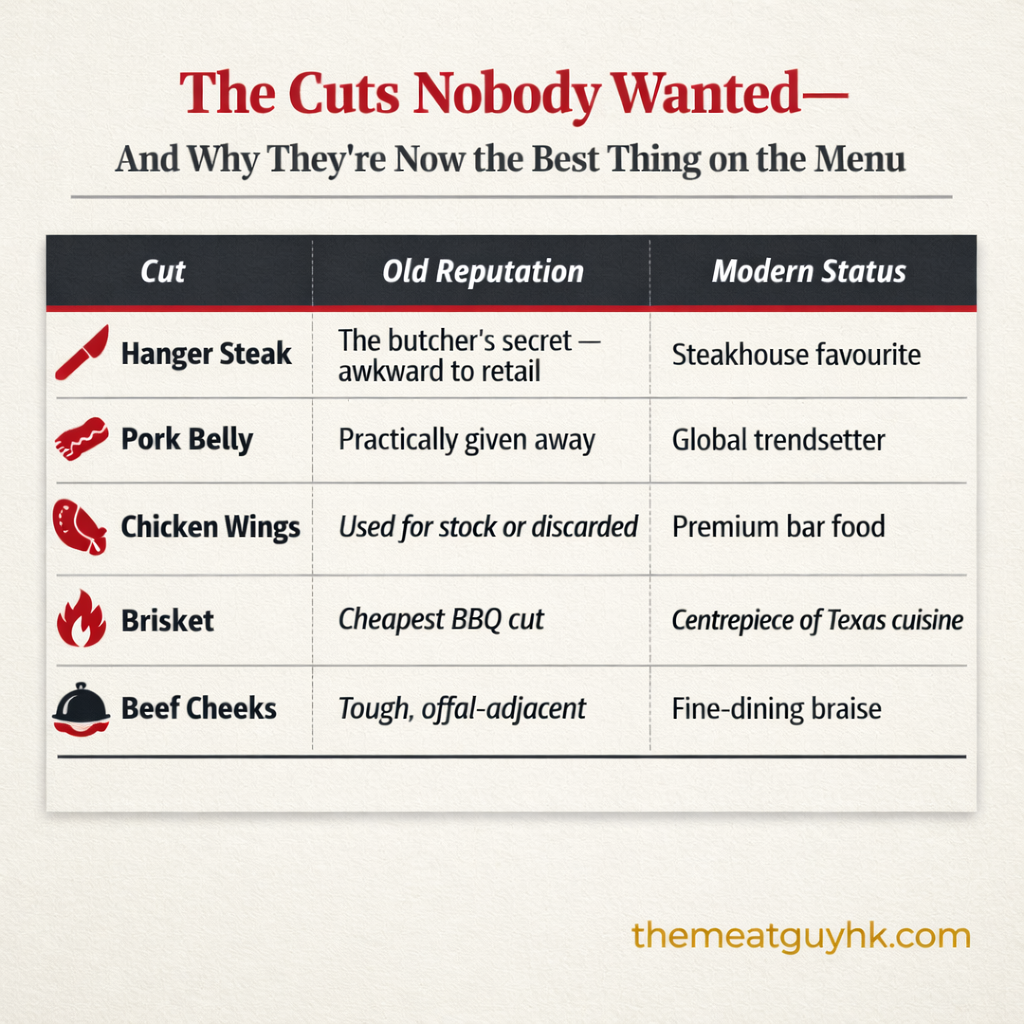
The lamb shank isn't an isolated story. Plenty of cuts have followed the same journey from unwanted to fashionable:
Proof that flavour lives where effort does.
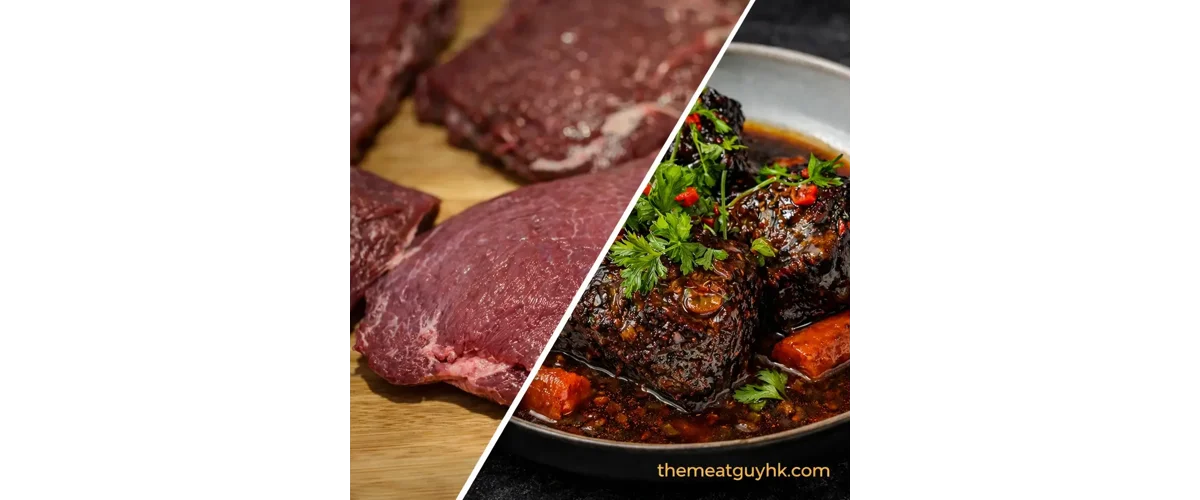
This week we're cooking beef cheeks exactly the way they deserve — low, slow, and finished in red wine. Red Wine Braised Beef Cheeks
Why Did This Happen?
Several shifts changed the way we think about meat:
The slow-cooking revolution — When home cooks rediscovered braising and low-and-slow BBQ, collagen-rich cuts suddenly became rewarding instead of frustrating. Here's why slow cooking still matters in fast cities.
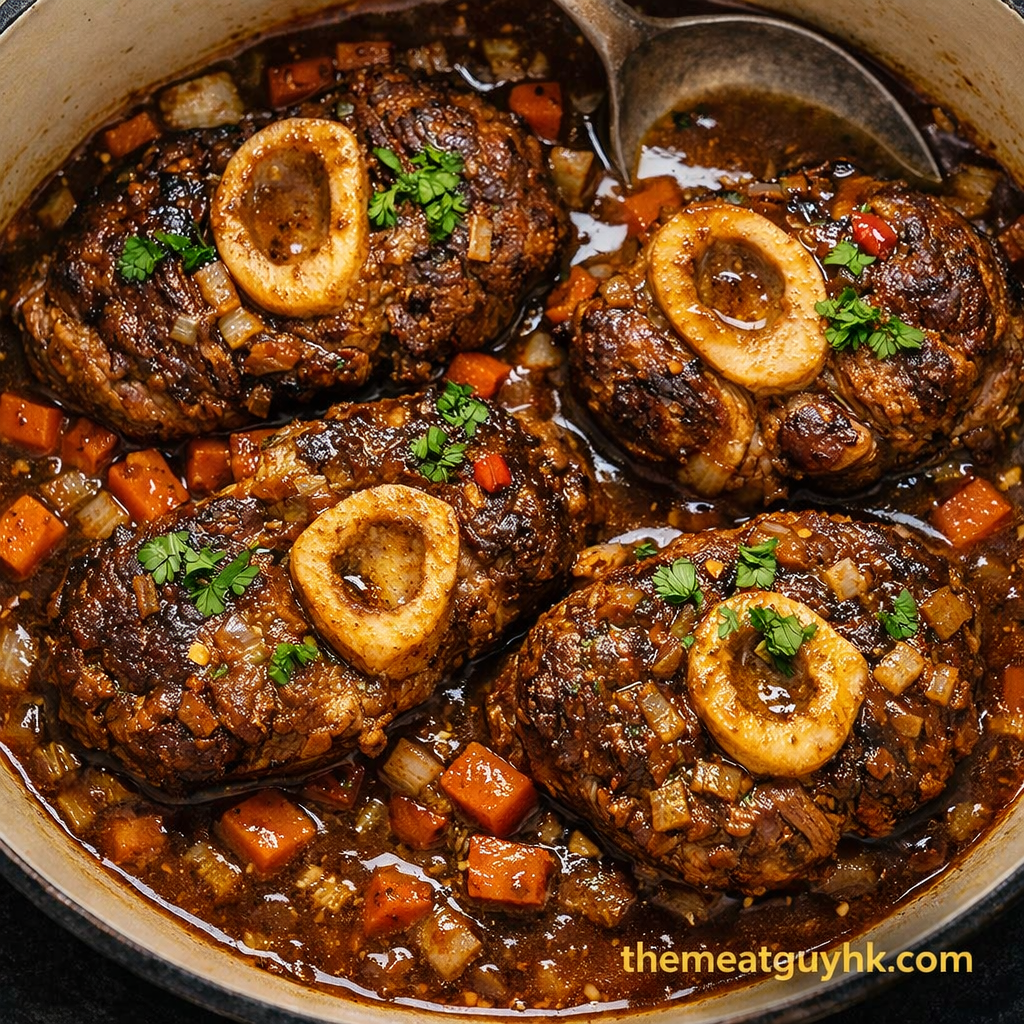
Chef economics — A cut with more flavour than a fillet at a fraction of the price is a chef's dream. Restaurants turned "cheap" cuts into signature dishes and charged accordingly. The irony isn't lost on anyone.
Global food culture — Korean fried chicken, Filipino pork belly, Italian osso buco, and Texas brisket all brought previously regional favourites into the mainstream. What was once peasant food in one country became fashionable dining in another.
Nose-to-tail eating — Chefs like Fergus Henderson made offcuts fashionable, proving that respect for the whole animal could be both ethical and genuinely delicious.
What It Means for You
For anyone buying meat in Hong Kong today, this shift matters:
- The most expensive cut isn't always the most flavourful
- Hard-working muscles develop taste through fat, collagen, and myoglobin — and knowing how to treat them makes all the difference. Marinades vs Sauces: why some dishes need one and some don't.
- The best value often hides behind the "cheap" label
- Knowing your cuts matters more than spending more
If you understand how each muscle works and how to cook it, you'll eat better.
And often spend less.
Full Circle
Back to that Sunday roast. My mother's lamb shank. The butcher who left it on because nobody wanted it. The smell drifting through the house that told you dinner was almost ready.
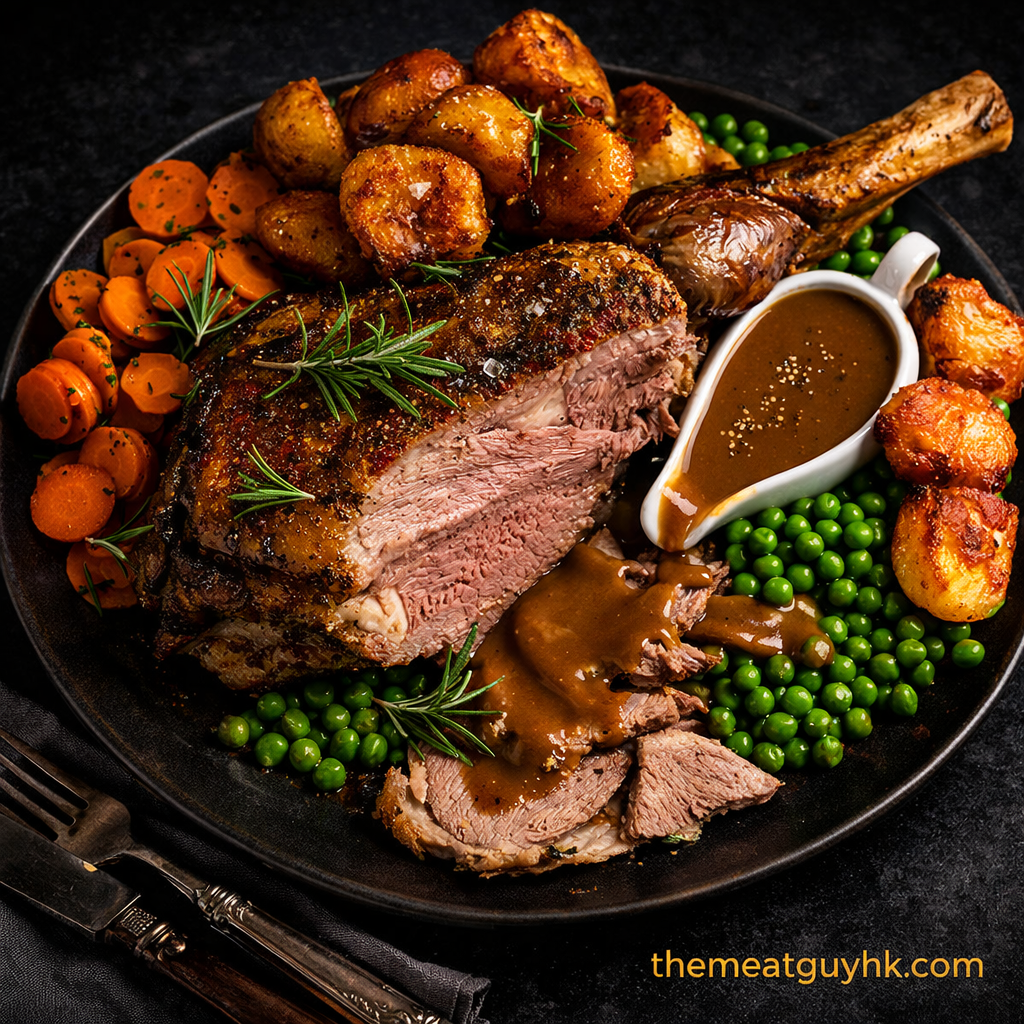
I was right all along — the shank was the best part.
And that's the story behind every cut that earned its way back onto the menu: flavour, patience, and a bit of redemption.
Browse our full range at themeatguyhk.com — you might find your own favourite hiding in plain sight.