
Great Cooking Isn’t About Recipes — It’s About Heat
Great Cooking Isn’t About Recipes — It’s About Heat
Most people only see the final plate.
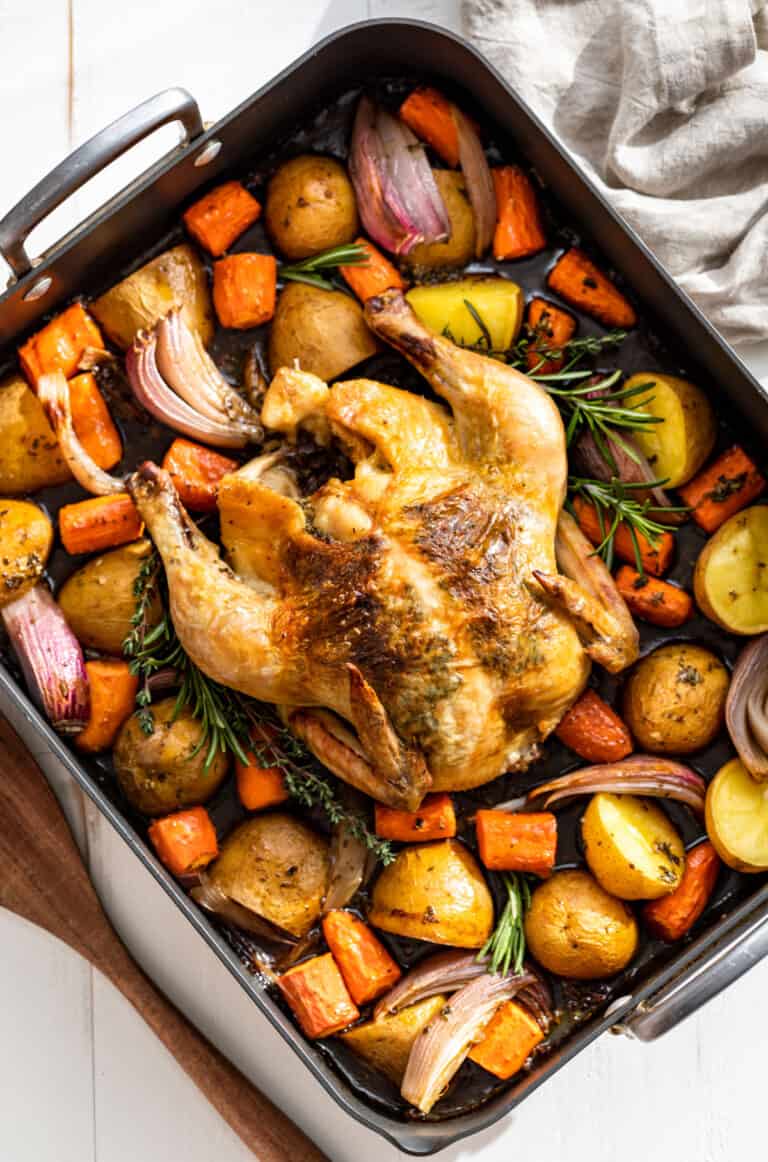
The golden roast chicken.
The bubbling lasagna.
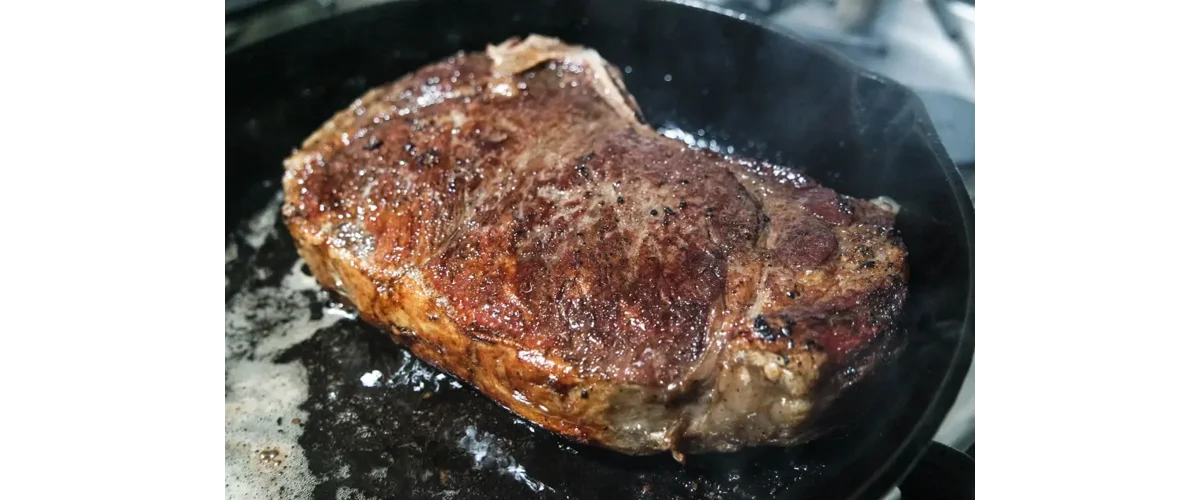
The perfectly seared steak.
But behind every good dish — whether it’s served in a restaurant or cooked in a small home kitchen — there’s something more important than the recipe.
There’s method.
Because the difference between an average meal and a memorable one is often how heat is used.
Once you understand a few basic cooking methods, the kitchen becomes far less mysterious.
1. Moist Heat: Gentle Cooking That Builds Flavor
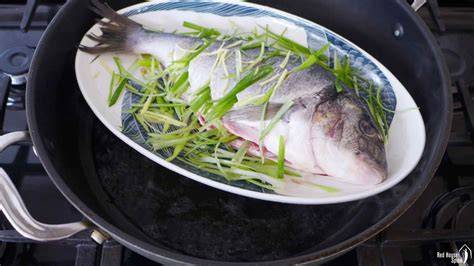
Moist-heat methods cook food with water, steam, or liquid. They’re slower, gentler, and designed to protect texture while building flavour.
Boiling
Used for foods that need full heat and movement — pasta, potatoes, dumplings.
Simmering
Lower, calmer heat that slowly develops flavour — perfect for soups, stews, and sauces like Bolognese.
Poaching
Very gentle heat that keeps proteins delicate — ideal for fish, chicken breast, or eggs.
Steaming
A method that preserves the natural flavour of ingredients. In many Asian kitchens, whole fish or vegetables are steamed with ginger, soy, and aromatics.
These methods may seem simple, but they’re the backbone of comforting, everyday cooking.
2. The Transformation of Dry Heat
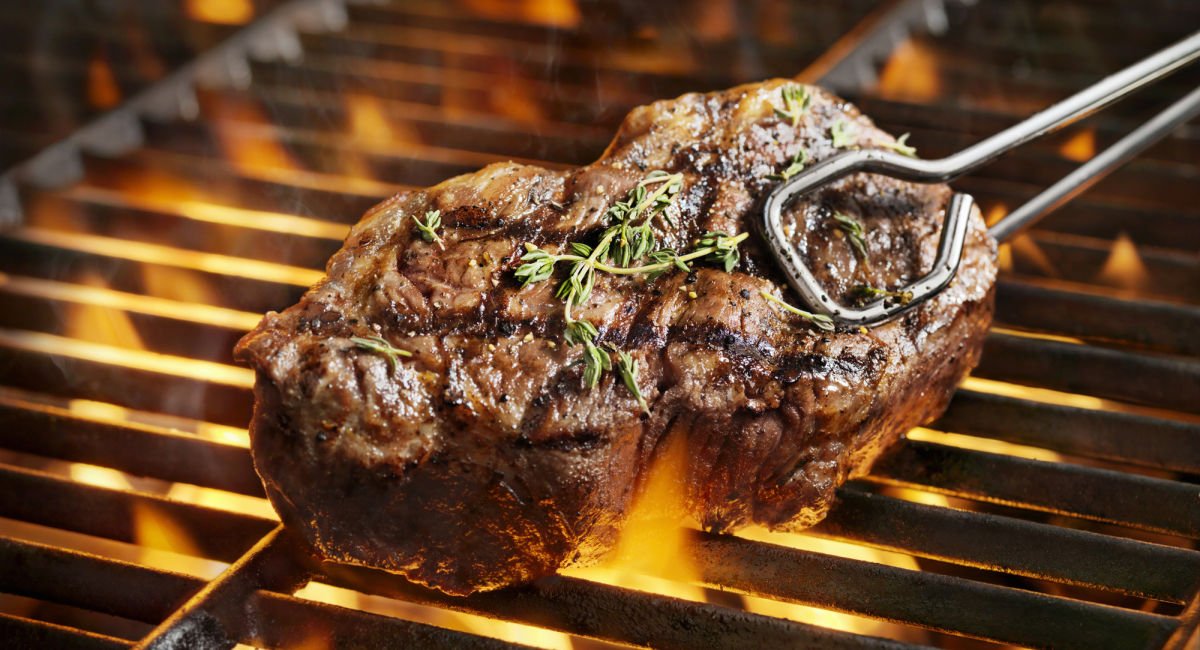
Dry-heat methods rely on hot air, hot metal, or direct flame. They create colour, crispness, and the rich flavours that come from browning.
Roasting
Turns meats golden and vegetables sweet through steady oven heat — though for steak, the reverse sear often delivers better results.
Baking
Transforms doughs and batters into bread, pastries, and cakes.
Grilling
Adds char and smoky flavour — whether over a barbecue or on a stovetop grill pan.
These are the methods that give food texture and contrast — the crisp skin, the golden crust, the charred edge that makes a dish memorable.
3. The Magic of Combination Cooking
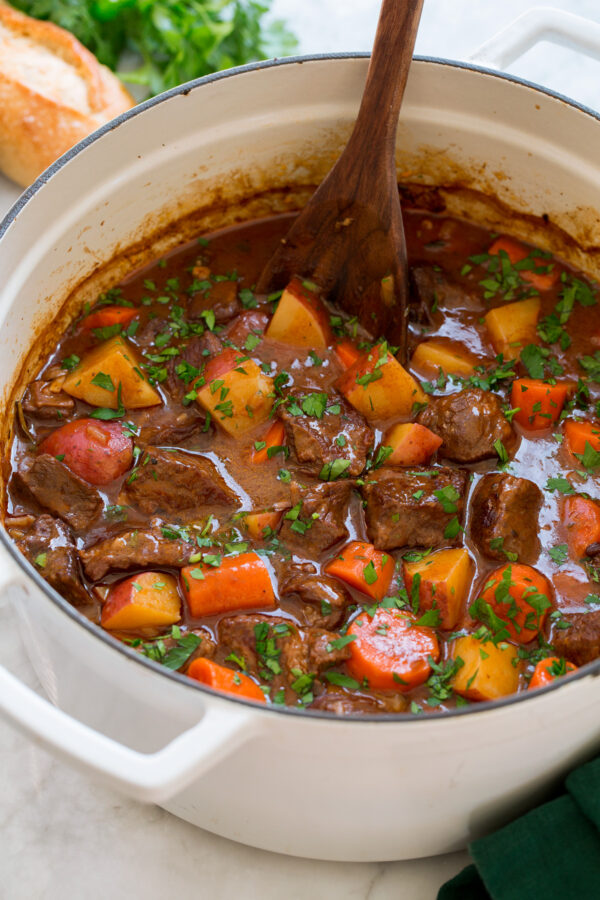
Some of the best dishes use both dry heat and moist heat together.
Braising
A cut of meat is first seared for flavour, then slowly cooked in liquid until tender. Dishes like osso buco or beef short ribs rely on this method.
Stewing
Ingredients are cut smaller and slowly cooked together in liquid, allowing flavours to develop into something rich and comforting.
These methods are especially valuable for tougher cuts of meat, transforming them into something deeply satisfying.
4. Why This Matters for Home Cooks
In professional kitchens, chefs learn these basics early because it helps them understand why dishes work.
At home, the same knowledge removes a lot of uncertainty.
You begin to recognise things like:
-
why simmering soup tastes better than boiling it
-
why roasting vegetables makes them sweeter
-
why searing meat first builds flavour, why resting it properly matters just as much.
When you understand the method, recipes become easier to adapt.
You’re no longer just following instructions — you’re making decisions.
The Real Takeaway
Behind every great dish there isn’t just a recipe.
There’s a method — a way of applying heat, time, and care that transforms simple ingredients.
And once you understand those basics, cooking becomes far less about guesswork and much more about confidence.
Because great cooking isn’t complicated.
It’s built on a few simple techniques used well.