
The More You Spend on This Dish, The Worse It Tastes
The More You Spend on This Dish, The Worse It Tastes
Stop Wasting Money on the Wrong Cut
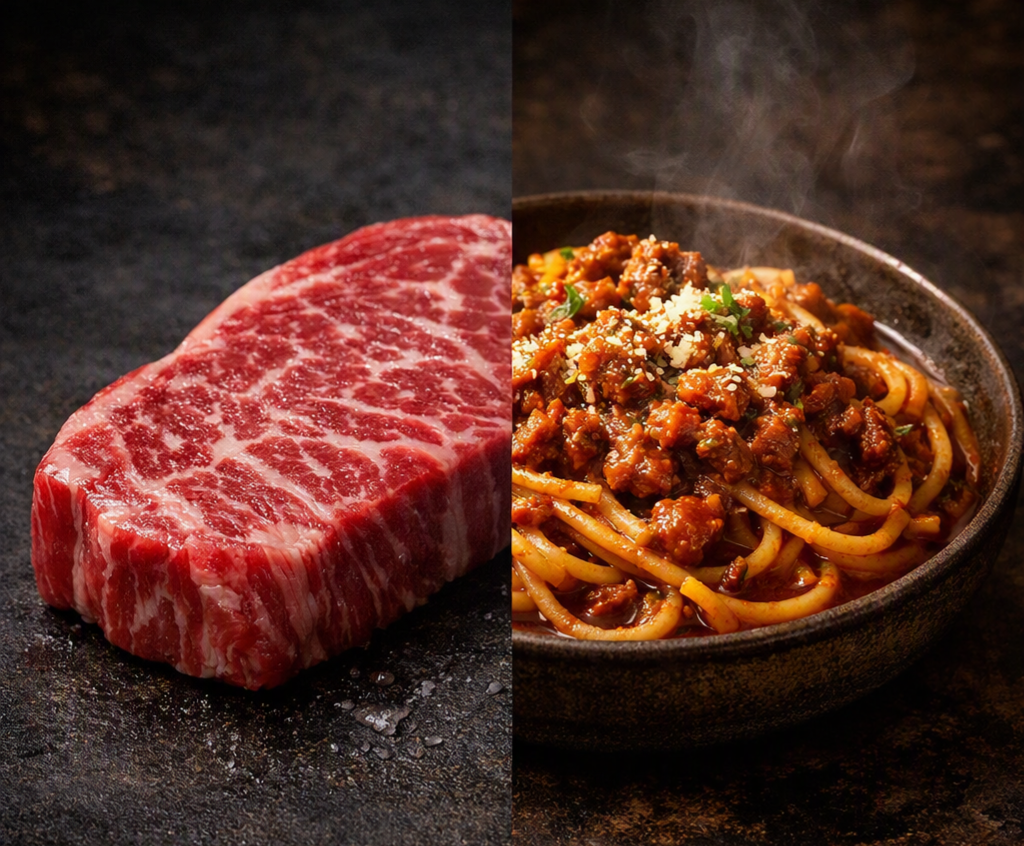
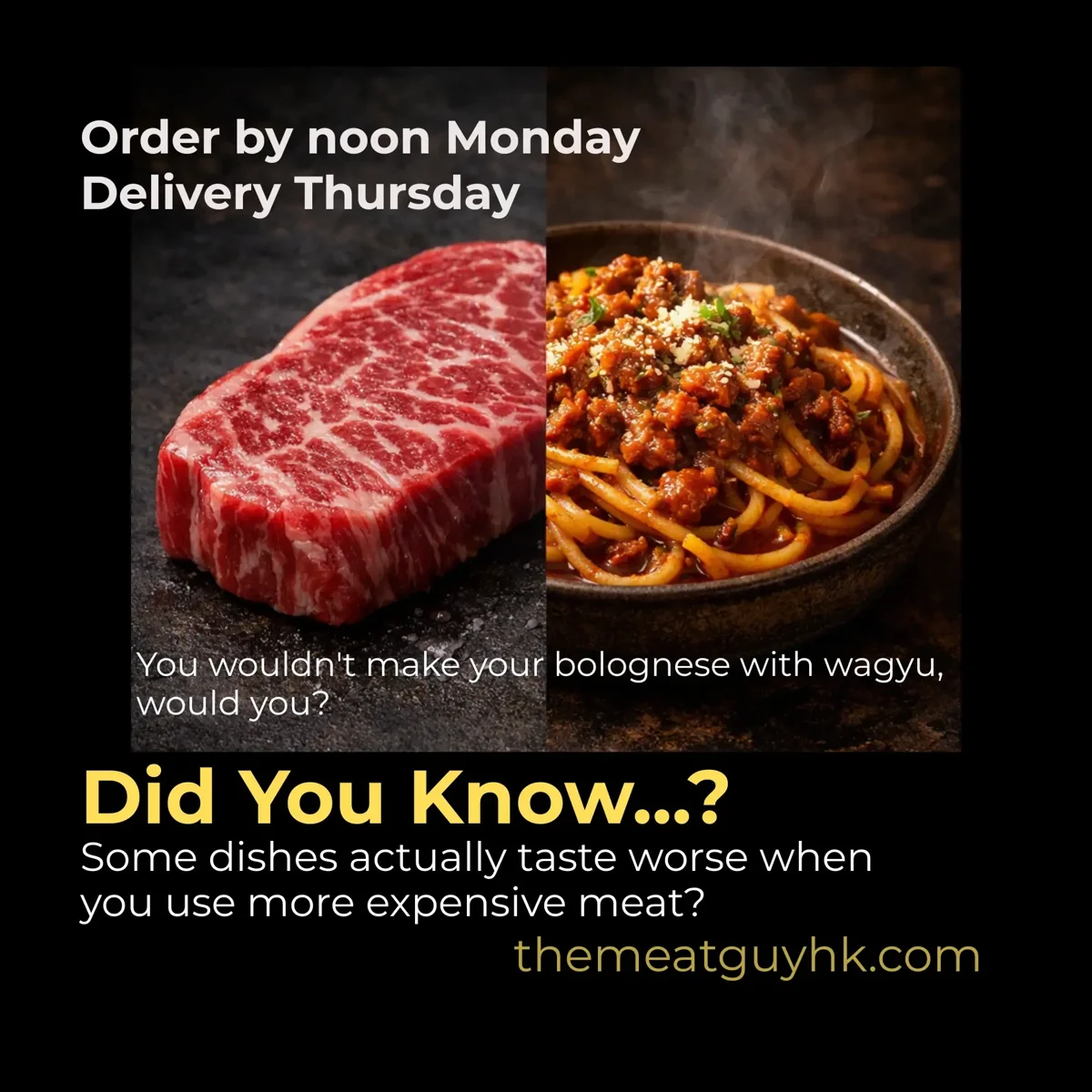
I sell wagyu. M7 and M9 — some of the best available in Hong Kong. And I wouldn't put a wagyu steak cut in a ragù. Not because I can't afford to — because it would make the dish worse.
That's not a controversial opinion. It's just how cooking works.
Premium steak cuts are engineered for specific applications — high heat, short time, immediate serving. When you use them in dishes that need the opposite — long cooks, braises, slow renders — you don't get a premium result. You get a worse one than you'd have had with a cheaper cut built for exactly that job.
Here's where the expensive choice costs you twice — once at the butcher, once on the plate.
The Governing Principle
Before the examples, one distinction worth understanding — because it explains everything that follows.
There are two completely different substances in meat that behave differently under heat:
Intramuscular fat — marbling
This is what wagyu is famous for. It melts quickly at low temperatures and produces richness in fast, high-heat cooking — steak, yakiniku, teppanyaki. It's extraordinary in these applications.
Collagen — connective tissue
This is what chuck, cheek, shin, and shoulder are built around. It breaks down slowly over hours into gelatin — the thing that makes ragù, stews, and braises silky, thick, and structurally rich.
These two are not interchangeable. And this distinction is the foundation of every example that follows.
Some articles claim wagyu makes a luxurious ragù because the fat melts quickly and tastes rich early in the cook. That's true — for the first 20-30 minutes. But in a 2-3 hour braise, wagyu's marbling renders out completely, floats to the top, and separates from the sauce. It does not turn into gelatin. It does not thicken the sauce. It does not create body.
Chuck, cheek, and shoulder contain collagen that breaks down slowly into gelatin, giving the sauce its silkiness, structure, and depth. Wagyu's fat exits the dish. Chuck's collagen becomes the dish.
This isn't opinion — it's how the chemistry of slow cooking works.
Why the cut you choose matters more than the price — this week's Ask The Meat Guy.
Example 1 — Wagyu in a Ragù
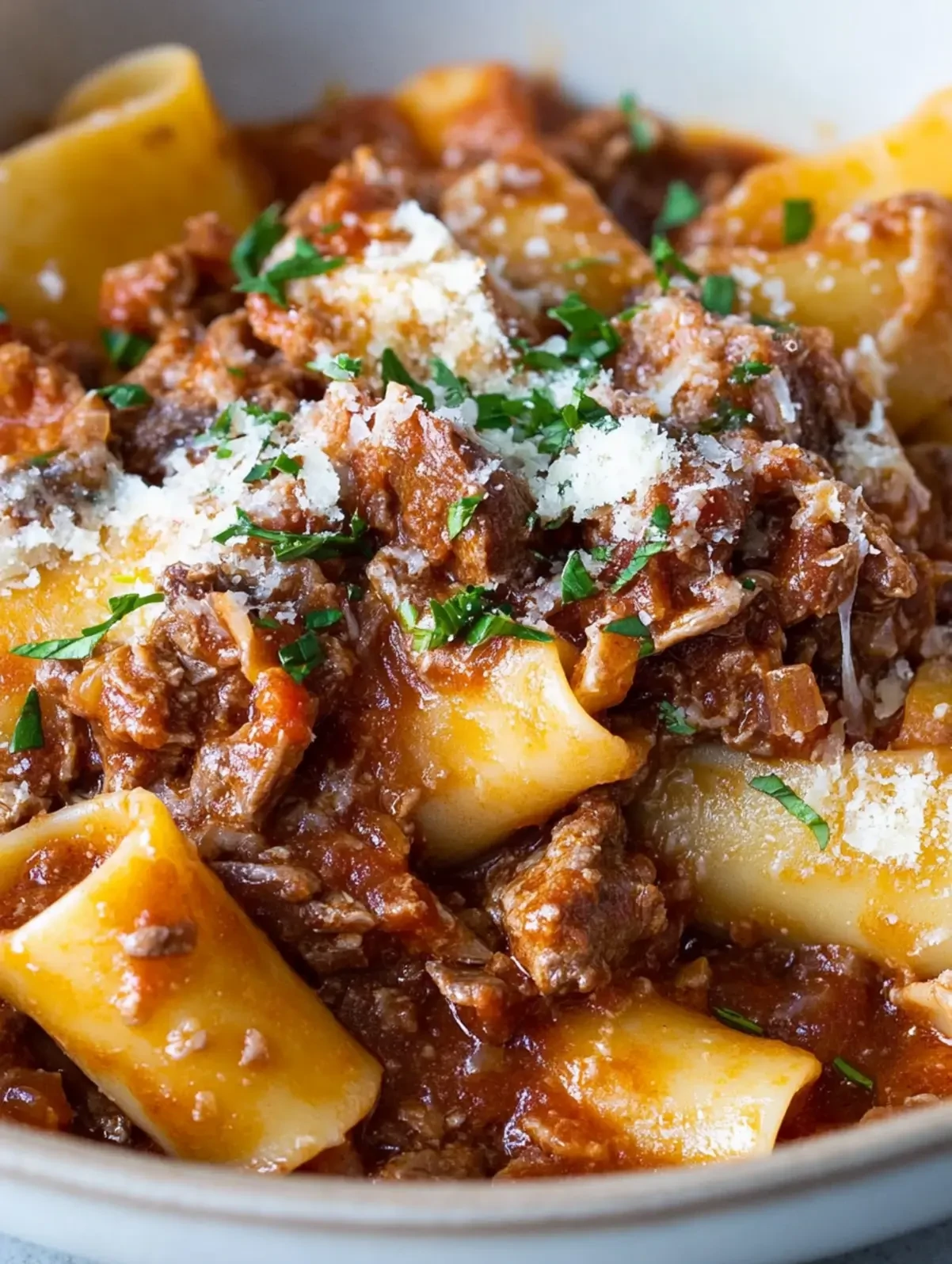
Wagyu's extraordinary marbling renders out almost immediately in a long braise — the fat exits the sauce before the cook is halfway done, making it greasy rather than rich. Chuck has collagen that becomes gelatin over two to three hours. That's the difference between a thin, separated sauce and one with body and silk.
The result: wagyu ragù is greasier and less structured than one made with chuck at a fraction of the price. Not because wagyu is inferior — because it's the wrong tool for this job.
This week's recipe proves it: Beef & Pork Ragù — why cheap cuts make a better sauce.
The cuts nobody wanted — and why they're now the best thing on the menu.
Example 2 — Fillet Steak in a Pie or Stew
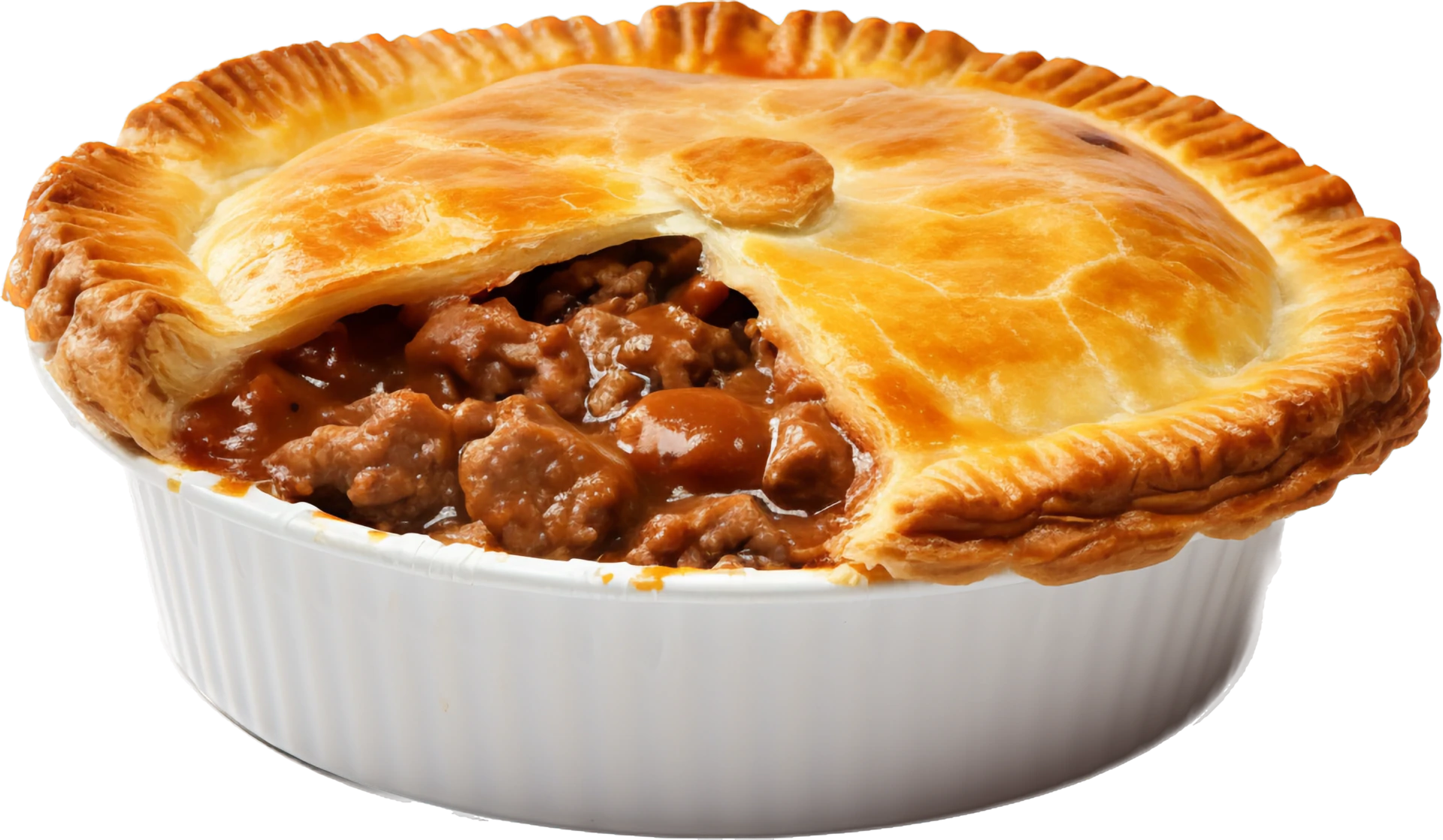
Beef fillet is one of the most expensive cuts you can buy. It's also one of the worst choices for a pie or stew.
Fillet has almost no connective tissue. In a long braise, instead of breaking down into richness, it simply dries out and becomes stringy — the texture of overcooked chicken breast, at three times the price.
Beef cheek or chuck in the same pie is a completely different experience. The connective tissue breaks down into gelatin that enriches the gravy and keeps every piece tender for hours. The more expensive choice produces an objectively worse pie.
Why braising transforms tough cuts — and why tender cuts don't benefit from it.
Example 3 — Lamb Rack Slow Braised
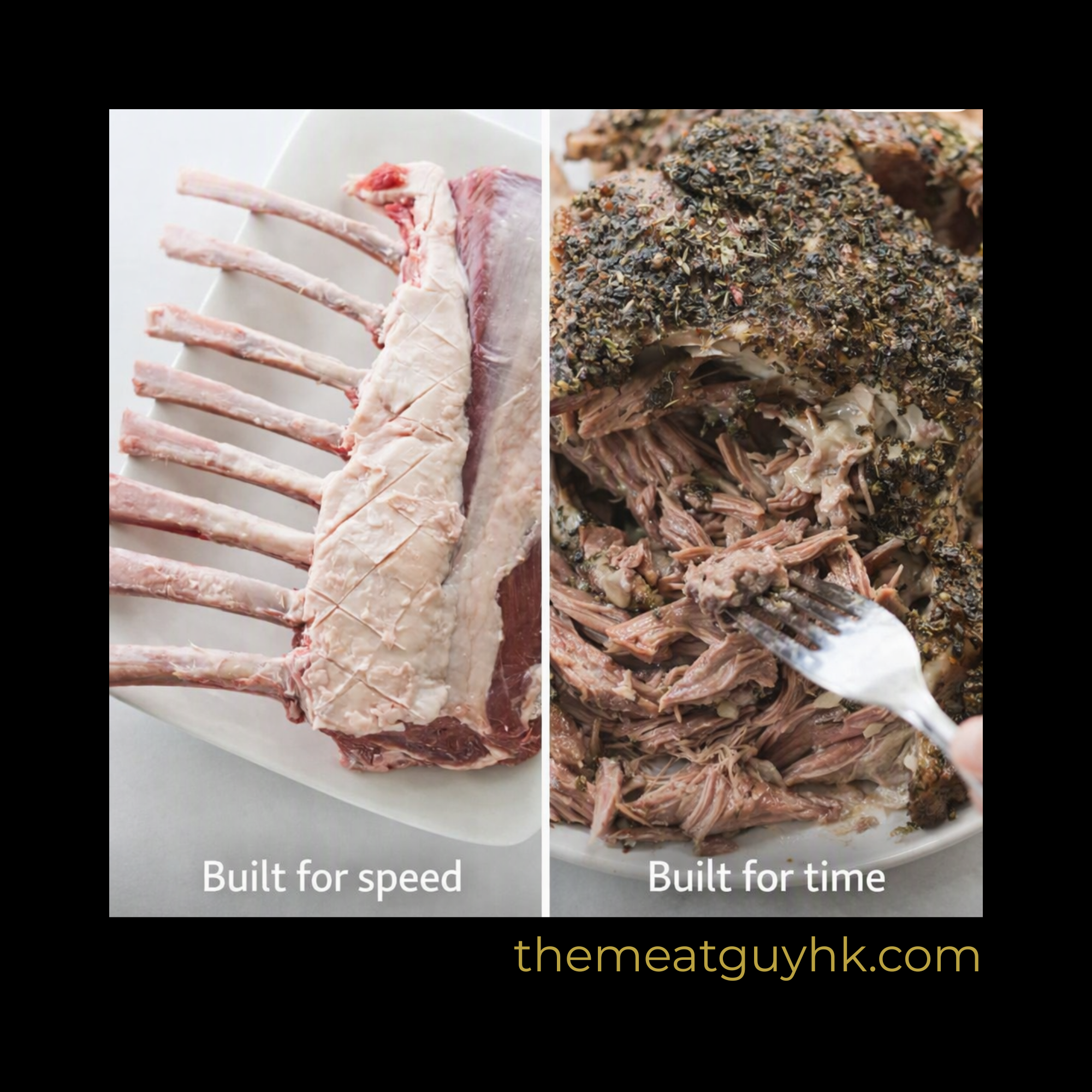
Lamb rack is built for speed — a hot pan, a hot oven, fifteen minutes maximum. The delicate meat and fine bone structure are designed for quick cooking that preserves tenderness and pink.
Slow braise a lamb rack and the meat falls apart — but not in the good way. It dries out, loses its structure, and gives you nothing that a lamb shoulder at a quarter of the price wouldn't have done better.
Shoulder has fat, collagen, and hard-working muscle that loves a long cook. Rack has none of these things. One is built for the braise. One absolutely isn't.
Why slow cooking still matters — even in a fast city like Hong Kong.
Example 4 — Wagyu Burger
This one's personal — and I'll be upfront that it's more a matter of preference than an absolute rule.
Wagyu burgers have genuine advocates, and for good reason. Cooked correctly at lower heat, the fat renders slowly and produces exceptional juiciness. There's no question the texture is different — richer, more unctuous than a standard patty.
But here's my honest take: under a bun, with sauce, cheese, and lettuce, much of what makes wagyu worth the price becomes harder to distinguish. The subtlety of the marbling — the thing you're actually paying for — competes with everything else in the burger. And the cooking requires more care than most people apply to a patty on a grill.
A well-sourced chuck patty with the right fat percentage — around 20% — produces a burger that's juicy, deeply flavoured, and more forgiving to cook. Whether it's better than a wagyu burger is genuinely debatable. Whether it's worth the price difference is a question I'd answer differently to most.
I had this exact conversation recently with a customer. My position hasn't changed — I'd take chuck in a burger nine times out of ten. Not because wagyu is wrong here, but because chuck is right.
Wagyu vs Black Angus: Why I Don't Always Pick the Most Expensive Steak.
Example 5 — Premium Salmon in a Fish Cake
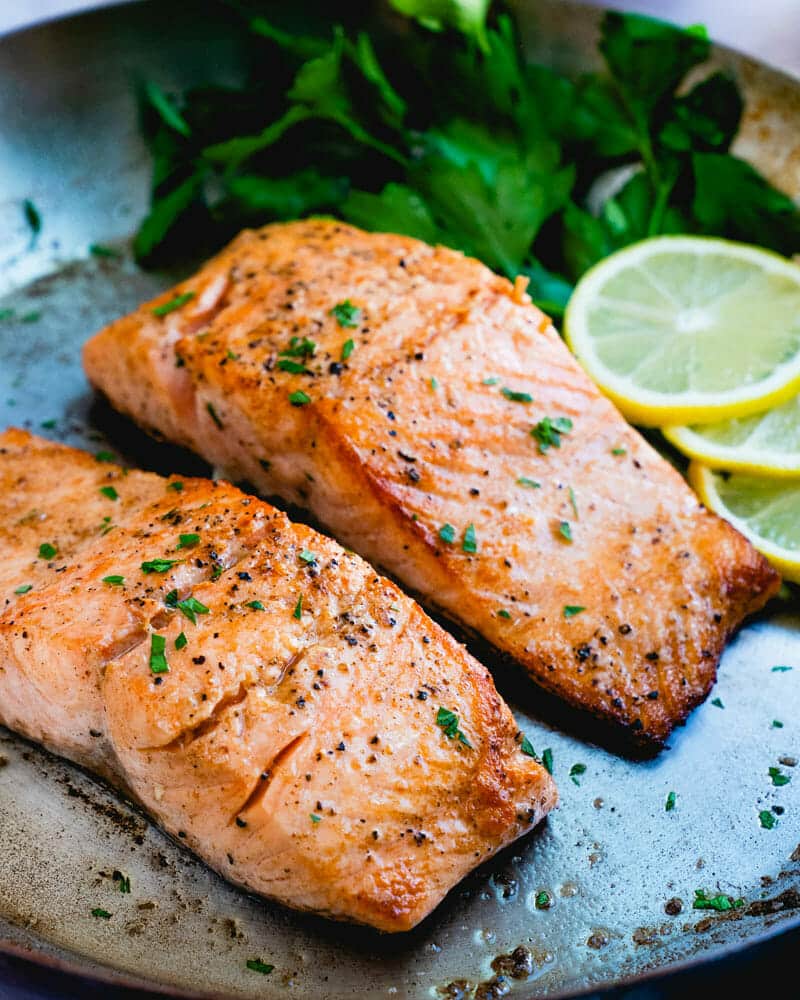
Seafood isn't immune to this principle.
Premium fresh salmon — the kind that arrives properly handled, deep orange, and clean smelling — is extraordinary pan-seared with nothing but butter and lemon. The subtlety of the flavour, the texture of the flesh, the fat content that bastes it during cooking — all of these things matter when the salmon is the dish.
Flake that same salmon into a fish cake or stir it through a cream sauce, and every one of those qualities disappears. The binding, seasoning, and other ingredients overwhelm everything that made the salmon worth buying.
A more robust, less expensive fish does the same job in a fish cake and costs significantly less. Save the premium salmon for applications where it can actually show you what it is.
How to tell when seafood is fresh — and why it matters.
The Governing Takeaway
None of this means expensive meat is bad. Wagyu as a steak, properly cooked, is extraordinary. Lamb rack seared and rested is one of the best things you can eat. Premium salmon pan-seared is restaurant quality at home.
The mistake isn't buying them. It's using them in dishes where their specific qualities — low connective tissue, delicate fat, fine texture — become liabilities rather than assets.
Buy the right cut for what you're making. Sometimes that's wagyu. More often than you'd think, it isn't.



Thank you for posting your blog comment. It will be reviewed and set live soon. If you provided your email then you will be notified of replies to this comment.