
Different Fats
All Fat Is Not the Same
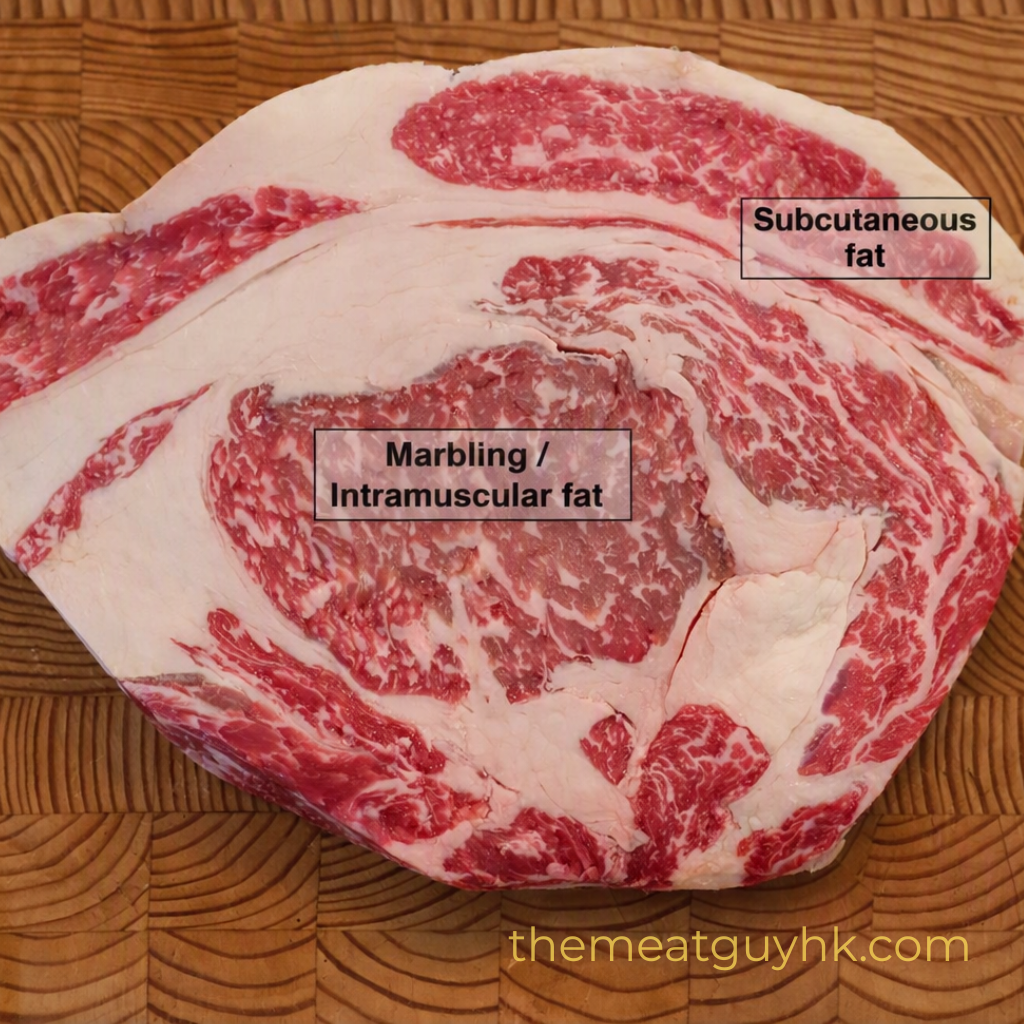
Question: "I've noticed that mince from different cuts looks really different — sometimes the white bits are soft and creamy, sometimes they're firmer or even a bit shiny. Isn't all fat just… fat? Why does it matter?"
Answer: All fat is not the same — and the type of fat inside your mince changes how it cooks, how it tastes, and even how it feels in the pan.
Most people think mince is just "meat plus fat," but there are actually three different kinds of fat and fat‑like tissue that show up depending on the cut. We touched on this in more depth when comparing wagyu fat versus collagen — the same distinction applies here.
1. Intramuscular fat / marbling
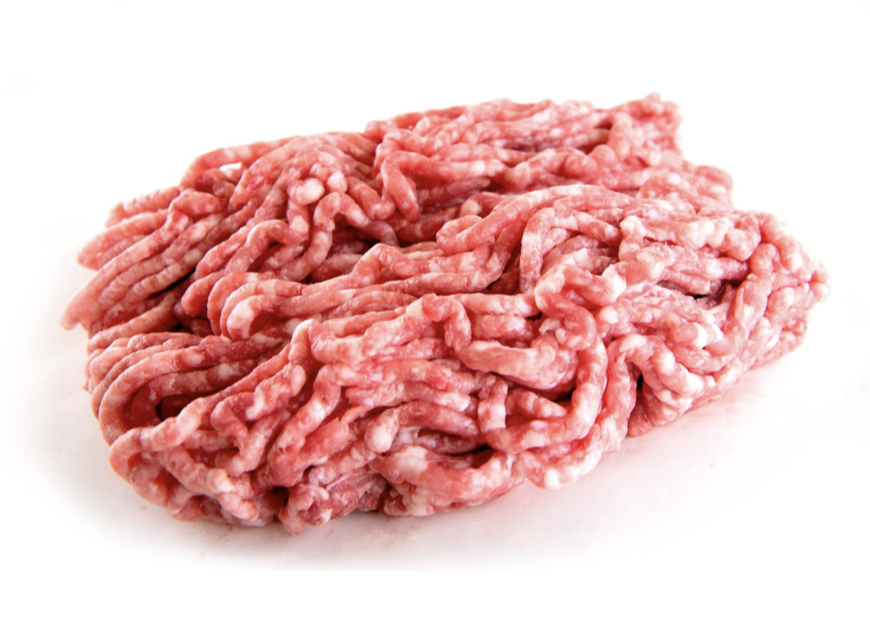 This is the fine, creamy white fat inside the muscle — the stuff you see running through chuck or shoulder. It melts evenly, adds moisture, and gives mince its flavour and structure. This is the fat you actually want in your mince.
2. Subcutaneous fat / fat cap
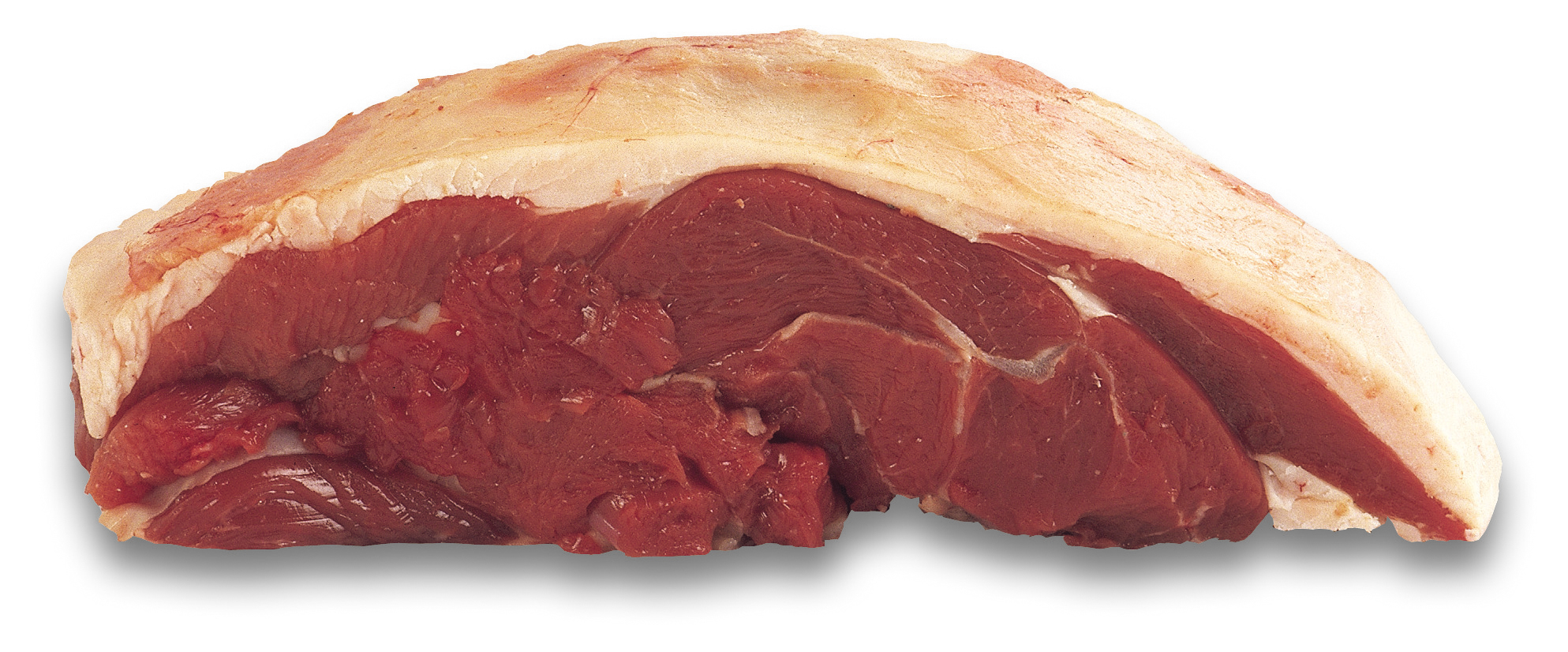
This is the thicker outer layer of fat that sits on top of certain cuts. Some of it gets trimmed into mince depending on the cut and how it's prepared. It's richer and heavier than marbling, so it changes how mince behaves — a little keeps it juicy, too much makes it greasy. Different cuts naturally carry different amounts.
3. Connective tissue / silverskin
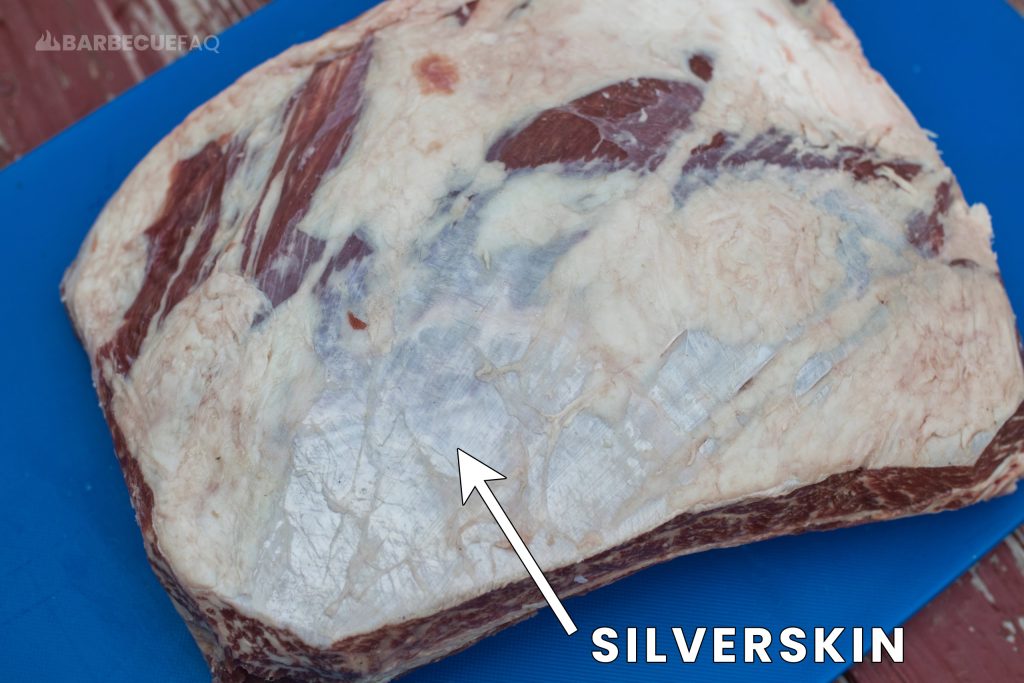
This is the shiny, slightly translucent membrane that many home cooks mistake for fat. It isn't fat, and it doesn't melt the way fat does — which is why it's trimmed away before mincing rather than left in. If a mince feels firmer or slightly chewy, that's more often down to lower overall fat content, as we covered in why lean cuts go wrong, than to any silverskin surviving the grind.
Why this matters for mince you buy
Even if you're not making mince yourself, the cut determines the fat type, and the fat type determines texture, moisture, flavour, and how the mince behaves in the pan. This is why chuck mince tastes different from flank mince — not just because of fat percentage, but because the fat itself is different, a point we broke down in more detail in not all mince is the same.
Prep & Handling takeaway
When you're choosing mince, don't just look at the fat percentage — look at the type of fat in the mix. Creamy flecks mean marbling and flavour. Thick white sections mean fat cap and richness. A shiny membrane means connective tissue, which should be trimmed, not cooked in. Understanding the difference helps you pick the right mince for the right dish.