
Not All Mince Is the Same — And the Supermarket Bag Won't Tell You
Not All Mince Is the Same —
And the Supermarket Bag Won't Tell You
Most people buy mince by species alone — beef mince, chicken mince, pork mince — as if those words describe a single, uniform product.
They don't.
"Mince" isn't a cut. It's a process. And what goes into that process determines everything that comes out of it — flavour, texture, moisture, and even how it behaves in the pan.
Why Cut Matters More Than Species
Mince is the destination for other cuts.
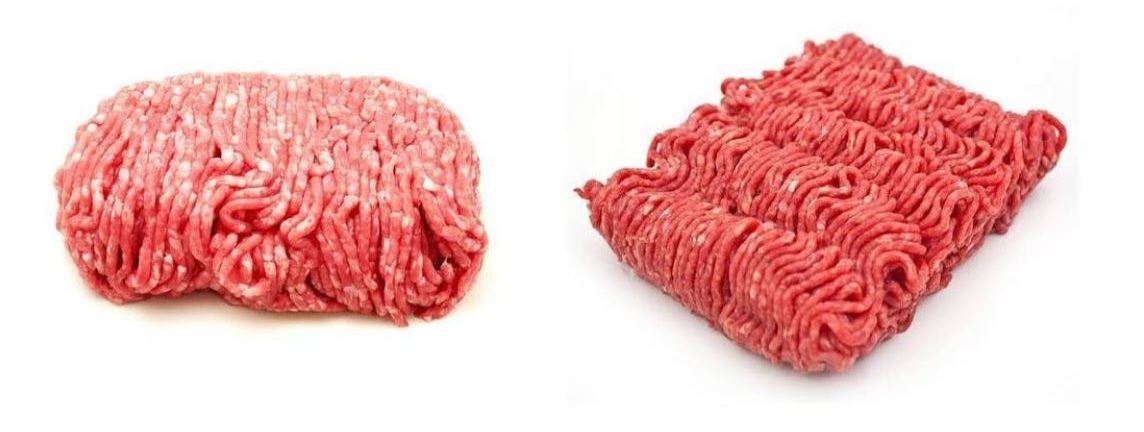
That's why two packs of "beef mince" can taste completely different — one made from chuck, another from flank, another from trimmings.
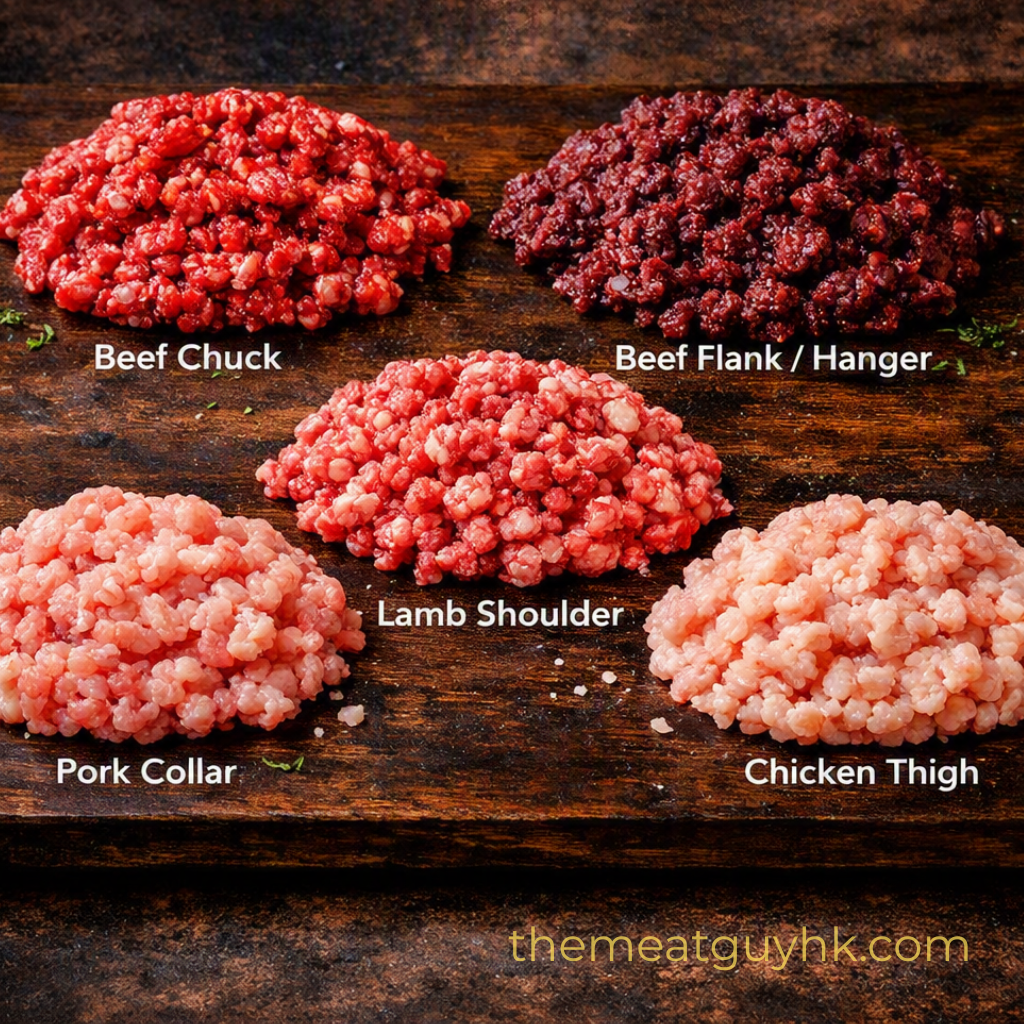
The cut defines the character. Lamb shoulder mince gives structure and juiciness. Lamb leg mince gives a cleaner, leaner bite. The same logic runs across every species we mince — chuck versus flank, collar versus tenderloin, thigh versus breast.
The species tells you the animal. The cut tells you the story.
Fat Content — Why It's Not Something to Minimise
We've been taught to fear fat.
But in mince, fat isn't the enemy — it's the engine.
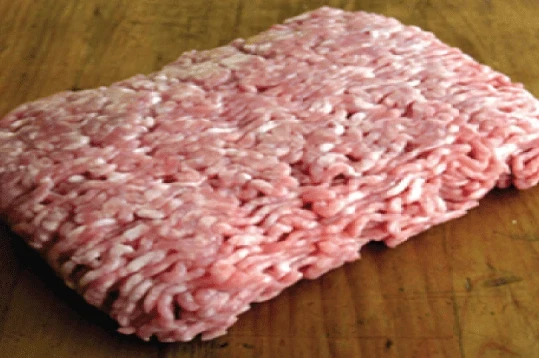
Fat equals moisture, flavour, and texture. A lean mince might sound virtuous, but it cooks dry and crumbly. A cut with a healthy fat content holds together, browns properly, and tastes alive — which is exactly why the leanest cuts (chicken breast, pork tenderloin) rarely make good mince on their own, while fattier cuts like lamb shoulder or beef chuck do the heavy lifting in dishes that need to stay juicy.
This is the same principle behind our upcoming "All Fat Is Not the Same" article — fat quality matters more than fat quantity.
What Supermarket Mince Doesn't Tell You
Most pre‑packaged mince is a blend of unknown cuts. It's labelled by species, not by source.
That's why one week's "beef mince" can behave beautifully in a burger and the next week fall apart in a sauce. You're buying a mystery mix — not a defined ingredient.
Knowing what cut your mince comes from is the difference between cooking with confidence and cooking blind.
Practical Takeaway — Matching Mince to Dish
Here's the quick logic that ties back to this week's cut comparison:
| Dish | Cut | Fat % | Why |
|---|---|---|---|
| Kofta / Meatballs | Lamb Shoulder | 20–25% | Holds shape, stays juicy |
| Bolognese / Ragù | Beef Chuck | 15–20% | Deep flavour, slow-cook structure |
| Stir-Fry / Quick Dishes | Beef Flank | 5–8% | Clean, lean bite for fast cooking |
| Dumplings / Patties | Pork Collar | 15–20% | Balanced texture, holds together |
| Quick Sautés | Chicken Breast | <5% | Light, fast-cooking, minimal fat needed |
| Burgers / Meatballs | Chicken Thigh | 10–15% | Stays moist where breast dries out |
When Mixing Works
Not every dish wants a single, pure mince. Some of the best-known dishes deliberately blend cuts or species — and there's real logic behind it, not just habit.
A classic ragù often blends beef and pork because beef brings depth and structure, while pork brings extra fat and a rounder, sweeter finish that beef alone doesn't give you. Burgers frequently blend a leaner cut with a fattier one to hit a specific fat percentage that no single cut delivers on its own — you're not just mincing, you're formulating. Sausages go further still, often combining meat, fat back, and sometimes two species, because the casing and the cure change what the mince needs to do structurally.
The point isn't that blending is a shortcut. It's that a good blend is still a deliberate choice — you're combining cuts for a reason, the same way you'd choose a single cut for a reason. The instinct that "mince is mince" fails either way, whether you're using one cut or three.
Closing
Supermarket mince treats you like a passenger. Knowing your cuts makes you the driver.
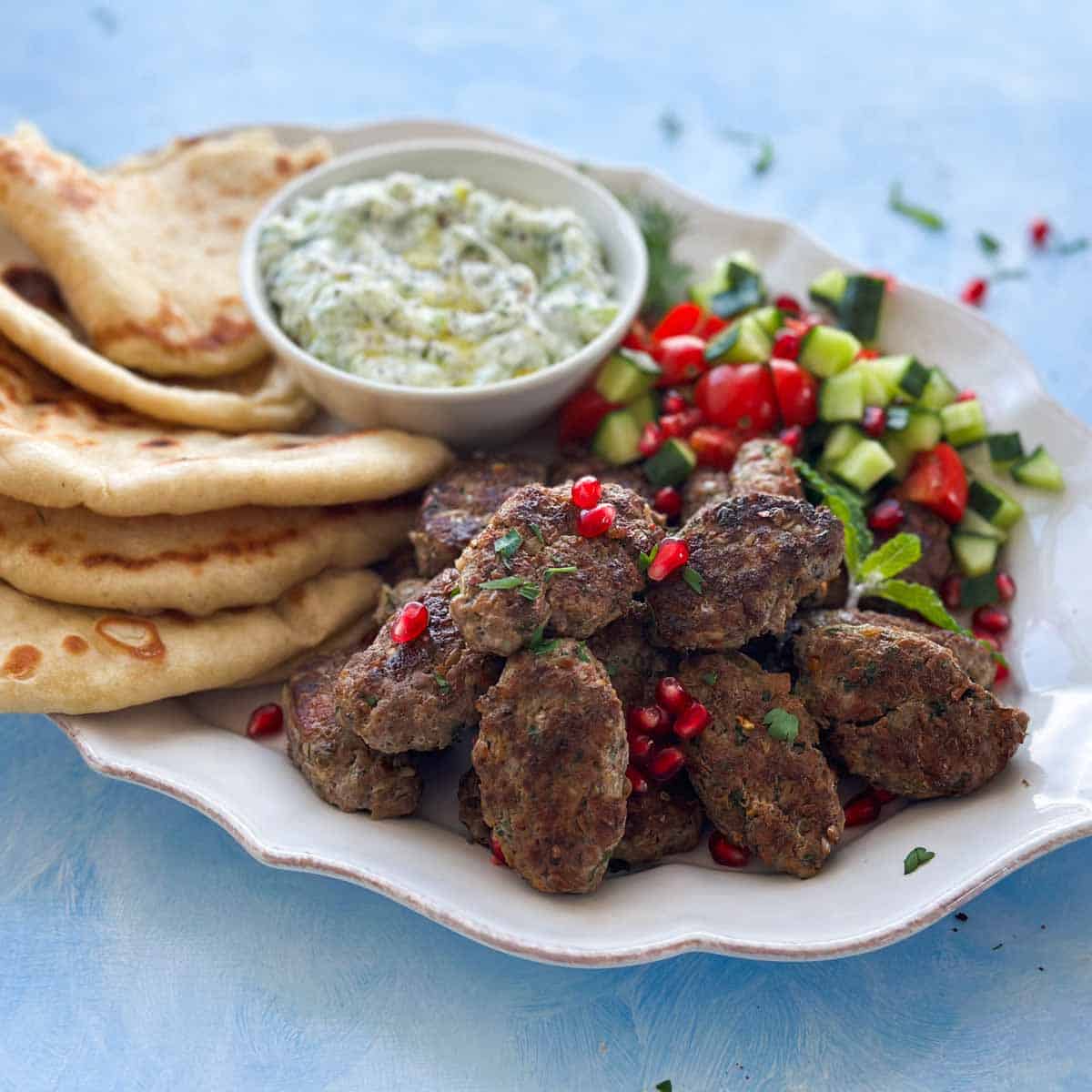
That's the difference between buying meat and understanding it — and it's exactly what we stand for. This week's kofta recipe is the proof: lamb shoulder mince chosen deliberately for its structure and flavour, not just because it's "lamb." That's what good cooking looks like — intention, not accident.