
Lamb vs Beef
Why Does Lamb Taste Different to Beef — And What Does That Mean for How You Cook It?
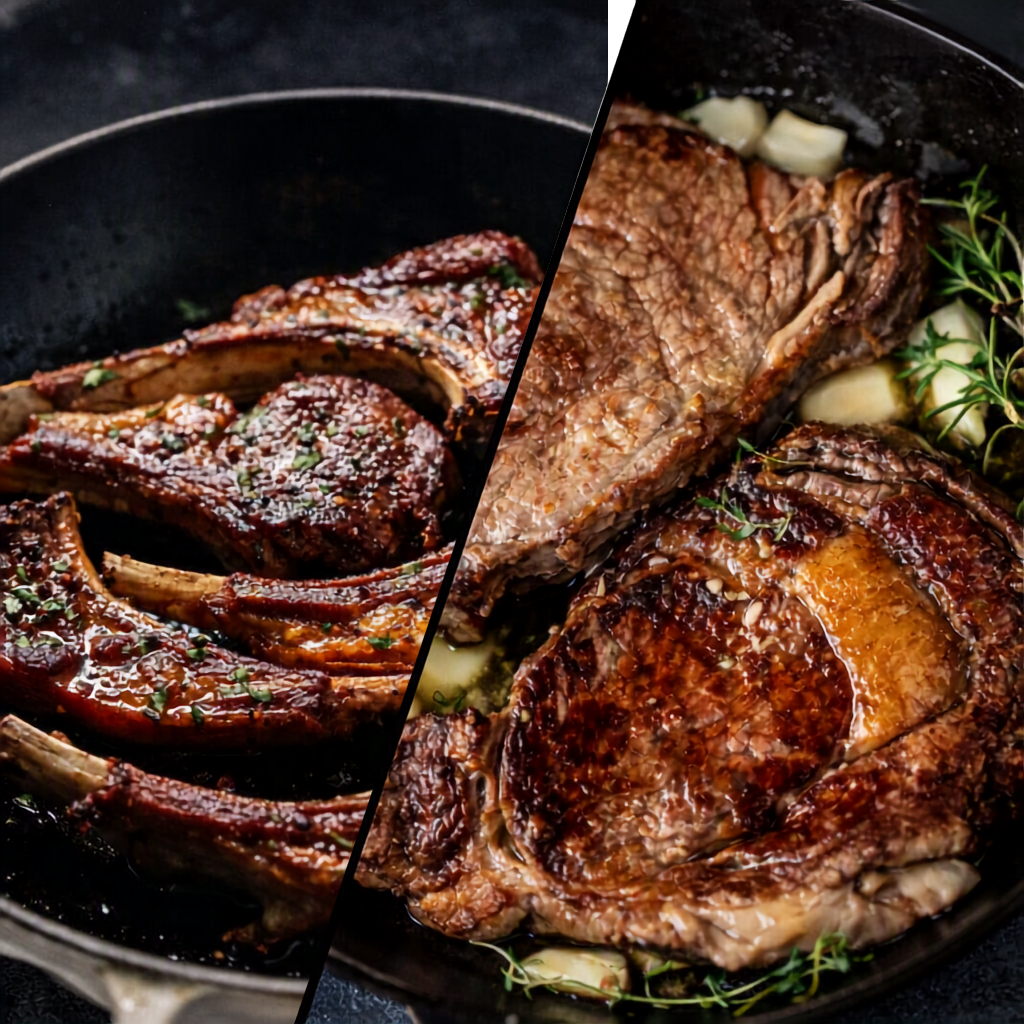
Lamb tastes different from beef because its fat contains unique flavour compounds, its muscles are younger and finer, and its fat behaves differently under heat. Those differences change how you season, cook, and rest lamb — and why medium-rare lamb tastes dramatically better than well-done.
1. The Reason Lamb Tastes Different
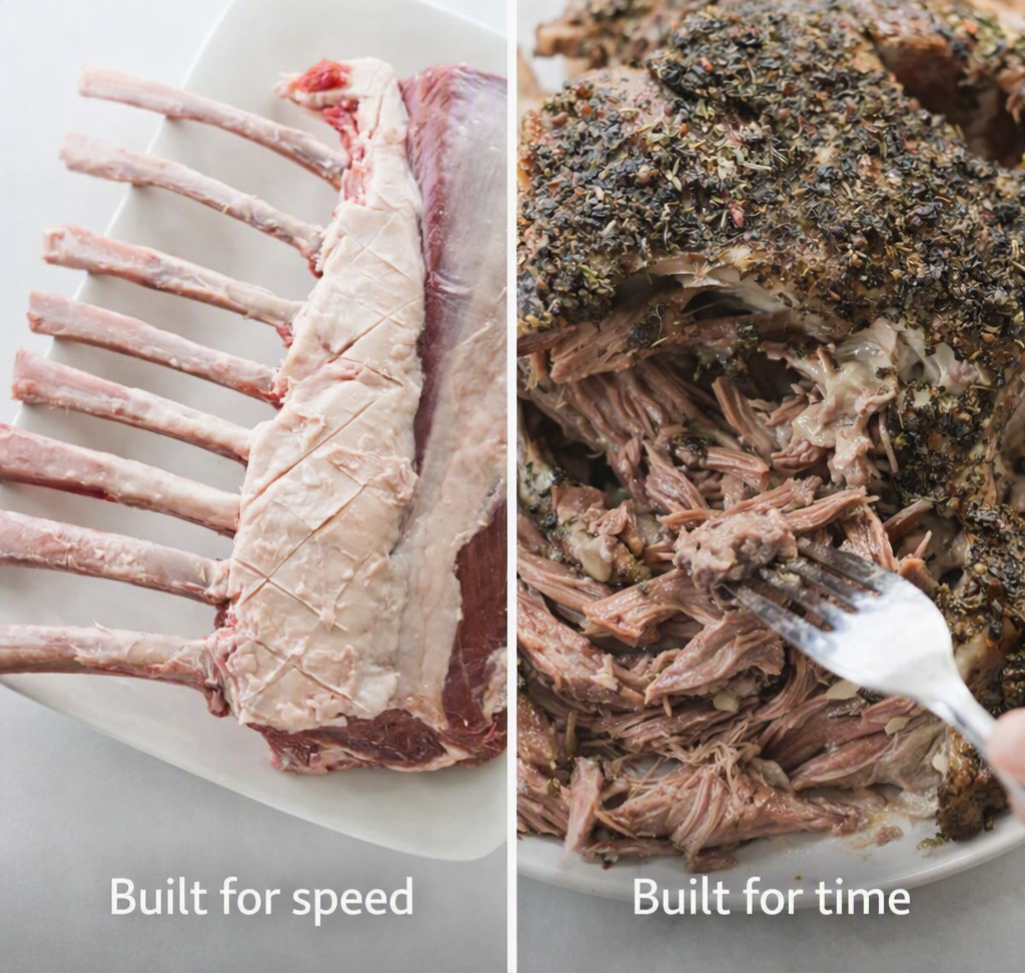
Branched-Chain Fatty Acids
The biggest reason lamb tastes like lamb.
Sheep produce specific fatty acids — particularly 4-methyloctanoic and 4-methylnonanoic acid — that cattle don't produce in the same concentration. These compounds sit in the fat, not the muscle. This is why trimming lamb fat reduces the distinctive flavour significantly — and why well-sourced young lamb has a milder flavour than older animals where these compounds are more concentrated.
The difference between Australian and NZ lamb — and why sourcing affects flavour.
Age at Slaughter
Lamb is slaughtered young — typically under 12 months. Younger animals have finer muscle fibres, milder fat, a cleaner flavour, and a faster cooking response. This is why lamb tenderloin is naturally tender without needing ageing or slow cooking, and why lamb overcooks more quickly than beef.
Fat Composition and Distribution
Lamb fat carries more aromatic compounds than beef fat — and those compounds are more volatile, releasing their distinctive aroma earlier in the cook. This is why the smell of lamb cooking is noticeable almost immediately, and why the fat carries so much of the flavour in the finished dish.
Why fat behaves differently depending on the cut and cooking method.
Muscle Structure
Lamb muscles are smaller and finer than beef. They tighten faster under heat — which is why lamb overcooks quickly and becomes firm if pushed past medium-rare. This is the same principle that makes lean cuts challenging across all proteins.
Why lean cuts go wrong — and how to cook them properly.
2. What This Means for How You Cook It
Lamb Absorbs Aromatics Faster
Marinades, spice rubs, yogurt, lemon — lamb takes on flavour more readily than beef. Shorter marination times work beautifully. An hour in a lemon and herb marinade does more for lamb than the same marinade does for beef overnight.
Marinades vs Sauces — why some dishes need one and some don't.
Lamb Benefits From Acid
Lemon, yogurt, pomegranate, vinegar — acid balances the branched-chain fatty acids and softens the distinctive lamb flavour without eliminating it. This is why so many classic lamb preparations — from Greek souvlaki to Indian keema — use acid as a core component. Beef doesn't always need this balance. Lamb often does.
Lamb Overcooks Faster
Finer muscle fibres mean quicker tightening. The window between perfectly cooked and overdone is narrower than with beef. Medium-rare lamb — pink throughout, juicy, tender — is dramatically better than well-done, which can become dry and lose much of what makes it worth eating.
The Aroma Intensifies Under Prolonged Heat
Unlike beef where a long slow cook deepens and mellows flavour, lamb's aromatic compounds can intensify with extended heat if the fat is present. For slow-cooked lamb cuts — shoulder, shank, leg — this works in your favour because the fat renders into the sauce and adds depth. For quick-cooked cuts, it means precision matters.
Resting Matters More for Lamb
Lamb fibres relax noticeably during resting. Cutting too early loses more moisture than it would with beef. Even a tenderloin or chop benefits from a full 5 minutes of rest. A leg or shoulder — longer.
Why resting meat matters — and how long to do it.
3. Lamb's Cooking Personality
| Cooking Aspect | Lamb Behaviour | What To Do |
|---|---|---|
| Flavour absorption | Faster | Shorter marinades, strong aromatics |
| Aromatic compounds | More volatile, release earlier | Use acid to balance, trim fat if you want milder flavour |
| Heat response | Tightens quickly | Cook to medium-rare |
| Aroma under heat | Can intensify | Precision for quick cuts, render slowly for slow cuts |
| Resting | More important than beef | Rest longer than you think you need to |
Final Thought
Lamb tastes different from beef because its fat and muscle structure are fundamentally different. Once you understand those differences, cooking lamb becomes dramatically easier — and the results become dramatically better.
Season boldly. Use acid. Cook to medium-rare. Let it rest.
Lamb rewards precision more than almost any other protein.
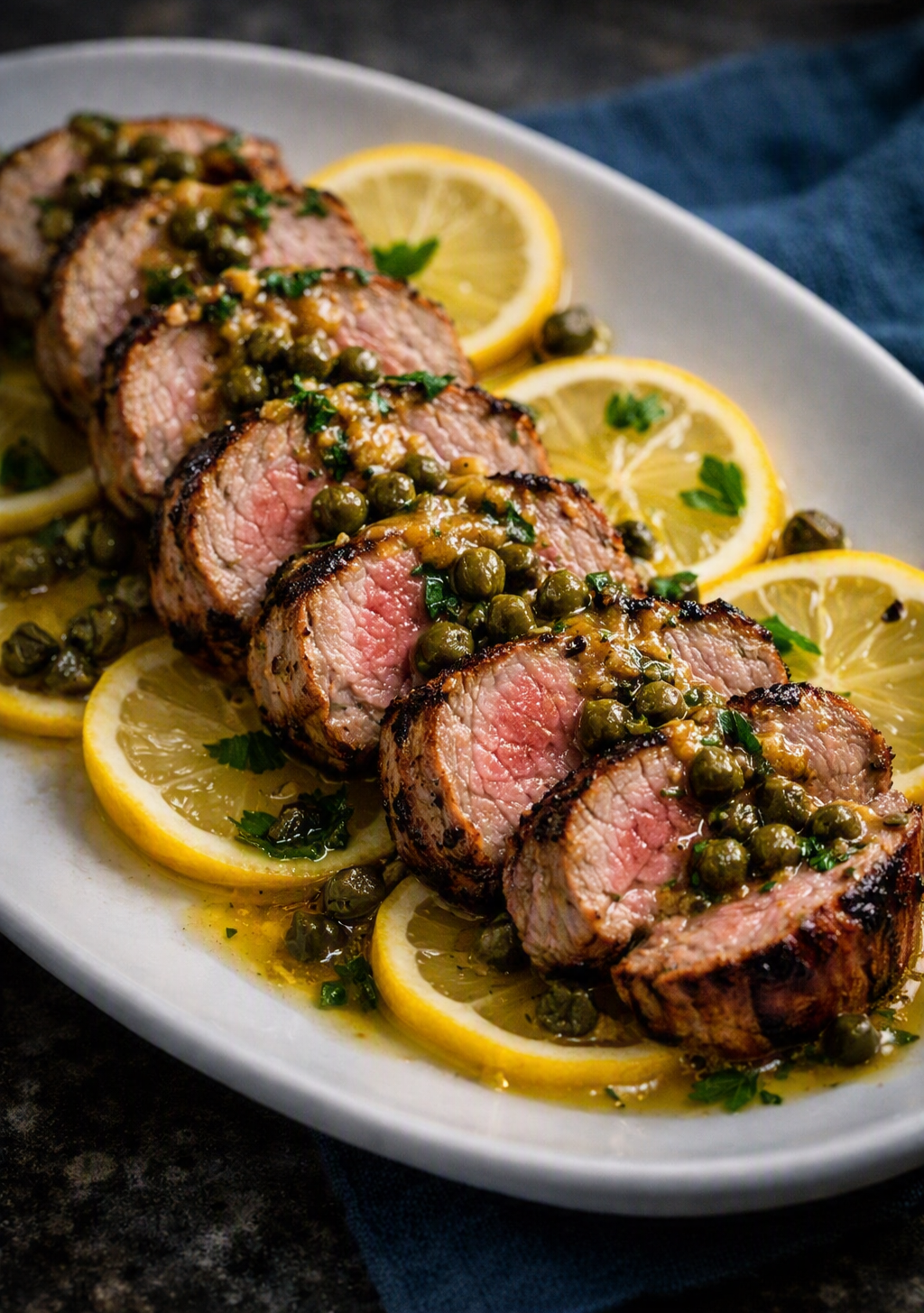
This week's recipe — Lamb Tenderloin with Lemon-Caper Pan Sauce — puts all of this into practice.
Lamb Deserves Better — this week's blog makes the full case.