
Resting Meat After Cooking: Why It Matters
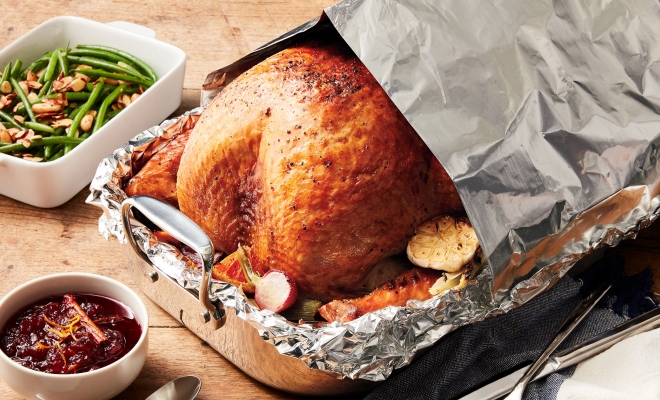
Many people skip resting meat after cooking — especially when everyone is hungry and the food smells incredible. But this simple step makes a big difference to tenderness, juiciness, and overall eating quality.
Whether you’re cooking a steak, roasting a chicken, or slow‑cooking a lamb shoulder, giving meat a moment to rest is one of the easiest ways to improve results at home. Here’s why it matters — and how to do it properly.
Why Resting Meat Makes Such a Difference
Resting meat isn’t just a chef’s habit — there’s real science behind it. Once you understand what’s happening inside, the results speak for themselves:
1. Juices redistribute evenly
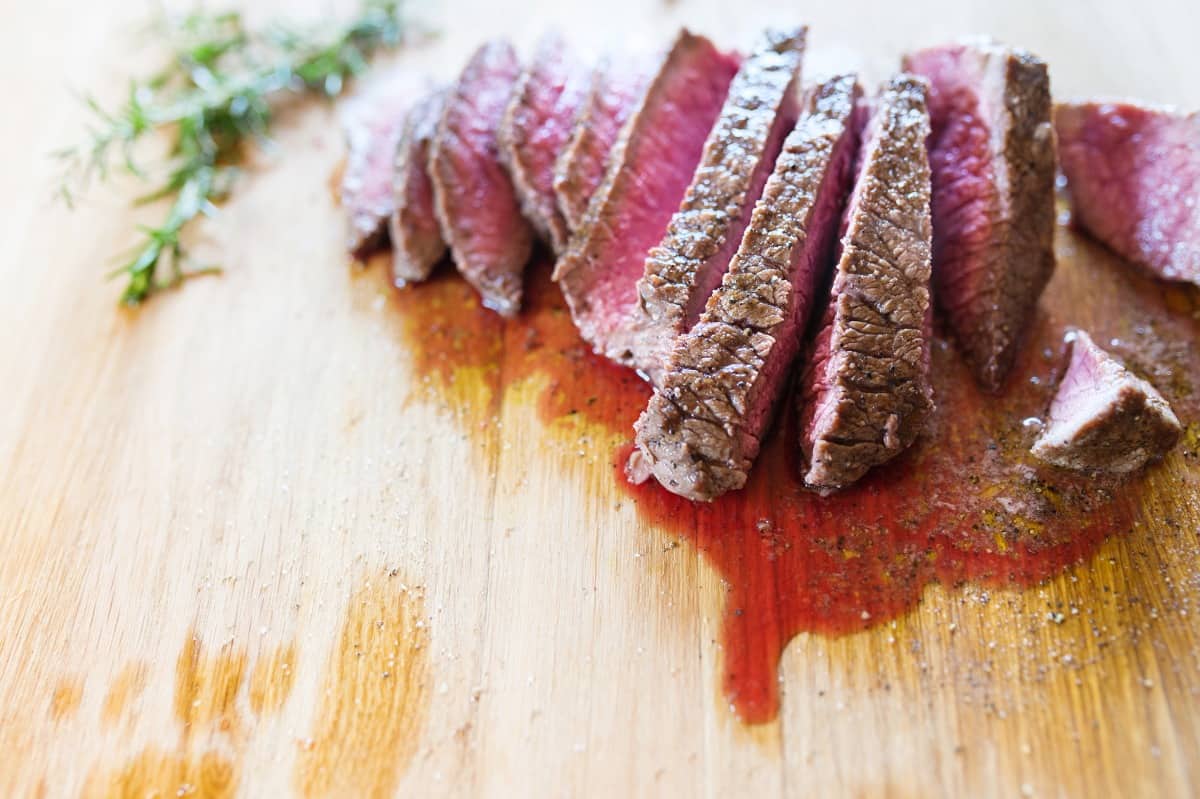
When meat cooks, heat pushes juices toward the centre. Cutting immediately causes those juices to spill out onto the cutting board. Resting allows juices to redistribute through the muscle fibres, making every bite more moist.
2. It prevents dryness
Skipping the rest is a common reason home-cooked meat turns out dry, even when cooked perfectly. Resting lets the fibres reabsorb moisture. This is especially important for lean cuts like chicken breast, pork loin, or tenderloin.
3. Carryover cooking finishes the job
Meat continues cooking for a few minutes after removal from heat — called carryover cooking. Resting helps this happen gently and evenly, bringing steaks, roasts, and poultry to perfection without overcooking.
How to Rest Meat Properly
Resting meat doesn’t need to be complicated. Follow these simple guidelines for the best results:
1. Follow the right resting times
| Cut | Rest Time |
|---|---|
| Steaks (2–4 cm thick) | 5–10 minutes |
| Thicker steaks or chops | 10–15 minutes |
| Roasts (beef, pork, lamb) | 15–20 minutes |
| Whole chicken | 10–15 minutes |
| Large poultry (turkey, duck) | 20–30 minutes |
Larger cuts need longer — think of it as letting the meat “settle.”
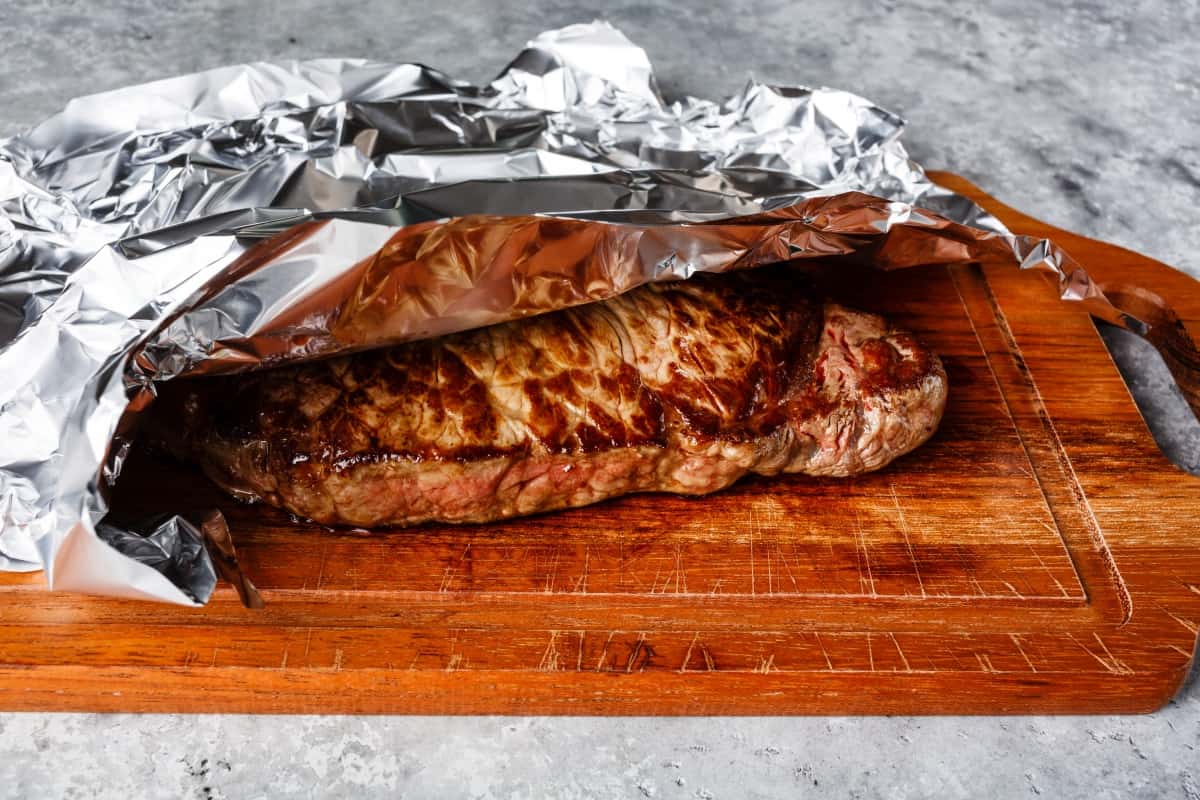
2. Cover the meat lightly
-
Loosely tent with foil
A loose foil tent keeps heat in while letting moisture escape — the same principle behind keeping meat warm, where tight wrapping is equally counterproductive.
-
Leave space for air to circulate
-
Avoid tight wrapping that traps steam (prevents crust or skin from staying crisp)
3. Use a warm plate or board
Resting on a cold surface cools meat too quickly. Use a warm plate, wooden board, or tray near the stove to maintain temperature without overcooking.
4. Don’t rush it — but don’t overdo it
Too short: juices escape, meat dries out.
Too long: meat cools down more than desired.
Aim for the recommended times and serve immediately after resting.
What Happens If You Don’t Rest Meat?
-
Juices spill out immediately when cutting
-
Meat tastes drier
-
Texture becomes firmer or slightly tough
-
You lose flavour that should have stayed inside
Even a few minutes of rest can make a significant difference — especially for premium cuts.
Final Thoughts
Resting meat is a simple kitchen habit that delivers consistently better results. It helps juices redistribute, prevents dryness, and ensures ideal texture and flavour.
Whether you’re cooking a quick weeknight steak or a slow Sunday roast, taking a few minutes to rest the meat is an easy way to elevate your meal.