
Warming Traditions: Hong Kong Comfort Foods for the Cold Season
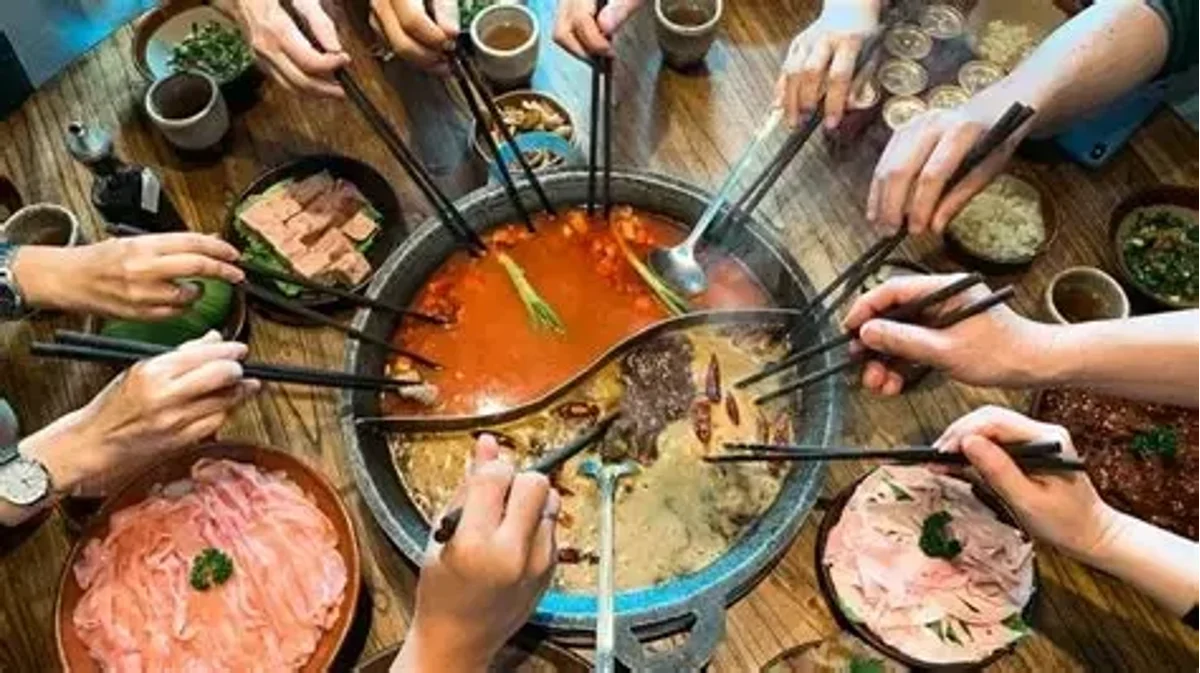
As January’s chill settles over Hong Kong, families turn to dishes that warm both body and spirit. These recipes are more than meals—they’re cultural touchstones, carrying stories of tradition while adapting to modern kitchens worldwide. At The Meat Guy HK, we celebrate meat as the heart of winter cooking, bringing depth, nourishment, and connection to every table.
🔥 Hot Pot: A Ritual of Sharing
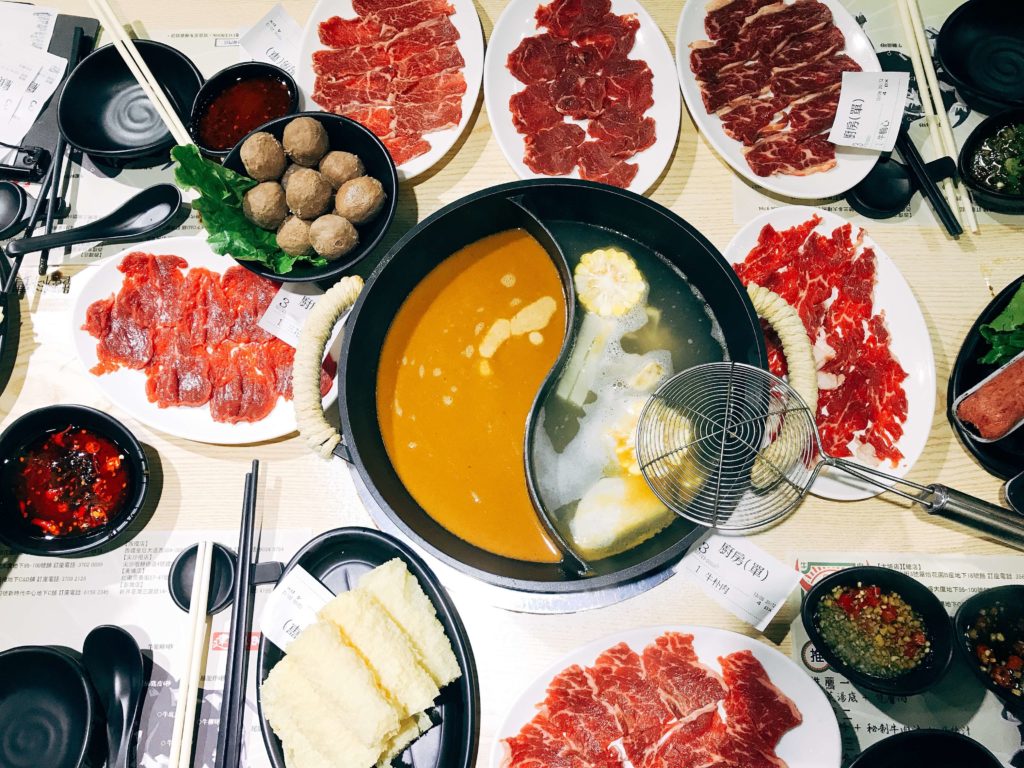
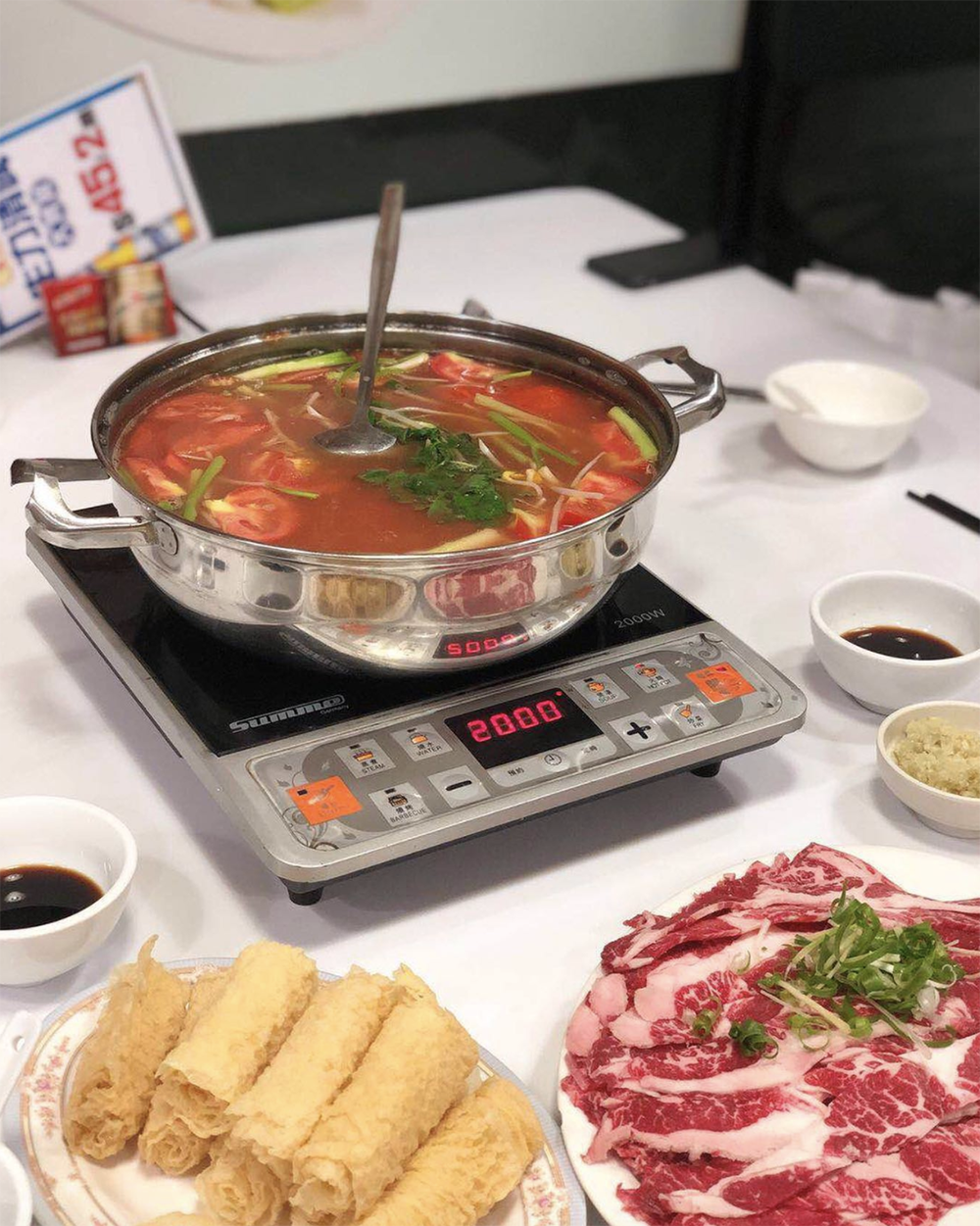
History & Tradition Hot pot (打邊爐) has roots stretching back to Mongolian horsemen who cooked meat in boiling cauldrons. Over centuries, it spread across China, evolving into regional styles. In Hong Kong, hot pot became a winter ritual, symbolising prosperity and togetherness.
Cross‑Cultural Enjoyment Locals prize herbal broths and thinly sliced meats, while Western families often adapt hot pot with lighter stocks or add fusion elements like cheese dips or Mediterranean vegetables. The method—quickly cooking meat at the table—is universal in its appeal.
Recipe (serves 4)
-
300g beef ribeye, thinly sliced
-
300g lamb shoulder, thinly sliced
-
300g pork belly, thinly sliced
-
1 pack tofu, cubed
-
200g mushrooms (shiitake or enoki)
-
200g leafy greens (napa cabbage, choy sum)
-
1L chicken stock with goji berries and jujubes
-
1L spicy Sichuan broth with garlic and ginger
Steps
-
Prepare two broths in a divided pot: one clear, one spicy.
-
Arrange meat and vegetables on platters.
-
Bring broths to a simmer.
-
Dip meat and vegetables, cooking to taste.
-
Serve with dipping sauces (soy, sesame, chilli oil).
🍲 Beef Brisket & Daikon Soup: Nourishment in a Bowl
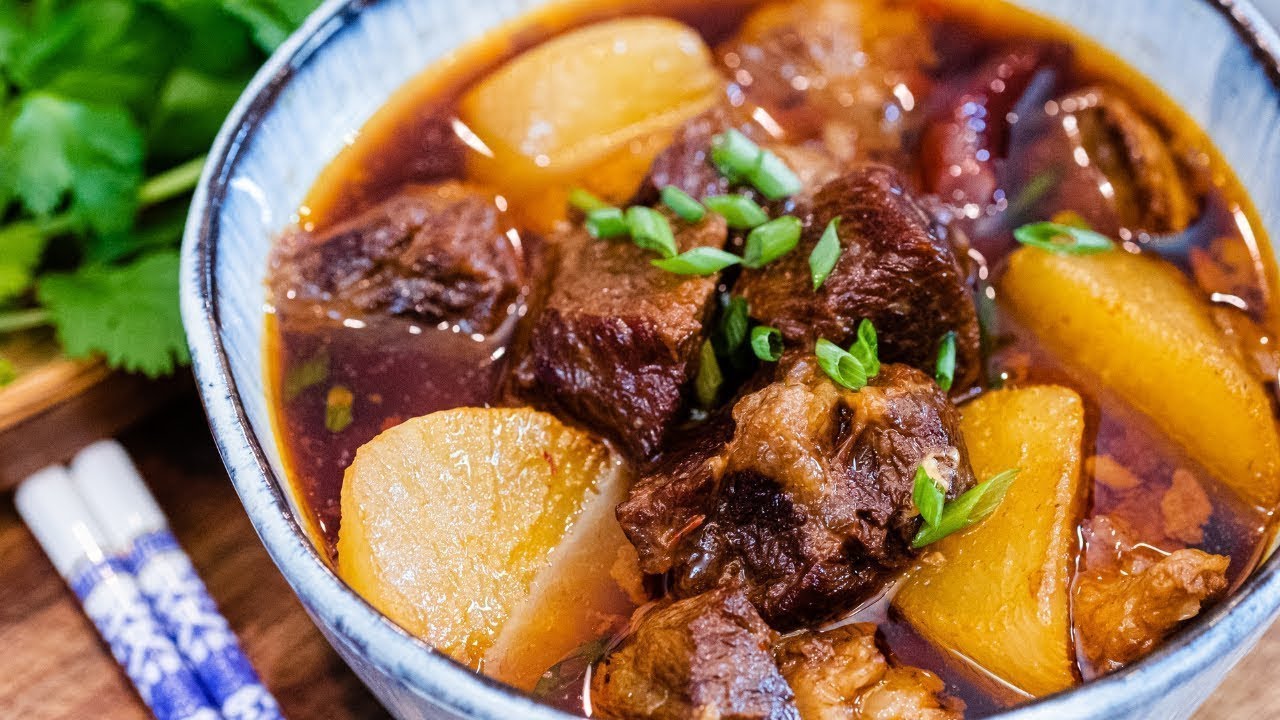
History & Tradition Cantonese brisket soup (牛腩湯) rose to popularity in Hong Kong tea houses in the mid‑20th century. It reflects Cantonese ingenuity—transforming tougher cuts into tender delicacies through long simmering. Daikon is believed to balance the body, making this soup a winter staple.
Cross‑Cultural Enjoyment Locals enjoy it with rice or noodles, while Western cooks adapt the recipe into hearty stews or slow‑cooker dishes. The brisket’s richness appeals universally, whether served in a clear broth or thickened sauce.
Recipe (serves 4)
-
500g beef brisket, cut into chunks
-
1 large daikon, peeled and sliced
-
2 slices ginger
-
2 cloves garlic
-
2L water
-
1 tbsp soy sauce
-
Salt and white pepper to taste
-
Spring onions for garnish
Steps
-
Blanch brisket in boiling water for 5 minutes, then drain.
-
Add water, ginger, garlic, and brisket to a pot. Bring to a boil.
-
Lower heat and simmer for 1.5–2 hours until tender.
-
Add daikon and soy sauce; simmer 30 minutes more.
-
Season and garnish with spring onions.
🥘 Chu Hou Beef Brisket Claypot (柱侯牛腩煲): Street‑Style Comfort
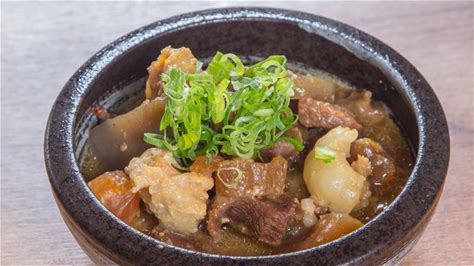
History & Tradition Chu Hou sauce was created in Foshan during the Qing Dynasty by Leung Chu Hou, blending soybeans, garlic, and spices into a savoury paste. In Hong Kong, claypot brisket with daikon became a beloved comfort dish, often served bubbling hot in dai pai dong street stalls.
Cross‑Cultural Enjoyment Locals prize the glossy sauce with rice, while Western families adapt the braising method in Dutch ovens or slow cookers, sometimes adding carrots or potatoes. The technique—slow cooking brisket until tender—translates seamlessly across cultures.
Recipe (serves 4)
-
600g beef brisket, cut into chunks
-
1 daikon, peeled and cut into wedges
-
2 tbsp chu hou sauce
-
1 tbsp oyster sauce
-
1 tbsp soy sauce
-
2 slices ginger
-
2 cloves garlic
-
1 star anise
-
500ml water or stock
-
1 tbsp cooking oil
-
Spring onions for garnish
Steps
-
Heat oil in a claypot or heavy pan. Sauté ginger and garlic.
-
Add brisket chunks and brown lightly.
-
Stir in chu hou, oyster, soy sauce, and star anise.
-
Add stock, cover, and simmer for 1.5 hours.
-
Add daikon and cook for another 30 minutes.
-
Garnish with spring onions and serve bubbling hot over rice.
📸 Visual Storytelling
Steam rising from hot pot, the rich aroma of brisket soup, and a bubbling claypot on the table—these aren’t just dishes, they’re snapshots of winter in Hong Kong. Each recipe tells a story of warmth, family, and tradition, while also inviting global kitchens to adapt and enjoy.
Closing
As 2026 begins, let’s embrace the colder months with dishes that bring comfort and connection. From hot pot rituals to soups and braised classics, meat remains at the heart of Hong Kong’s winter traditions. Whether enjoyed in Kowloon or a Western kitchen abroad, these recipes prove that food is a universal language of warmth.



Thank you for posting your blog comment. It will be reviewed and set live soon. If you provided your email then you will be notified of replies to this comment.