
Cheap vs Expensive Meat: What You’re Really Paying For
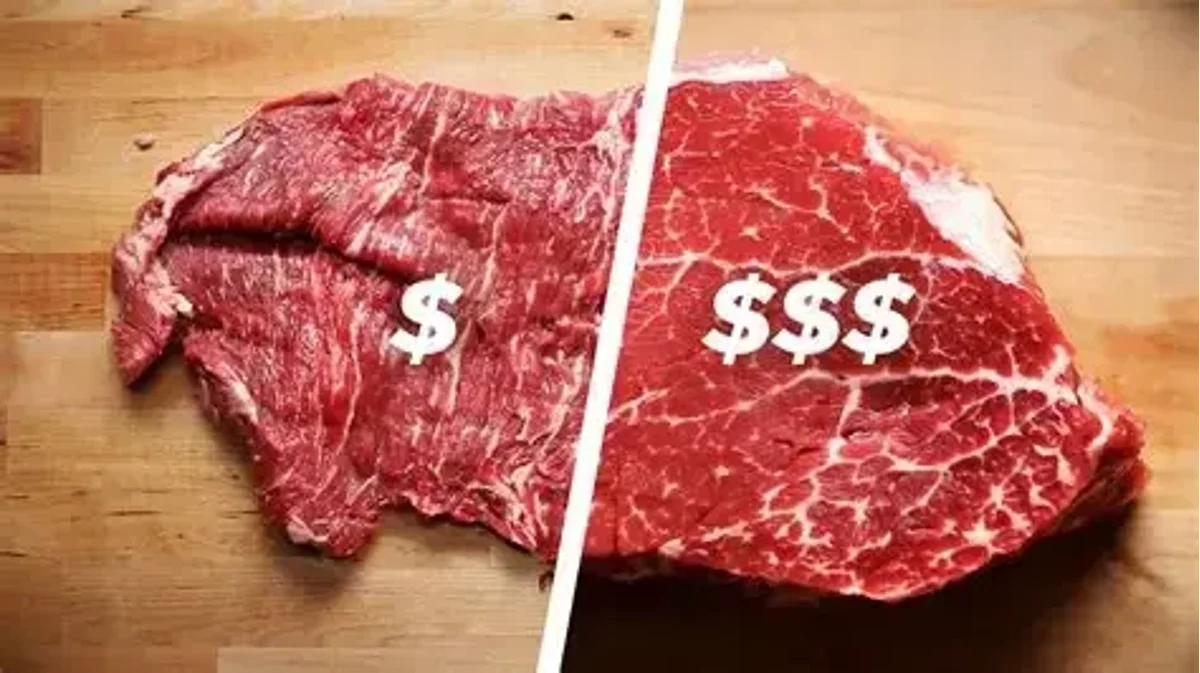
Cheap vs Expensive Meat: What You’re Really Paying For
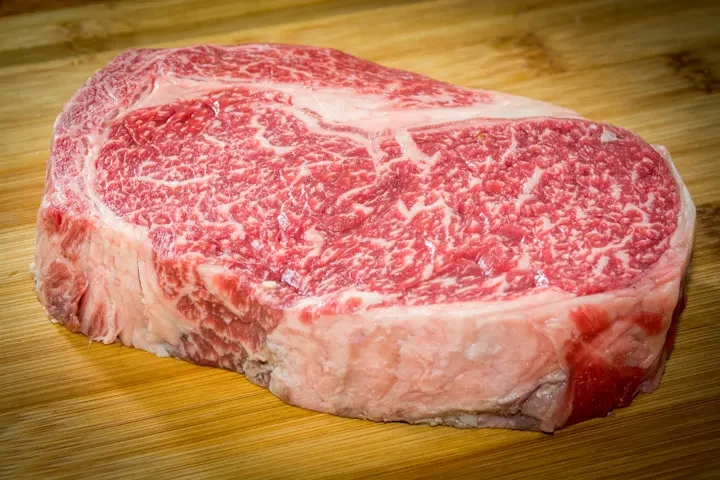
Cheap meat isn’t always bad. Expensive meat isn’t always better.
But once you understand what separates them, the difference becomes obvious — especially when you start cooking.
Most people have the same quiet questions when they see a premium cut:
-
Is it really worth it?
-
Will I actually notice the difference?
-
Is this just about price — or something else?
These are fair questions. And they deserve a clear answer.
Because when the price of meat goes up, it’s rarely about status. It’s about clarity, consistency, and the overall cooking experience.
Cheap vs Expensive Meat: A Quick Breakdown
| Cheap Meat | Better Quality Meat |
|---|---|
| Less consistent in size and shape | Even cuts, more uniform |
| Lower or uneven marbling | Balanced marbling |
| Can cook unevenly | Predictable cooking |
| Often needs marinades or sauces | Strong natural flavour |
| More trimming and waste | Higher usable yield |
Is Expensive Meat Actually Worth It?
Price is a signal, not a judgement.
It doesn’t mean:
-
expensive = good
-
affordable = bad
It simply tells you what to expect before you even start cooking.
In most cases, better meat signals:
-
more predictable results
-
cleaner trimming
-
better structure
-
a calmer cooking experience
It’s not about luxury. It’s about knowing what you’re working with.
Consistency Is the Real Advantage
Better meat isn’t just about flavour. It’s about predictability.
Premium cuts typically offer:
-
more even thickness
-
cleaner, more intentional trimming
-
predictable fat distribution
That translates directly into:
-
fewer surprises in the pan
-
more reliable cooking times
-
less stress
-
better results — even when you’re not paying close attention
Consistency is the quiet advantage you’re actually paying for.
Fat, Structure & Margin for Error
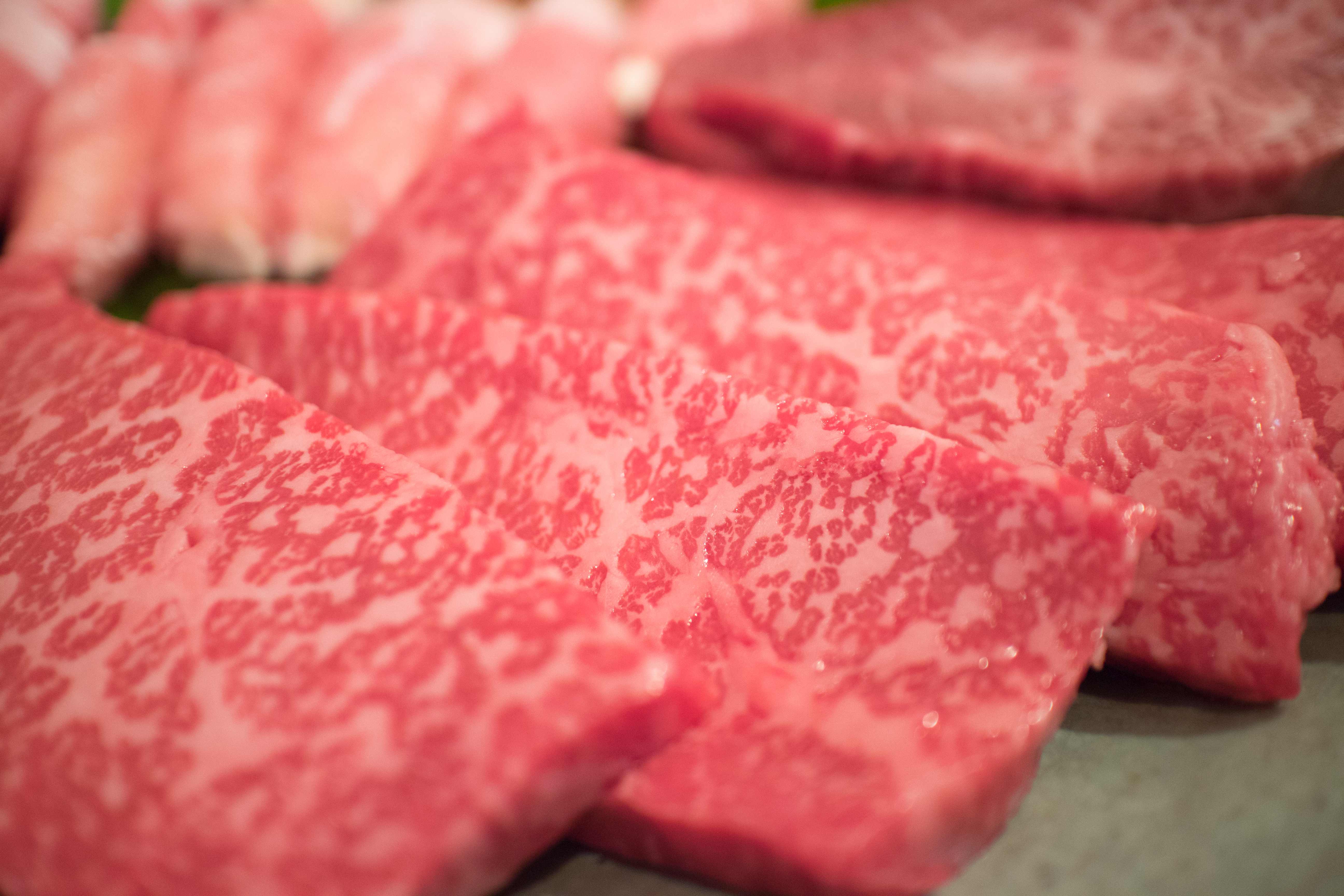
Premium cuts often have:
-
marbling that protects against overcooking
-
uniform muscle fibres that cook evenly
-
fat placed where it helps, not where it gets in the way
What does that give you?
Margin for error.
Marbling melts and keeps the meat juicy. Even structure reduces hot spots. The cut tolerates distraction.
Better meat doesn’t demand skill. It absorbs variation.
That’s why cuts like ribeye or lamb rack tend to feel easier to cook — they forgive small mistakes.
Flavour Concentration (Not Just Tenderness)
Tenderness is only part of the story.
Better meat often tastes better because of:
-
the animal’s diet
-
age at processing
-
breed
-
slower, more natural growth
-
higher-quality fat
This creates flavour concentration — depth that stays present even with simple seasoning.
That’s why a ribeye seasoned with just salt and pepper can feel complete, while a cheaper cut often relies on marinades or sauces.
You’re not paying for complexity. You’re paying for clarity of flavour.
Yield & Waste — A Practical Reality
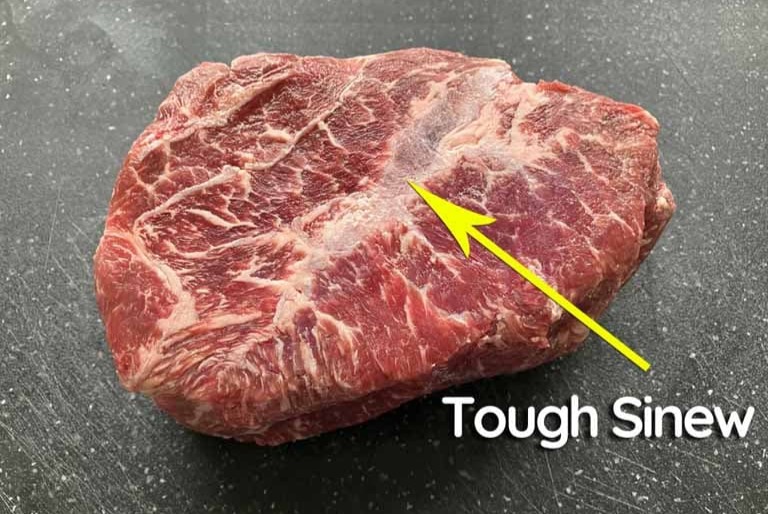
This is where better meat becomes more practical than it first appears.
Higher quality cuts often give you:
-
less trimming
-
fewer chewy or dry sections
-
more usable portions
-
better leftovers
-
less food that goes uneaten
A cheaper cut that loses 20–30% to trimming or uneven cooking isn’t always cheaper in the end.
Better meat often delivers more usable food — and a more consistent result.
When Better Meat Makes Sense (And When It Doesn’t)
Not every meal needs premium meat.
It makes sense when:
-
you want reliable results
-
you’re cooking for guests
-
you want leftovers that still taste good
-
you’re making a centrepiece dish
-
you don’t want to think too much while cooking
It doesn’t always make sense when:
-
you’re doing a fast stir-fry
-
the dish is heavily sauced
-
you’re feeding a large group on a tight budget
-
you’re experimenting or practising
Better meat is a choice — not a requirement.
The Real Takeaway
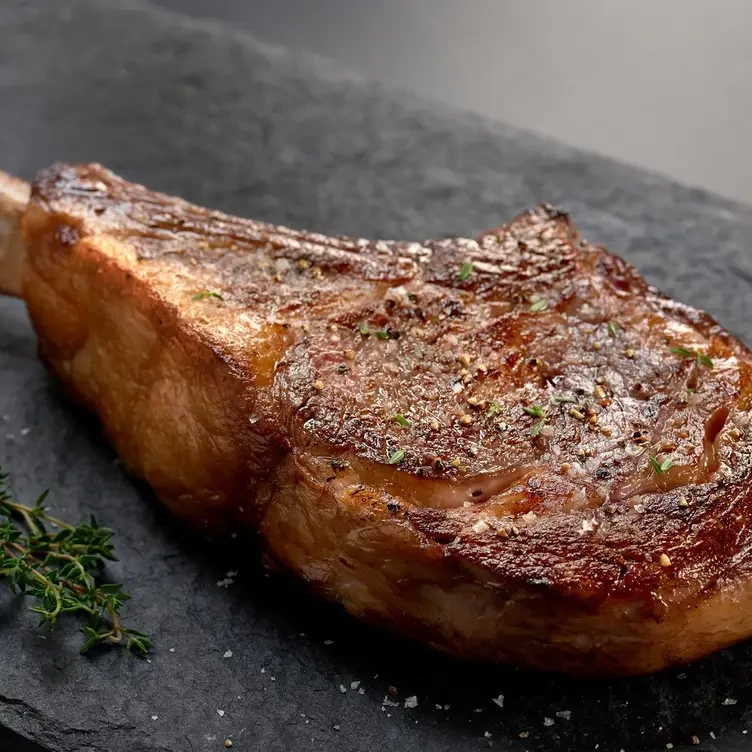
You’re not paying for luxury.
You’re paying for:
-
consistency
-
predictability
-
flavour clarity
-
usable yield
-
confidence while cooking
Cheap and expensive meat both have their place.
The difference is understanding what you’re getting — and choosing the right option for the way you cook.
Putting It Into Practice
If you’re cooking something simple like a pan-seared ribeye, consistency becomes obvious very quickly — even small differences in marbling and thickness affect the final result.
For slower dishes like braised cuts, the gap narrows — but structure and trimming still impact how evenly the meat cooks and how much you actually eat at the end.
And for lighter meals like fish, quality shows up in texture and cleanliness of flavour, especially with minimal seasoning.
A Simple Way to Choose
If you’re unsure what to buy, use this quick rule:
-
Quick cooking, minimal seasoning → go better quality
-
Long cooking or heavily flavoured dishes → good value cuts work well
That way you’re not overspending — but you’re also not making cooking harder than it needs to be.
Final Thought
You don’t need to buy the most expensive meat.
But understanding the difference means you can buy smarter — and get better results with less effort.
Not sure where to start?



Thank you for posting your blog comment. It will be reviewed and set live soon. If you provided your email then you will be notified of replies to this comment.