
Is Iberico Pork Really That Different From Australian Pork?
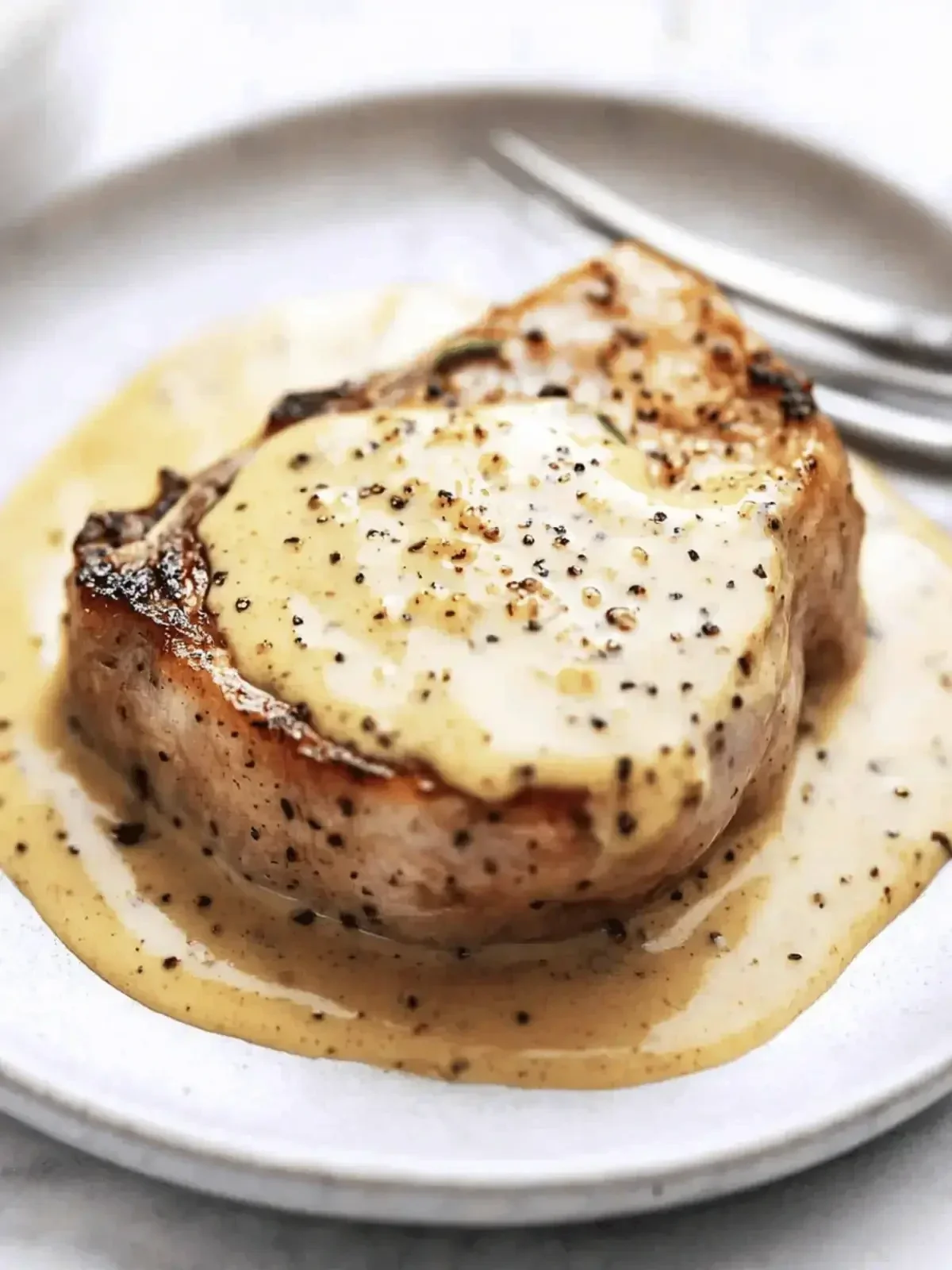
When I was a kid, my favourite part of a pork chop was the crackling. These days, finding a chop with the skin still on in Hong Kong is surprisingly hard. Pork is a big part of how Hong Kong eats, so this week it gets the attention it deserves: what separates Australian pork from Iberico, what you'll notice on the plate, and where the skin went.
1. Same Species, Different Pig
Australian pork typically comes from commercial breeds raised for consistency, with lean, mild-tasting meat. Iberico is a traditional Spanish breed, and ours is the black-hair, acorn-fed variety, generally regarded as the top tier. The acorn diet is often credited with Iberico's distinctive, rich flavour. Not all Iberico is raised that way, though. The grades below it are fed corn or grain, so the word Iberico on its own doesn't tell you everything about what you're buying.
2. What You Can See Before You Cook
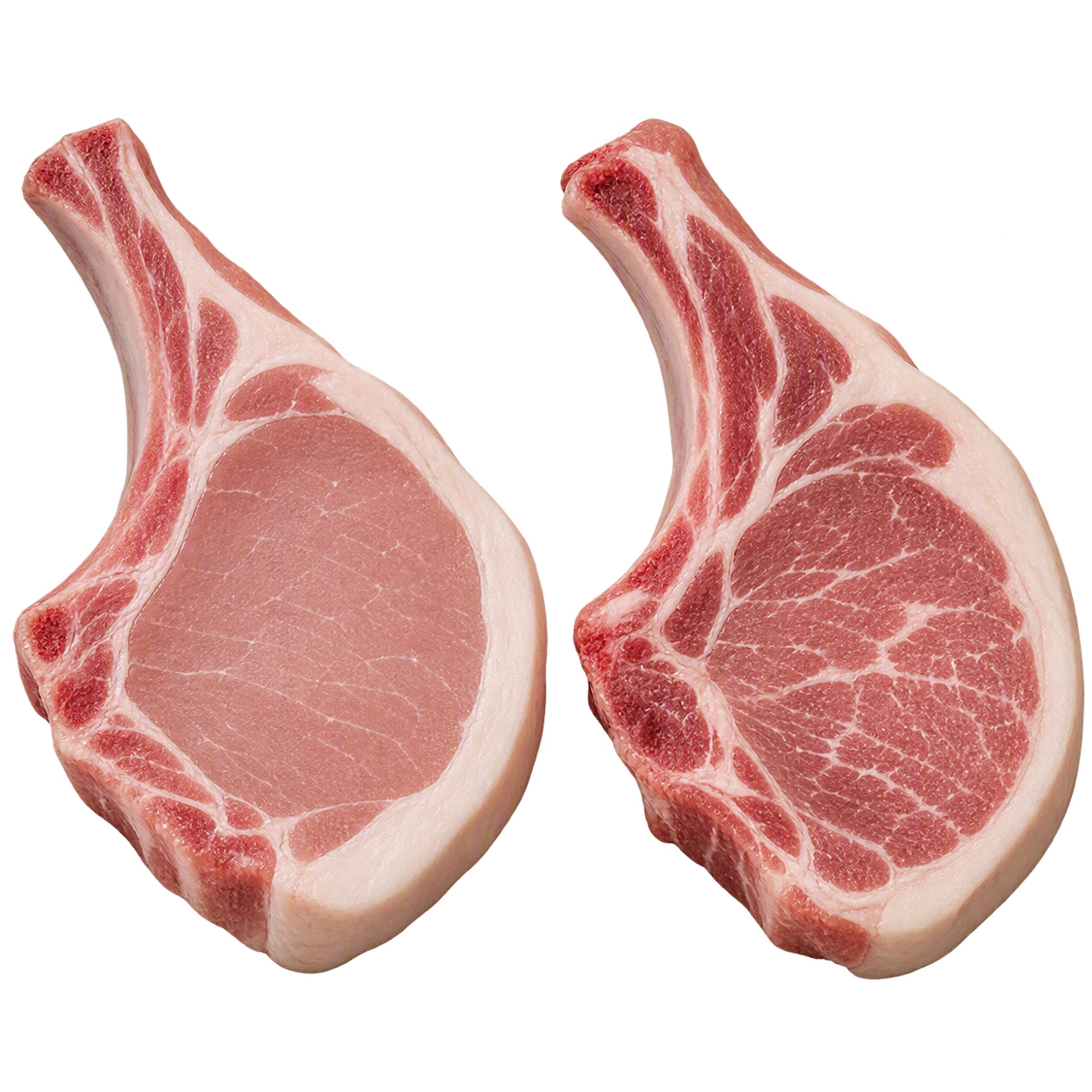
Illustration only (AI-generated). Actual product will vary.
Look at the two chops above. (This is an AI-generated illustration, not our actual stock, but it shows the general idea.) The Australian chop is leaner and more uniform in colour. The Iberico chop has fine veins of fat running through the meat itself, known as marbling. Both of our chops are sold bone-in with the fat cap on and the skin off. The outer fat is similar, but the marbling inside is where they differ.
3. What You Notice at the Table
Marbling melts as it cooks, which is why Iberico is often described as richer and juicier. Australian pork is cleaner and milder, and its leanness is why a chop can dry out if it's overcooked. Iberico tends to be more forgiving because the fat inside the meat helps keep it moist. This is a general pattern rather than a rule, and how you cook it still matters more than which pig it came from.
4. The Price Gap and What It Buys
Iberico costs more, and it's worth being honest about what that extra buys: more marbling, a richer flavour, and a more forgiving cook. It doesn't make every dish better. In a stir-fry, casserole or curry, where the pork is cut up and mixed with strong flavours, most of the difference disappears. In a simple pan-cooked chop or a roast, where the pork is the star, it shows.
5. Where Did the Skin Go?
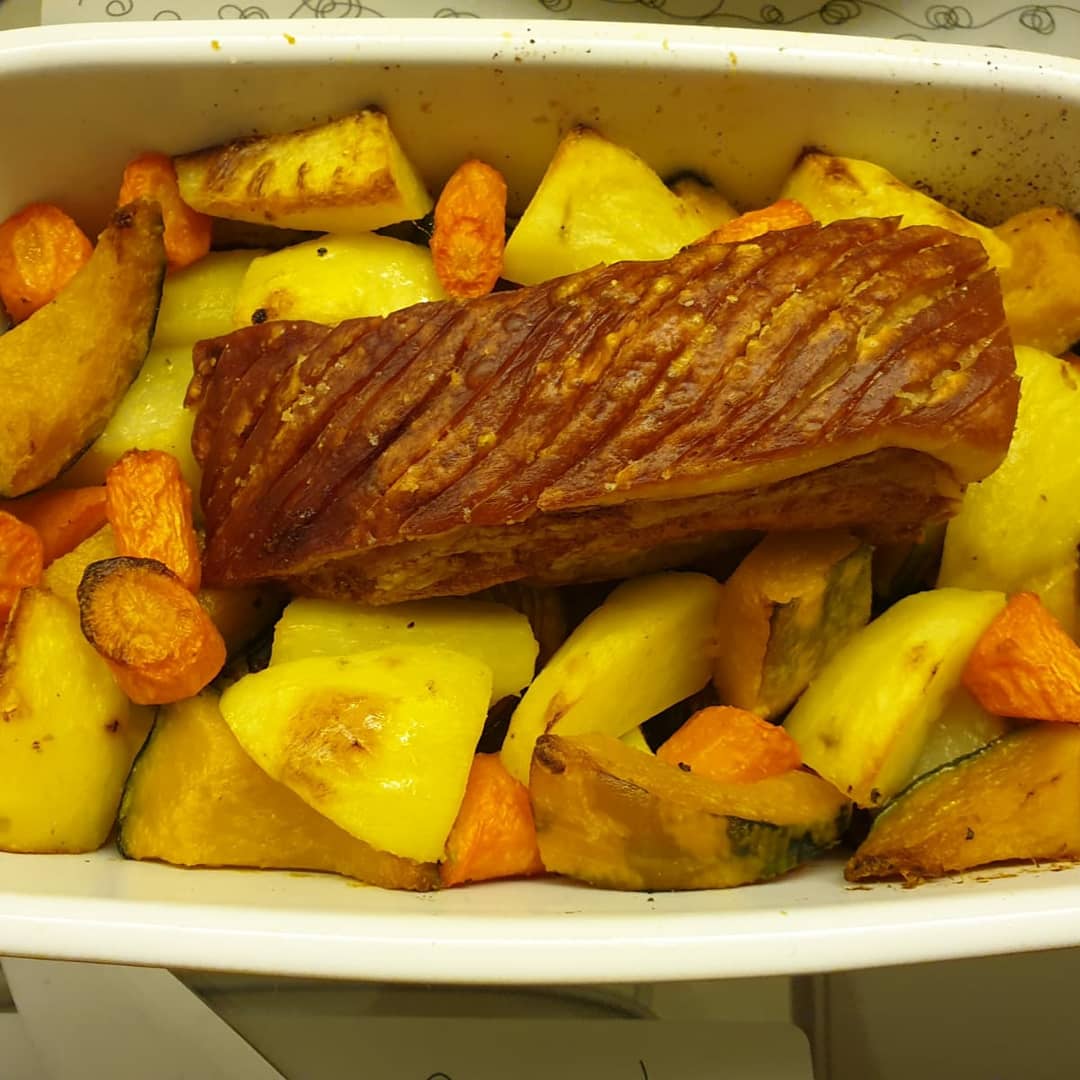
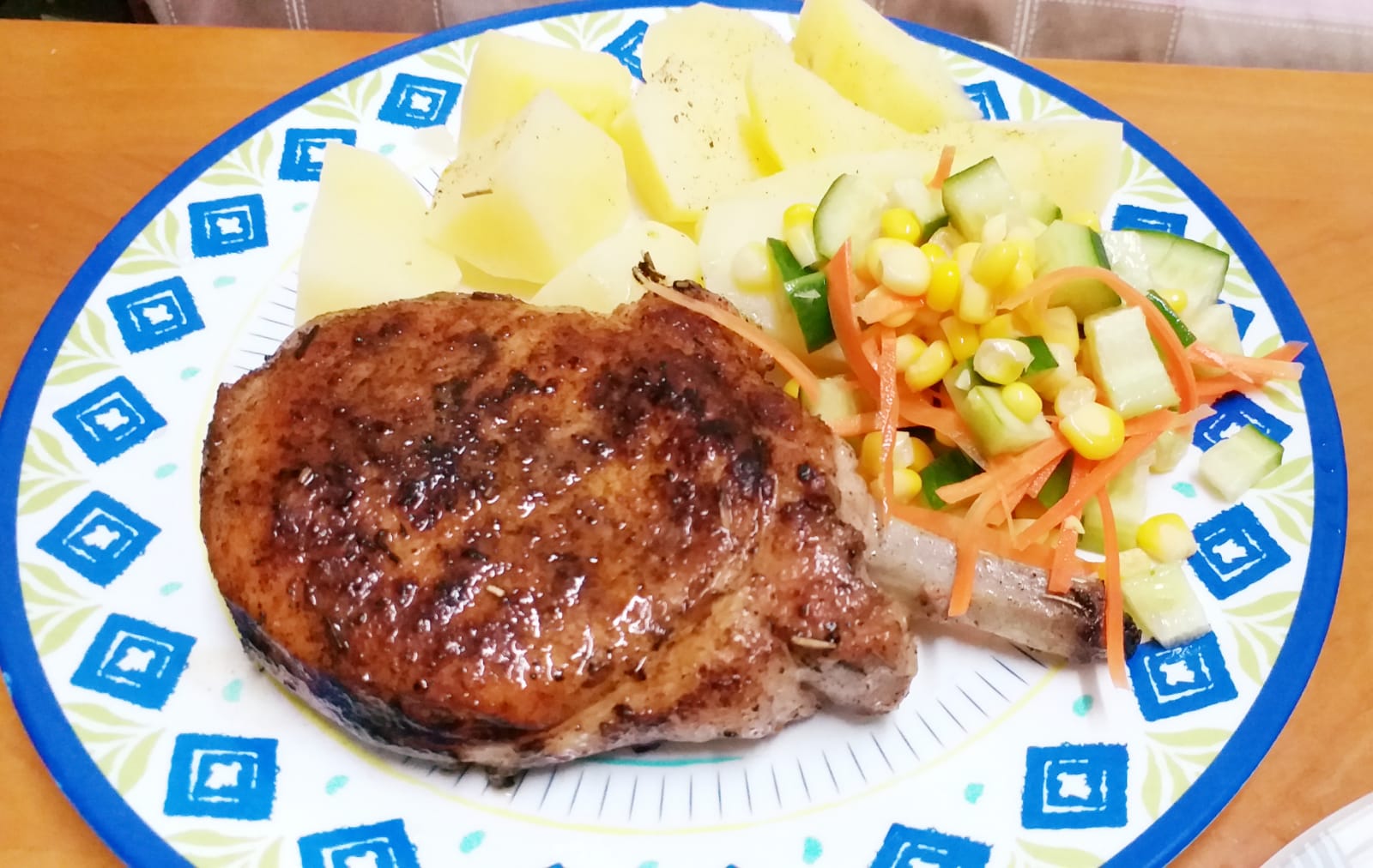
In my experience, most pork chops sold in Hong Kong, from suppliers and supermarkets alike, come skin-off, and ours are the same. I've been told it comes down to how pork is usually cooked here. Stir-fries, hot pot and steaming are all methods where skin doesn't do much, while skin-on tends to show up more at banquets and restaurants. We go into this further in this week's Ask The Meat Guy.
I'll admit that getting reliable crackling on a pan-cooked, skin-on chop is something I still find hit and miss. Roast pork belly is a different story, and it's the dependable way to get proper crackling. Our pork belly is sold skin-on, and this week's roast pork belly recipe shows how I do it.
6. Which Should You Choose?
Choose Australian pork for everyday cooking, family dinners, and dishes with big flavours. Choose Iberico when you want the pork to be the centrepiece and you're cooking it simply, like in our Iberico pork chop with Dijon cream sauce. Neither is better in every situation. They're different tools for different meals, and knowing the difference means you're paying for what you'll actually taste.
For bone-in chops like these, the bone adds weight but not meat, so our bone-in vs boneless guide is worth a read when you're working out how much to buy. If you're unsure which suits what you're planning, just message us on WhatsApp and we'll help you choose.
We're not here to sell you meat. We're here to make you better at buying it.
— The Meat Guy Hong Kong



Thank you for posting your blog comment. It will be reviewed and set live soon. If you provided your email then you will be notified of replies to this comment.