
Does Searing Meat Lock in Juices?
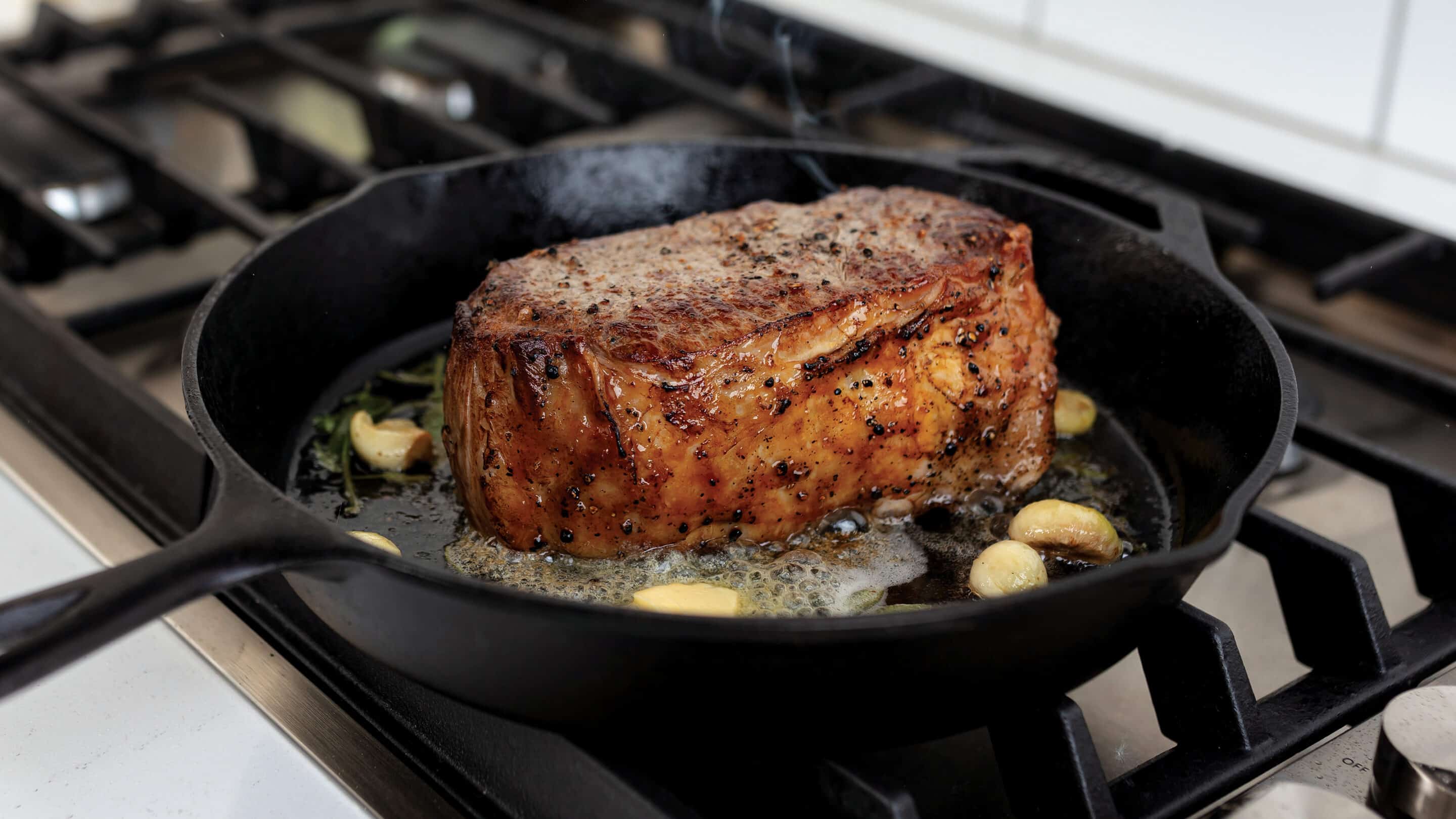
Short Answer
No — searing doesn’t lock in moisture. It creates flavour.
The crust that forms is porous, not watertight, so moisture still escapes as the meat cooks.
Why the “Seals in Juices” Idea Persists
This idea dates back to the 1800s, when early food scientists believed high heat “sealed” the surface.
Modern testing shows otherwise:
seared meat actually loses slightly more moisture than unseared meat cooked to the same doneness.
If you weigh a steak before and after cooking, it will always weigh less — that’s normal evaporation.
What Searing Really Does
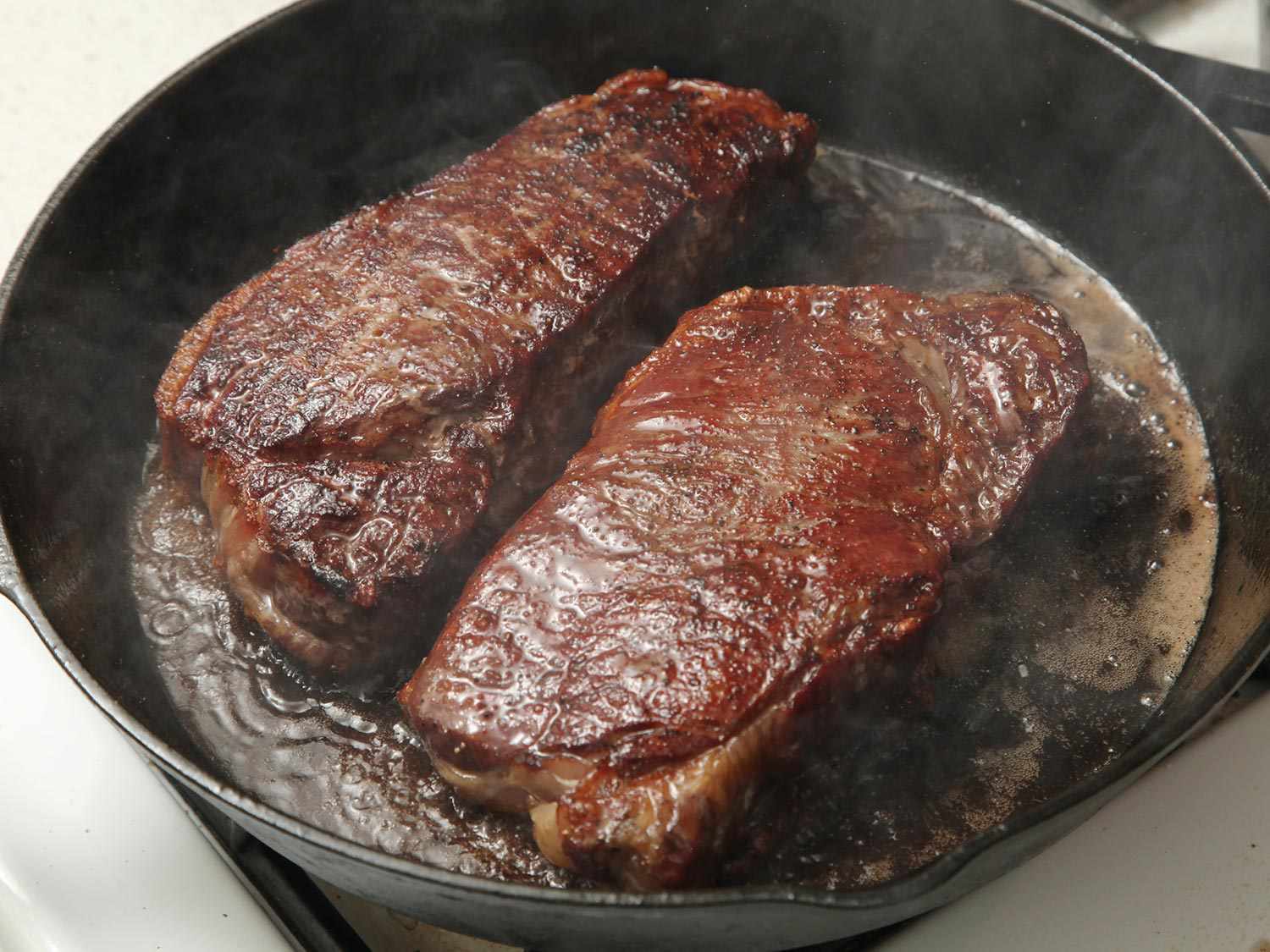
Searing triggers the Maillard reaction — a series of chemical reactions between amino acids and sugars.
This creates:
- deep, savoury flavour
- rich brown colour
- that unmistakable “seared meat” aroma
It’s not about sealing — it’s about building flavour.
How to Sear Properly
- Pat the surface dry — moisture prevents browning
- Use high heat — the pan should be hot before the meat goes in
- Don’t move it too soon — let the crust form (Why meat sticks to the pan and how to stop it.)
- Finish at the right temperature — doneness affects juiciness, not the sear
The Real Key to Juiciness
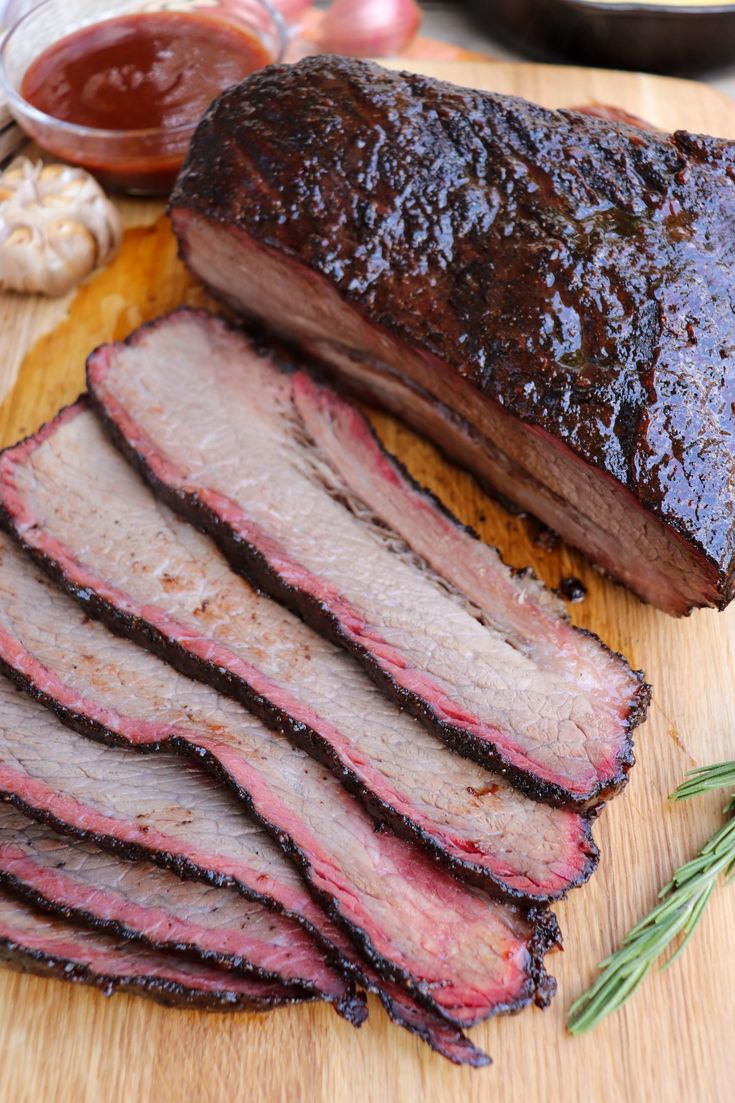
Juiciness comes from resting, not searing.
After cooking, let the meat rest so the juices redistribute instead of running out when you cut into it.(Why resting meat after cooking matters.)
Final Thought
Searing doesn’t lock in juices — it creates flavour.
Resting helps retain moisture.
Get both right, and your meat will taste better and stay juicy.