
Why Meat Sticks to the Pan — And How to Stop It
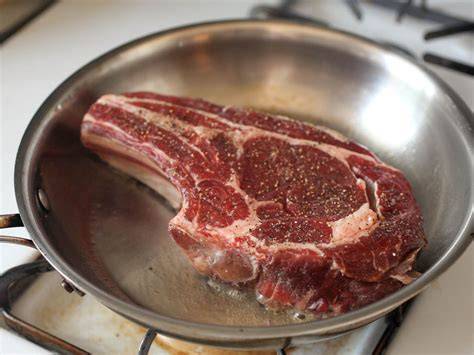
Meat sticks to the pan when the surface isn’t dry, the pan isn’t hot enough, or the proteins haven’t had time to release naturally. Most sticking problems come down to moisture and temperature, not the pan itself.
Why Meat Sticks
-
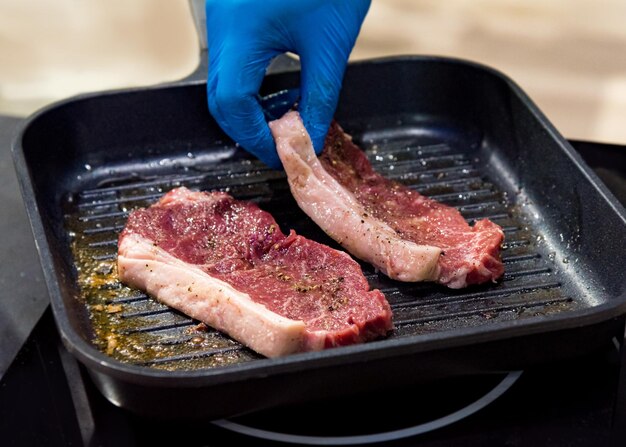
Surface moisture turns to steam and creates suction between the meat and the pan.
-
Pan too cold — proteins bond to the metal before a crust can form.
-
Moving the meat too early — it needs time to sear and release on its own.
-
Crowding the pan — moisture builds up and prevents proper browning.
-
Not enough oil, especially with lean cuts.
How to Stop It
-
Dry the meat thoroughly with paper towels before cooking.
-
Heat the pan first, then add oil, then add the meat.
-
Use enough oil to lightly coat the surface.
-
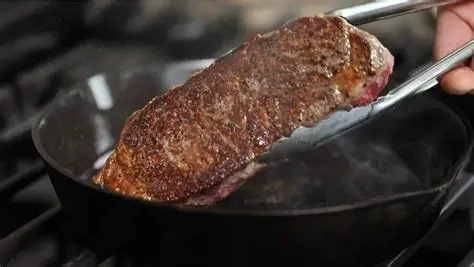
Give it time — once a crust forms, the meat will release naturally.
-
Avoid overcrowding; cook in batches if needed.
-
Use the right pan — stainless steel and cast iron need proper heat, while non-stick is more forgiving.
And once the meat is cooked, resting matters too. Resting allows the juices to redistribute instead of running out onto the plate.
Read: Why Resting Meat Keeps It Juicier
What “Hot Enough” Actually Means
- Oil should shimmer, not smoke.
- When the meat hits the pan, you should hear a clear sizzle.
- If it’s quiet, the pan isn’t ready.
When Sticking Is Normal
- Very lean cuts (chicken breast, pork loin) stick more easily.
- Marinades containing sugar or honey can catch and burn.
- Stainless steel always requires proper heat and patience.
Final Thought
Sticking isn’t a pan problem — it’s usually moisture and temperature. Dry the meat, heat the pan properly, and let the sear happen before moving it. These small habits make the biggest difference.