
Use-By Dates, Best-Before Dates, and What They Actually Mean for Your Meat
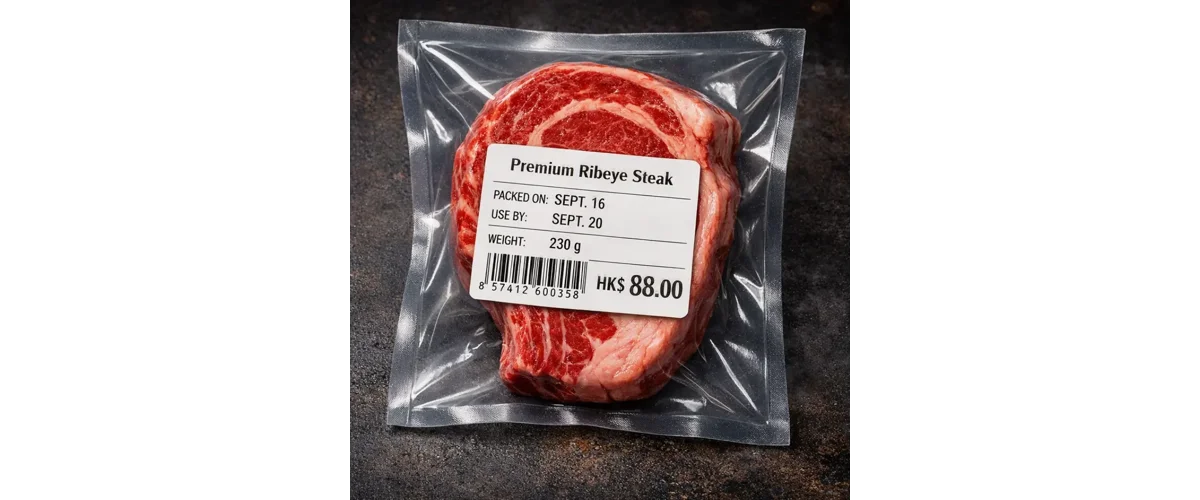
Use-By Dates, Best-Before Dates, and What They Actually Mean for Your Meat
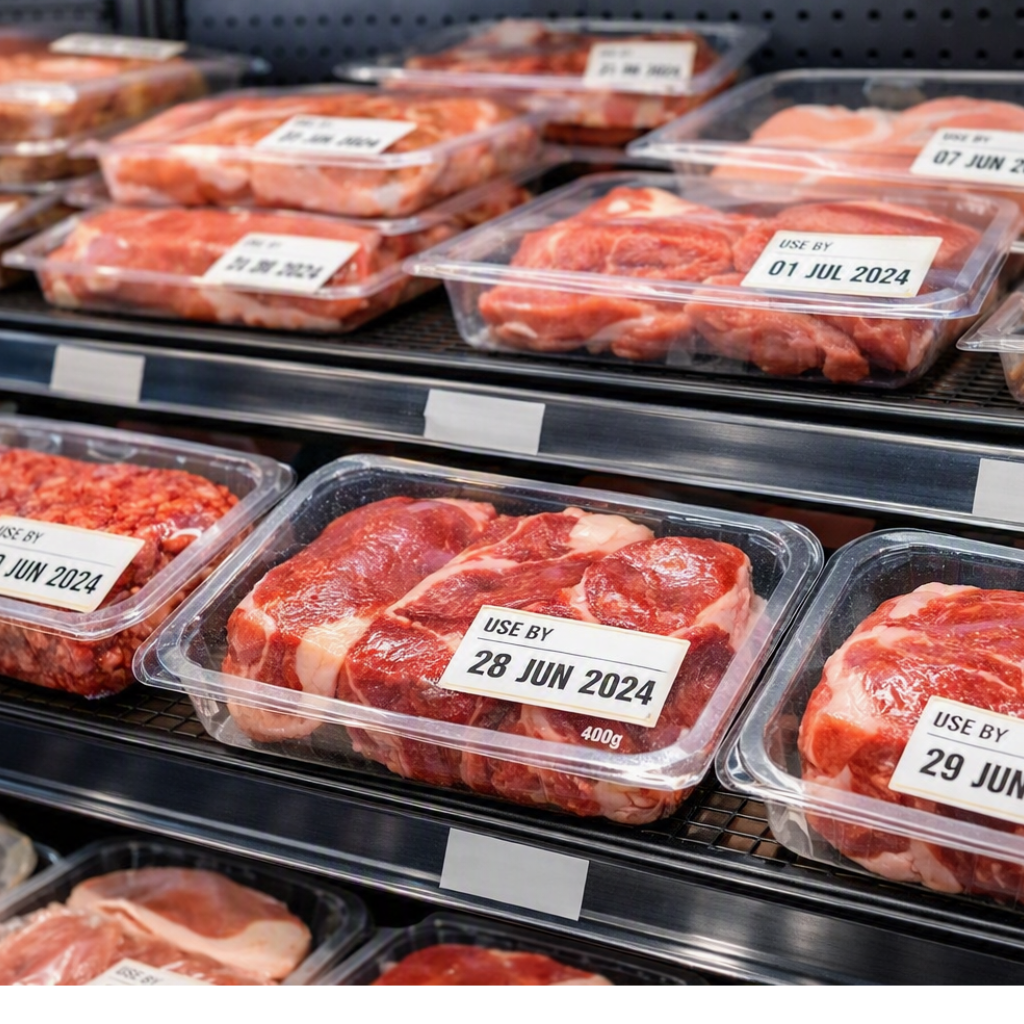 Most people think expiry dates are simple — a printed number that tells you when food becomes unsafe.
The truth is more complicated, especially for meat.
Different labels mean different things, and misunderstanding them leads to two problems: perfectly good food gets thrown away, and people ignore genuine safety risks because they're looking at the wrong date.
This blog breaks down exactly what each date means, when the countdown starts, and how to use them properly.
A use-by date doesn't start when the animal is slaughtered — it starts when the product is packaged for retail. That's the moment the producer can control temperature, sealing, and shelf life. Everything before that is part of the supply chain, not the consumer safety window.
When Does the Use-By Countdown Actually Start?
A use-by date begins when the product is packaged for retail — not when the animal is slaughtered.
That distinction matters more than most people realise.
The safety window depends on the packaging method, the microbial load at the point of packaging, and the expected storage temperature. None of those factors are fixed at slaughter. They only become meaningful once the product is sealed and labelled.
So the use-by date is determined at the point of retail packaging. What happened before that — how long the animal was in the supply chain, how many times it changed hands, what temperatures it experienced — is invisible to the customer and unrepresented in the date on the pack.
Fast Doesn't Always Mean Fresh — what delivery really means for your meat.
Frozen Products Work Differently
If meat is frozen immediately after packaging, the use-by countdown effectively pauses. Once thawed, the clock resumes — but from the original packaging date, not the date of thawing.
This is why properly frozen-at-source products have a more reliable shelf life than chilled products that have been through a long or complex supply chain. The safety window is locked in at the moment of packaging and preserved by the freeze.
Does vacuum-sealed meat last longer — and why it sometimes smells when opened.
A Practice Worth Knowing About
Some retailers freeze meat for storage or transport, then thaw it for display and sell it as fresh. The use-by date is set from the point of thawing — not the original freeze date. The customer has no way of knowing the meat was previously frozen. The label won't tell them.
Previously frozen and thawed meat has a shorter safe window than genuinely fresh product. And if a customer freezes it at home assuming it's fresh, they're unknowingly refreezing it — which compounds the problem.
This isn't unique to one retailer or one product. It's a supply chain reality that the use-by date system doesn't address — because the date only measures what happens after packaging, not what happened before.
What I Changed — And Why
This matters more than most people realise — and I learned it from direct experience.
I used to sell chicken chilled. It arrived fresh each week, was packed and delivered Thursday, and I assumed customers would use it within a day or two.
A customer kept it in the fridge for a week and found it had gone off. They weren't unreasonable — they just did what they expected would be ok, regardless of what any label says. Most domestic fridges in HK run warmer than the optimal 0-4°C, which shortens that window further.
I now sell all my chicken frozen — even though it arrives fresh each week. Not because frozen is better than fresh. Because I'd rather the customer has full control over timing than assume a chilled product will wait for them.
That experience changed how I think about dates on packaging — and why I think it's worth explaining what they actually mean.
How long does raw meat last in the fridge — and what affects it.
Use-By vs Best-Before vs Sell-By
Here's the simplest way to explain the three labels you see most often:
Use-By — Safety
For fresh meat, the use-by date is effectively an expiry date. Do not consume meat past its use-by date, even if it looks or smells fine. This is the one date on a meat label that means what most people think all dates mean.
The confusion comes from applying the same logic to use-by that applies to best-before — where the date is about quality, not safety. For fresh meat specifically, use-by is a hard limit.
Best-Before — Quality
About quality, not safety. Food may still be safe after this date — it just might not taste or look as good. Retailers can legally sell food past its best-before date in many jurisdictions.
Sell-By — Stock Rotation
For retailers, not consumers. It tells stores when to remove products from shelves. Food can still be safe after the sell-by date but should be consumed quickly.
| Label | What It Means | Safety Risk After Date | Who It's For |
|---|---|---|---|
| Use-By | Last safe day to consume | High — do not eat | Consumers |
| Best-Before | Peak quality date | Low — quality declines | Consumers |
| Sell-By | Retail stock rotation | Medium — spoil faster | Retailers |
What HK Shoppers Often Get Wrong
Most people assume use-by means expiry — and for fresh meat, they're actually right. Where the confusion comes from is applying that same assumption to best-before dates, which are about quality not safety, and to sell-by dates, which are for retailers not consumers.
Understanding the difference means you treat use-by on meat seriously, don't throw out food with a passed best-before date unnecessarily, and stop buying meat on its sell-by date expecting it to last another week.
The Wet Market Question — Why It Seems to Contradict Everything Above
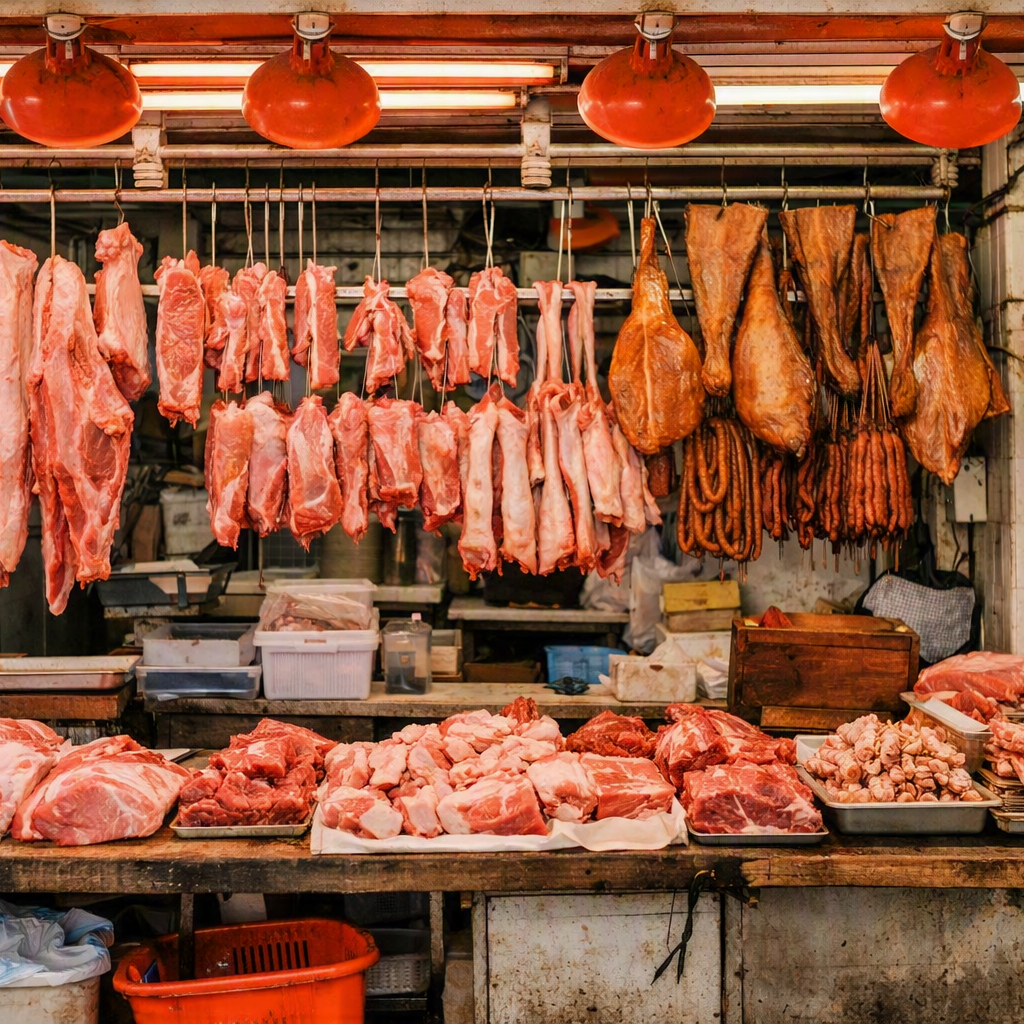
Walk past any wet market in Hong Kong and you'll see something that appears to contradict everything this blog has said about temperature and safe storage. Whole carcasses hanging in open air. Cuts laid out on counters without refrigeration. Meat sold in conditions that would fail a Western food safety inspection.
And yet people buy it, cook it, eat it — and it works.
The apparent contradiction resolves when you understand that the wet market system operates on completely different principles to supermarket retail.
Wet market meat is typically slaughtered locally and recently — sometimes the same morning. The time between slaughter and sale is measured in hours, not days. Turnover is extremely high — most stalls sell out completely by midday or early afternoon. There's no overnight storage, no multi-day shelf life, no accumulating old stock. The use-by date concept is irrelevant because the product isn't kept — it's sold and used the same day.
The customers who shop there understand this instinctively. They're buying for that evening's meal, not the week ahead. They assess freshness by sight, smell, and texture — the same indicators this blog recommends — because they've done it their whole lives. Daily shopping and same-day consumption are built into the system.
The system works because all those factors align — high turnover, recent slaughter, experienced vendors, customers who cook the same day. When one of them breaks down, the risk increases. But when it works as intended, it's a genuinely fresh product sold in a genuinely efficient way.
The lesson isn't that temperature doesn't matter. It's that freshness has more than one operating model — and understanding which model you're buying from is what matters most.
Our model is different again — not wet market, not supermarket. Stock arrives fresh Tuesday, goes out Thursday, and is eaten that week. The freshness window is built into the ordering cycle rather than managed by a date on a label.
What Actually Tells You If Meat Is Fresh
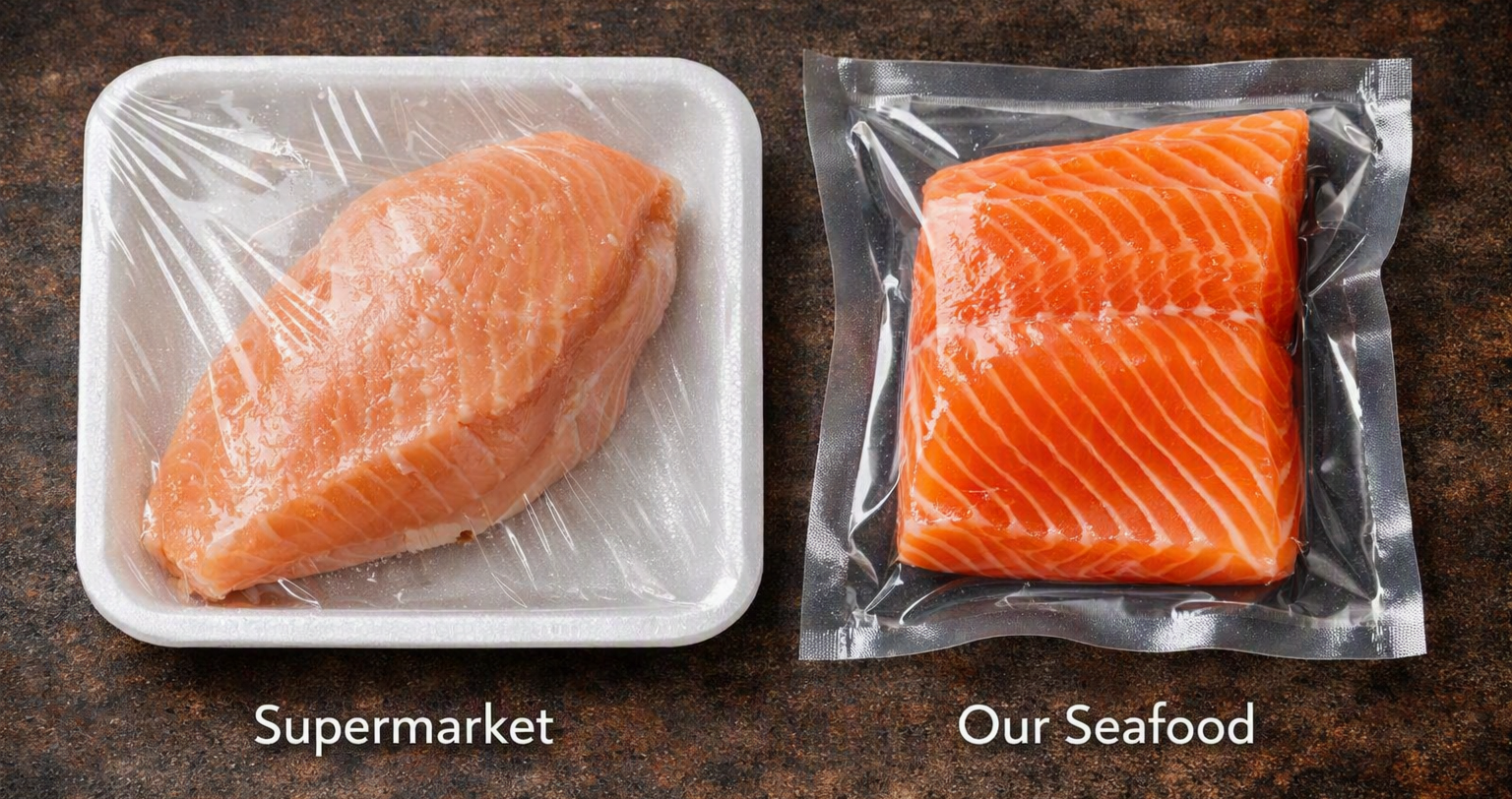
Dates are one data point — and an imperfect one. Here's what actually tells you:
Smell — fresh meat smells clean or neutral. Any sourness, ammonia, or off note is a sign regardless of the date.
One important exception: vacuum packed meat can release a slightly stronger smell when first opened — this is a normal result of the sealed environment and dissipates within a minute or two. If the smell disappears quickly, the meat is fine. If it persists or is genuinely unpleasant rather than just unfamiliar, trust your nose over the date.
Why vacuum packed meat sometimes smells when first opened.
Colour — vibrant and consistent. Grey edges or uneven colouring are signs of age.
Texture — firm and springy. Sliminess is a problem regardless of what the label says.
Source and handling — knowing where your meat came from and how it was handled is the most reliable indicator of all.
How long does raw meat last in the fridge — and what affects it.
Closing
Expiry dates aren't there to confuse people — they're there to protect them. But when you understand what each label actually means, you stop treating all dates the same.
You waste less. You worry less. And you make better decisions about the food you buy — not because a number on a pack told you to, but because you understand what you're actually looking at.