
Should You Trim Fat Before Cooking?
Short Answer
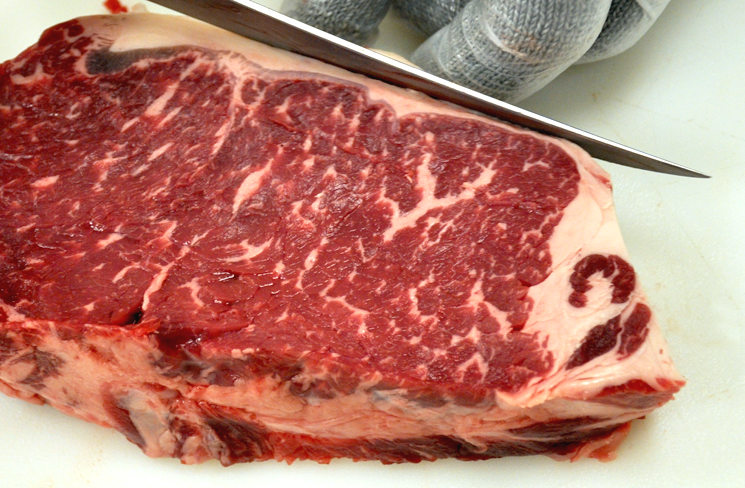
Not always. Trimming fat is about balance: too much can cause flare-ups, greasy pans, or uneven cooking, but leaving some fat adds flavour and helps protect tenderness.
Why People Trim Fat
Cleaner prep
Less mess on the board and knife.
Reduced smoke
Excess fat can burn in hot pans or on grills.
Health preference
Some people prefer leaner portions.
Storage
Fat oxidises faster than lean meat, so trimming before freezing can help preserve quality.
Why Leaving Some Fat Helps
Flavour
Fat carries much of meat’s natural taste and aroma.
Moisture
A small amount of fat protects meat from drying out during cooking.
Texture
A thin fat layer can crisp beautifully when cooked.
Protection during roasting
On larger cuts, fat helps shield the meat during longer cooking.
Butchers often leave some fat attached because it protects flavour during cooking.
Best Practice
Trim excess, not everything
Leave a thin cap or edge of fat where possible.
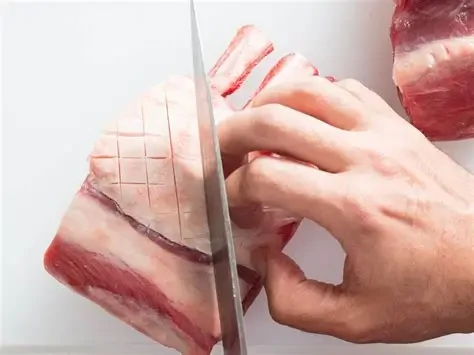
Score thicker fat
Light scoring helps fat render during cooking.
Remove hard fat
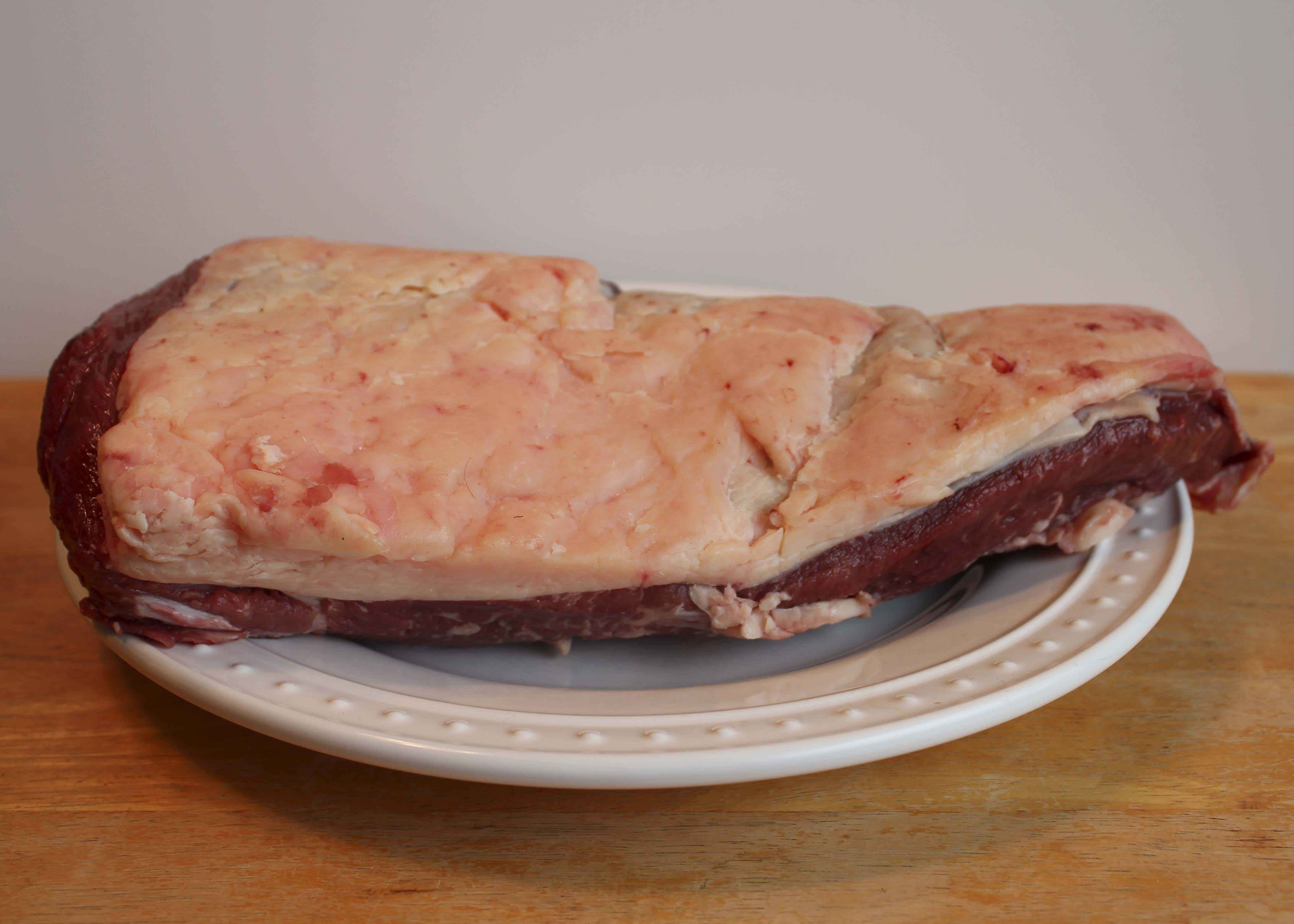
Thick, waxy pieces rarely melt and can remain chewy.
Think ahead
If you plan to freeze meat, trimming beforehand can make portions easier to store and use later.
(Use these additional tips to prepare meat perfectly.)
When Trimming Matters Most
Grilling
Large fat caps can drip and cause flare-ups.
Pan-frying
Too much fat can pool in the pan and create smoke.
Long-term storage
Fat spoils faster than lean meat, so trimming helps maintain quality.
Final Thought
Trimming fat isn’t all-or-nothing. Leave enough for flavour and protection, but remove excess that won’t render or could cause problems during cooking. A little thoughtful trimming is part of good preparation — helping cooking stay cleaner, safer, and more consistent.


