
How to Choose Meat Based on How You Actually Cook at Home
A practical guide for Hong Kong home cooks
Most cooking advice assumes perfect conditions: steady heat, full attention, and unlimited time. But real Hong Kong kitchens don’t work like that — and that’s completely normal.
This guide isn’t about changing how you cook. It’s about understanding how most of us actually do.
Once you start choosing meat based on your real cooking habits, better results tend to follow naturally — without new equipment, new skills, or extra effort.
1. The Reality of Home Cooking in Hong Kong
Why your kitchen setup matters more than you think
Hong Kong home cooking has its own rhythm, shaped by how we live day to day:
-
Small kitchens with limited bench space
-
One or two burners doing most of the work
-
Multitasking between cooking, work, and family
-
Weeknight time pressure
-
Cooking while tired or distracted
This isn’t a flaw. It’s simply the environment most of us cook in. And the meat you choose should support that reality, not work against it.
2. Why Cooking Style Matters More Than Recipes
A small shift in perspective
Most recipes are written for ideal conditions. Real life rarely offers those.
The same cut of meat can behave very differently depending on:
-
How much attention you can give it
-
How consistent your heat is
-
Whether you’re multitasking
-
How rushed the moment feels
Choosing the right cut is less about skill and more about alignment. When the cut suits how you’re cooking that day, results tend to be more reliable — and far less stressful.
3. Three Common Cooking Modes
Matching the cut to the moment
These aren’t personality types or fixed habits. They’re simply the way real life flows from day to day.
Mode 1: Fast & Focused
When you’re alert, hungry, and able to give the pan your full attention.
Typical characteristics:
-
Higher heat
-
Short cooking window
-
Less room for variation
Cuts that suit this mode:
-
Prawns
-
Thin-cut steaks
-
Stir-fry slices
These cuts reward attention and timing. When conditions are right, they deliver big flavour very quickly.
Mode 2: Fast but Distracted
The phone rings. Work messages pop up. Something else needs your attention.
This is the most common weeknight cooking mode in Hong Kong homes.
Cuts that suit this mode:
-
Chicken thighs
-
Mince
-
Sausages
These cuts handle uneven heat and brief interruptions without losing tenderness or moisture. They’re dependable when cooking conditions aren’t perfectly controlled.
Mode 3: Slow & Relaxed
The weekend pace — when there’s time to let flavour develop gradually.
Typical characteristics:
-
Lower heat
-
Longer cooking time
-
Space to check, adjust, and step away
Cuts that suit this mode:
-
Lamb shoulder
-
Beef brisket
-
Beef chuck
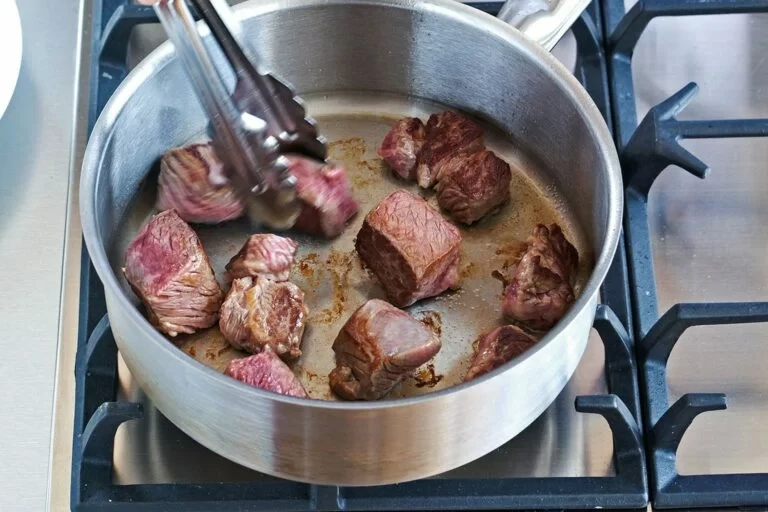
These cuts shine when time does most of the work. It’s not about complexity — it’s simply a different rhythm.
4. Why Some Cuts Feel Effortless and Others Don’t
What’s happening beneath the surface
This has very little to do with talent.
-
Fat content helps protect against dryness
-
Muscle structure influences tenderness
-
Heat tolerance determines how much variation a cut can absorb
Some cuts absorb variation. Others reflect it.
That’s why certain meats feel calm and reliable on a busy Tuesday, while others only show their best side when conditions are just right.
5. Applying This Without Overthinking
A simpler way to cook with confidence
You don’t need to change how you cook. You don’t need new equipment. You don’t need to memorise rules.
Just choose cuts that suit the moment you’re in.
Build a small rotation that fits the way your week actually looks, and better results tend to follow — without trying harder.
6. Where Chicken Thighs Fit In
A practical example
Chicken thighs are a good example of a cut that works well in real home kitchens. They cope with uneven heat, interruptions, and everyday cooking conditions without fuss. They also adapt easily across cuisines — Cantonese, Japanese, Western, and Southeast Asian.
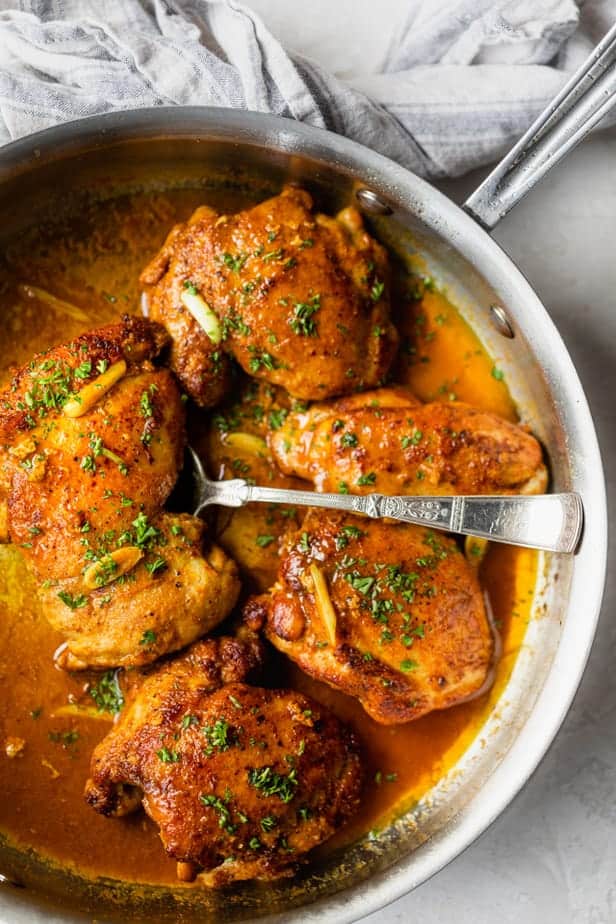
They’re particularly well suited to the Fast but Distracted mode.
I have a new Honey Garlic Soy Chicken Thigh recipe that went live on Tuesday that shows this in action. I actually cooked an abridged version recently when time was tight, and the result was still full of flavour — which is exactly the point of choosing the right cut for the moment.
Final Thought
Good cooking isn’t about control — it’s about alignment. When the cut matches how you cook, everything feels easier.
Most professional kitchens think this way instinctively. At home, we just don’t talk about it very often.
If you’d like more practical perspectives for real Hong Kong kitchens, you can explore Ask The Meat Guy on the site.



Thank you for posting your blog comment. It will be reviewed and set live soon. If you provided your email then you will be notified of replies to this comment.