
Does Where You Buy Your Meat Actually Affect How You Should Prepare It?
It absolutely does — and not for the reasons most people think.
Most people assume preparation is about technique — the right pan, the right temperature, the right timing. And technique matters. But the single biggest variable in how your meat behaves when it hits the heat isn't what you do in the kitchen. It's what happened before it got there.
1. The Source Shapes the Meat
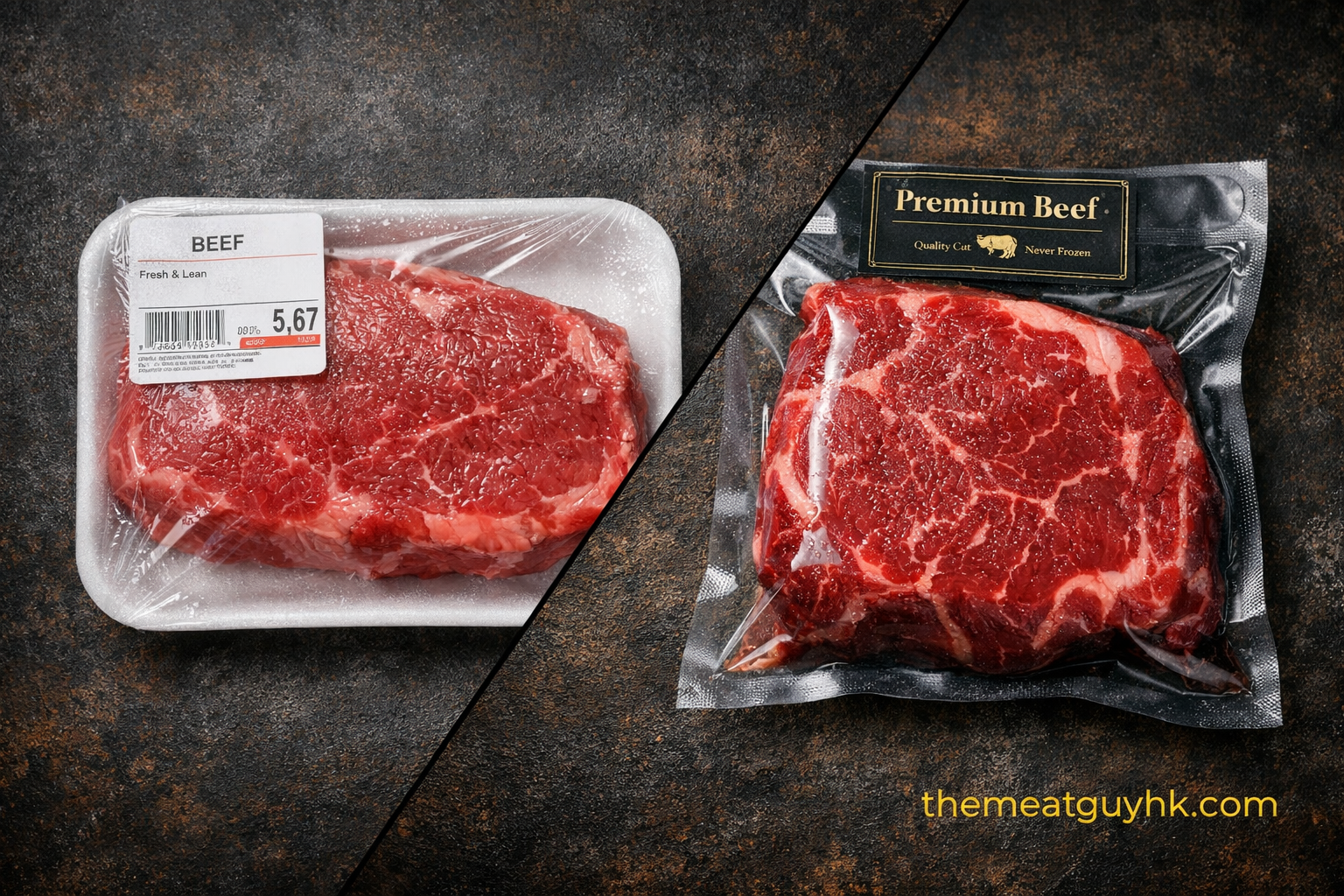
Supermarket meat is typically wet-aged, gas-flushed, and packed for shelf life. Premium chilled meat arrives vacuum-sealed and handled for freshness rather than shelf display.
That difference changes how the meat behaves before you even season it — moisture levels, surface texture, and how it reacts to heat are all affected by how it was processed and stored between the farm and your kitchen.
We've written about this in detail from a delivery perspective: Fast Doesn't Always Mean Fresh.
2. The Restaurant-Only Reality
Many people assume restaurant meat cooks differently because chefs have techniques home cooks don't. In reality, the biggest difference is the quality and consistency of the meat itself — properly sourced, correctly stored, and never subjected to unnecessary temperature fluctuations.
That's why your home results change when you change suppliers. It's not your cooking. It's the starting point.
This is something we've explored in more detail here: Why Some Cuts Feel "Restaurant-Only" — And Why They're Not.
3. Handling Before You Buy
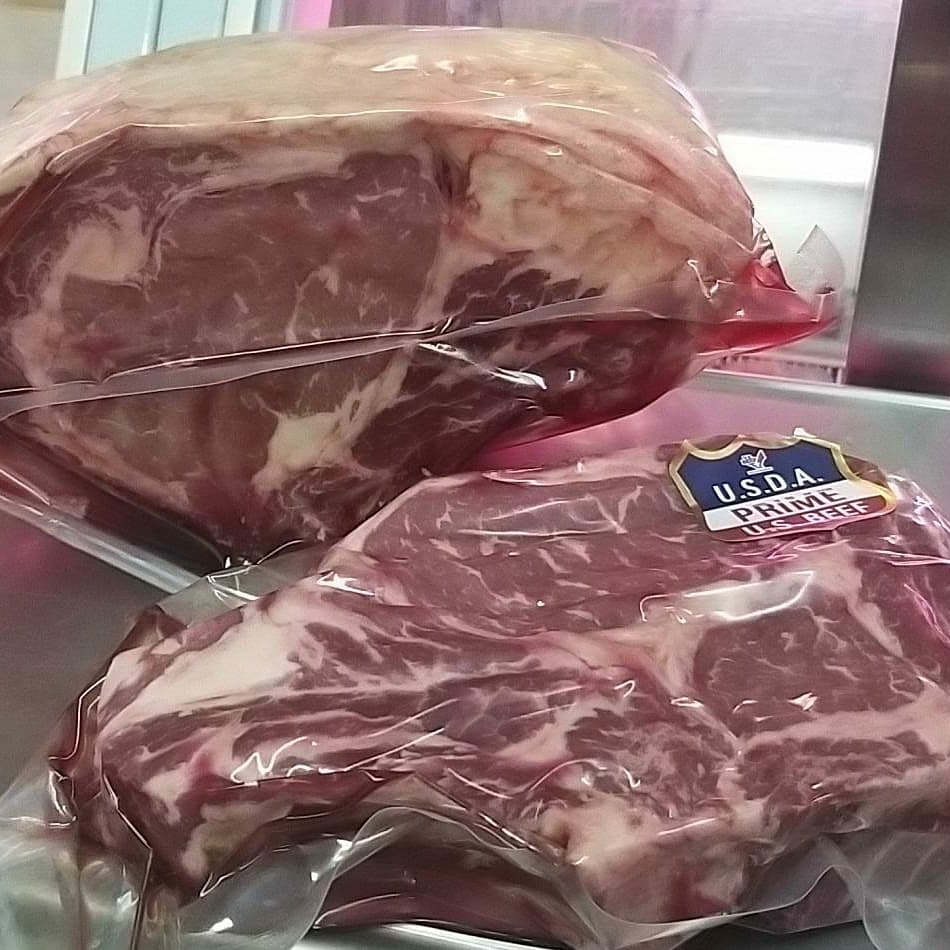
Every step between the farm and your kitchen affects the meat's surface moisture and texture. Mass-market supply chains involve multiple temperature changes and repackaging — each one affecting how much surface moisture the meat retains by the time it reaches you.
This is why patting meat dry before cooking is more important with some products than others. Fresh vacuum-sealed meat that has been handled minimally arrives with its natural surface texture largely intact. Meat that has been repackaged and temperature-cycled multiple times often has more surface moisture — and moisture is the enemy of a good sear.
Why meat sticks to the pan — and how to stop it.
4. Fat Quality and How It Affects Preparation
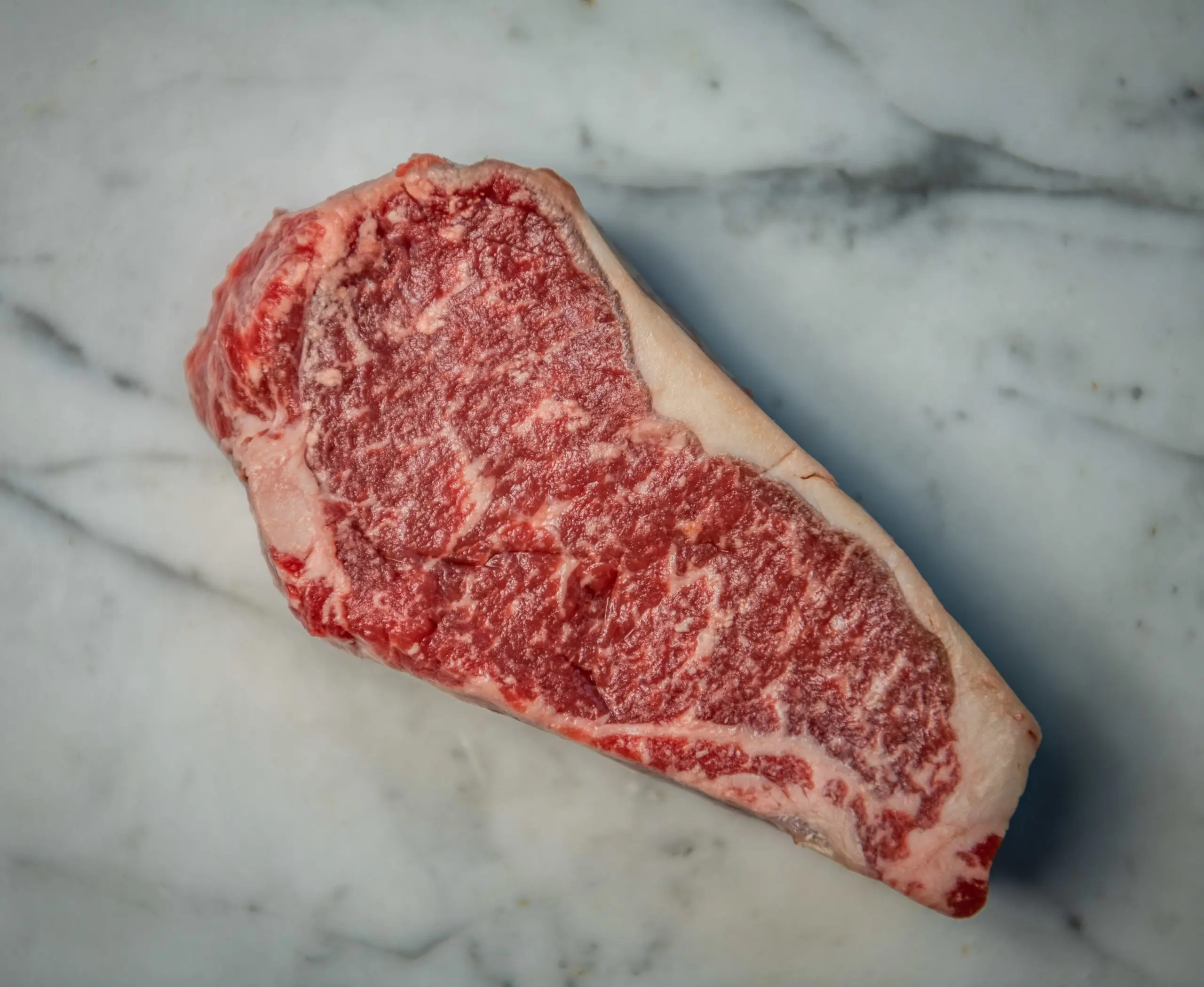
Where the animal was raised and how it was fed determines the fat profile of the meat — and fat behaves differently depending on its composition.
Grass-fed fat tends to melt at a slightly lower temperature and has a cleaner, more pronounced flavour. Grain-fed fat holds longer under heat and gives a richer, more buttery finish. Neither is better — they suit different cooking styles.
Knowing which you're working with helps you make better decisions about pan temperature, resting time, and whether the dish benefits from a fast sear or a slower render.
Wagyu vs Black Angus — why I don't always pick the most expensive steak on the menu.
5. One Preparation Step That Always Matters — Regardless of Source
Whatever you buy and wherever you buy it from, resting meat after cooking is non-negotiable. But the resting time and method can vary depending on how the meat was sourced and handled.
Fresh, minimally handled meat that has been correctly stored tends to retain more juice during cooking — which means the resting period is doing exactly what it should. Meat that has lost moisture during processing may need slightly longer to allow the fibres to relax properly.
Why resting meat matters — and how long to do it.
The Takeaway
Where you buy your meat determines how it's been aged, handled, and stored — and that directly affects how you should prepare it.
Better sourcing doesn't just taste better. It cooks better, behaves more predictably, and gives you more consistent results — not because of anything you're doing differently in the kitchen, but because the starting point is better.
That's the part most people never think about. And it's the part that makes the biggest difference.