
Why We Don’t Play the Discount Game, and Why Orders Close Monday at Noon
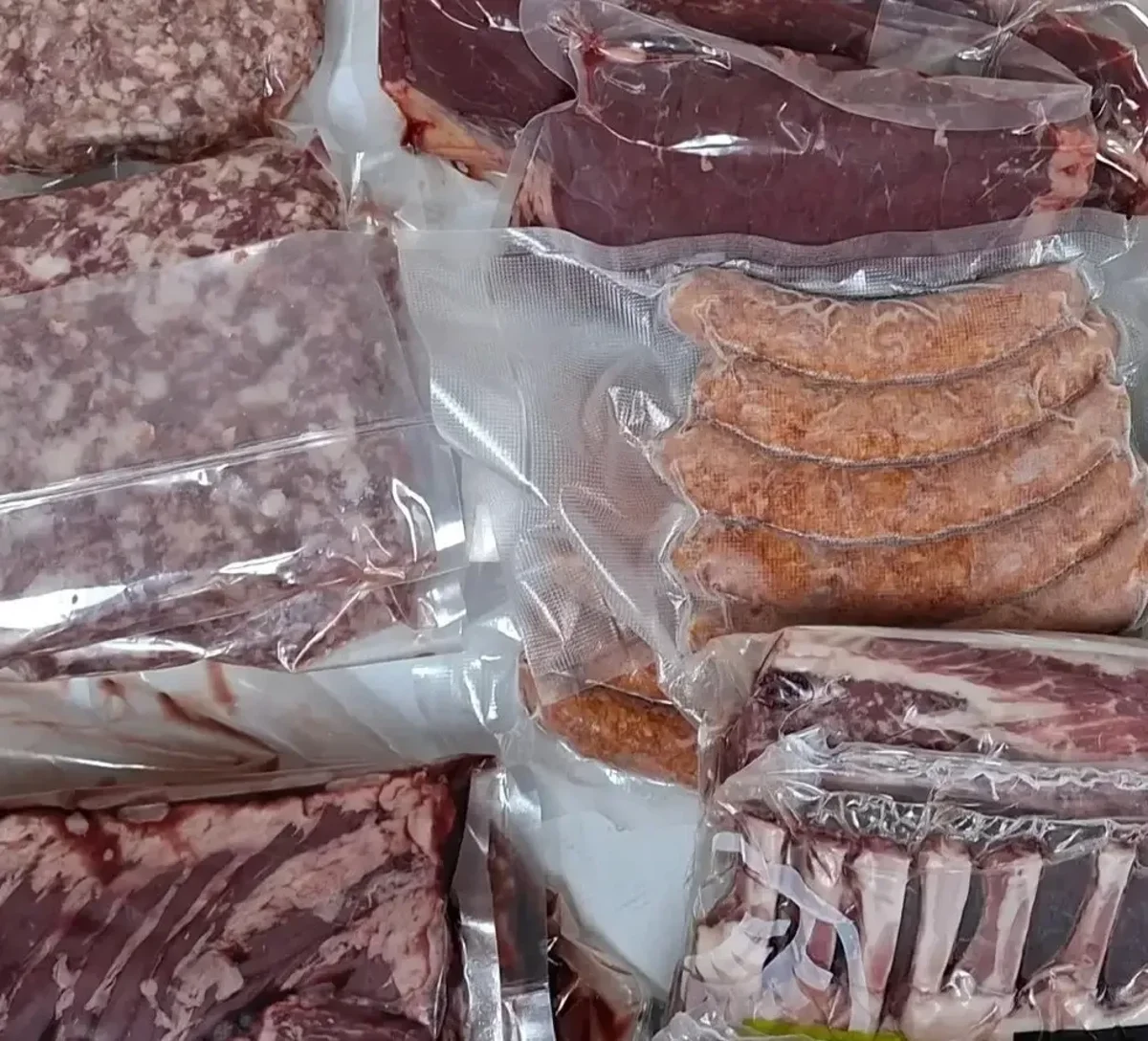
A price tag that says “was $300, now $120” only means something if anyone ever paid $300.
It’s a common retail tactic, and it works because most of us don’t remember what a cut cost last month. We see the red slash through the old price and feel like we’ve won. Often we’ve just been shown a number that was designed to be crossed out.
The bigger the percentage, the more closely you should look. Percentage off is measured from the “normal” price, and that’s a number the retailer sets. Take a cut with a “normal” price of $300 per kilogram and 60% off, so it sells for $120. If everyone else charges $180, the real saving is a third, not 60%. The final price might still be a good one, but it’s the final price that matters, not the percentage.
We don’t do that. This is the way we price.
How our prices move
Our prices move for two reasons. The first is what we’re charged. When our costs go up, we raise prices. When they come down, we reduce them.
The second is the market. We watch what other retailers charge every day, looking at their regular prices, not their promotions, and we set ours so they stay fair against it. We won’t be the cheapest on every product every week, and we don’t try to be. We aim for a price you can rely on from one week to the next.
Recently, we cut the regular price of our Australian ribeye and barramundi by a substantial margin, because our supplier costs came down and we passed that on. No countdown timer, no banner. That’s what a real price drop looks like: it comes with a reason, and it’s the new normal price.
We don’t inflate a price so we can cut it later, and we don’t dress an ordinary price up as a deal. We do run the occasional discount, when we over-order, receive the wrong product, or need to clear space. That’s housekeeping, not strategy. If a deal appears, there’s a real reason for it.
How to check any deal yourself

You don’t need us to tell you whether a price is fair, at our shop or anywhere else:
- Compare per kilogram, not per pack. Pack sizes are not always the same. Per kilogram still isn’t the whole story, because bone, fat and trim change what ends up on your plate. We cover that in Understanding Meat Yield.
- Compare like for like. Check the cut, grade, trim and whether it’s chilled or frozen. Two mince blends with different fat levels are not the same product, which we cover in Not All Mince Is the Same.
- Judge the final price, not the percentage. The percentage is measured from a “normal” price the retailer chooses. Compare the end price per kilogram with what other retailers charge for the same product, and be wary of a “was” price you’ve never actually seen.
It takes five minutes, and it protects you wherever you shop.
Orders close Monday at noon
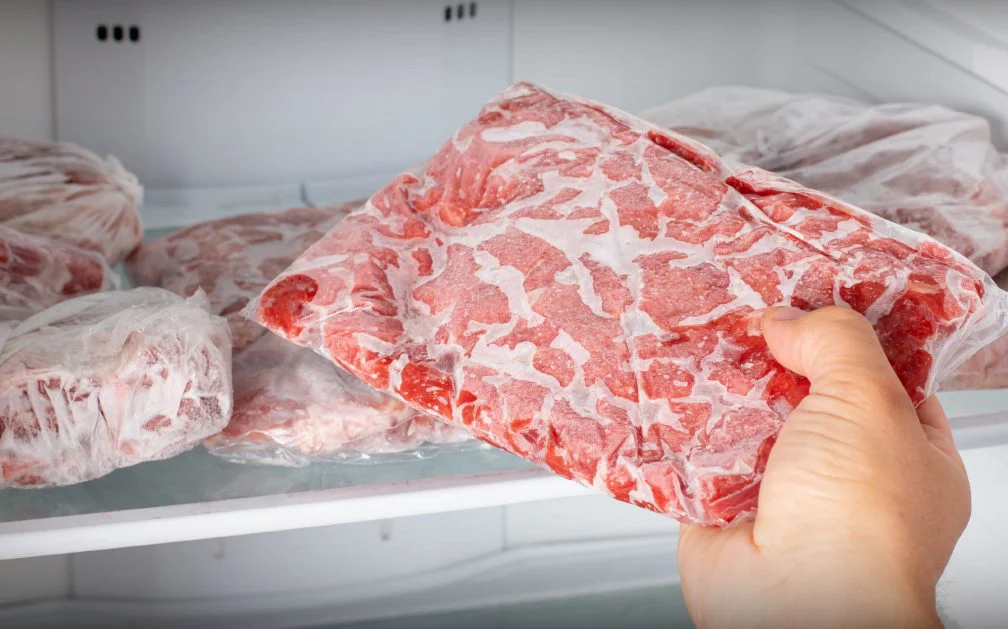
That’s how we price. The other half of keeping things simple is how we order, and it’s a firm cut-off.
We order on demand rather than guessing, which cuts waste. We keep stock tight, so most of what we buy arrives fresh, with a smaller range of frozen product alongside it. Some fresh items, like Australian chicken and salmon, are frozen before delivery to protect shelf life, and you can ask for them fresh. Our weekly stock comes in on Tuesdays, so Monday noon is where the line has to fall. By Wednesday, the stock for that week is committed.
That’s why customers who contact us on Wednesday often find there’s nothing left for them. We’d rather tell you that plainly than promise something we can’t deliver.
We know what this asks of you. Ordering on Monday for Thursday or Friday delivery means buying for the week ahead, and it’s hard to know on Monday what you’ll want to eat next week. Here’s how to handle it:
- Order the staples you know you’ll use. Mince, chicken and everyday cuts are safe choices.
- Choose cuts that freeze well, so nothing goes to waste if plans change. We cover the best options in The Most Versatile Meats to Keep in Your Freezer.
- Make Monday part of your weekly routine, the same way you’d write a shopping list. Our Ultimate Meat Planning Guide for Hong Kong walks through how much meat you really need and how to plan the week around it.
Plenty of retailers advertise next-day delivery. Our own customer surveys showed that many people still plan their meat and order once a week. If that’s you, the Monday cycle fits how you already shop.
Delivery: now by SF Express
We’ve changed couriers. Your order now travels in a refrigerated van with SF Express, tracked, and you choose Thursday or Friday delivery, whichever suits you.
The trade-off is that delivery times are less certain than before. Our previous courier delivered in a fixed late-afternoon window. SF Express can arrive earlier in the day, so plan for that. Someone needs to be there to sign for the order. If nobody is home, the courier will generally contact you to arrange a new time.
What this means for you
Order by noon Monday, by WhatsApp or through the website, and tell us whether you want Thursday or Friday delivery. If you want a custom cut or have a question about what suits your week, message us on WhatsApp.
We’re not here to sell you meat. We’re here to make you better at buying it.
— The Meat Guy Hong Kong



Thank you for posting your blog comment. It will be reviewed and set live soon. If you provided your email then you will be notified of replies to this comment.