
How Long Does Raw Meat Last in the Fridge?
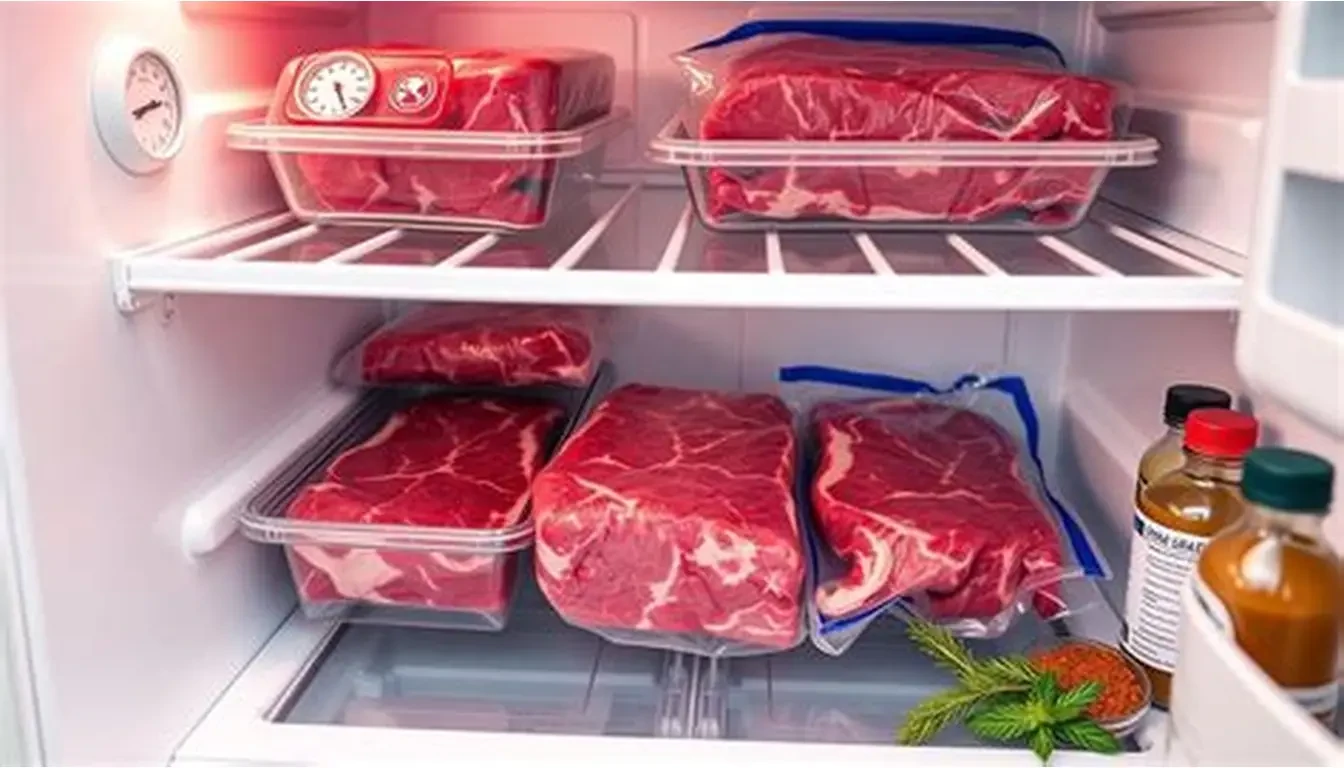
Storing raw meat safely is one of the most important — and most misunderstood — parts of home cooking. Many people assume that meat lasts longer in the fridge than it actually does, and that can lead to food waste at best and food‑borne illness at worst. Whether you’re stocking up for the week or planning a single meal, knowing how long raw meat stays fresh helps you cook confidently and safely. Here’s what every home cook should know.
Why Raw Meat Storage Matters
Raw meat is highly perishable. Even in the fridge, bacteria continue to multiply — just at a slower rate. Keeping meat at the correct temperature and using it within the recommended timeframe protects both flavour and safety. Proper storage also helps you avoid unnecessary waste, especially if you buy in bulk or prep meals ahead of time.
The 4°C Rule: Your Fridge Matters More Than You Think
Food‑safety guidelines consistently recommend keeping your fridge at 4°C or below to slow bacterial growth. This temperature significantly reduces the risk of harmful microorganisms multiplying, but it doesn’t stop them entirely. That’s why raw meat has strict time limits, even when stored correctly.
If you’re unsure about your fridge temperature, use a thermometer — many home fridges run warmer than people realise.
How Long Raw Meat Lasts in the Fridge
Different meats have different shelf lives. Here are the general guidelines supported by food‑safety sources:
Beef & Lamb
Whole cuts such as steaks, chops, and roasts typically last 3–5 days in the fridge. Ground beef or minced lamb is more perishable and should be used within 1–2 days.
Pork
Like beef, whole cuts of pork can last 3–5 days, while minced pork should be cooked within 1–2 days.
Chicken
Raw chicken — whether whole, in pieces, or minced — has the shortest shelf life. It should be used within 1–2 days. Poultry carries a higher risk of bacterial contamination, so sticking to this timeframe is essential.
These timelines assume the meat is fresh when purchased and stored immediately in a properly chilled fridge.
Packaging & Placement: Small Habits That Make a Big Difference
How you store raw meat affects both safety and quality.
Keep meat in its original packaging
Factory‑sealed packaging is designed to maximise freshness. If the packaging is damaged or leaking, transfer the meat to an airtight container.
Store meat on the bottom shelf
This prevents juices from dripping onto other foods — one of the most common causes of cross‑contamination.
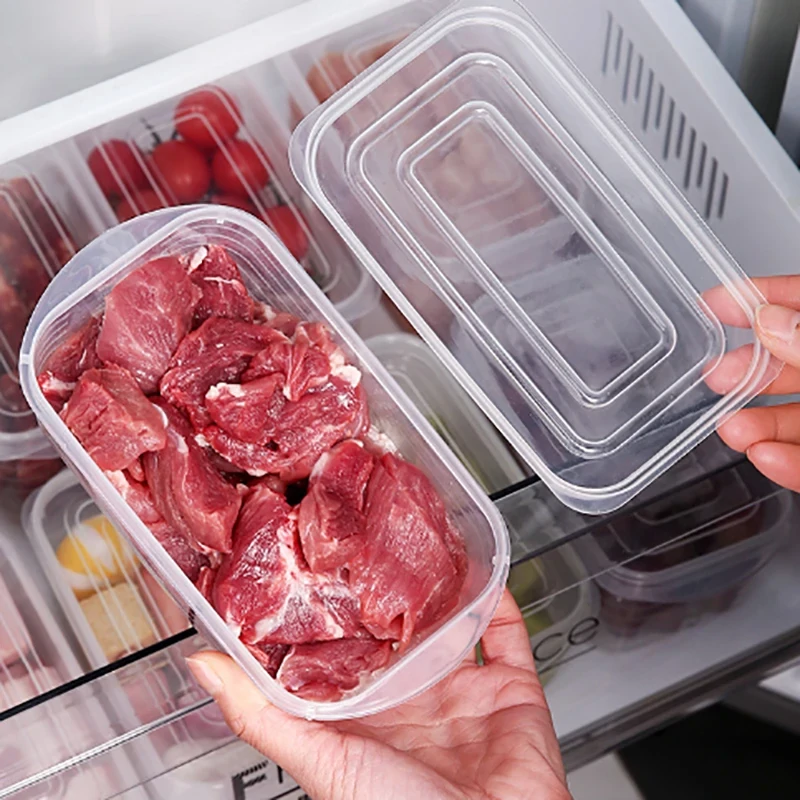
Use airtight containers when needed
If you’ve opened the packaging, reseal tightly or use a container to prevent exposure to air and odours.
Avoid overcrowding the fridge
Air needs to circulate to maintain a consistent temperature.
Signs Raw Meat Has Gone Off
Even if meat is within the recommended timeframe, always check for signs of spoilage. Refrigeration guidelines are helpful, but not foolproof.
Look out for:
-
Sour or unpleasant smell
-
Slimy or sticky texture
-
Grey, green, or dull colour
-
Excessive liquid pooling in the packaging
If something feels “off”, trust your instincts — and throw it out.

When to Freeze Instead
If you won’t use the meat within the recommended fridge window, freezing is the safest option. Freezing stops bacterial growth entirely and preserves quality for months. As a rule of thumb:
-
Freeze within 1–2 days for minced meats and chicken
-
Freeze within 3–5 days for whole cuts of beef, pork, and lamb
Freezing early ensures the best texture and flavour when you eventually cook it.
Final Thoughts
Raw meat doesn’t last as long in the fridge as many people think — but with the right habits, you can store it safely and confidently. Keep your fridge at 4°C, follow the recommended timeframes, store meat properly, and freeze anything you won’t use in time. These simple steps protect both your health and the quality of your meals.