
Rump, Sirloin, or Ribeye — Which Steak Should You Actually Buy?
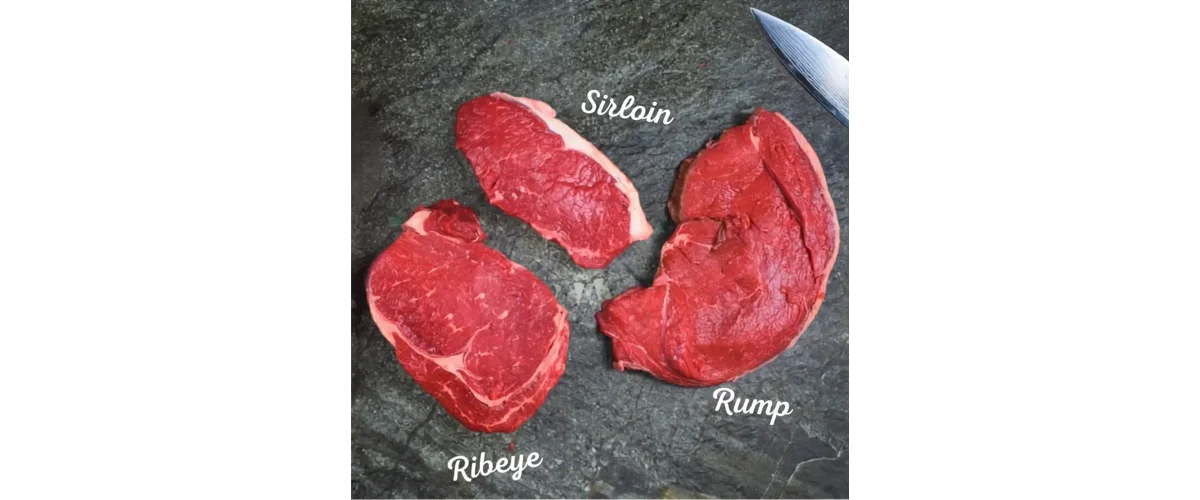
Rump, Sirloin, or Ribeye — Which Steak Should You Actually Buy?
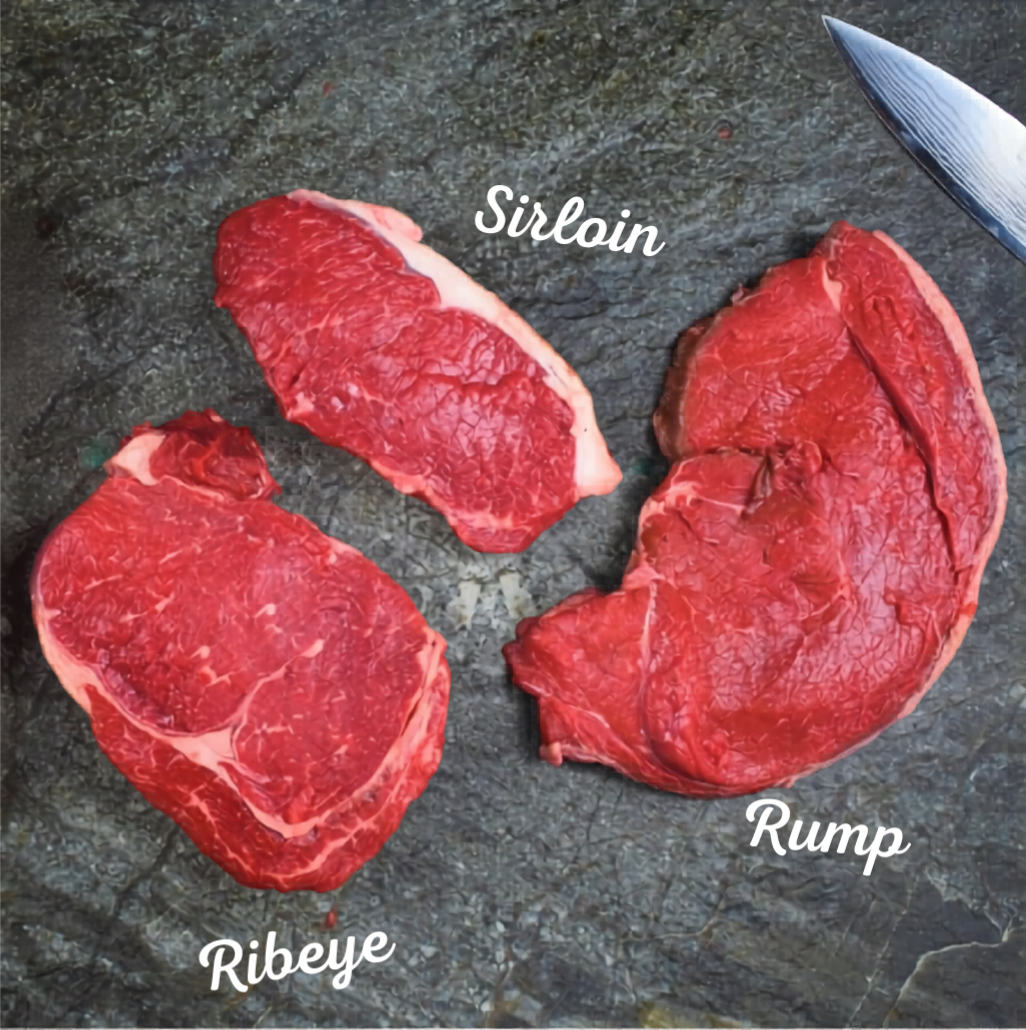
Understanding Fat, Texture, and Cooking Style So You Choose the Right Cut Every Time
Most people choose steak by price or habit. They buy what they know, or they buy what looks impressive.
But the real differences between rump, sirloin, and ribeye have nothing to do with reputation — they come down to fat content, texture, and how you cook them.
Once you understand that, you stop second‑guessing at the butcher and start choosing the right cut for the right meal.
1. The Quick Answer Nobody Gives You
Each cut has a different job. None of them is “the best.”
The right choice depends on:
-
how you’re cooking
-
how much fat you enjoy
-
how confident you are with timing and heat
This sets the stage for a comparison that respects all three cuts — not just the expensive one.
2. Ribeye — The Flavour Cut
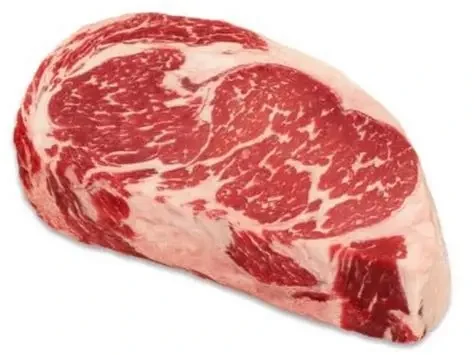
The steak that makes people think they’re better cooks than they are.
Ribeye is rich, marbled, and naturally forgiving. Fat runs through the muscle, not just around the edge, so even if you slightly overcook it, it stays juicy.
Why people love it:
-
Well‑marbled and full of flavour
-
Very forgiving — fat protects the meat
-
Simple seasoning is all it needs
-
Perfect for pan‑searing or reverse sear
Why it costs more:
You’re paying for the marbling — not the name. Marbling is rare, slow to develop, and the reason ribeye tastes the way it does.
3. Sirloin — The Middle Ground
Lean enough for everyday cooking, flavourful enough to feel like a treat.
Sirloin sits between ribeye and rump in both fat and texture. It has a firmer bite and a cleaner flavour profile.
Why people choose it:
-
Leaner than ribeye
-
Good beef flavour without the richness
-
Familiar — common in HK restaurants
-
Great for slicing over rice, noodles, or salads
What to watch out for:
Sirloin can dry out if you push it past medium. Internal temperature matters more here than with ribeye.
4. Rump — The Underrated Option
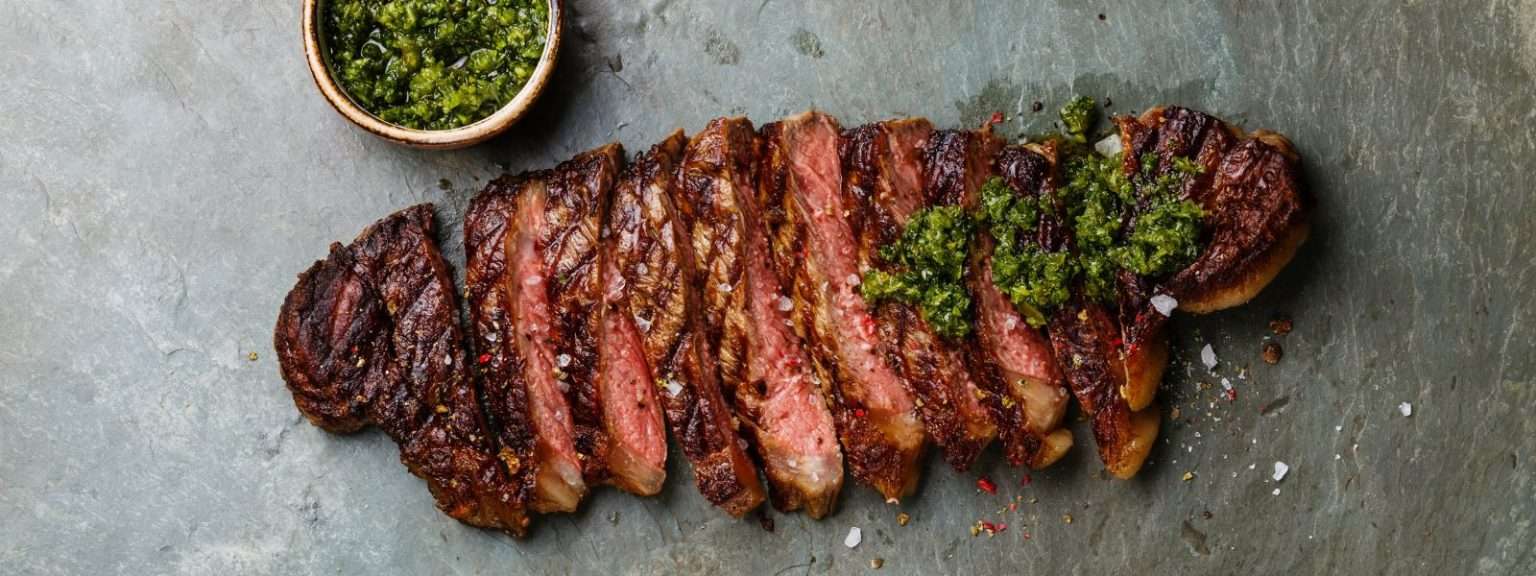
The choice of people who actually know their meat.
Rump has the deepest beef flavour of the three. It’s leaner, denser, and rewards proper technique.
When I was growing up in rural Australia, rump wasn’t a “budget cut.” It was just… steak.
We didn’t debate marbling scores or compare grain‑fed vs grass‑fed. We bought rump, cooked rump, ate rump — and nobody complained.
It was the workhorse cut: big flavour, good chew, and tough enough to survive a dad‑run BBQ without turning into leather.
Maybe that’s why I still have a soft spot for it. Rump doesn’t pretend to be anything it’s not — and that’s exactly why it deserves more respect.
Why it deserves more credit:
-
Strong, beefy flavour
-
Excellent value — you’re paying for the meat, not the reputation
-
Great for high‑heat, quick cooking
-
Fantastic when sliced after resting
What it needs from you:
-
A hot pan
-
Don’t overcook it
When cooked well, rump delivers flavour that punches above its price.
5. The Cooking Difference That Matters Most
Here’s the real truth:
-
Ribeye is forgiving — fat protects it.
-
Sirloin needs attention — timing matters.
-
Rump rewards technique — hot pan, quick cook, proper rest.
If you want a steak that’s easy and consistent → ribeye.
If you want something leaner but still flavourful → sirloin.
If you want maximum flavour per dollar → rump.
6. So Which Should You Buy?
Cooking for a crowd on a budget → choose rump
Great flavour, great value, easy to portion.
Want maximum flavour with minimum effort → choose ribeye
Hard to mess up, always satisfying.
Want something in between → choose sirloin
Lean, versatile, familiar.
The honest conclusion
Rump is the most underrated of the three. In Hong Kong — where good meat isn’t cheap — rump deserves far more attention than it gets. Cooked properly, it delivers flavour that rivals cuts twice the price.