
Does Cutting Against the Grain Really Matter?
Short Answer
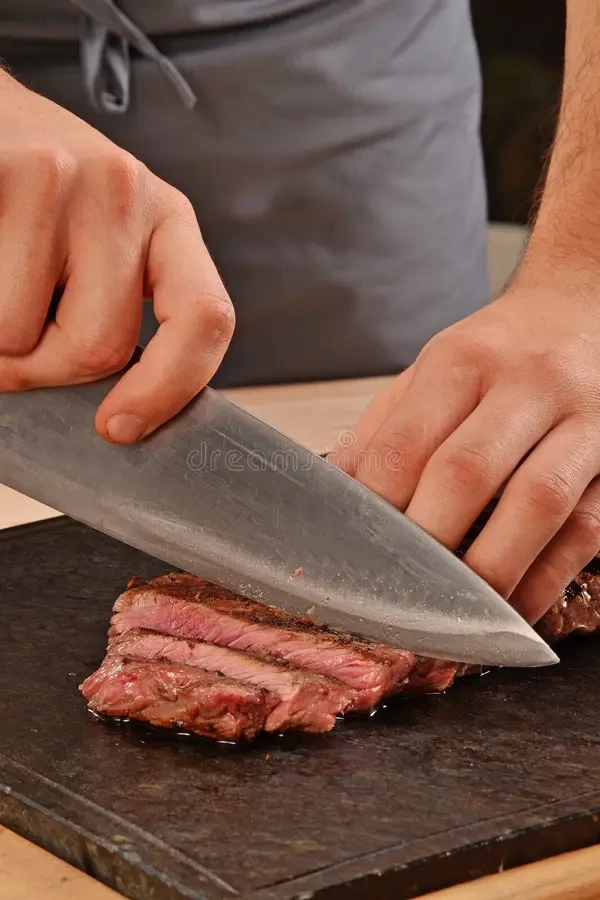
Yes. Cutting against the grain makes meat easier to chew and improves tenderness. It doesn’t change flavour, but it changes how the meat feels when you eat it.
What “the Grain” Means
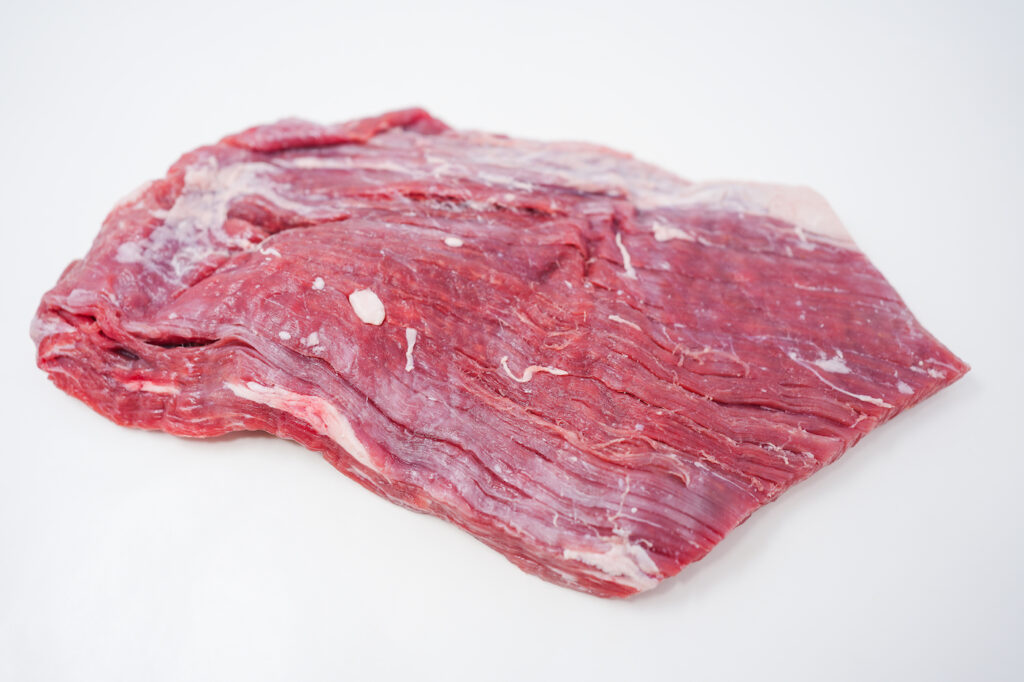
In meat, the grain refers to the direction the muscle fibres run.
-
Muscle fibres naturally run in one direction — that’s the grain.
-
Cutting with the grain leaves long fibres, which can feel chewy.
-
Cutting against the grain shortens those fibres, making each bite more tender.
Think of it like cutting a bundle of strings — shorter pieces are easier to chew than long strands.
Why It Matters
Texture
Shorter muscle fibres mean each bite is easier to chew.
Consistency
Even tougher cuts become noticeably more tender when sliced properly.
Presentation
Clean, even slices also look neater and more professional when served.
When It Matters Most
Cutting against the grain makes the biggest difference with fibrous cuts, such as:
-
Flank steak
-
Skirt steak
-
Hanger steak
It also matters for:
-
Brisket and roasts, where slicing direction affects tenderness
-
Stir-fry strips, where thin slices against the grain cook quickly and stay tender
When It Matters Less
Some cuts are naturally tender, so grain direction is less critical:
-
Tenderloin
-
Ribeye
It also doesn’t matter with minced meat, where the muscle fibres have already been broken down.
How to Cut Against the Grain
-
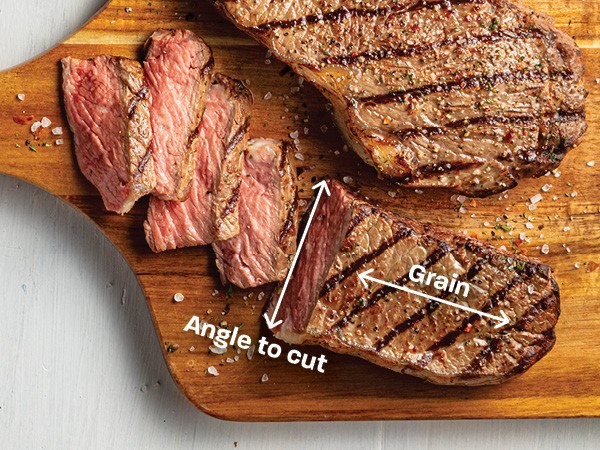
Look closely at the meat before slicing — you’ll see lines running in one direction.
-
Turn the meat so your knife cuts perpendicular to those lines.
-
Slice cleanly and evenly for consistent portions.
Taking a moment to identify the grain before cutting can make a noticeable difference to tenderness.
Cutting against the grain is a small step, but it makes a big difference to how tender your meat feels.
If you’re looking to improve your results even further, I’ve put together a simple guide covering other easy wins in the kitchen:
👉 7 Tools & Techniques That Make Meat Cooking Easier (and Better)
Final Thought
Cutting against the grain doesn’t change the meat itself — it changes how you experience it. For tougher cuts, it’s one of the simplest ways to improve tenderness without changing the recipe or cooking method.


