
Meat Curling
Why Does My Meat Curl Up in the Pan?
Short Answer
Meat curls because one side tightens faster than the other when heat hits it. Different proteins curl for different reasons — but the fix is always about controlling how the surface contracts.
The Science (Simple Version)
When heat hits meat, proteins contract. If one side contracts faster — fat, skin, or muscle — the whole piece bends toward that side. That's it. One principle, many examples.
Why It Happens (Across Different Proteins)
1. Steak / Rump
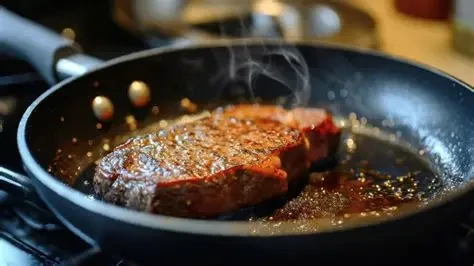
The fat cap and silverskin around the edge shrink faster than the lean meat, pulling the steak upward like a belt tightening. It happens most with rump, sirloin, and striploin — the more fat, the more curl.
Fix: Score the fat cap, trim thick silverskin, and press the steak flat for the first 10–15 seconds of searing. Getting that initial contact right is the same principle behind why searing produces better flavour — the whole crust needs to touch the pan at once.
2. Prawns
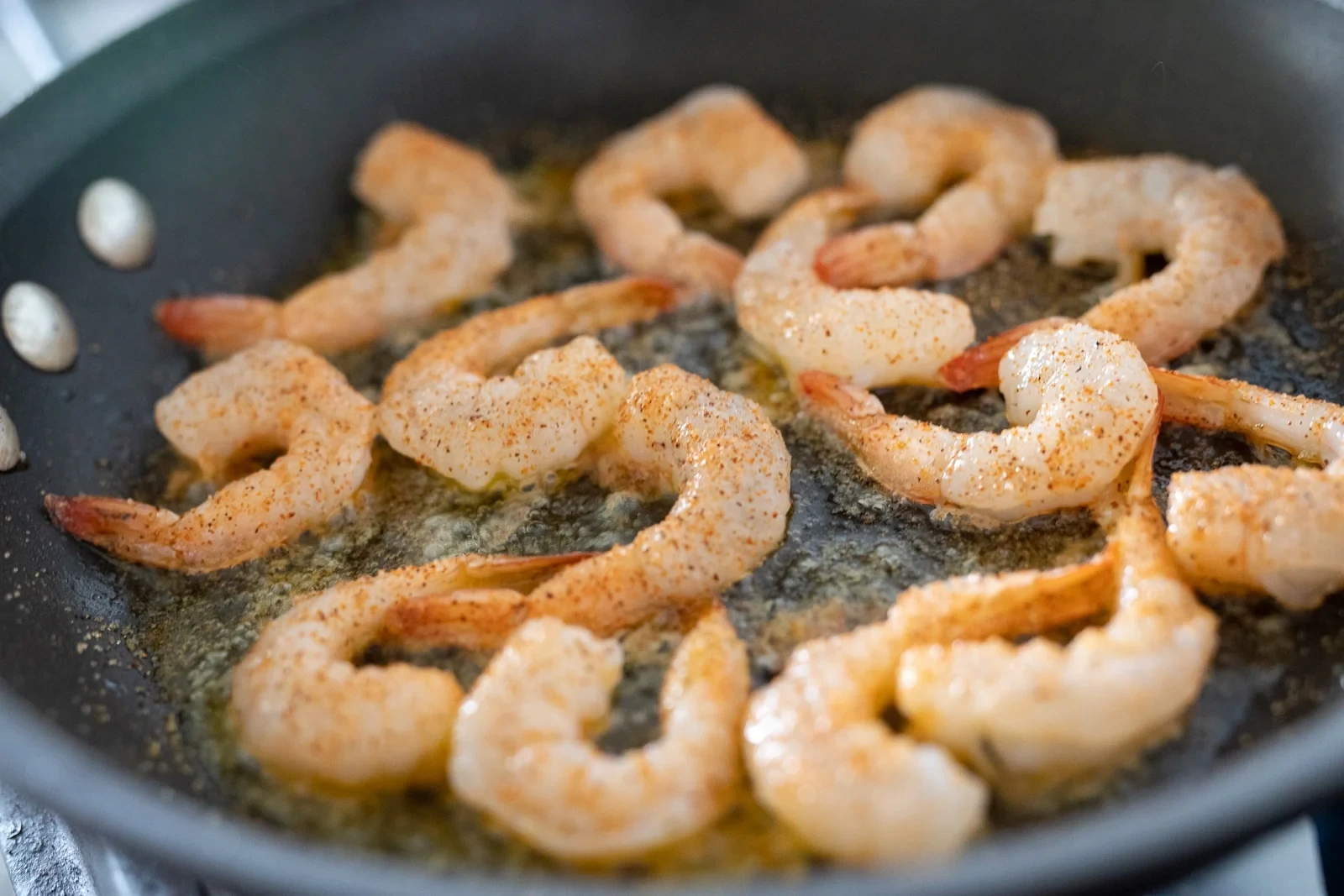
Prawns curl because the muscle fibres on the inside curve contract faster than the outside. That's why raw prawns are straight, cooked prawns are C-shaped, and overcooked prawns become tight O-shapes — and an O-shaped prawn is a sign they've gone too far and will be tough.
Fix: Make a shallow cut along the belly and remove the vein. This relaxes the inner curve and keeps them straighter and more evenly cooked.
3. Fish Fillets
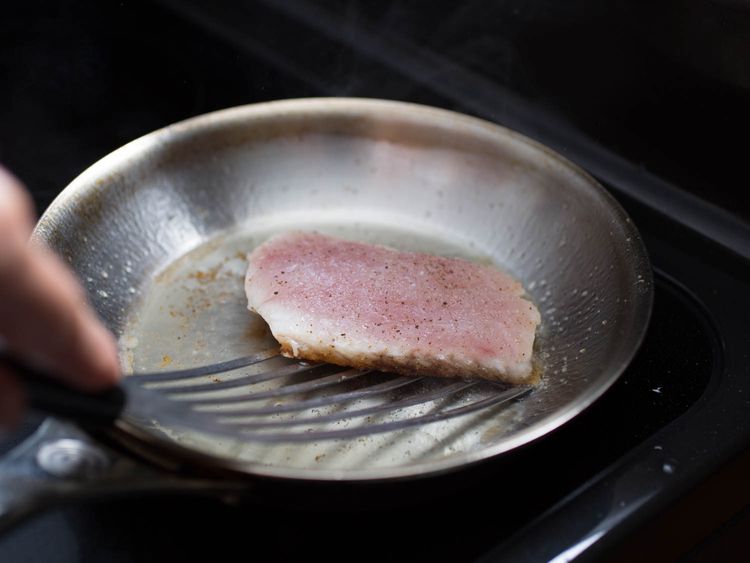
Fish skin shrinks faster than the flesh, causing the fillet to buckle upward. This is why pan-frying fish often starts with a loud pop and a curled fillet.
Fix: Score the skin with shallow cuts, start skin-side down, and press gently for the first 10 seconds. If the fillet is still sticking before you can press it flat, why meat sticks to the pan and how to stop it covers exactly what's happening there.
Quick Reference Table
| Protein | Why It Curls | Fix |
|---|---|---|
| Steak / Rump | Fat cap + silverskin shrink faster | Score fat, trim silverskin, press flat |
| Prawns | Inside muscle contracts faster | Shallow belly cut, devein |
| Fish Fillets | Skin shrinks faster than flesh | Score skin, start skin-down, press briefly |
What Happens If You Don't Fix It?
Uneven cooking, patchy browning, overcooked edges with an undercooked centre, and loss of crust — especially with rump. Fish that won't sit flat means one end overcooks before the other is done. This is the same reason getting an even brown on mince matters — uneven contact with the pan means uneven results.
This is why chefs always score, trim, or press. It's not cosmetic — it's functional.
Final Thought
Meat curls because different parts tighten at different speeds. Control the surface — score, trim, or press — and your meat will cook evenly, brown better, and stay flat in the pan.