
Use By Dates
How Can You Tell If Meat Is Fresh Without Looking at the Date?
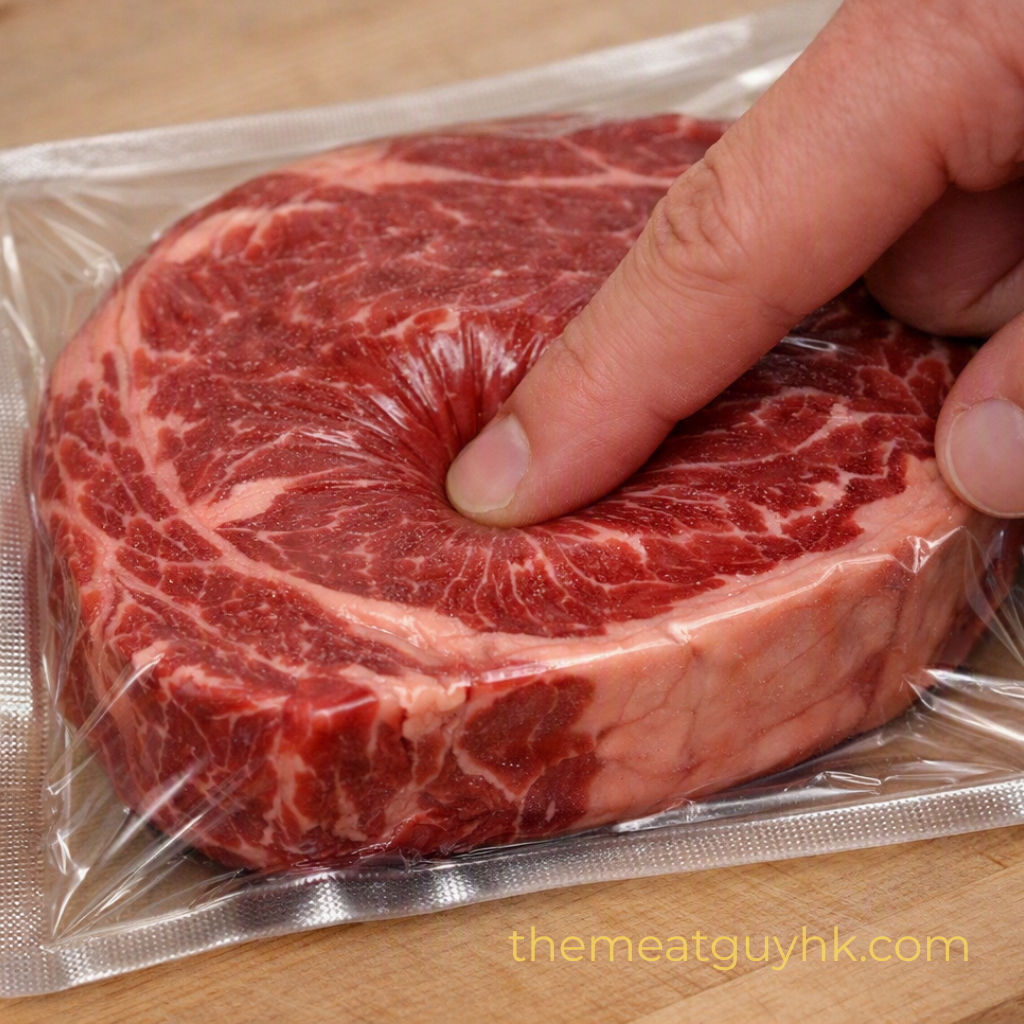
Freshness isn't printed on a label — it's something you can judge in under 30 seconds once you know the cues.
And even if you buy meat online, those cues still apply the moment your delivery arrives.
1. The Smell Test
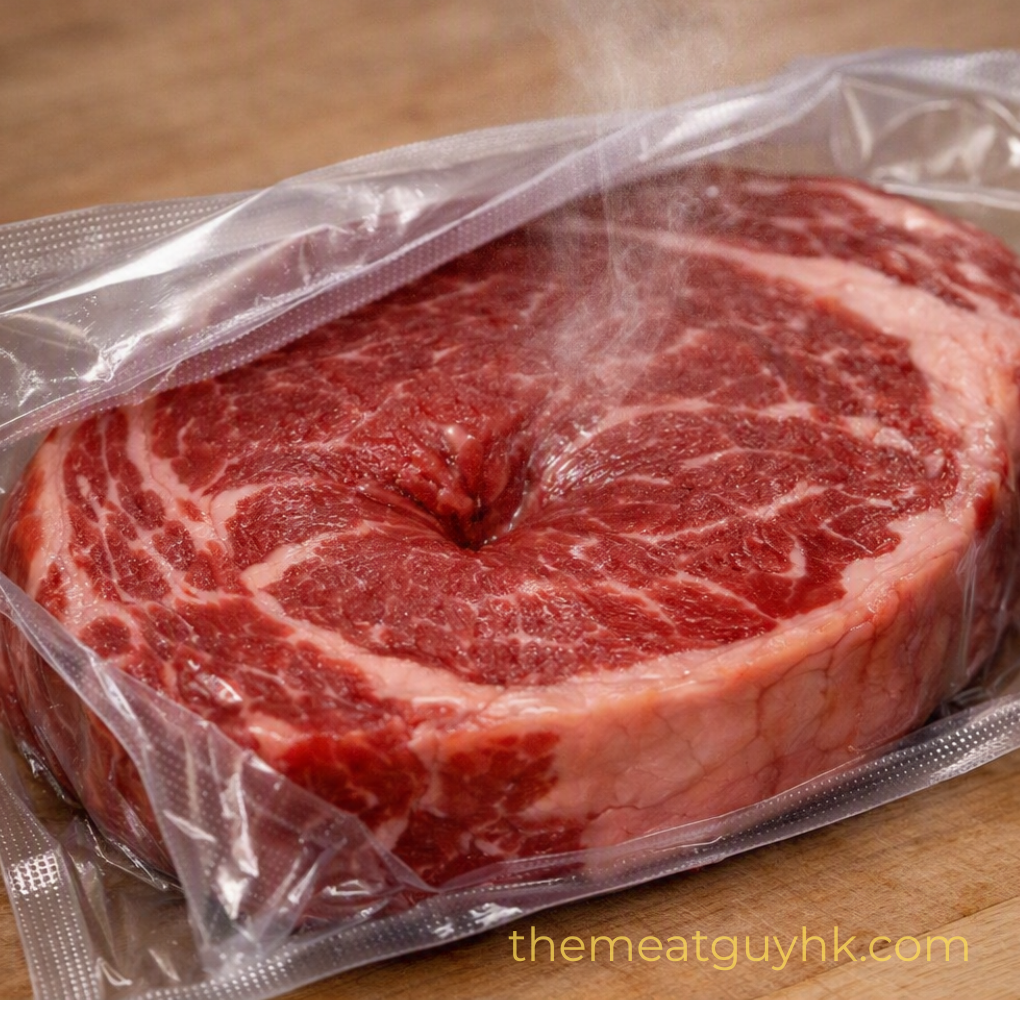 Note: Cold vapour on opening
The fastest and most reliable indicator.
Fresh meat smells clean and neutral — not sour, sharp, or strongly "meaty." A pronounced off-smell is a sign of bacterial activity, regardless of what the date says.
| Product | What You Should Smell | What to Avoid |
|---|---|---|
| Beef | Mild, slightly sweet | Sour or metallic notes |
| Lamb | Clean, faintly grassy | Strong barnyard aroma |
| Pork | Neutral | Sharp or ammonia-like scent |
| Chicken | Virtually no smell | Any sour or persistent unpleasant smell |
Vacuum-packed note: Opening a vacuum-sealed pack can release a stronger smell at first — this is normal and dissipates quickly. If the smell disappears within a minute or two, the meat is fine. If it persists or is genuinely unpleasant rather than just unfamiliar, trust your nose over the date.
Does vacuum-sealed meat last longer — and why it sometimes smells when opened.
2. The Colour Check
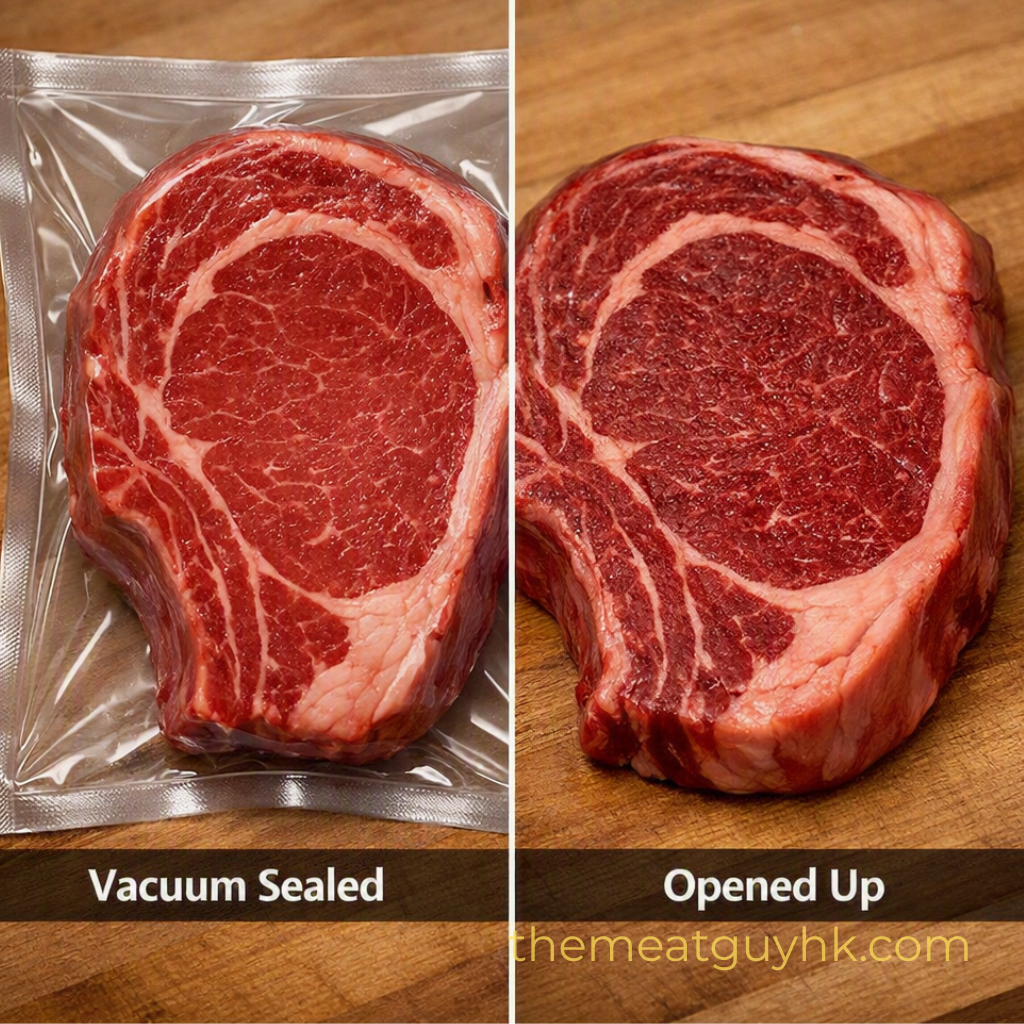
Colour changes are natural, but extreme shifts signal age or oxidation.
- Beef: cherry-red when exposed to air. Brown patches indicate oxidation — not necessarily unsafe but a sign of age.
- Lamb: deep red with creamy fat. Dull grey colouring indicates age.
- Pork: pale pink. Grey or greenish tones mean it's past its best.
- Chicken: pink and moist. Yellow or dull grey colouring is a red flag.
One important note: vacuum packed meat often darkens during storage and returns to its natural colour when exposed to air. This colour bloom is normal and is a sign of proper handling, not poor quality. Give it a few minutes before judging colour.
How long does raw meat last in the fridge — and what affects it.
3. The Texture Test
Touch tells the truth.
- Fresh meat: firm and springy — it bounces back when pressed.
- Old meat: sticky, tacky, or slimy — a sign of bacterial activity on the surface.
- Previously frozen and thawed meat: slightly wetter than fresh but still firm. Mushiness is a problem regardless.
4. The Packaging Check
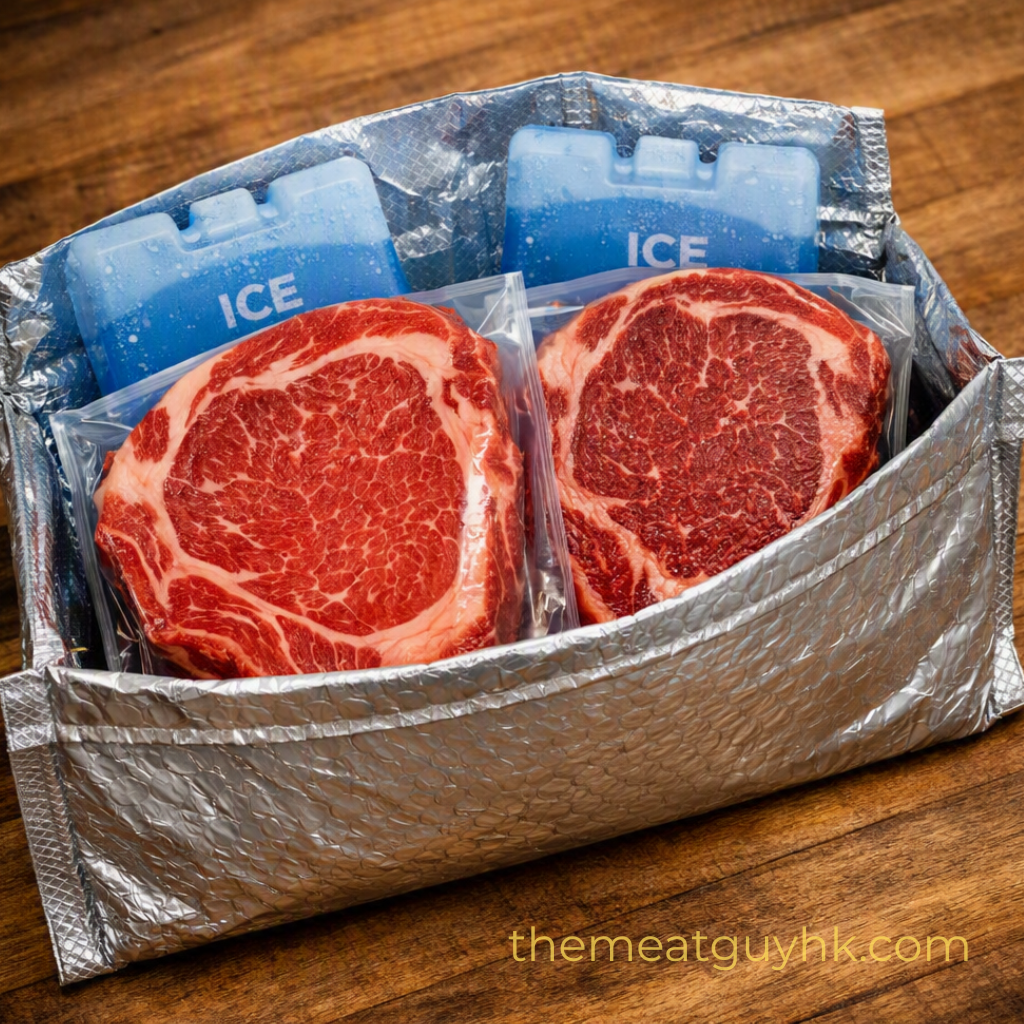
For deliveries — your freshness check happens when you open the bag, not at checkout.
- Vacuum seal: tight and intact. Any breach means the product has been exposed to air and shelf life is reduced.
- Ice packs: should still be cold or partially frozen on arrival.
- Liquid pooling: a small amount is normal inside vacuum packs. Excessive liquid suggests the product may have thawed before delivery.
Fast Doesn't Always Mean Fresh — what delivery really means for your meat.
5. What If You're Buying Meat Online?
You can't see, smell, or touch the meat before ordering — and that's normal. For online buyers, freshness depends on trust signals before purchase and sensory checks at delivery.
Before You Buy — What to Look For
- Clear product descriptions — cut type, weight, origin clearly stated
- Transparent cold-chain process — how the meat is packed, with what, and how it travels
- Honest photography — images should accurately represent the cut and quality, not just aspirational stock imagery that bears no relation to what arrives
- Realistic expectations — vacuum-packed meat often looks less photogenic than a supermarket display cut. That's actually a sign of proper handling, not poor quality
When It Arrives — The Five-Point Check
- Is it cold?
- Is the seal intact?
- Does it smell clean once opened?
- Does the colour bloom after a few minutes of air exposure?
- Does the texture feel firm and springy?
If all five are yes — you have fresh meat regardless of what date is on the label.
6. How This Connects to Use-By Dates
Sensory checks and date labels aren't in competition — they answer different questions. The use-by date is the hard limit: once it's passed, the meat isn't safe to eat, no matter how it looks or smells. That part doesn't move.
Within that window, though, your senses tell you something the date can't. A date is set at the point of packaging and applies to the average pack under average conditions. It can't account for how your fridge runs, how the seal held up in transit, or whether this particular cut is behaving the way it should. Your senses check the actual product in front of you, not the average one.
So a product that's still within its use-by date but fails the smell or texture test shouldn't be eaten — the date being valid doesn't override what your senses are telling you. And a product past its best-before that passes all five checks is still perfectly good — quality dates are conservative by design. What your senses can't do is extend a use-by date. Once that date has passed, it's passed, regardless of how fresh everything seems.
Use-By Dates, Best-Before Dates, and What They Actually Mean for Your Meat.
Final Thought
Freshness isn't something you guess — it's something you check. Smell, colour, texture, and packaging tell you everything you need to know once your delivery arrives.
Your senses catch what a date can't see. The use-by date is still where it stops.