
What is Jus?
What's the Difference Between a Marinade, a Sauce, and a Jus?
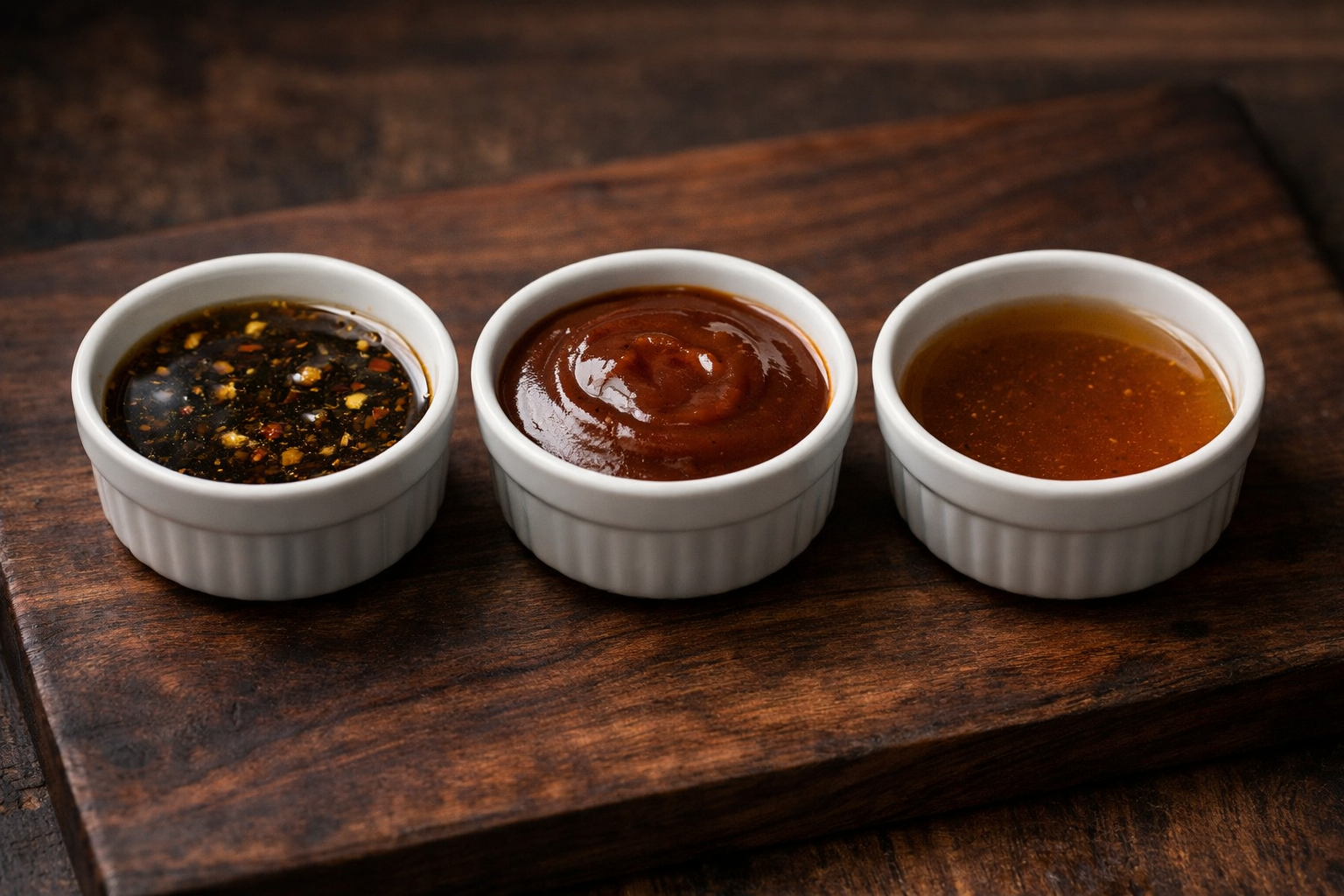
Short Answer
They're three completely different tools — used at different stages of cooking — and they're not interchangeable.
Marinade — Before Cooking
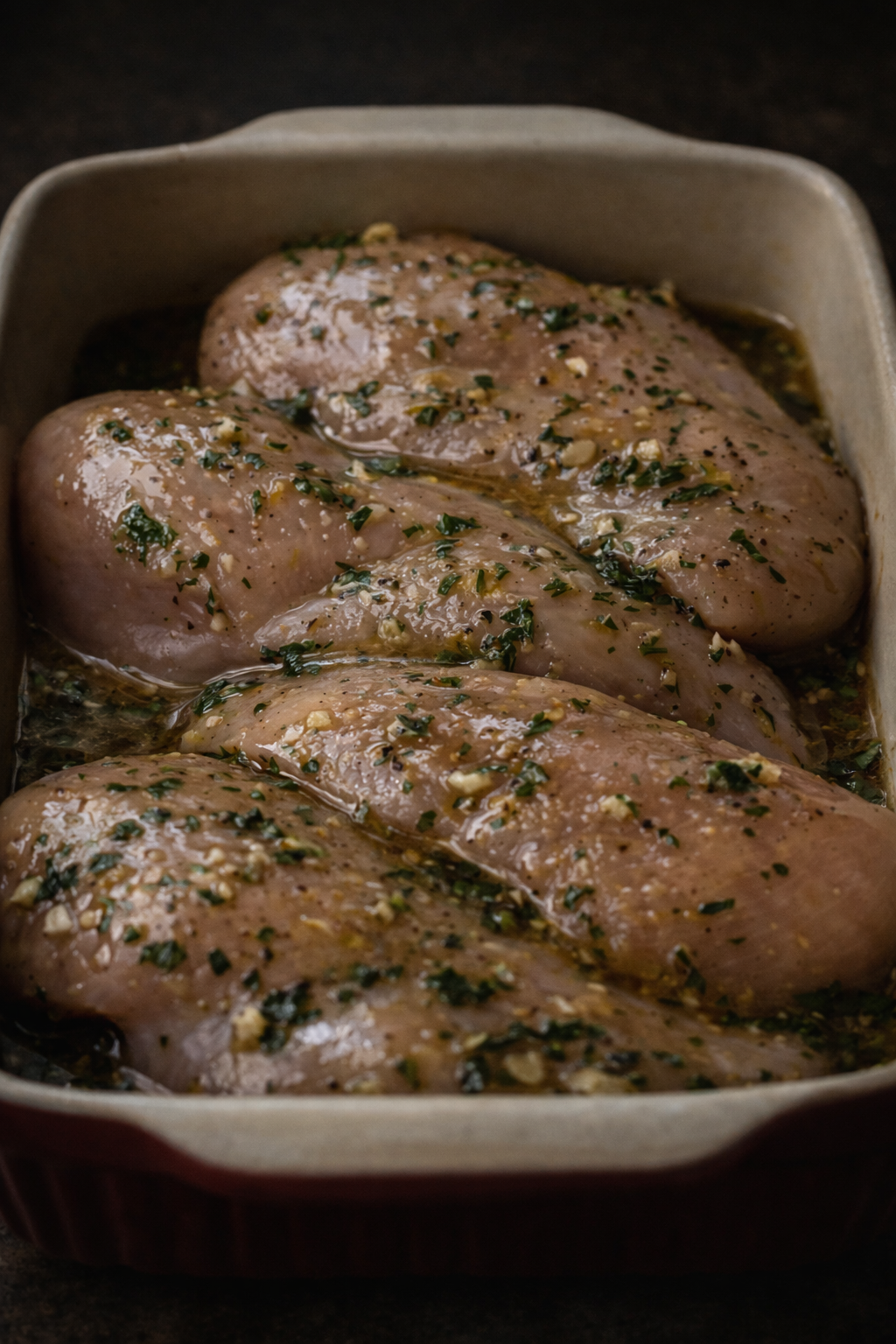
A marinade is something you apply before cooking. It's used for flavour, surface seasoning, and sometimes tenderising through acid or salt. It works on the meat before it ever touches the pan — not during or after.
Best for pork belly, chicken, beef strips, and BBQ cuts. One thing worth knowing: marinades don't penetrate as deeply as most people think — they mainly work on the surface, which is why seasoning the interior separately still matters. For a full breakdown of how marinades and sauces differ in practice, Marinades vs Sauces: Why Some Dishes Need One — and Some Don't covers the detail.
Sauce — During or After Cooking
A sauce is something you add during or after cooking. It's built for flavour, texture, richness, and finishing the dish — and it's made separately. It doesn't come from the meat itself.
Common examples include gravy, BBQ sauce, pan sauces, and curry sauces. The key distinction is that a sauce is something you construct — it's not a byproduct of the cooking process.
Jus — The Meat's Own Juices
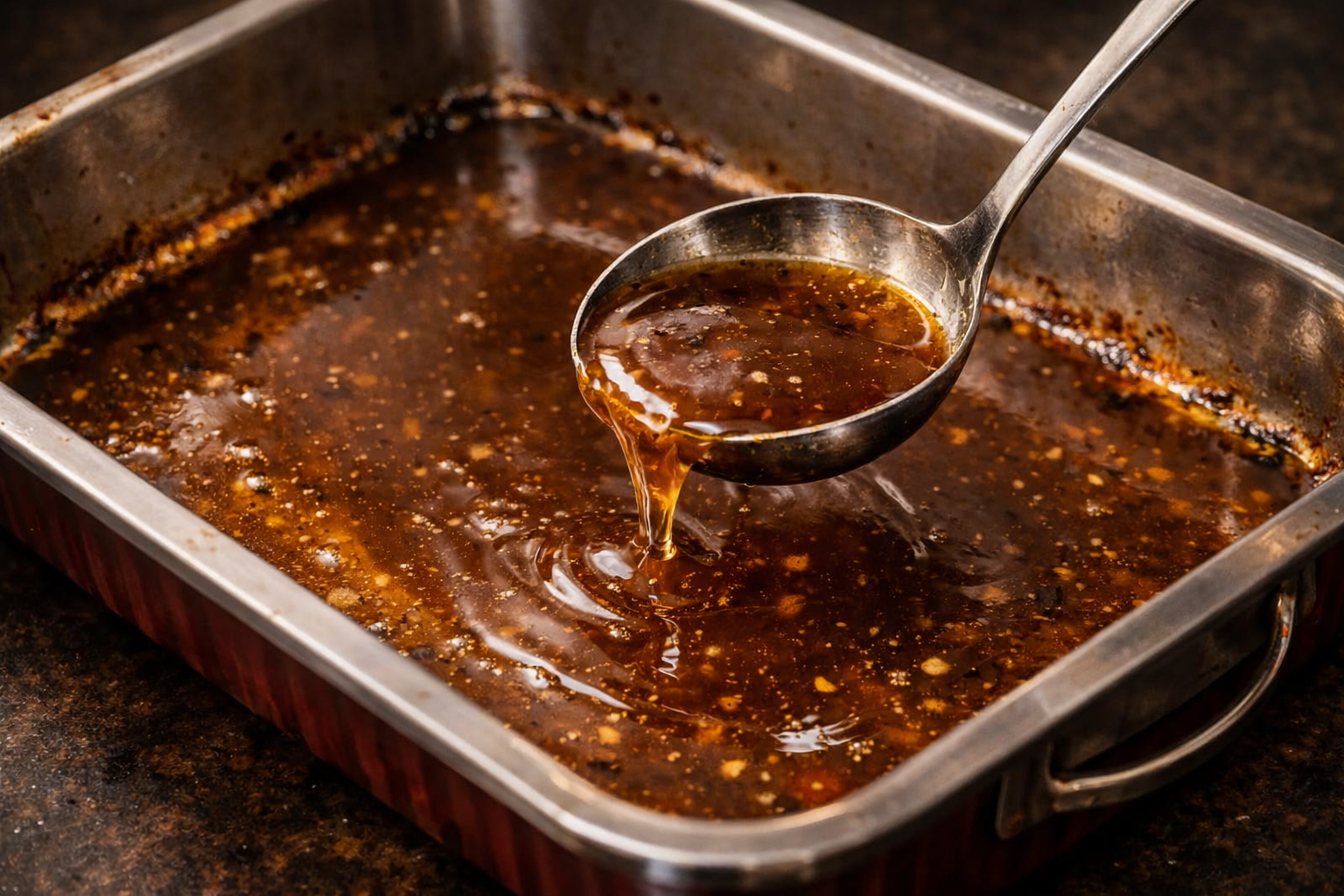
This is the one people misunderstand most.
A jus is simply the natural juices released from the meat as it cooks, often reduced to intensify flavour. It includes pan drippings, browned bits (fond), rendered fat, and meat juices. Sometimes chefs add a splash of stock or wine to stretch it — but it's still fundamentally the meat's own liquid, not a sauce built from scratch.
Those browned bits at the bottom of the pan — the fond — are actually where a huge amount of flavour sits. They're the same compounds created during searing, which is why understanding what searing actually does helps you get more from your jus. And since jus continues to develop as the meat rests, resting meat properly is worth understanding too — it affects how much liquid you'll have to work with.
So… Is Gravy Made From Jus?
Yes — but they're not the same thing. Here's the clean distinction:
- Jus = pure, natural meat juices
- Gravy = a sauce made from those juices, changed by adding flour, stock, wine, butter, or other ingredients
Or put simply: all gravy starts with jus, but not all jus becomes gravy. Gravy is jus that's been thickened and built into a sauce.
Quick Comparison Table
| Term | When It's Used | What It Is | Common Mistake |
|---|---|---|---|
| Marinade | Before cooking | Flavour + tenderising liquid | Using it as a sauce in the pan |
| Sauce | During/after cooking | A separate mixture for flavour/texture | Confusing it with jus |
| Jus | After cooking | Natural meat juices, reduced | Thinking it's the same as gravy |
Why This Matters
Understanding the difference helps you season meat properly, avoid adding soggy marinades to the pan, build better flavour from what's already there, use pan juices correctly, and stop over-complicating what jus actually is. It's one of those small pieces of knowledge that immediately improves cooking confidence.
Final Thought
Marinade flavours the meat.
Sauce finishes the dish.
Jus comes from the meat itself.
Three different tools — three different jobs — and knowing which is which makes you a better cook.