
You're Probably Not Eating Enough Seafood — And Here's Why That's Easier to Fix Than You Think
You're Probably Not Eating Enough Seafood — And Here's Why That's Easier to Fix Than You Think
I didn't grow up eating seafood.
We lived far from the coast, and "seafood night" meant one thing: frozen battered fish and chips. Prawns weren't something you cooked at home. Scallops were something you saw on a restaurant menu but never ordered. Salmon was a luxury item that came in a vacuum-sealed packet once a year.
As extravagant as it got was a prawn cocktail at the local pub — which tells you everything about where and when I grew up.
So I stuck to what I knew — beef, pork, chicken. And like a lot of people, I carried that habit into adulthood without ever questioning it.
It took me a long time to understand seafood properly. And when I finally did, I realised something important:
Most people don't avoid seafood because they don't like it. They avoid it because they've only ever cooked it badly — or never cooked it at all.
The Real Barrier: Overcooking
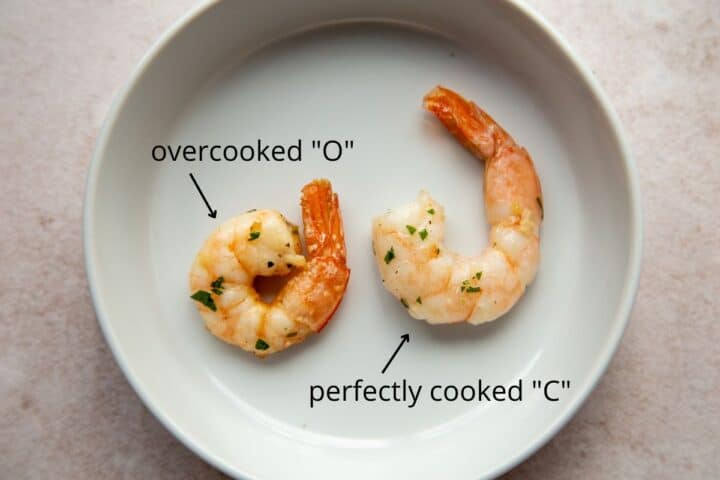
If you've ever cooked seafood at home and thought "this is dry," "this is rubbery," or "this fell apart" — you're not alone.
Almost everyone who avoids seafood at home has the same experience in common: they overcooked it once.
Seafood cooks faster than almost anything else:
- Scallops — under two minutes per side
- Prawns — 2–3 minutes total
- Salmon — 4–5 minutes at medium-high heat
The mistake is almost always too much time, not too much heat. Once you understand that, seafood becomes one of the easiest proteins in your kitchen.
How to tell when seafood is cooked — without cutting into it.
The Three Occasions That Make Seafood Practical
This week's theme is built around three simple ideas: quick weeknight meals, occasion meals, and versatile leftovers. Seafood fits all three better than most people realise.
Quick Weeknight — Tiger Prawns
Prawns are the ultimate "I don't have time" protein. From fridge to plate in under 10 minutes. No marinating. No long cook. No complicated technique.
If you can sauté an onion, you can cook prawns. They're also incredibly forgiving with flavour — garlic butter, chilli lime, miso glaze, tomato-based curry. The protein adapts to whatever direction you want to take it.
Four Ways to Love Tiger Prawns.
The Occasion Meal — Scallops
Scallops feel like restaurant food — and that's exactly why most people never cook them at home. But here's the truth: scallops are easier than steak. Hot pan, dry surface, 90 seconds per side, done.
They're the perfect "impress someone without stress" ingredient. And once you've done it once, you'll wonder why you ever ordered them in a restaurant.
Why some cuts feel restaurant-only — and why they're not.
Seared Scallops with Citrus Glaze — recipe here.
Versatile — Salmon
Salmon is the most flexible of the three. Cook once, eat twice — or three times. Hot with rice. Cold in a salad. Flaked into a pasta. Added to a lunch bowl the next day. It handles Asian flavours, Mediterranean flavours, and classic butter-lemon equally well.
Cook Once, Eat Twice — why leftovers make weeknights easier.
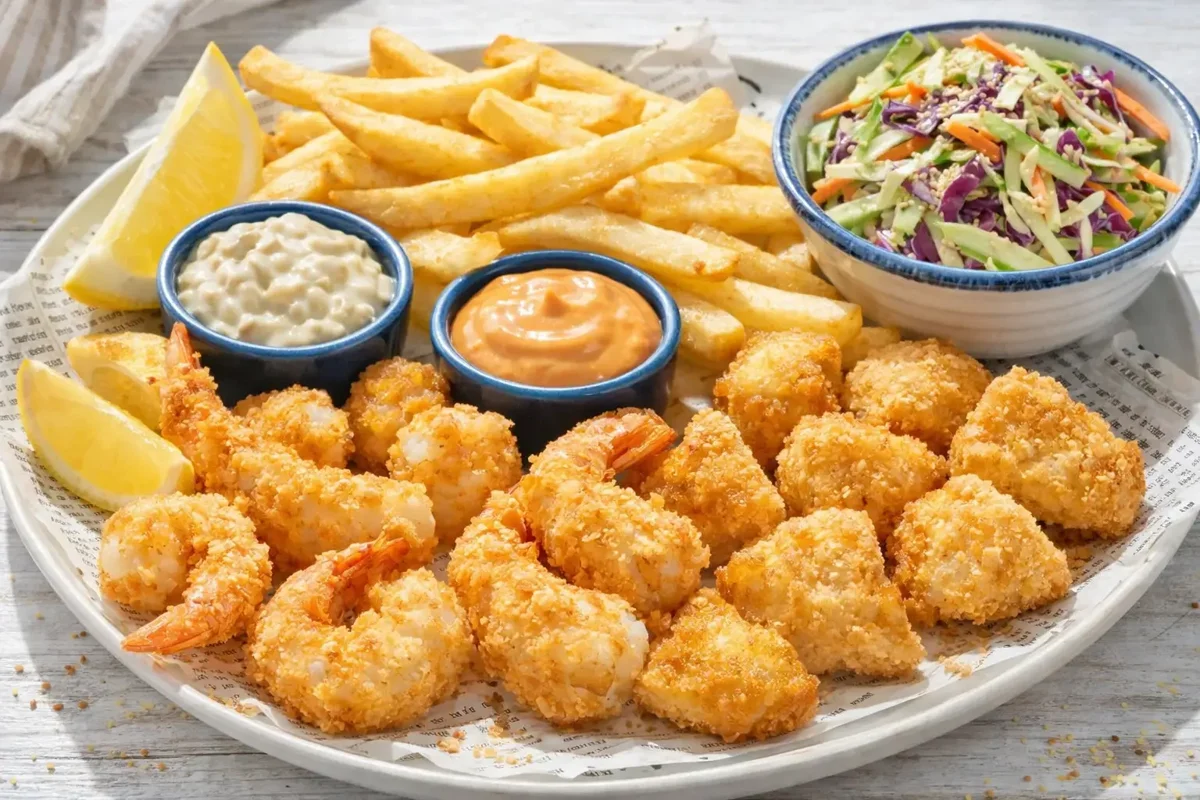
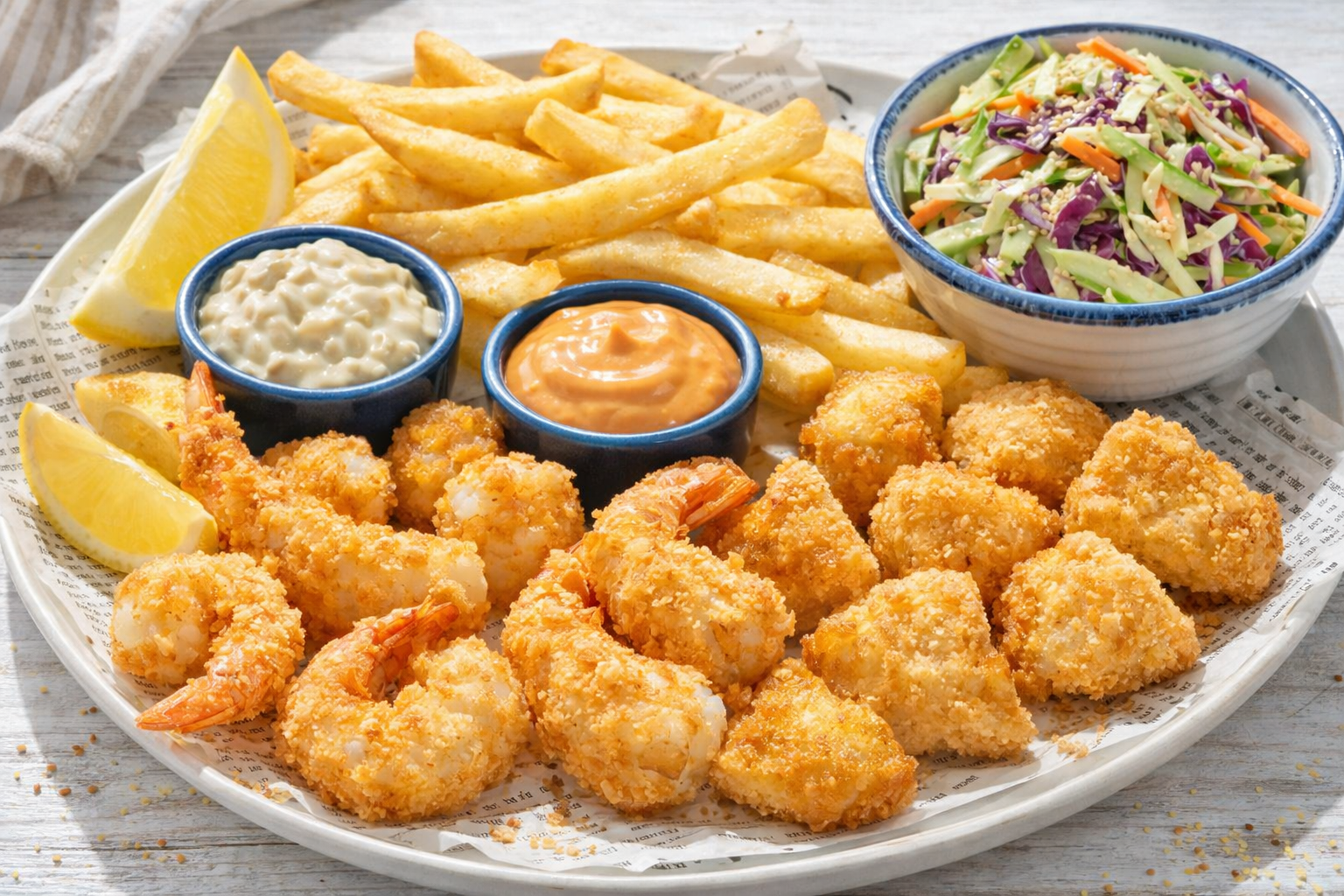
This week's recipe puts prawns and scallops together with red snapper for something a bit different -Air Fryer Fisherman's Basket — crumbed prawns, scallops and red snapper bites, golden from the air fryer in under 35 minutes.
The Sourcing Reality
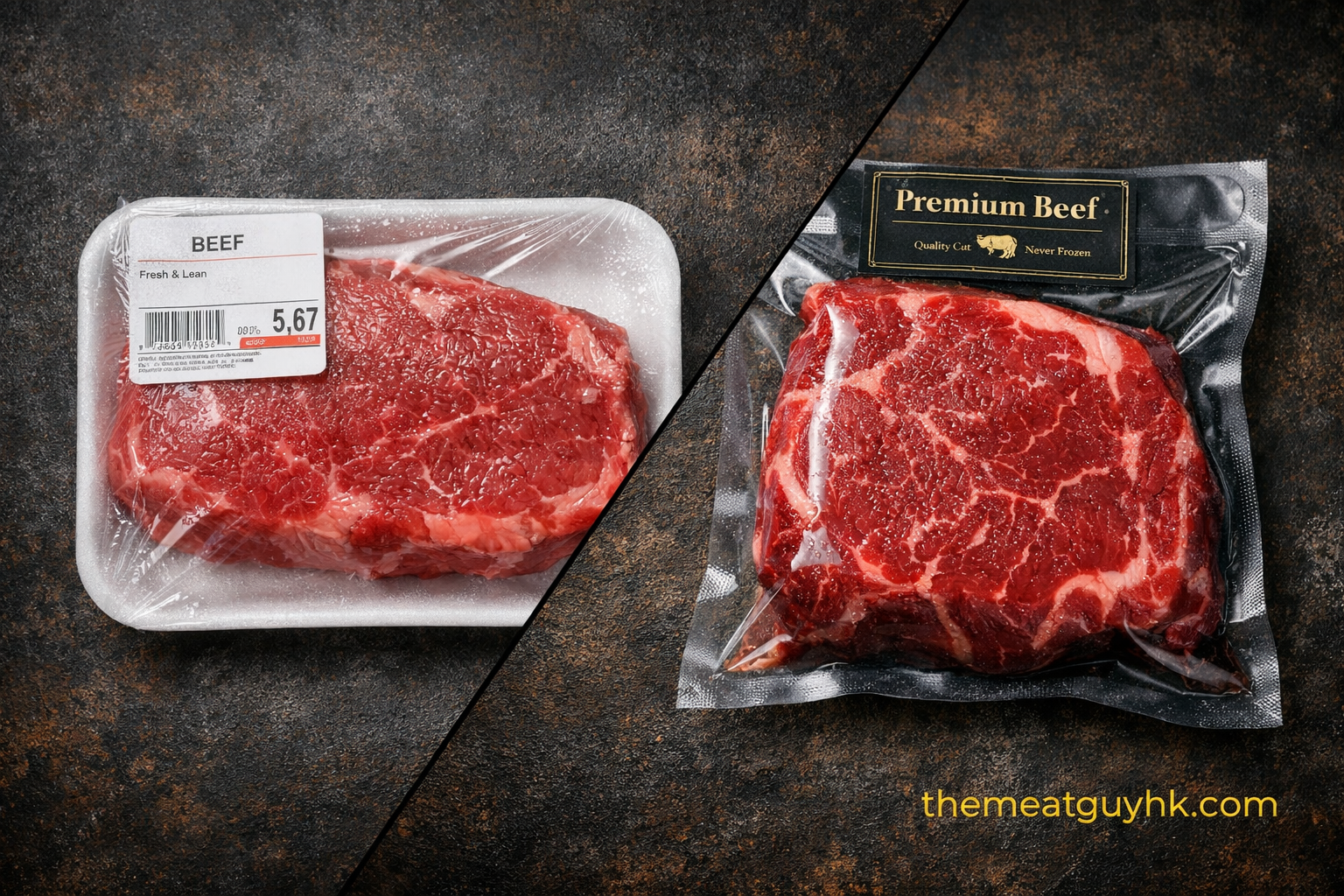
The difference between mass-market and properly handled product — in any protein
A lot of people who think they don't like seafood have actually only ever eaten poorly handled seafood — stored for months, frozen and thawed multiple times, or processed so far from the source that freshness was never really on the table.
What we stock is different — and the difference matters in the pan.
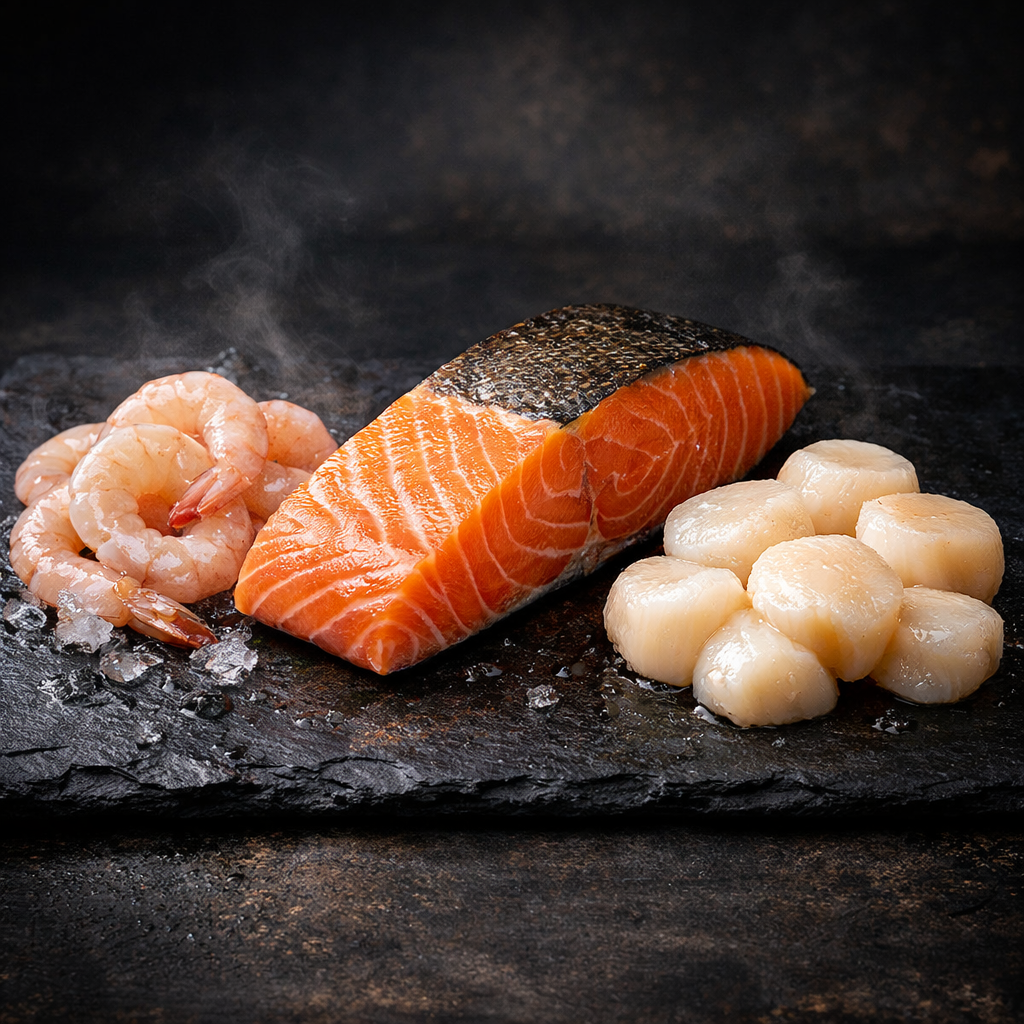
Our salmon arrives chilled each week. It's as close to fresh as seafood gets without catching it yourself.
Our prawns and scallops are IQF — individually quick frozen at the point of catch, which locks in freshness at its peak rather than allowing it to deteriorate in transit. The key difference between good IQF seafood and poor frozen product isn't the freezing — it's what happens after. We're a small operation. We don't hold large volumes. Nothing in our freezer sits for more than a couple of weeks.
That means you're getting IQF seafood that behaves like fresh — because it effectively is.
The childhood frozen battered fish experience wasn't just about the batter. It was about everything that happened to the fish before it got there. Start with properly handled seafood and the result is completely different.
How long seafood lasts in the fridge — and what affects it.
Fast Doesn't Always Mean Fresh — what delivery really means for your meat.
The Simple Ask
I'm not asking you to overhaul your diet. I'm not asking you to become a seafood person overnight.
I'm asking you to try one of the three this week:
- Prawns if you want speed
- Scallops if you want something impressive
- Salmon if you want versatility
Seafood isn't a special occasion. It never was. It just needed the right starting point.



Thank you for posting your blog comment. It will be reviewed and set live soon. If you provided your email then you will be notified of replies to this comment.