
How to Tell When Fish and Seafood Are Cooked (Without Cutting Into Them)
Short Answer
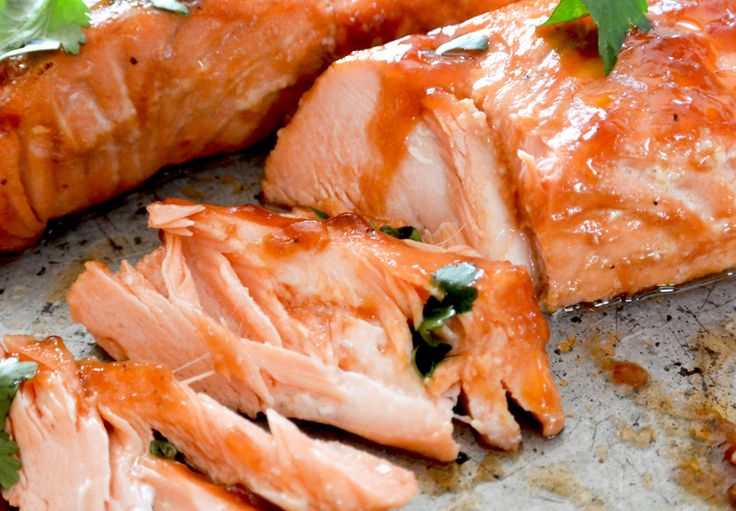
Fish and seafood are cooked when the flesh turns opaque and feels just firm to the touch. You don’t need to cut into it — visual cues and gentle pressure tell you everything.
Why Fish Is Different From Meat
Fish cooks faster than meat because:
- Muscle fibres are shorter and more delicate
- There’s less connective tissue
- Heat travels through fish more quickly
That means doneness happens fast — and overcooking happens even faster.
The cues for beef, pork and chicken are different — you can read that guide here:
→ How to Tell When Meat Is Cooked Without Cutting Into It
How to Tell When Fish Is Cooked (Fillets & Whole Fish)
1. Look for opacity
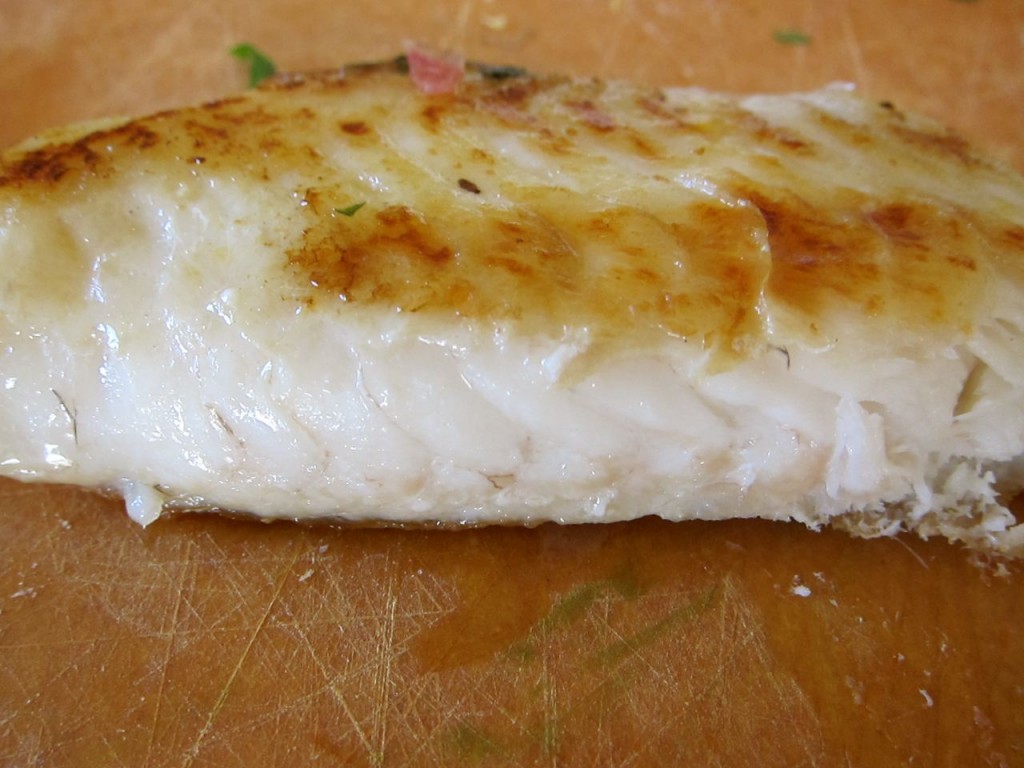
Raw fish is translucent. Cooked fish turns opaque.
(Translucent means slightly see-through, while opaque means solid and no longer see-through.)
- White fish becomes bright white
- Salmon turns from deep red to soft pink
- Tuna is often served rare to medium-rare, so it may stay pink inside but should lose its raw sheen on the outside
2. Check the flake
Press gently with a fork or your finger.
- If it flakes apart easily → it’s done
- If it resists or feels mushy → it needs more time
3. Feel the firmness
- Undercooked fish feels soft and squishy
- Perfectly cooked fish feels just firm
- Overcooked fish feels stiff and dry
How to Tell When Prawns Are Cooked
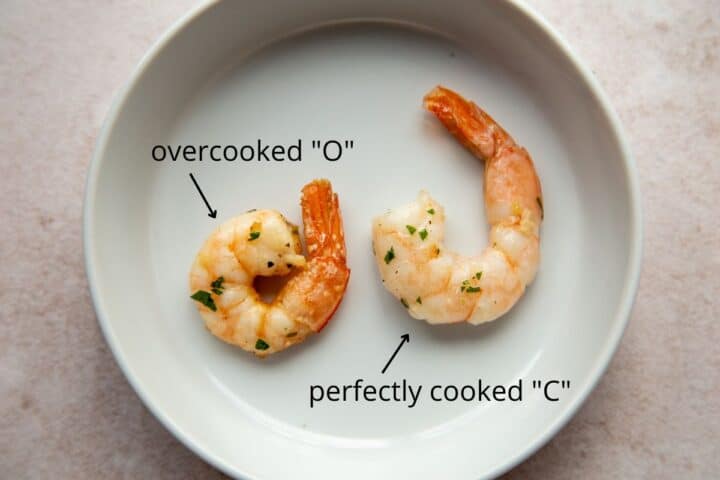
- Colour changes from grey/blue to pink and opaque
- The shape forms a gentle “C”
- If they curl tightly into an “O”, they’re likely overcooked
- Texture should be firm, not rubbery
How to Tell When Scallops Are Cooked
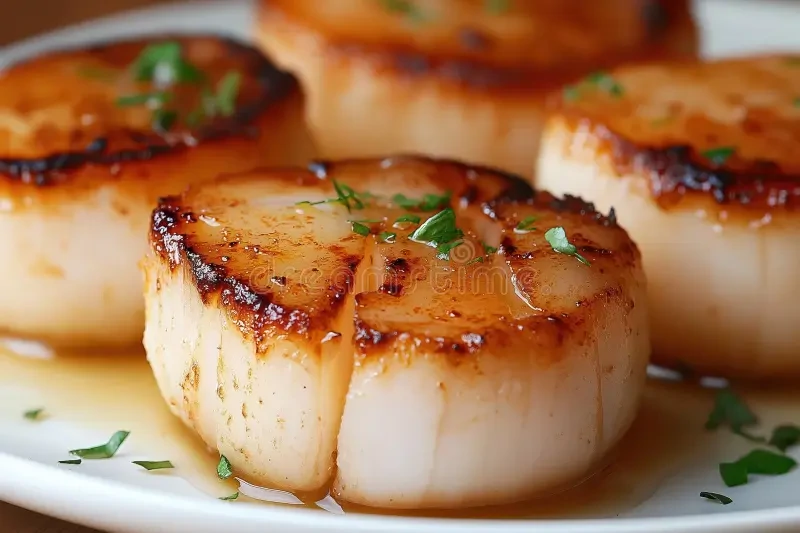
- The surface should be golden if seared
- The centre should be slightly translucent, not fully opaque — that’s what keeps them tender
- They should feel springy when pressed
- Overcooked scallops turn tough and bouncy
Common Mistakes
- Overcooking — the most common issue
- Cooking on high heat for too long
- Cutting into the fish (loses moisture and presentation)
- Cooking straight from the fridge (leads to uneven cooking)
Tips for Perfect Results
- Pat seafood dry before cooking for better browning
- Use medium-high heat for searing
- Cook fish skin-side down first if it has skin
- Let seafood rest for 1 minute off the heat — it finishes cooking gently
If you want to make cooking even easier, here are a few simple tools and techniques that help consistently:
→ 7 Tools & Techniques That Make Meat Cooking Easier (and Better)
Final Thought
You don’t need to cut into fish or seafood to know when it’s done. Watch the colour, feel the firmness, and check the flake — these simple cues are all you need for consistently great results.
Cooking beef, lamb or pork? The indicators are different — read here:
→ How to Tell When Meat Is Cooked Without Cutting Into It


