
Why Does My Meat Always Come Out Overcooked?
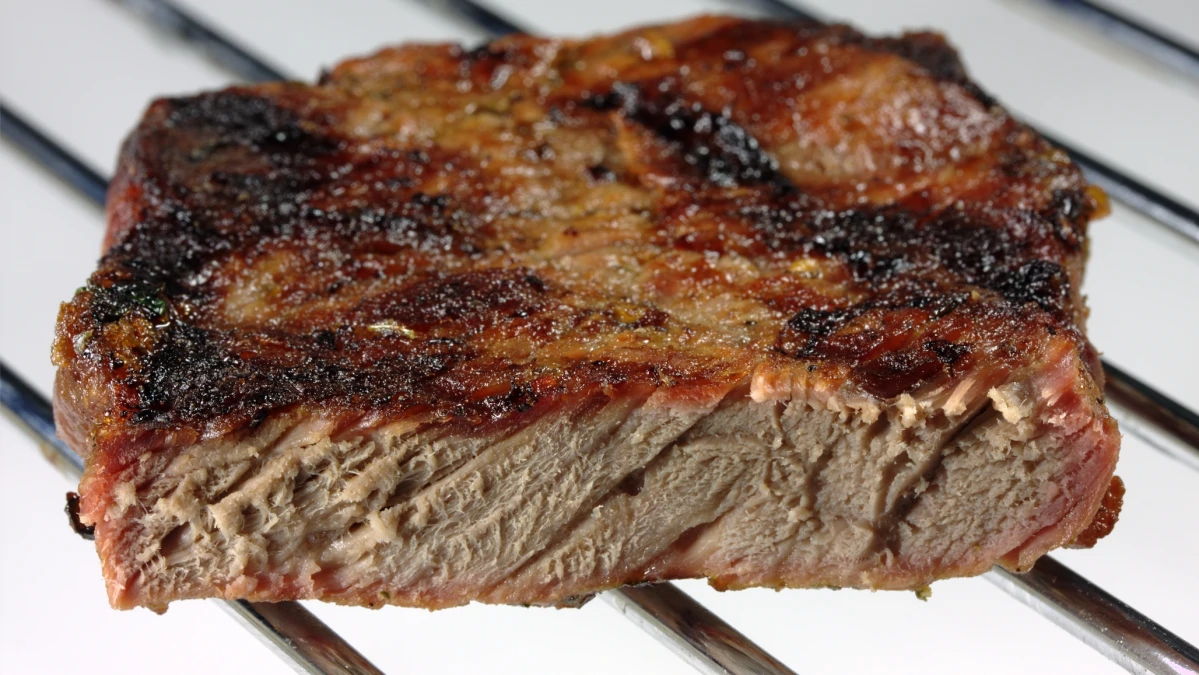
Short Answer
Overcooking usually happens because you’re relying on timing instead of temperature. Small differences in thickness, heat, and starting temperature can quickly push meat past the ideal doneness — especially with lean cuts.
Why It Happens
1. Cooking by time instead of temperature
Recipes often give cooking times, but these are only rough guides. A thicker cut, a hotter pan, or even meat straight from the fridge can change how fast it cooks.
2. Lean cuts have a very small margin for error
Lean meats don’t have much fat to protect them. That means they go from perfectly cooked to dry and tough very quickly.
3. Carryover cooking is often overlooked
Meat continues to cook after you take it off the heat. If you wait until it “looks done” in the pan, it will usually end up overcooked by the time you eat it.
4. Heat is too high for too long
High heat is great for developing flavour, but leaving meat on high heat throughout cooking will push it past the ideal internal temperature very quickly.
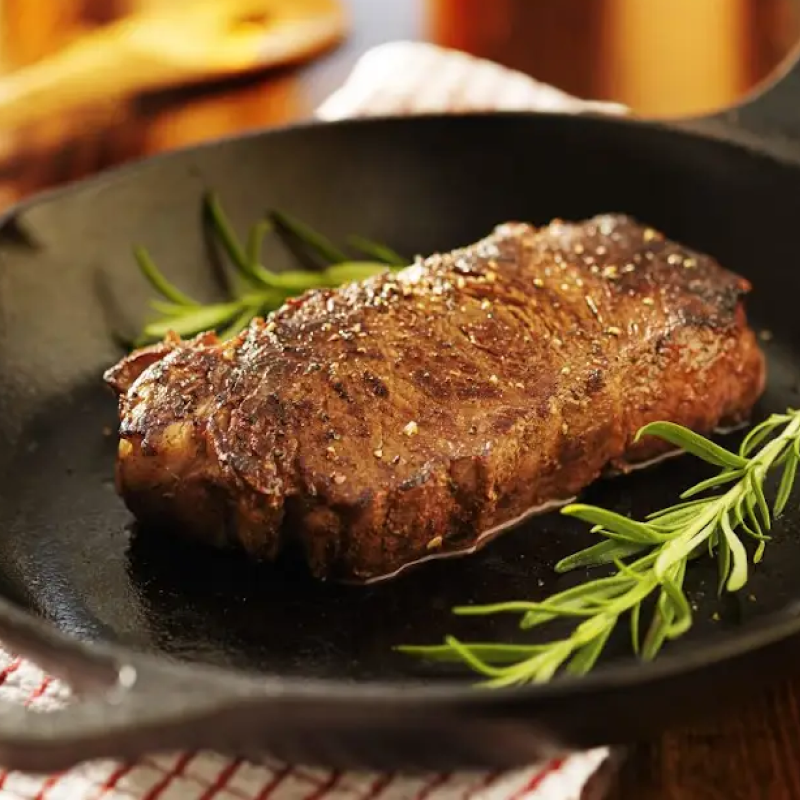
The Most Reliable Fix
The simplest way to avoid overcooking is to stop relying on timing alone and pay attention to internal temperature.
This removes the guesswork and lets you cook meat to the exact doneness you want — consistently.
If you’ve ever had lean meat turn dry or tough even when it looks perfectly cooked, I explain exactly why that happens — and how to avoid it here.
One other way to reduce the chance of overcooking is by using the reverse searing method.
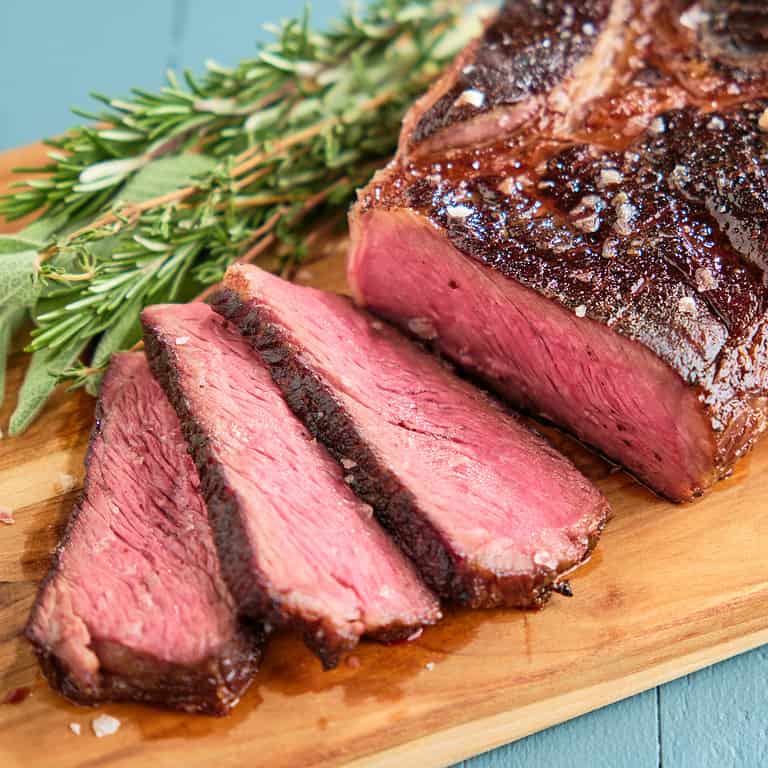
Final Thought
Once you understand how quickly meat can overcook — especially lean cuts — it becomes much easier to control your results. A few small adjustments make a big difference.