
Frozen Chicken Doesn’t Have to Be Dry
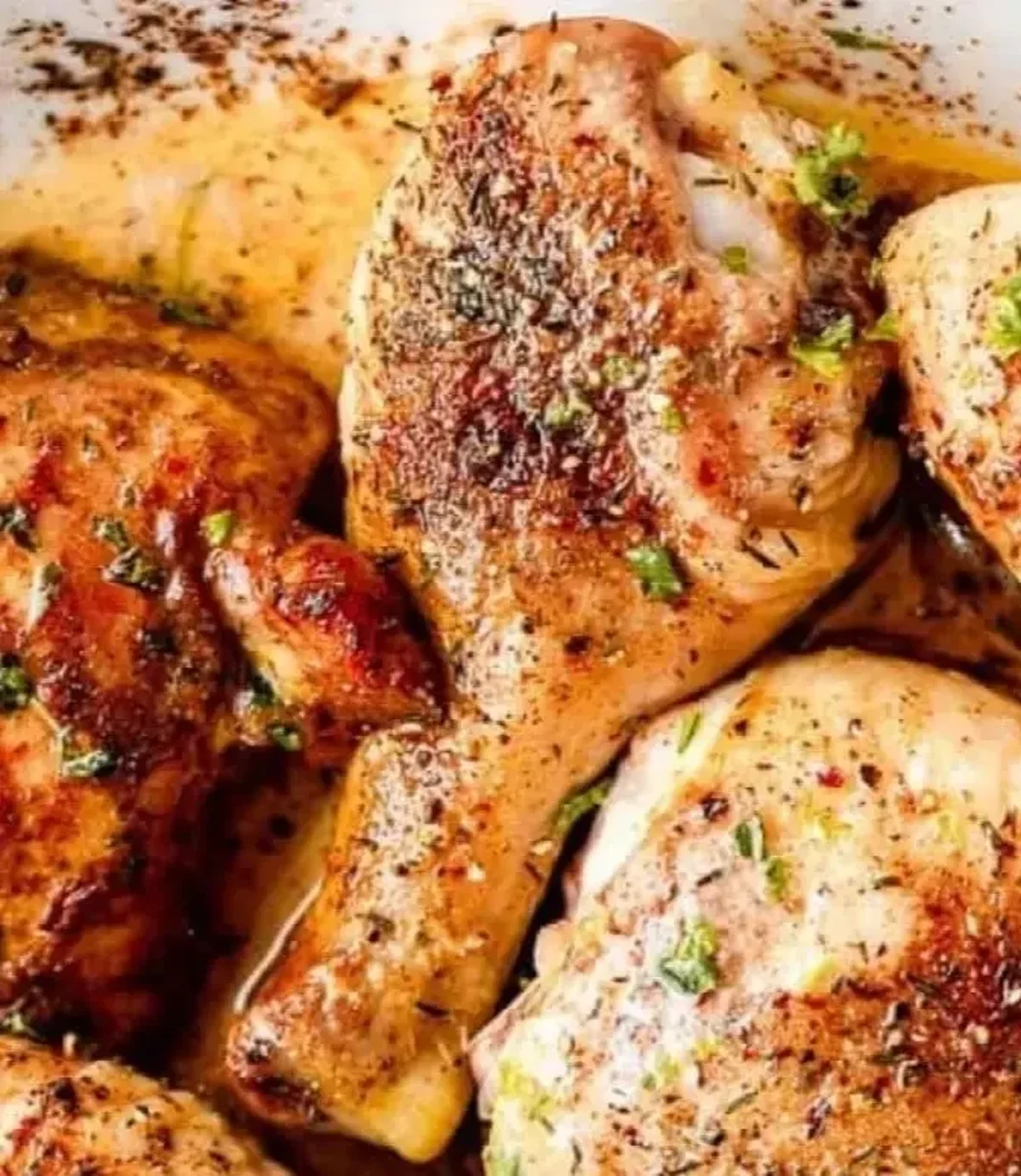
I’ve cooked a lot of frozen Thai chicken that came out dry. So I tried several brands, and I kept going until I found one that didn’t.
That’s the only Thai chicken I stock. Here’s what I found, and what I think it means for how you buy chicken.
What I found
Most of the brands I tried came out drier after cooking. One didn’t. Same oven, same timing, same seasoning, and a noticeably juicier result.
I don’t know exactly why. This chicken is IQF, which stands for individually quick frozen. The pieces are frozen separately, so they don’t clump together. I suspect the freezing method has something to do with the moisture, but I can’t prove it, and I won’t pretend to. What I can tell you is what happened in my kitchen, and that’s why this is the one I stock.
What IQF means for you in practice
Because the pieces are frozen separately, you can take out just what you need and leave the rest in the freezer. That suits a small Hong Kong freezer and a small household. You’re not thawing a whole block to cook two wings.
Is Australian chicken worth more than double?
Our Australian chicken is free range and costs more than twice as much per kilogram as the Thai. It’s better. It isn’t twice as good.
Here’s the rule I’d use: pay more where you can taste it, and save where you can’t. If you’ve read what you’re really paying for when you choose better meat, it’s the same principle.
Spend on Australian when the chicken is the star
Simple preparations, where there’s nothing to hide behind, are where the extra cost shows. A well-cooked breast with a pan sauce, or a simple roast, shows the difference. If you think chicken breast is boring, it’s usually the cooking, not the cut, and we explain how to treat chicken breast properly.
Save with Thai when the chicken is carrying a lot of flavour
Wings (which we only stock in Thai), curries, stir-fries and fried chicken get most of their flavour from what you add. A good marinade or sauce does the heavy lifting, and paying double for the chicken underneath doesn’t change much. If you’re not sure when a dish needs a marinade and when it doesn’t, read why some dishes need a marinade and some don’t. Marinate in the fridge, never on the bench, and don’t reuse raw marinade as a sauce unless you boil it first.
Frozen isn’t the problem
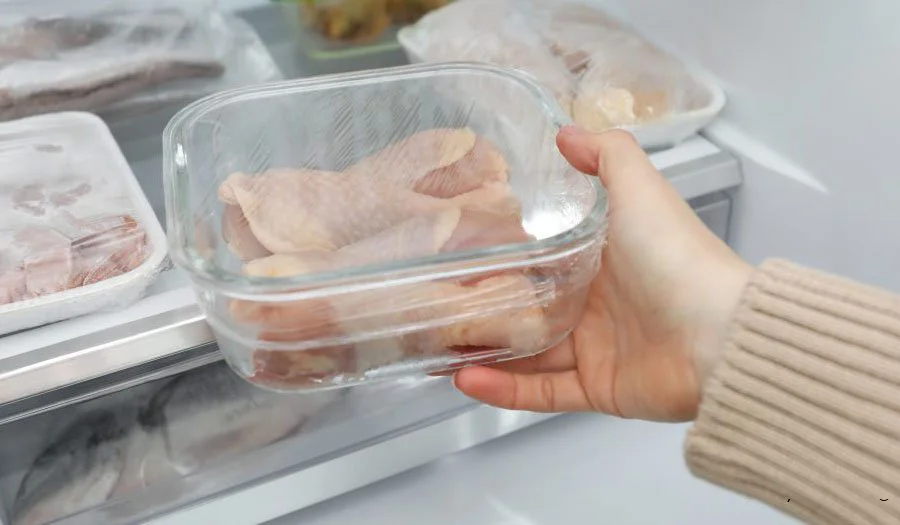
Frozen chicken has a bad reputation, and most of it comes from how it’s cooked, not from being frozen. For chicken, these are the rules that matter:
- Thaw it fully in the fridge, in its packaging. Cooking from a half-frozen centre dries out the outside before the middle is done
- Pat it dry before cooking. Wet chicken steams instead of browning.
- Don’t overcook it. Cook to 75°C at the thickest part and take it off the heat. Every minute beyond that dries it out. Don’t judge by colour. Bone-in chicken, wings included, and previously frozen chicken can stay pink near the bone even when fully cooked, as we explain in Is Pink Chicken Near the Bone Undercooked?.
- Rest it. A few minutes lets the juices settle.
What to look for in any frozen chicken
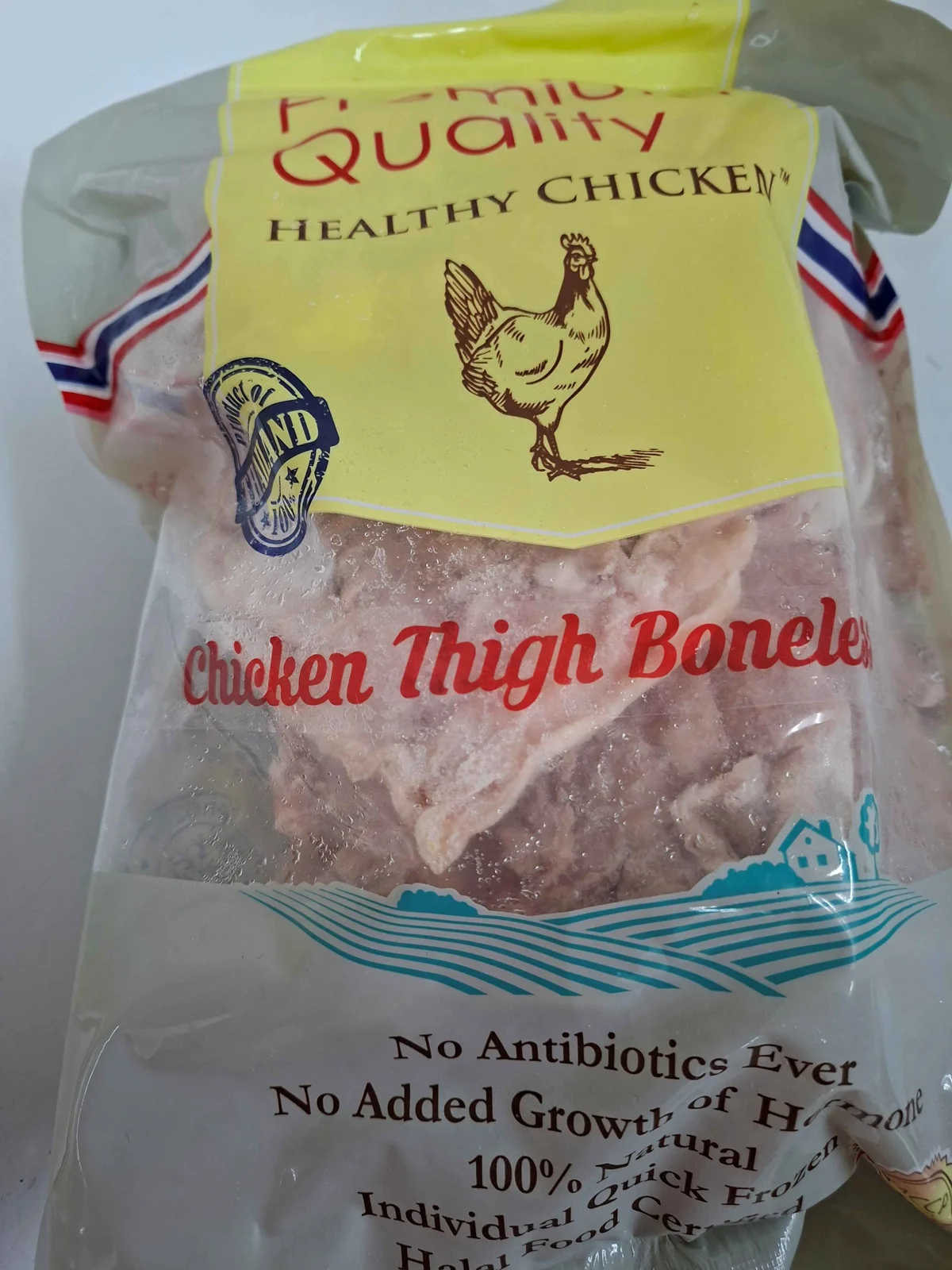
Whatever brand you buy, check three things before it goes in your trolley or your freezer:
- Loose pieces, not a solid block. If you can shake the pack and the pieces move separately, they’re individually frozen. A solid block usually isn’t.
- Sealed, undamaged packaging. Tears and gaps let air in.
- Little ice inside the pack. Heavy ice build-up can suggest the chicken has been stored for a long time, or thawed and refrozen.
Try it
This week’s recipe puts the Thai chicken wings to work: recipe link. Order by noon Monday for Thursday or Friday delivery, by WhatsApp or through the website. If there’s a cut you’d like that isn’t on the list, such as drummettes, ask us on WhatsApp.
We’re not here to sell you meat. We’re here to make you better at buying it.
— The Meat Guy Hong Kong



Thank you for posting your blog comment. It will be reviewed and set live soon. If you provided your email then you will be notified of replies to this comment.