
Does It Matter Which Oil You Use When Cooking Meat?
Short Answer
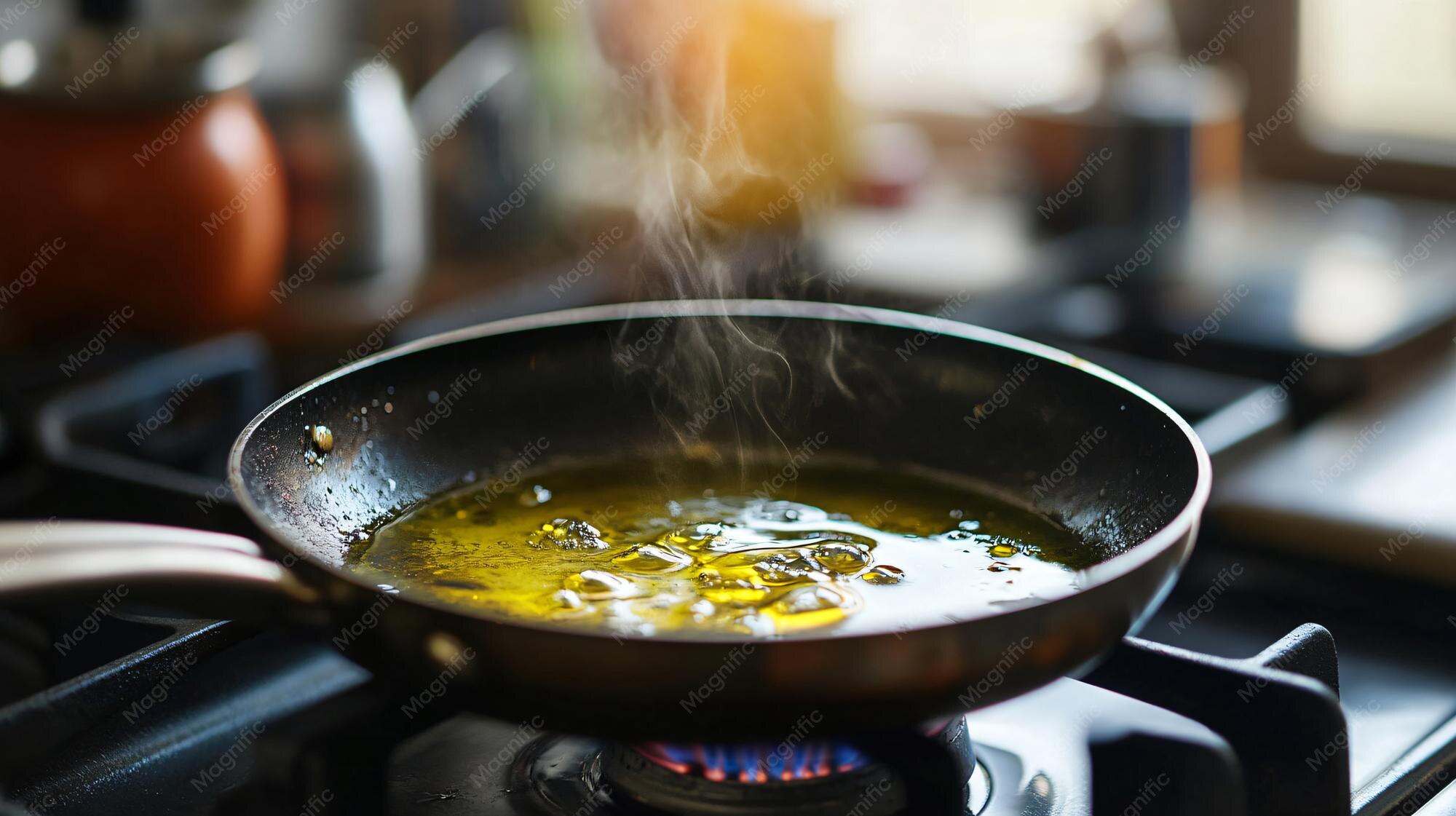
Yes — the oil you choose affects flavour, browning, and whether your meat sears properly or burns. Different oils behave differently at high heat, and choosing the wrong one can ruin a good cut.
Why Oil Choice Matters
When cooking meat, you're usually aiming for one of two things: high-heat searing (steaks, pork chops, chicken thighs) or moderate-heat cooking (mince, stir-fries, pan-fries, shallow frying). Each requires an oil that can handle the temperature without smoking, burning, or turning bitter. This is where smoke point comes in.
What Is a Smoke Point?
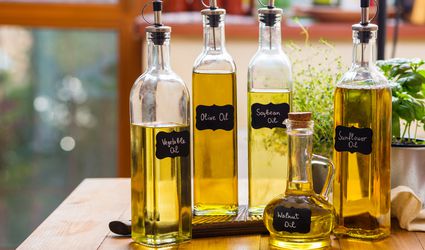
The smoke point is the temperature at which an oil starts to break down, smoke, and turn acrid or bitter — creating off-flavours on the meat. If your oil smokes before your meat browns, you're cooking with the wrong oil.
Best Oils for Cooking Meat (At a Glance)
| Oil | Smoke Point | Best For | Avoid For |
|---|---|---|---|
| Avocado Oil | ~270°C | High-heat searing, steaks | Low-heat flavouring (neutral taste) |
| Rice Bran Oil | ~250°C | Searing, stir-fries, cutlets | Delicate dishes |
| Grapeseed Oil | ~215°C | Searing, pan-frying | Very high heat |
| Canola Oil | ~205°C | Everyday cooking, mince | Deep searing |
| Olive Oil (Extra Virgin) | ~160–190°C | Low-medium heat, finishing | High-heat searing (burns quickly) |
| Butter | ~150°C | Flavour, basting | Searing (burns fast unless mixed with oil) |
Should You Oil the Meat or the Pan?
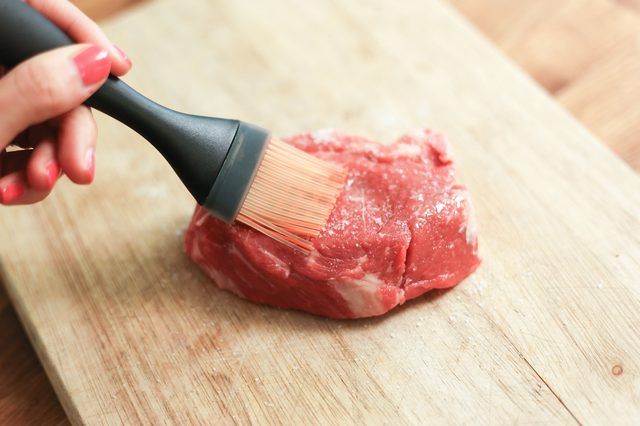
Oiling the meat works best for steaks, chops, and cutlets — it gives an even coating, better browning, less oil waste, and helps prevent sticking. Oiling the pan works better for mince, stir-fries, and shallow frying, where it helps distribute heat and prevents clumping.
For most home cooking, either approach works — but oiling the meat gives a cleaner, more even sear. This is also covered in more detail in 7 Tools & Techniques That Make Meat Cooking Easier, alongside other practical kitchen habits worth knowing.
What Happens When You Use the Wrong Oil?
- The oil burns before the meat browns — Once the oil exceeds its smoke point it breaks down, turns bitter, and creates off-flavours that transfer directly to the meat.
- The meat sticks — Burnt oil breaks down into sticky residues that bond to the pan surface. If sticking is a recurring problem, why meat sticks to the pan and how to stop it covers this in full.
- You lose the Maillard reaction — Burnt oil creates bitter compounds that mask the deep, savoury flavour that proper browning produces. For more on what the Maillard reaction actually does, does searing meat lock in juices explains it in plain terms.
- The flavour becomes muddy — Burnt oil means burnt flavour. No amount of seasoning fixes it once it's in the pan.
Final Thought
Yes — the oil you choose absolutely matters. Pick the right oil for the right heat, and your meat will brown better, taste better, and cook more consistently.


