
The Meat in Your Fridge Isn’t a Countdown Timer
The Meat in Your Fridge Isn’t a Countdown Timer
How Storage, Handling, and Packaging Affect Shelf Life
Most people open the fridge, look at a piece of meat, and immediately start questioning it.
Has the colour changed?
Is the texture different?
Is it still good?
But meat doesn’t suddenly become unsafe because it looks slightly darker or because a date is approaching.
Meat changes appearance naturally over time — and that doesn’t always mean something is wrong.
Shelf life isn’t a countdown timer — it’s influenced by temperature, packaging, storage, and what happens once the meat is opened.
Understanding those basics doesn’t just reduce waste.
It makes cooking and storing meat far less stressful.
1. What Actually Affects Shelf Life
Dates matter — but they’re only one part of the story.
The way meat is stored day-to-day often matters more.
These factors all affect how long meat stays at its best:
Temperature consistency
Constant cold is everything. Frequent temperature changes shorten shelf life quickly.
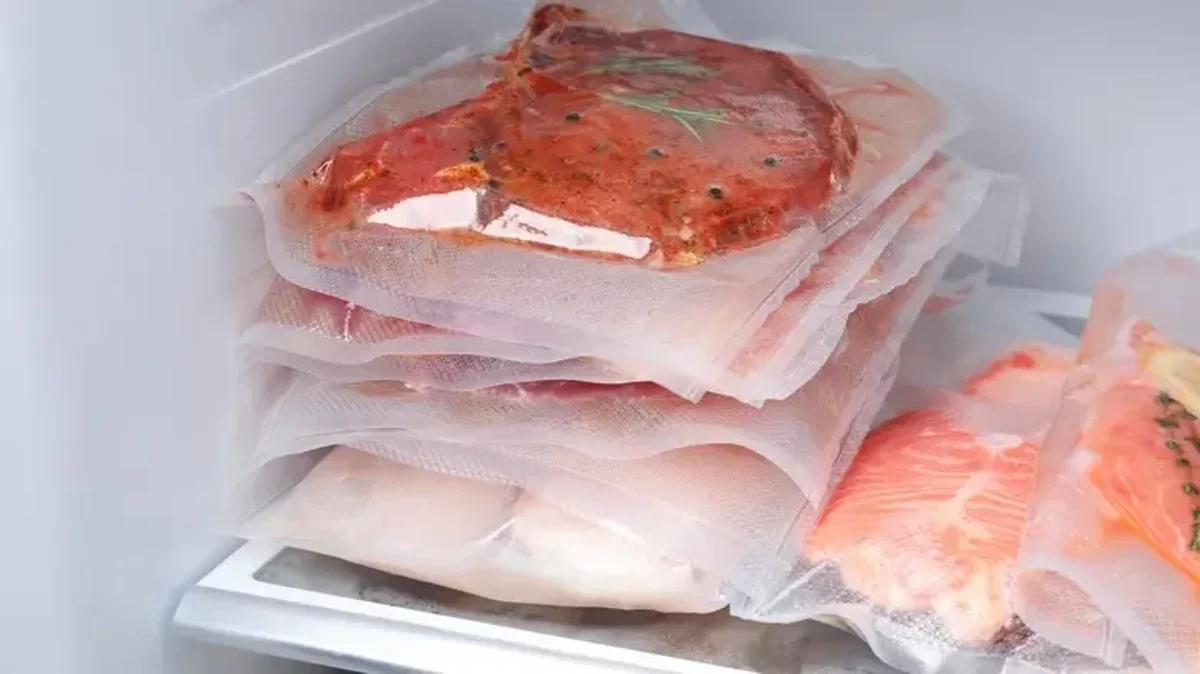
Vacuum sealing
Removing oxygen slows spoilage and protects the surface of the meat.
Exposure to air
Once packaging is opened, the clock moves faster.
Moisture
Too much moisture affects texture and encourages bacterial growth.
Handling after opening
Clean hands, clean boards, and clean containers matter more than people think.
2. Why Mince Needs More Care
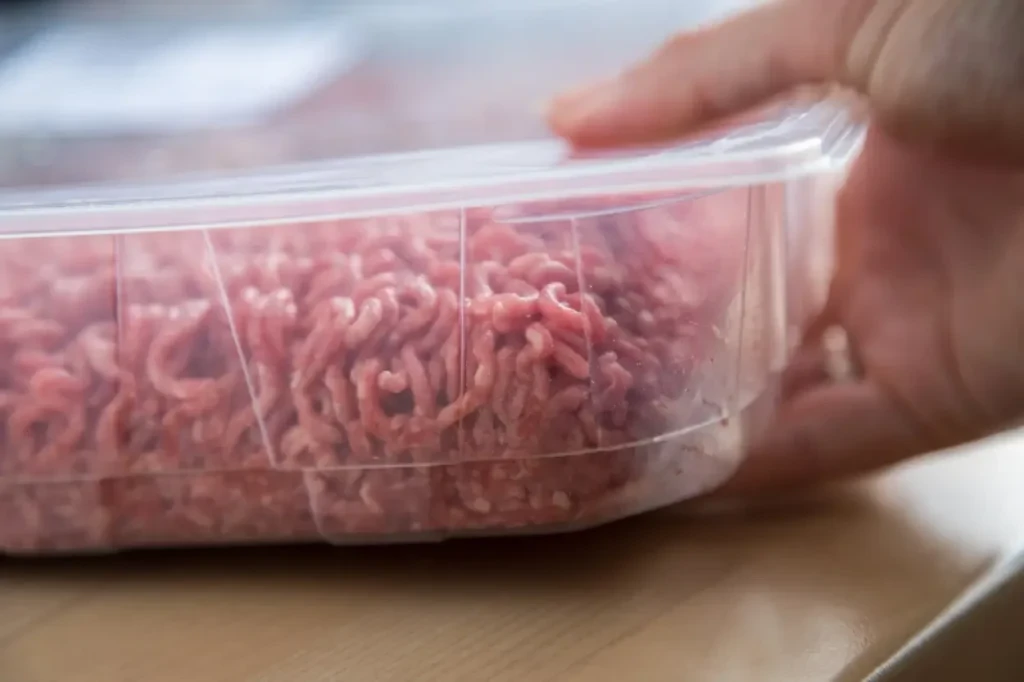
Mince behaves differently from whole cuts because:
- it has far more surface area
- every strand is exposed to oxygen
- bacteria can multiply faster
- it’s handled more during processing
This is why mince is best:
- cooked sooner
- frozen earlier if not being used
- kept well sealed once opened
It’s also why proper fridge temperature matters even more for products like pork mince or chicken mince.
3. Small Hong Kong Fridges = Real Challenges
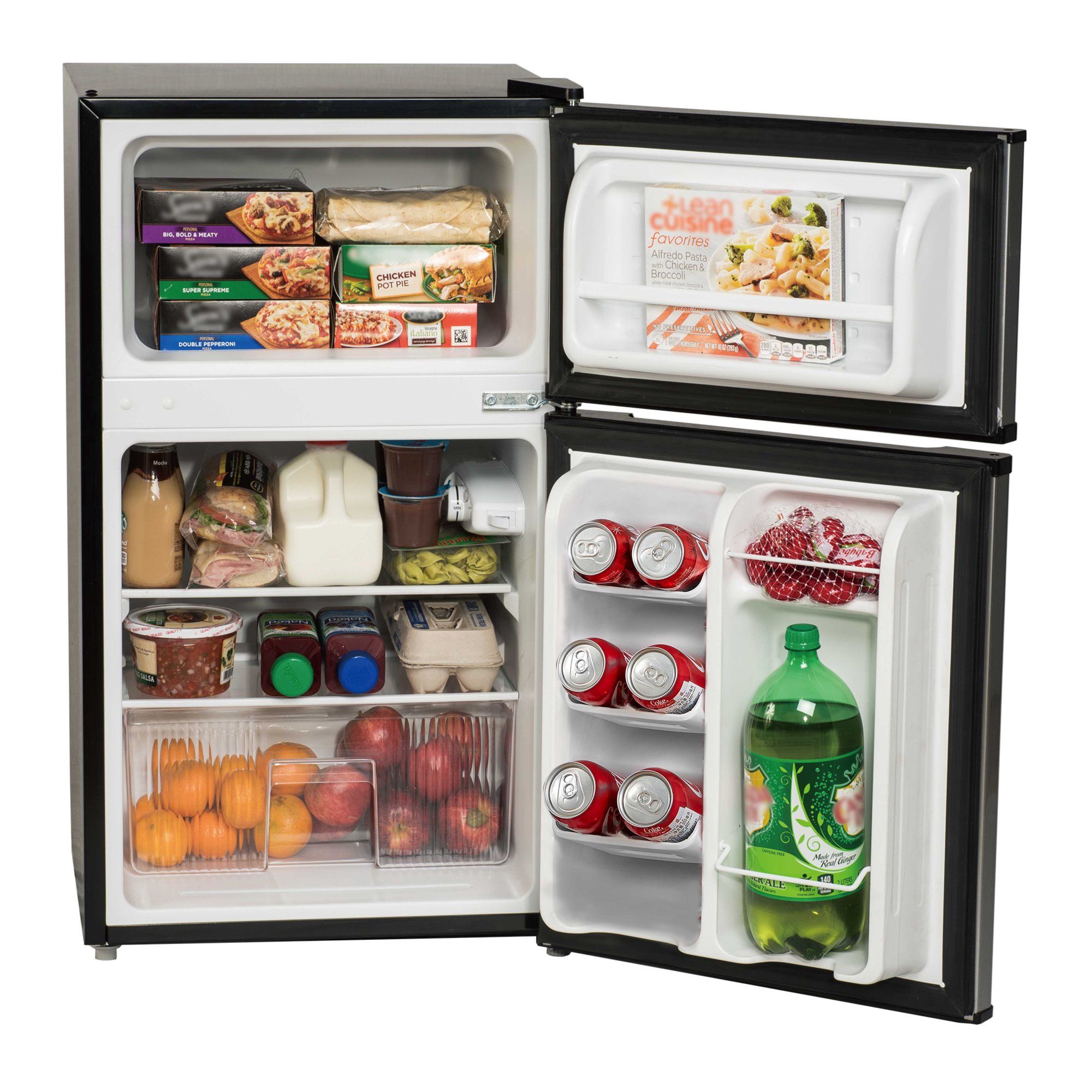
Hong Kong kitchens create storage challenges most cooking websites never talk about.
Fridges here are often:
- small
- tightly packed
- opened constantly
- warmest near the door
- inconsistent in temperature
All of this affects shelf life.
A few small adjustments make a big difference:
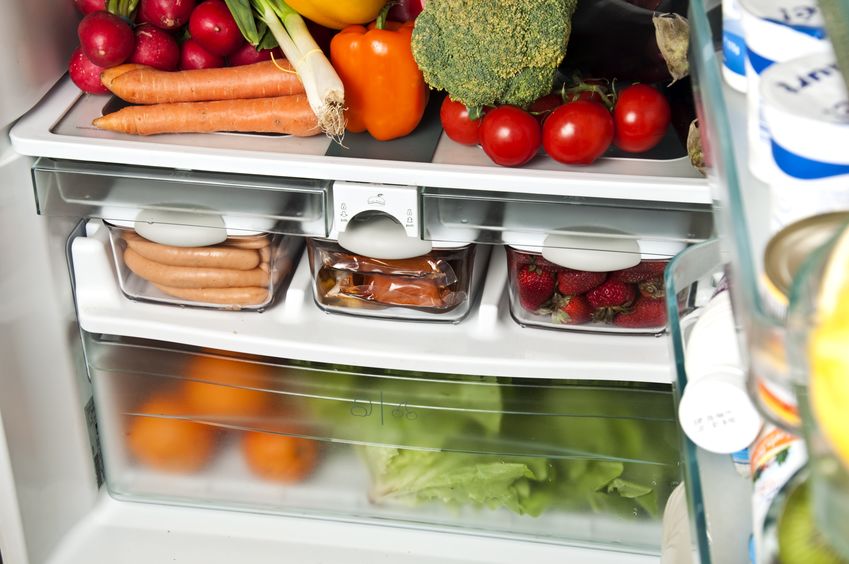
- store meat in the coldest zone (usually the back)
- avoid keeping meat in the door shelves
- don’t place warm leftovers beside raw meat
- avoid overloading the fridge — airflow matters
Good storage habits protect both quality and flavour.
4. Freezing Isn’t Failure
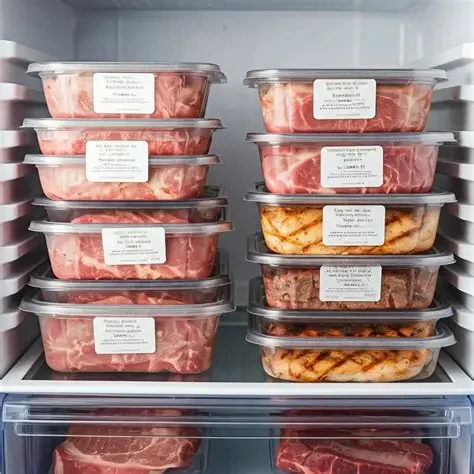
People often treat freezing like a downgrade.
It isn’t.
In many cases, properly frozen meat is in better condition than “fresh” meat that’s spent too long sitting in a fridge.
Freezing is one of the best ways to preserve meat at its peak — especially in a hot, humid city like Hong Kong.
A few important things to know:
- freezing stops bacterial growth
- vacuum-sealed meat freezes extremely well
- texture loss is usually minimal if thawed properly
- “fresh” isn’t automatically better if it’s been stored badly
If you’re unsure about the safest way to thaw meat, see our Ask The Meat Guy guide on safe defrosting methods.
We also explored this further in
👉 Fresh vs Frozen Meat in Hong Kong — Why Quality Matters More Than Temperature
And if you like keeping backup proteins ready for busy weeks, you might also enjoy
👉 The Most Versatile Meats to Keep in Your Freezer (And What to Cook With Them)
5. Signs That Matter More Than Dates
Dates are useful — but your senses matter too.
Smell changes
Sour, ammonia-like, or clearly “off” smells are the biggest warning sign.
Sliminess
A sticky or tacky surface usually indicates spoilage.
Packaging inflation
Gas buildup inside sealed packaging should never be ignored.
Colour changes
Brown doesn’t automatically mean bad.
Purple doesn’t automatically mean bad either.
But green patches, strong odours, or obvious spoilage signs should always be taken seriously.
Closing: Storage Isn’t About Paranoia
Good meat storage isn’t about fear.
It’s about understanding how meat behaves.
Once you understand how temperature, packaging, and handling affect shelf life, you stop stressing about dates — and start storing meat with more confidence.
Because good meat matters — but knowing how to store and handle it matters too.
You can also explore more practical storage and cooking questions in our Ask The Meat Guy series.



Thank you for posting your blog comment. It will be reviewed and set live soon. If you provided your email then you will be notified of replies to this comment.