
Safe Thawing Methods for Frozen Meat
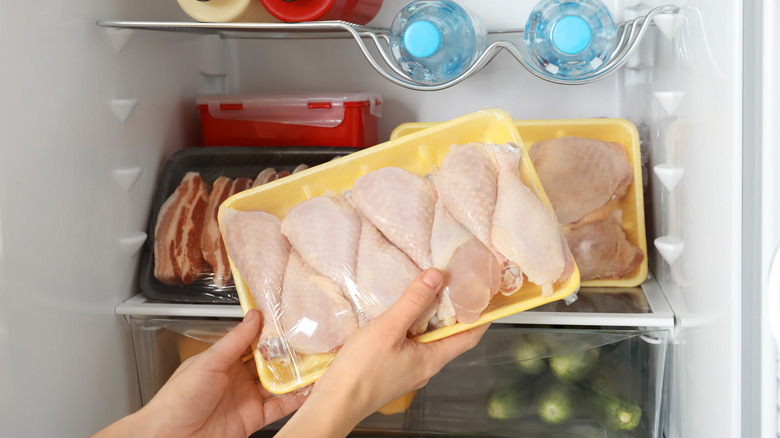
Thawing meat properly is essential for both safety and taste. It’s one of the most common questions we get from home cooks — and for good reason. How you thaw meat affects everything from texture and juiciness to food safety and cooking results.
Whether you’re preparing a weeknight dinner or planning ahead for a family meal, using the right thawing method ensures your meat stays safe, flavourful, and ready to cook. Here’s how we recommend handling frozen meat at home.
The Safest Ways to Thaw Meat
There are three reliable methods for thawing meat safely:
-
In the fridge (slow but safest)
-
In cold water (faster, still safe)
-
In the microwave (quick, use with care)
All three methods share the same goal — keeping the meat out of the “danger zone,” the temperature range where bacteria multiply quickly.
1. Thawing Meat in the Fridge (Best Method)
Why it works: Keeps meat below 4°C, slowing bacterial growth and preserving texture.
How to do it:
-
Place frozen meat on a plate or tray to catch juices.
-
Store it on the bottom shelf to avoid dripping onto other foods.
-
Allow plenty of time — larger cuts like whole chickens or roasts may take 24–48 hours to thaw fully.
When to use it:
-
Large cuts
-
Meal prep
-
When you can plan ahead
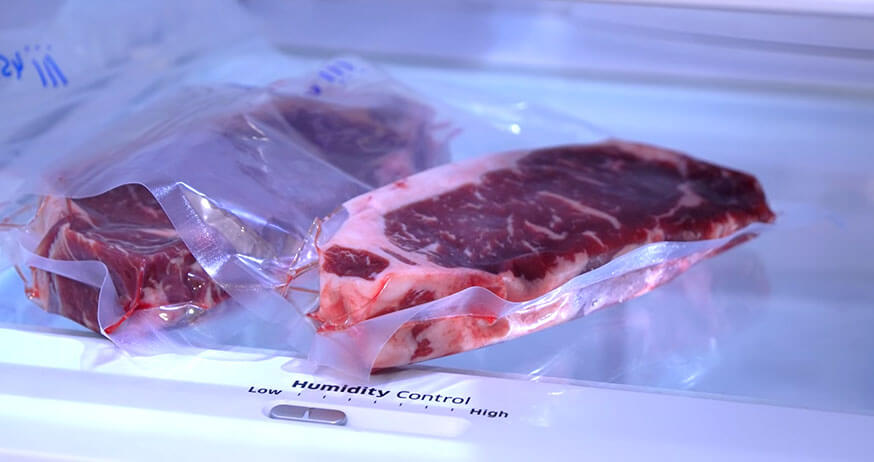
2. Thawing Meat in Cold Water (Faster Method)
Why it works: Water conducts heat faster than air, thawing meat quickly while keeping it below the danger zone.
How to do it:
-
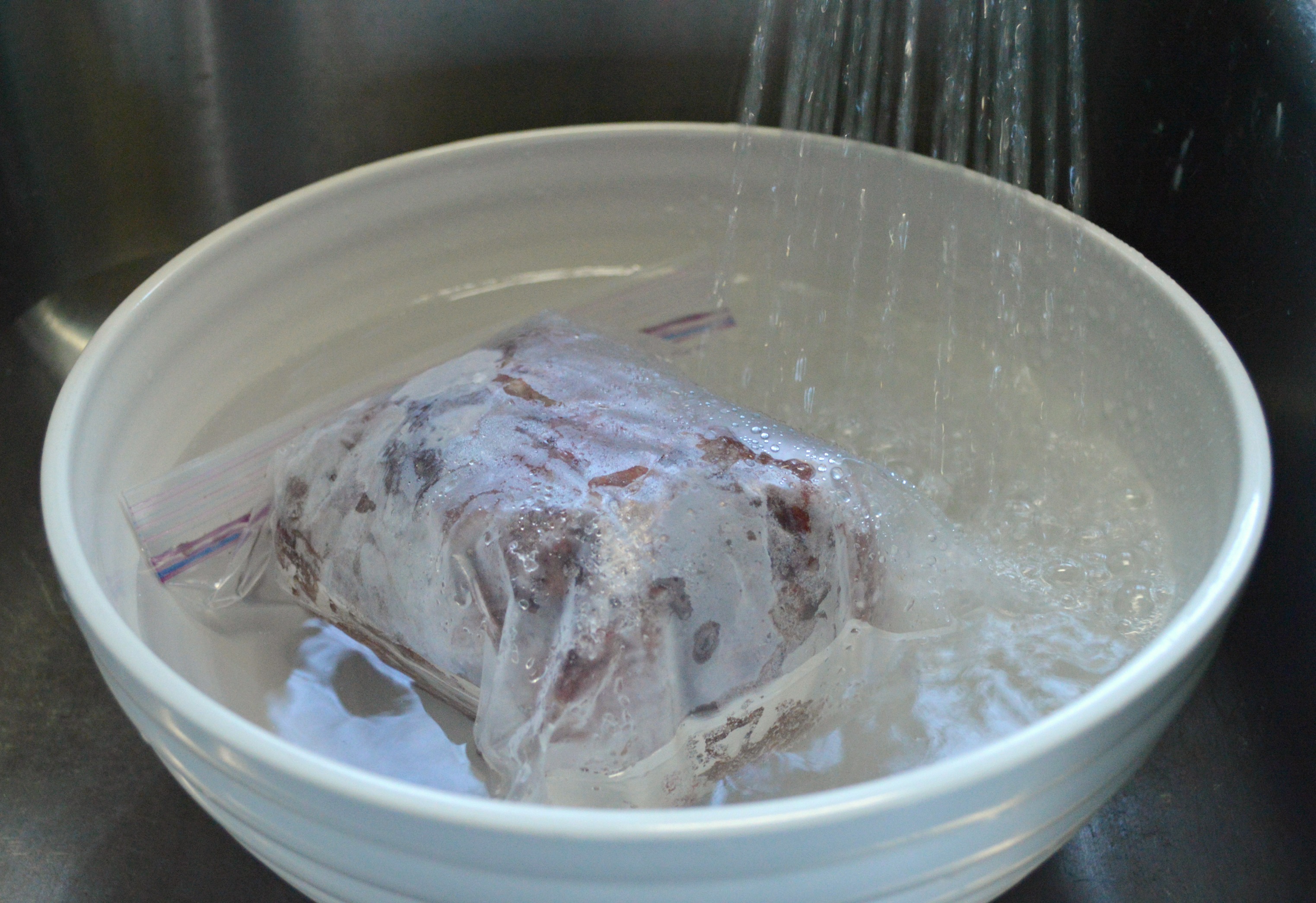
Keep meat in sealed packaging or a leak-proof bag.
-
Submerge in a bowl or sink of cold tap water.
-
Change water every 30 minutes to keep it cold.
-
Small cuts thaw in 1–2 hours; larger cuts may take several hours.
When to use it:
-
Last-minute thawing
-
Medium-sized cuts (steaks, chops, minced meat)
-
Same-day cooking
3. Thawing Meat in the Microwave (Emergency Method)
Why it works: Microwaves can partially cook meat, so it must be cooked immediately afterward.
How to do it:
-
Use the microwave’s defrost setting.
-
Pause and rotate meat every few minutes for even thawing.
-
Cook immediately — do not let it sit on the counter.
When to use it:
-
Last-minute meals
-
Small cuts only
-
Ready to cook immediately
Safety Tips & Common Mistakes
-
Never thaw meat at room temperature: Outer layers warm while the inside remains frozen — bacteria multiply quickly.
-
Avoid cross-contamination: Always thaw in sealed packaging; keep away from ready-to-eat foods; wash hands and surfaces after handling.
-
Cook thawed meat promptly: Fridge-thawed meat should be cooked within 1–2 days; cold water or microwave thawed meat should be cooked immediately.
-
Refreezing rules: Meat thawed in the fridge can be refrozen (texture may suffer); meat thawed in cold water or microwave should be cooked first.
Final Thoughts
Proper thawing protects both flavour and safety. Whether you plan ahead with fridge thawing or need a quicker method like cold water or the microwave, following safe practices ensures your meat stays delicious and safe to eat.
With just a few simple habits, you can handle frozen meat confidently and get the best results every time.