
Why a Sharp Knife Matters When Cutting Meat
Short Answer
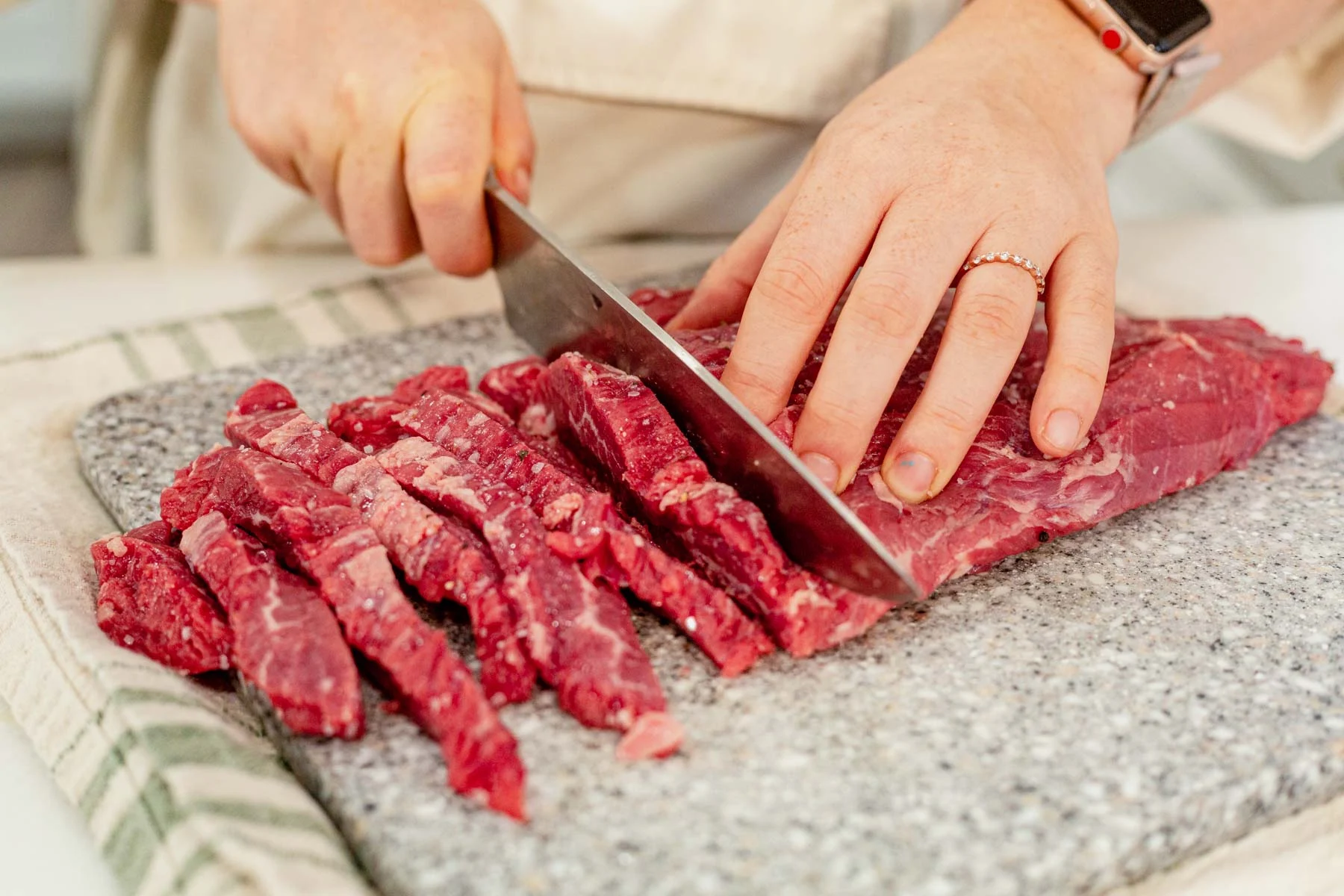
A sharp knife makes meat preparation safer, cleaner, and more consistent. Dull knives don’t just slow you down — they can tear meat, waste product, and increase the risk of accidents.
Why Sharpness Counts
Safety
A dull knife requires more force, which makes slips more likely. A sharp knife cuts cleanly with less effort and better control.
Precision
Sharp blades give you control over portion size and thickness, helping you cut evenly.
Quality
Clean cuts preserve the structure of the meat. Dull blades tear fibres, leaving ragged edges.
Efficiency
Less effort, faster prep, and less waste.
A sharp knife is one of the simplest upgrades you can make — but it’s not the only one.
👉 7 Tools & Techniques That Make Meat Cooking Easier (and Better) covers a few others that can instantly improve your results.
What Happens With a Dull Knife
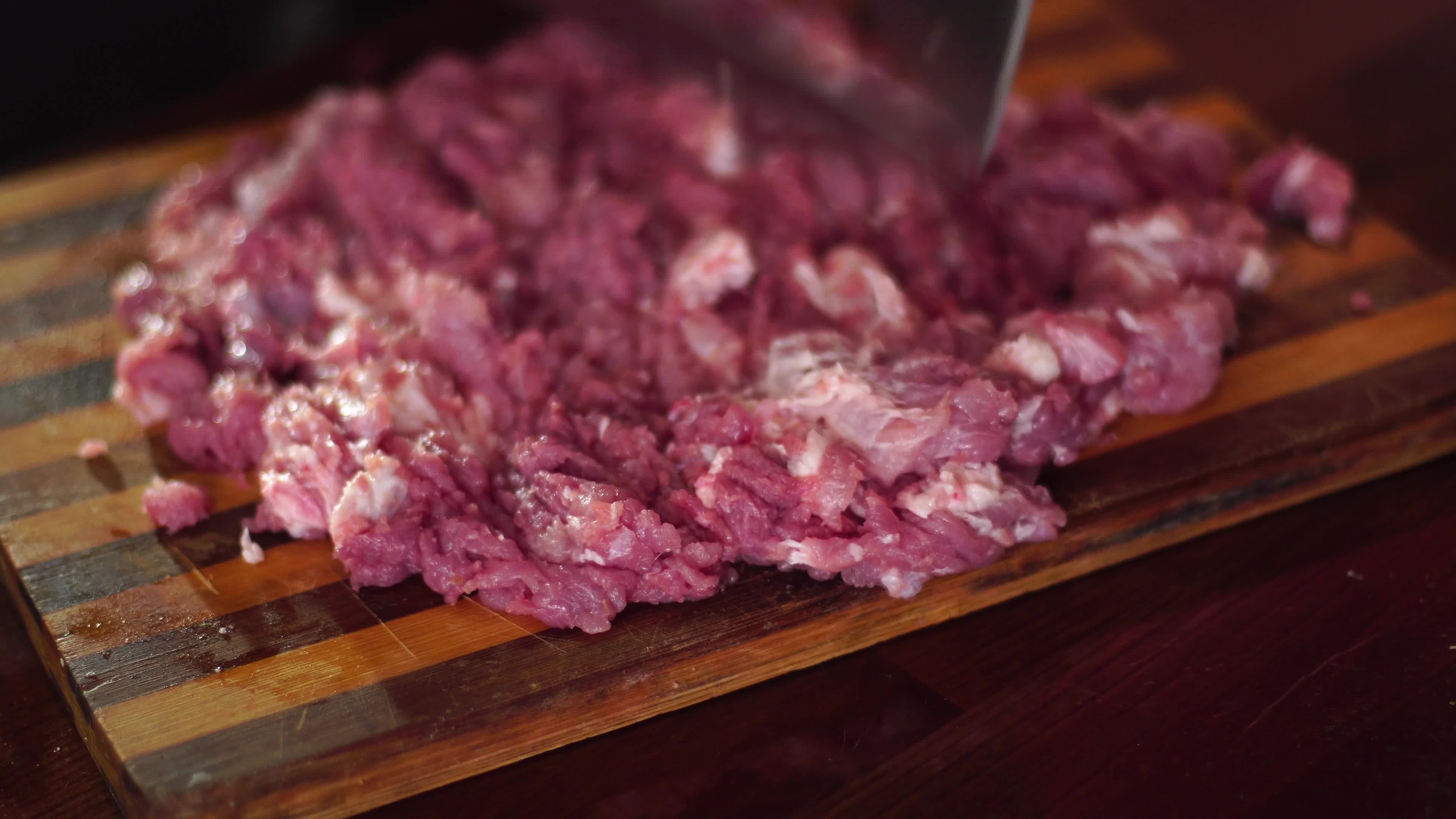
- Meat fibres get crushed instead of sliced
- Juices escape more easily, affecting flavour and texture
- Cuts become uneven, leading to inconsistent cooking
- More pressure is needed, increasing the risk of slipping
Best Practices for Knife Care
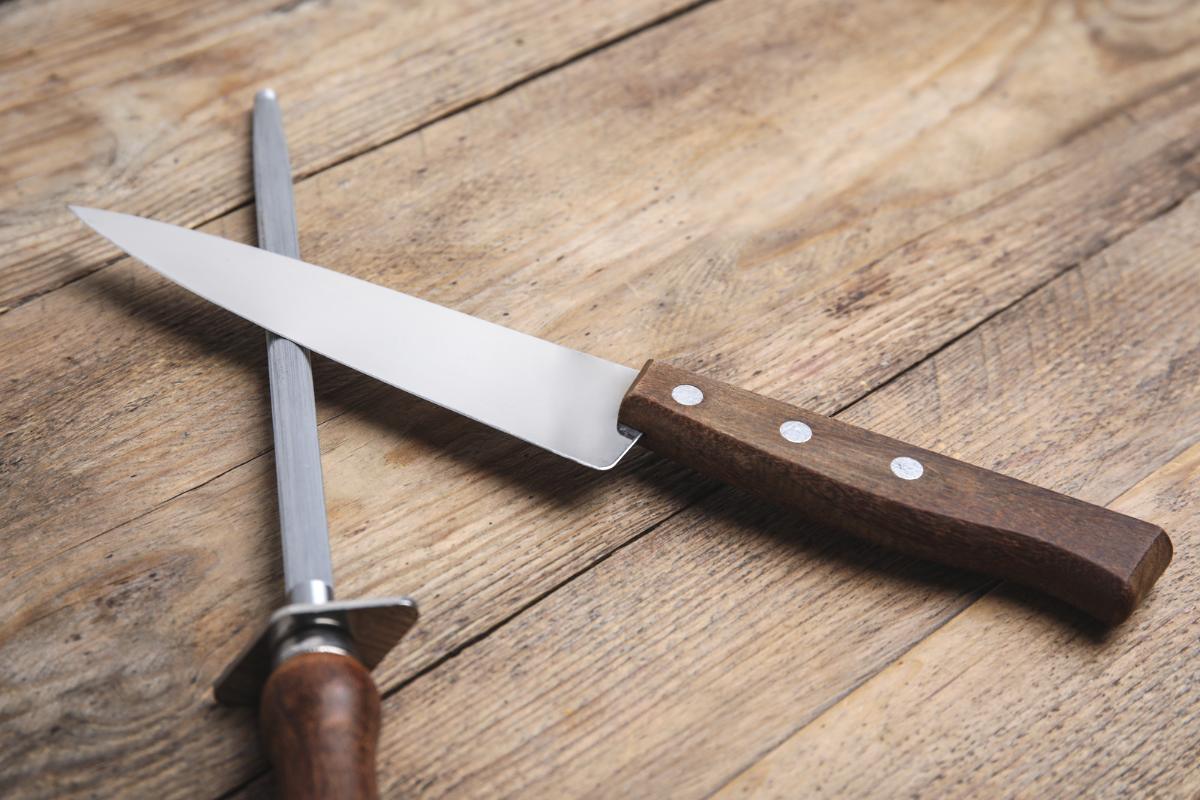
- Hone regularly — a honing steel keeps the edge aligned between uses
- Sharpen properly — every few months depending on use
- Use the right knife — a chef’s knife or boning knife covers most meat prep
- Clean and dry immediately — prevents dulling and protects the blade
- Store safely — knife block, magnetic strip, or sheath (not loose in a drawer)
Final Thought
A sharp knife isn’t just about convenience — it improves safety, quality, and consistency. Keep your knives sharp, and every cut becomes easier, cleaner, and more precise.


