Seasoning Meat
When Should You Season Meat — Before or After Cooking?
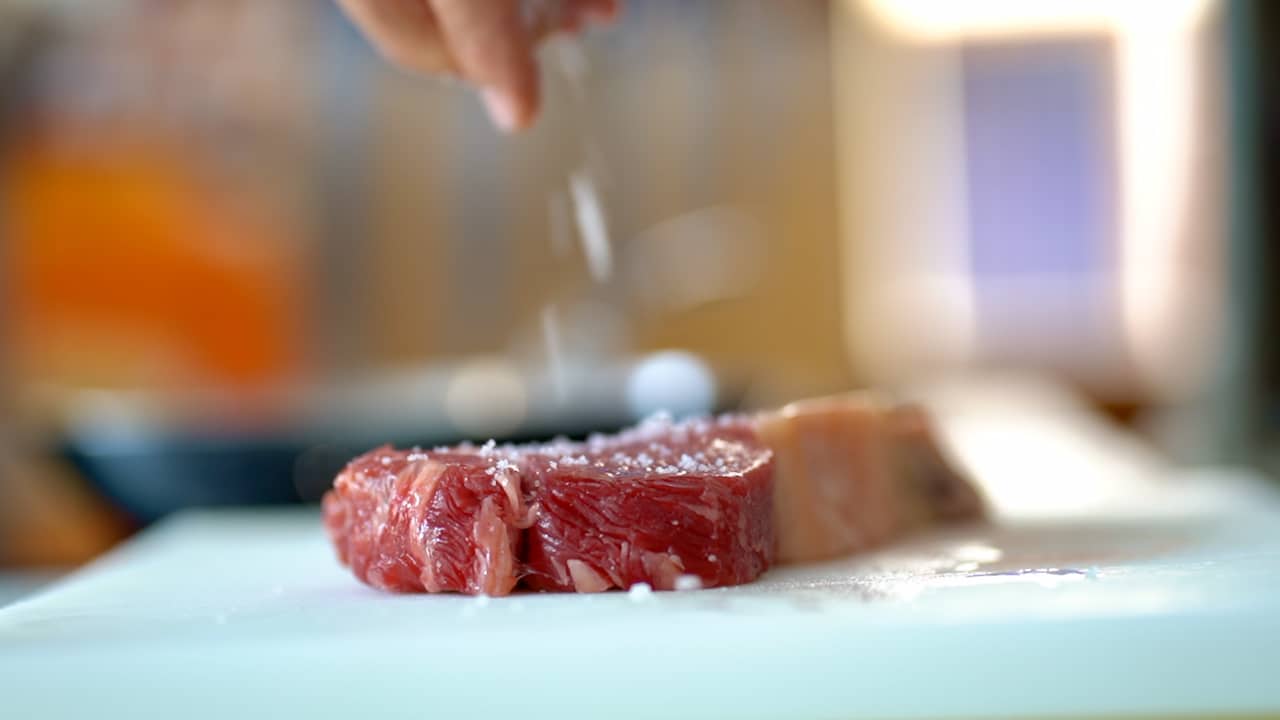
Most of the time, seasoning meat before cooking gives better flavour. But when you season — seconds before, an hour ahead, or right at the end — depends on the cut, thickness, and cooking method.
In Hong Kong kitchens, where cuts are often thinner, cooking is fast, and stovetops run hot, timing becomes even more important. Get it right, and seasoning does far more than just add saltiness — it improves browning, texture, and overall eating quality.
Why Seasoning Matters
Seasoning isn’t just about flavour. Salt, in particular, changes how meat behaves during cooking:
- Enhances natural savouriness, rather than masking it
-
Improves browning and crust formation, especially on high-heat gas hobs
-
Affects moisture retention, which matters when cooking quickly in small pans
Once you understand these effects, deciding when to season becomes much simpler.
Seasoning Before Cooking (Most Cases)
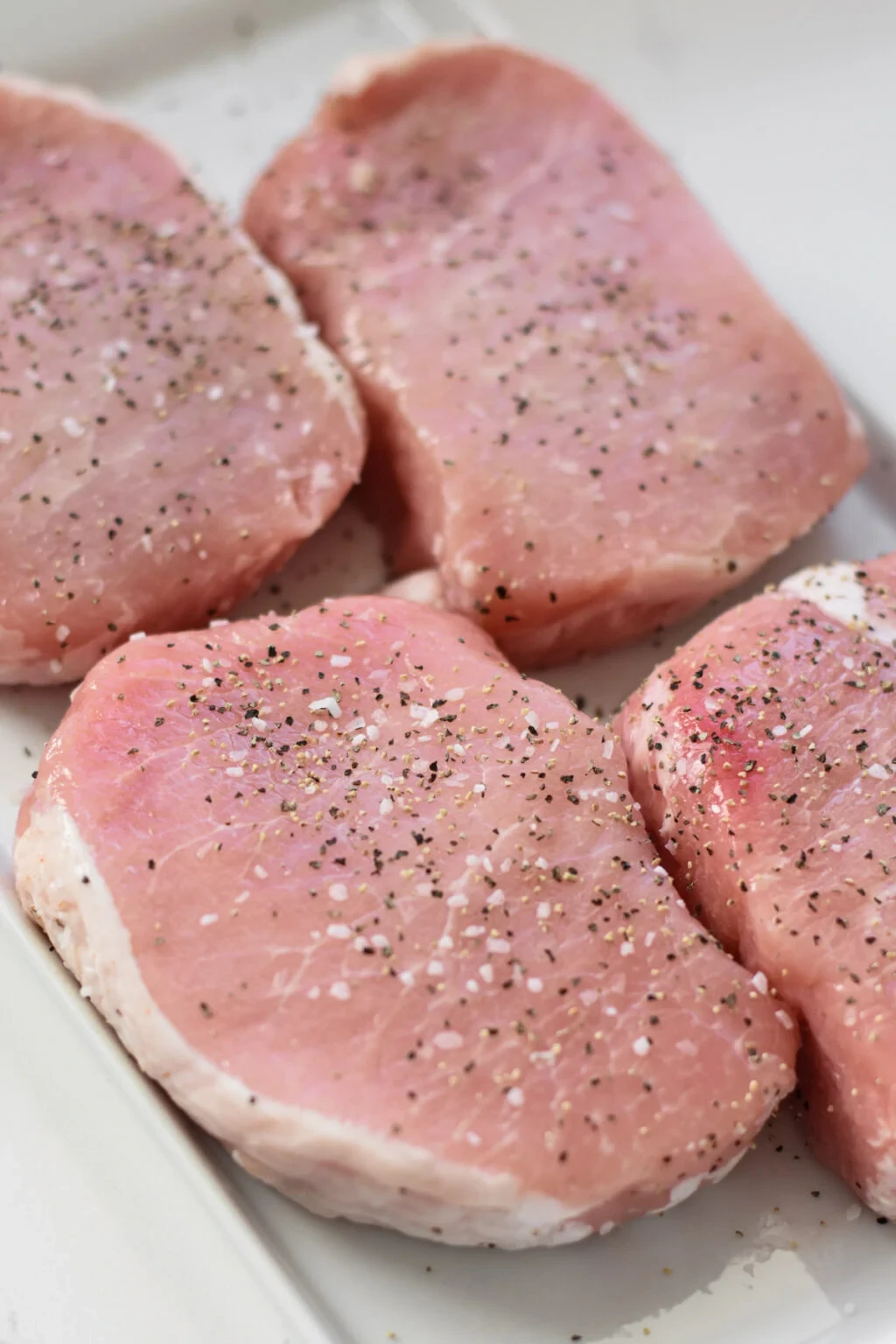
For most everyday cooking, seasoning before cooking is the best approach. This applies to:
-
Steaks
-
Pork chops
-
Roasts
-
Poultry
Why it works
-
Salt seasons the surface more evenly
-
It helps the meat brown properly
-
Flavour penetrates slightly below the surface, giving more depth
Timing guide
-
Thin cuts (HK-style pork chops, supermarket steaks): season just before cooking
-
Thicker cuts (ribeye, bone-in chops): season 30–60 minutes ahead
-
Large roasts: season several hours ahead or overnight (a simple dry brine)
In smaller kitchens, this timing also helps keep prep organised and stress-free.
When to Season Just Before — or After — Cooking
There are situations where early seasoning can work against you.
Season right before cooking if:
-
The meat is very thin and cooks in seconds
-
You’re making quick stir-fries where moisture release slows browning
-
You’re cooking minced meat for dumplings or meatballs — early salting can make it bouncy or tight
Season after cooking when:
-
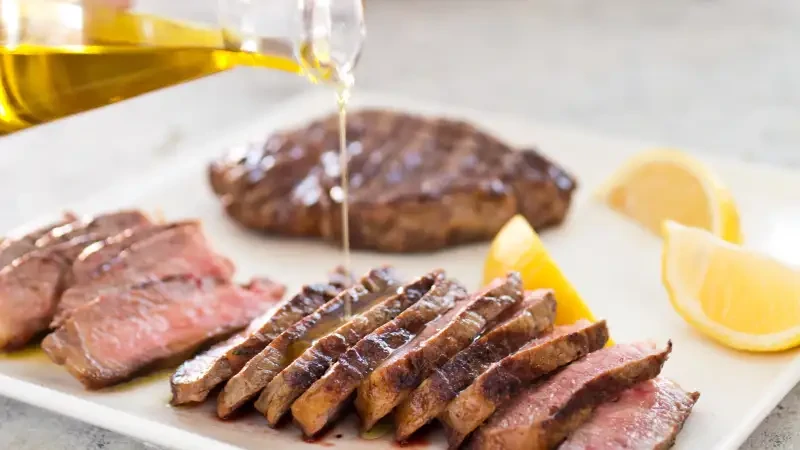
You’re adding finishing salt or cracked pepper
-
You want fresh herbs, citrus zest, or light aromatics
-
You’re finishing with a small drizzle of soy or sesame oil for an HK-style touch
Think of post-cooking seasoning as the final note — it lifts flavour rather than building it.
Common Seasoning Mistakes
These are some of the most common issues seen in home kitchens:
-
Under-salting, especially with larger Western cuts
(Most home cooks don’t use enough salt. As a rough guide, meat tastes best when seasoned at about 1% of its weight — but this isn’t something you need to measure. Thin cuts just need a light, even sprinkle, while thicker cuts and roasts need a more generous coating so the seasoning can do its job.)
-
Salting too late and expecting deep flavour
-
Using heavy rubs that burn on high-heat gas stoves
-
Marinating everything — not every cut needs it; sometimes salt alone works better
Simple seasoning, applied at the right time, usually beats complicated spice mixes.
Final Thought
Seasoning doesn’t need to be complicated. Salt at the right moment, cook with confidence, and finish thoughtfully. Whether you’re searing a ribeye, pan-frying HK-style pork chops, or doing a quick beef stir-fry, timing your seasoning will do more for flavour than any elaborate recipe.