Meat Cooking
How to Know If Meat Is Cooked Without Cutting Into It
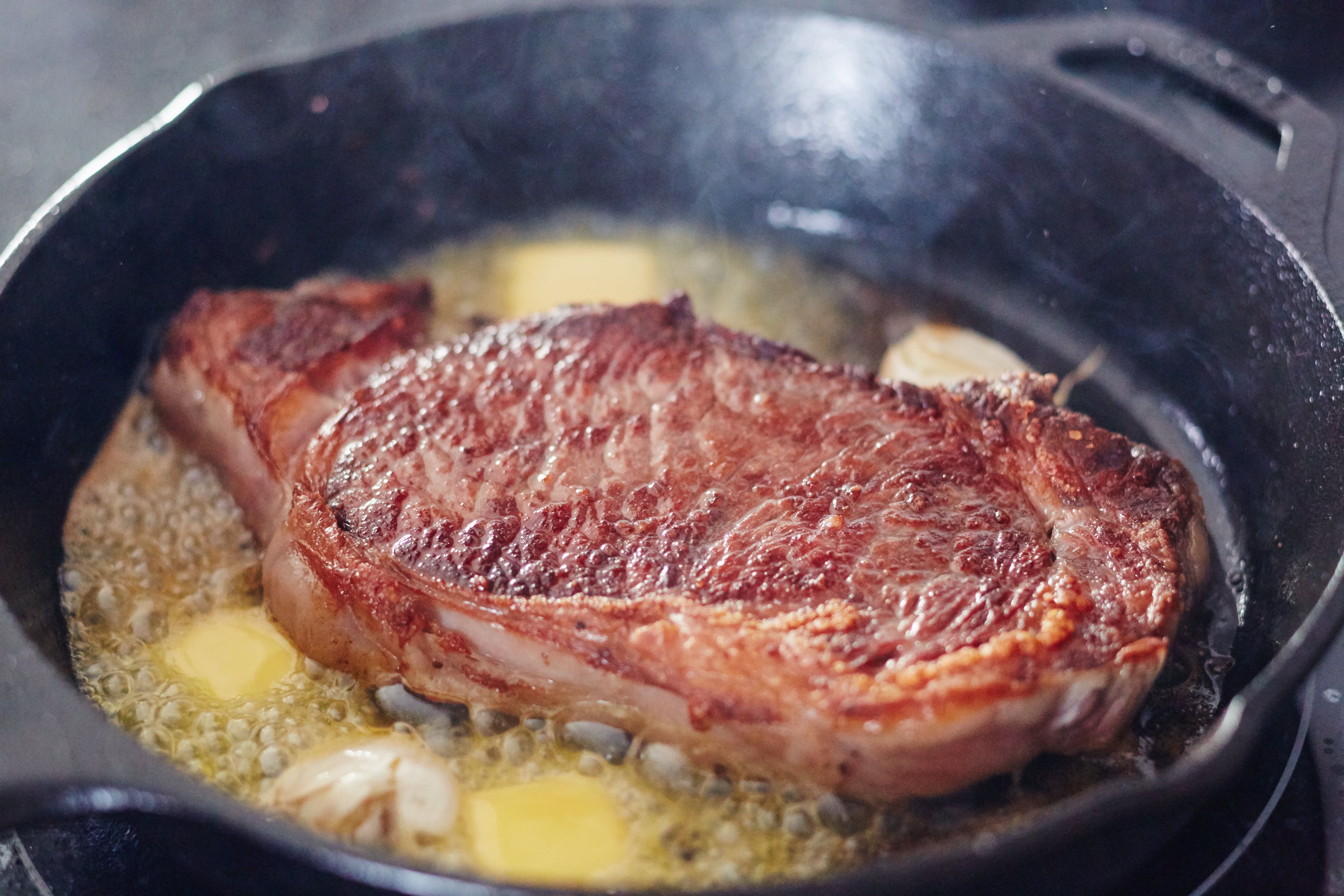
Short Answer
You can check doneness without cutting into meat by using a thermometer or, for certain cuts, by assessing firmness and visual cues. Cutting into meat too early releases moisture and isn’t a reliable way to judge doneness.
Why Cutting Into Meat Isn’t Ideal
Loss of juices
Cutting meat while it’s still cooking allows moisture to escape, often resulting in drier meat.
Interrupted cooking
Opening the meat lets heat escape from the centre, slowing the final stage of cooking.
Colour is unreliable
Meat can appear pink or clear regardless of whether it’s actually cooked. Colour alone isn’t a dependable indicator of doneness.
The Most Reliable Method: Use a Thermometer
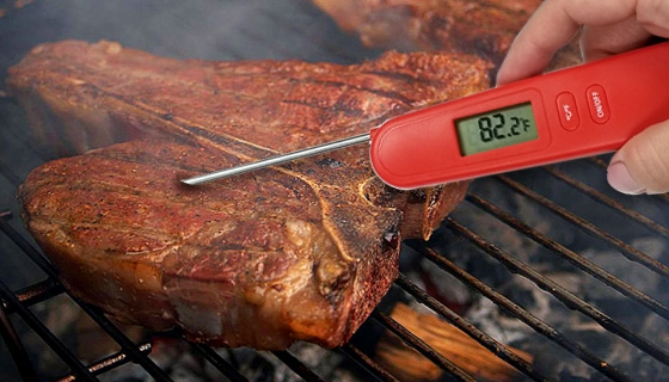
Checking internal temperature is the most accurate way to determine doneness without cutting into the meat.
How to use it
-
Insert the probe into the thickest part of the meat
-
Avoid bone, fat, or gristle, which can give false readings
-
Check near the end of cooking and again after resting
General temperature guide
(These are common cooking targets, not medical or safety advice.)
-
Beef or lamb steaks
Rare: 52–55°C
Medium: 57–60°C
Medium-well: 63–65°C -
Pork
Cook until at least 63°C before resting -
Poultry
Cook until the thickest part reaches 74°C -
Minced meat / burgers
Cook thoroughly until fully browned throughout
Visual Cues You Can Use (With Limitations)
These cues can help guide you, but they’re not as reliable as a thermometer.
Surface colour
Browning shows heat exposure, not internal doneness.
Juices
Clearer juices can suggest progress, but colour varies by cut, age, and marinade.
Texture changes
Meat firms up as proteins set, but firmness varies widely depending on the cut.
The Finger / Firmness Test
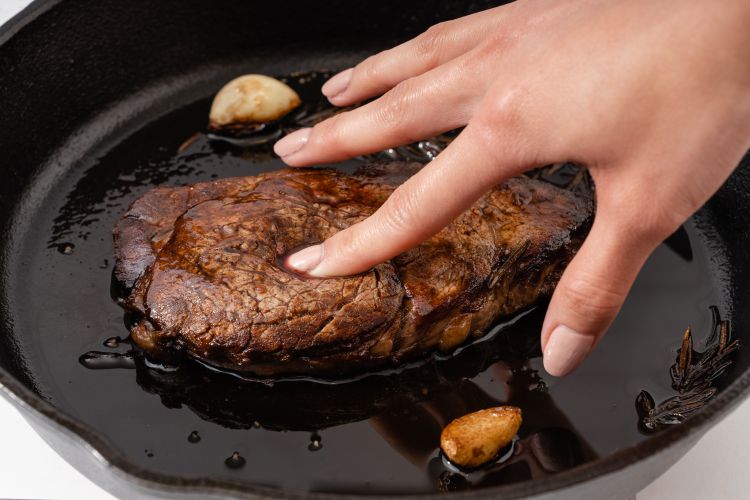
This method can be useful for steaks and chops when you don’t want to cut into the meat.
How it works
Compare the firmness of the meat to your hand:
-
Rare: Soft, like the base of your thumb when your hand is relaxed
-
Medium: Similar firmness when you lightly touch your index finger to your thumb
-
Well-done: Firm, like when you touch your pinky finger to your thumb
Limitations
-
Not suitable for poultry, mince, stuffed meats, or large roasts
-
Not a safety check — only a doneness estimate
-
Experience-based, so results vary
Why Resting Matters
-
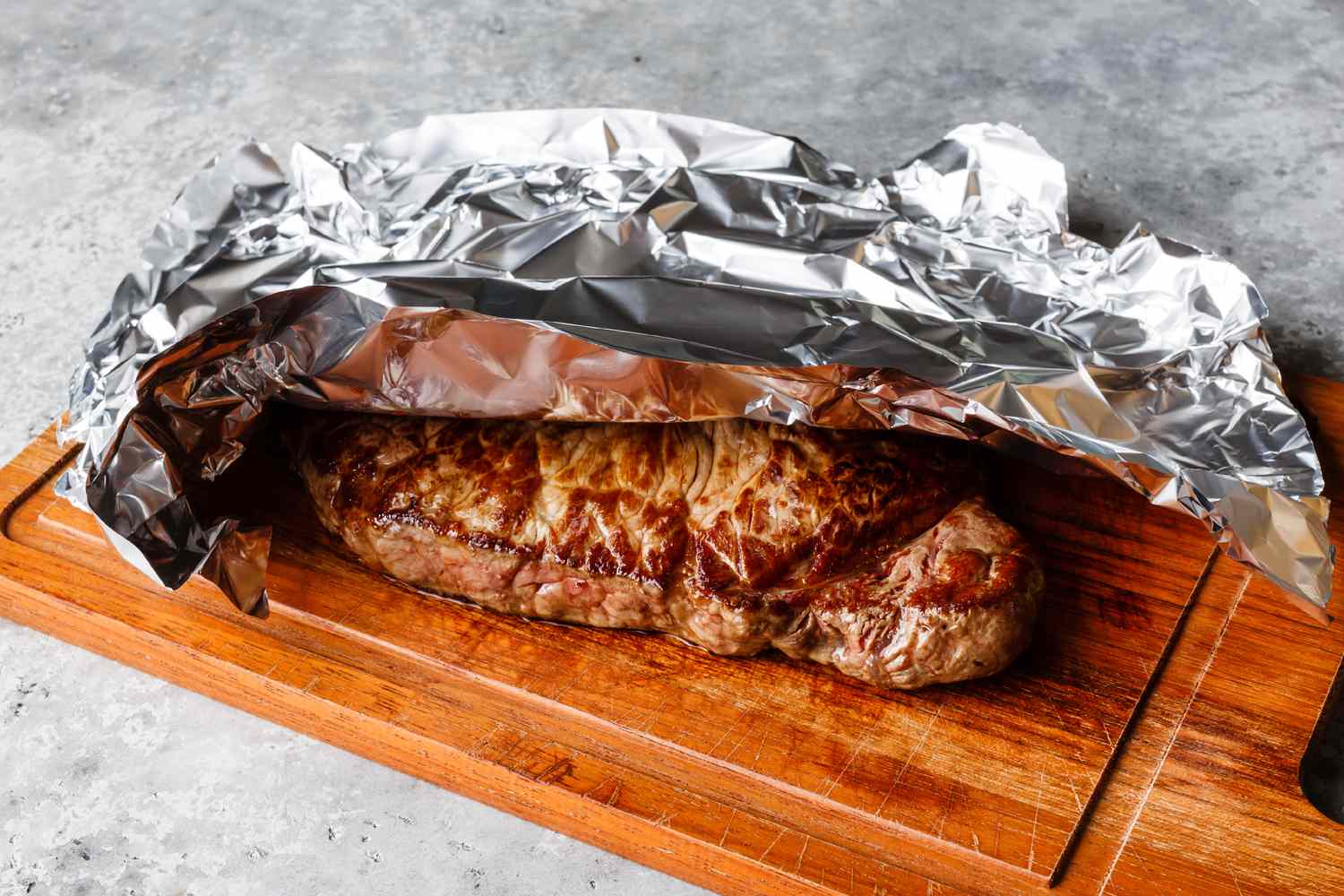
Meat continues to cook through carryover heat
-
Resting allows juices to redistribute evenly
-
Cutting too soon leads to dryness and uneven texture
When You Shouldn’t Guess
Some meats require certainty — not estimation.
-
Poultry: Must be fully cooked throughout
-
Minced meat and burgers: Higher contamination risk
-
Stuffed meats: Fillings slow heat penetration
-
Large roasts: Too much internal variation for visual cues alone
Final Thought
Knowing when meat is cooked doesn’t need guesswork — but it does require the right approach. Visual cues and touch can help with certain cuts, while a thermometer removes uncertainty entirely. When safety matters most, trust temperature over appearance, and let good technique do the work. With practice and a few simple tools, you can cook confidently without cutting into your meat too soon.