
Should You Use Separate Chopping Boards for Meat?
Short Answer
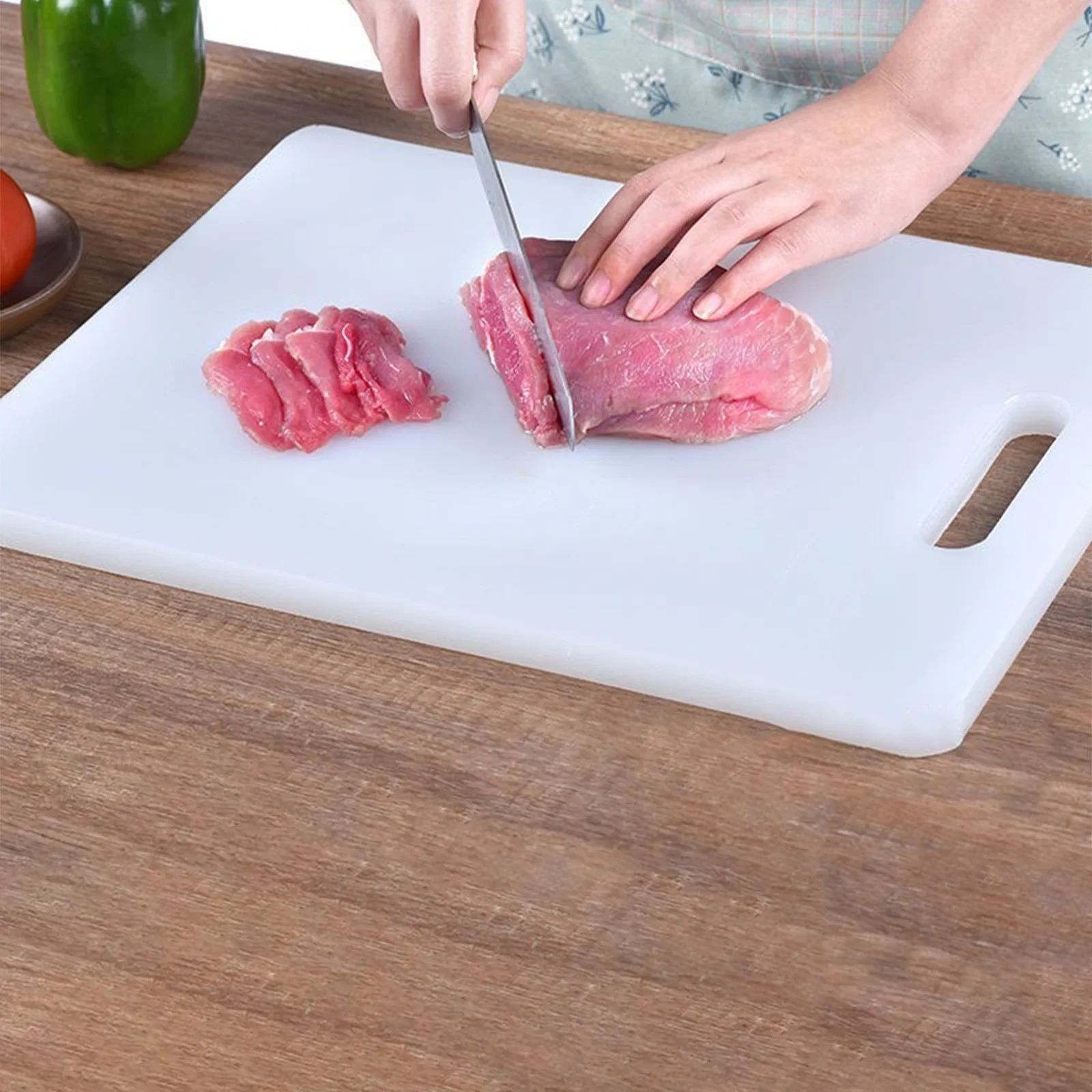
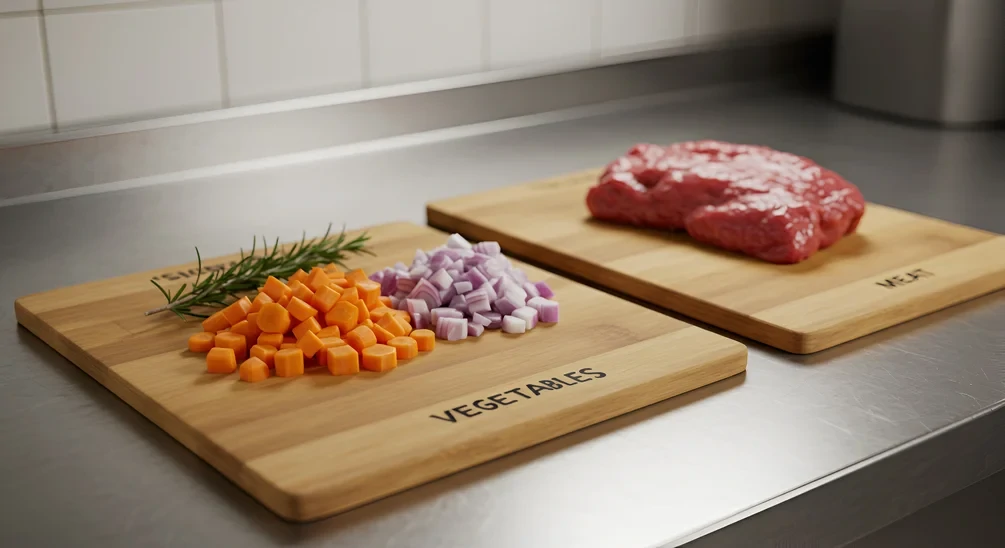
Yes. Raw meat should always have its own dedicated chopping board. You don’t need a different board for every type of meat — but you do need one board that is used only for raw meat and nothing else.
Why Raw Meat Needs Its Own Board
-
Raw meat can leave behind juices that carry bacteria capable of contaminating ready-to-eat foods.
-
These bacteria easily transfer to salads, fruit, bread, or cooked foods.
-
Keeping one board strictly for raw meat is the simplest way to prevent cross‑contamination.
Do You Need a Different Board for Chicken, Beef, Pork, and Seafood?
No — one dedicated raw‑meat board is enough, as long as it’s cleaned properly after each use.
However:
-
Chicken and poultry carry higher risk due to common surface bacteria, so clean the board immediately after use.
-
Seafood odours linger, so washing thoroughly is important.
-
If you prefer separate boards, that’s fine — but it’s not required for safety.
-
The key is separation between raw meat and everything else, not separation between meat types.
(Additional tips to help make cooking easier.)
Colour-Coding: Helpful, Not Essential
-
Colour-coded boards are useful if you have multiple people cooking.
-
What matters most is consistency — the “meat board” must always be the meat board.
-
If you’re unsure which board was used, wash it before using it again.
Cleaning Boards Properly

Plastic Boards
-
Wash with hot soapy water or run through the dishwasher.
-
Replace when deep grooves appear — bacteria hide in scratches.
Wooden Boards
-
Naturally antimicrobial but harder to sanitise deeply.
-
Best used for bread, fruit, and dry prep.
-
If used for raw meat, wash immediately and dry fully.
Final Thought
You don’t need a board for every type of meat — just one board dedicated to raw meat, cleaned properly every time. It’s a simple habit that dramatically reduces risk without complicating your kitchen.